

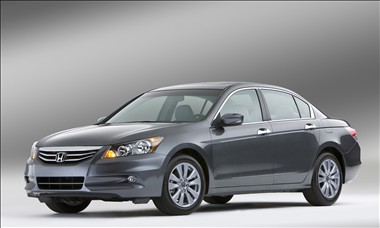
Honda has built one of the strongest reputations for long-term reliability in the automotive industry. Whether you're shopping for a fuel-efficient Civic, a family-friendly CR-V, a comfortable Accord, or a versatile Ridgeline, many used Hondas continue to provide dependable transportation well beyond 200,000 miles when properly maintained.
Of course, not every Honda model—or every model year—is created equal. Some generations have earned exceptional reputations for durability, while others have developed well-known issues that buyers should understand before purchasing. Choosing the right model, engine, and maintenance history can make the difference between years of trouble-free ownership and expensive repair bills.
Fortunately, today's used Honda market offers buyers more excellent choices than ever before. With strong resale values, relatively affordable ownership costs, and an outstanding track record for reliability, Honda remains one of the safest brands to shop when buying a used vehicle.
This guide compares Honda's most popular used models, highlights their strengths and common problems, identifies the best years to buy, and helps you decide which Honda best fits your needs.
What You'll Learn
- Which used Honda models have the strongest long-term reliability.
- The best generations of the Accord, Civic, CR-V, Fit, HR-V, Odyssey, Passport, Pilot, Ridgeline, and S2000.
- The most common mechanical problems buyers should inspect.
- Which Honda engines have earned the best reputations.
- How maintenance history affects long-term ownership costs.
- Which used Honda offers the best overall value today.
However, if you're also considering a brand-new Honda or another new vehicle, before you start negotiating you may want to come back to this and take a look at how I approach getting a new car close to or even below invoice, or at least at the best price possible even when demand is high.
Honda Reliability At A Glance
| Model | Overall Reliability |
|---|---|
| Accord | Excellent |
| Civic | Excellent |
| CR-V | Very Good to Excellent |
| Pilot | Very Good |
| HR-V | Very Good |
| Passport | Very Good |
| Odyssey | Good to Very Good |
| Ridgeline | Very Good to Excellent |
| Fit | Excellent |
| S2000 | Excellent |
Bottom Line: Honda has earned its reputation as one of the industry's most dependable manufacturers. Most major repairs result from age, neglected maintenance, or isolated model-year issues rather than widespread engineering flaws. Buyers who choose the right model and insist on documented maintenance history are often rewarded with years of inexpensive, reliable ownership.
What Are Honda's Biggest Reliability Concerns?
Honda has an excellent overall reputation for reliability, but that doesn't mean every engine, transmission, or model year is equally dependable. Most of Honda's significant problems are concentrated in particular generations and powertrains rather than affecting the entire brand.
Among the issues used Honda buyers should be aware of are automatic transmission problems in some older V6 models, oil consumption on certain engines, VCM-related concerns on some V6 vehicles, air-conditioning problems, and fuel dilution concerns involving certain turbocharged engines.
Honda's newer turbocharged engines also make maintenance history increasingly important. Regular oil changes and proper servicing matter more as engines become more complex.
None of these issues makes Honda an unreliable brand. In fact, carefully selected Accords, Civics, CR-Vs, Fits, Ridgelines, Pilots, and other Hondas can be among the longest-lasting vehicles in their classes.
Buyer Tip: Don't judge a used Honda solely by the brand's reputation. Identify the exact model, year, engine, and transmission you're considering. The detailed sections below explain which generations are strongest and where extra caution is warranted.
Honda Accord Reliability
Few vehicles have built a stronger reputation than the Honda Accord. For decades, it has consistently ranked among the best midsize sedans thanks to its excellent reliability, comfortable ride, strong resale value, and relatively low ownership costs. Whether you're looking for an economical commuter or a dependable family car, the Accord remains one of the safest used-car purchases available.
Like every vehicle, however, reliability varies somewhat by generation and engine. Fortunately, most Accord generations have proven to be excellent long-term vehicles when properly maintained.
2003–2007 (Seventh Generation)
The seventh-generation Accord helped cement Honda's reputation for building dependable family sedans. Buyers could choose between an efficient 2.4-liter four-cylinder or a smooth 3.0-liter V6, both of which have proven capable of extremely high mileage.
Automatic transmission problems affected some V6-equipped vehicles, making maintenance history especially important.
Typical Issues
- Automatic transmission problems on some V6 models.
- Power steering leaks.
- Starter failures.
- Airbag recall completion should be verified.
2008–2012 (Eighth Generation)
The eighth-generation Accord grew larger, more refined, and offered improved crash protection while maintaining Honda's reputation for reliability.
Four-cylinder models are generally excellent long-term choices. Some V6 models equipped with Honda's Variable Cylinder Management (VCM) system have experienced higher oil consumption and cylinder misfire complaints, although many owners have accumulated high mileage without significant issues.
Typical Issues
- Oil consumption on some V6 models.
- VCM-related cylinder misfires.
- Power steering hose leaks.
- Air conditioning compressor repairs.
2013–2017 (Ninth Generation)
The ninth-generation Accord represented another major improvement. Interior quality increased, fuel economy improved, and reliability remained among the best in the midsize sedan segment.
Both the four-cylinder and V6 engines have earned excellent reputations, making these some of the strongest used Accord model years available.
2018–2022 (Tenth Generation)
The tenth-generation Accord adopted turbocharged engines and a completely redesigned platform. While some early 1.5-liter turbocharged models experienced fuel dilution concerns, Honda addressed many of these issues through software updates and owner service campaigns.
The optional 2.0-liter turbocharged engine has developed an especially strong reputation among enthusiasts.
2023–Present (Eleventh Generation)
The newest Accord emphasizes efficiency, technology, and hybrid power. Although still too new for definitive long-term reliability conclusions, early owner experiences have been encouraging.
| Best Used Accord Years | Why Buy |
|---|---|
| 2006–2007 | Well-developed final years of the seventh generation. |
| 2013–2017 | Outstanding balance of reliability, comfort, and ownership costs. |
| 2020–2022 | Modern technology with improved turbocharged powertrains. |
Buyer Tip: If long-term reliability is your top priority, well-maintained four-cylinder Accords remain among the safest used-car purchases available.
For a comprehesive generation-by-generation analysis, visit our Honda Accord Reliability Guide.
Honda Civic Reliability
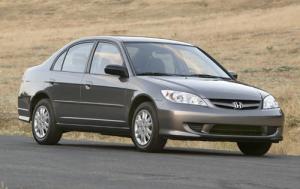
The Honda Civic has been one of America's most popular compact cars for more than fifty years. Known for exceptional fuel economy, low ownership costs, and impressive durability, it remains one of the easiest used vehicles to recommend.
Millions of Civics have exceeded 200,000 miles with only routine maintenance, helping establish Honda's reputation as a leader in reliability.
2001–2005 (Seventh Generation)
The seventh-generation Civic offered dependable transportation with excellent fuel economy. While generally reliable, early automatic transmission issues affected some vehicles.
Typical Issues
- Automatic transmission failures on some early models.
- Rust in northern climates.
- Airbag recall completion should be verified.
2006–2011 (Eighth Generation)
The eighth-generation Civic introduced fresh styling, improved safety, and one of Honda's most successful compact platforms. Most models have proven exceptionally durable.
Some vehicles equipped with the 1.8-liter engine experienced cracked engine blocks, although Honda extended warranty coverage for affected owners.
Typical Issues
- Cracked engine blocks on some 1.8-liter engines.
- Starter motor failures.
- Paint deterioration.
- Suspension noise.
2012–2015 (Ninth Generation)
After criticism of the initial 2012 redesign, Honda quickly improved interior quality, ride comfort, and refinement. Reliability remained excellent throughout the generation.
2016–2021 (Tenth Generation)
The tenth-generation Civic introduced turbocharged engines and a far more upscale interior. Most models have proven dependable, although early 1.5-liter turbocharged engines experienced fuel dilution concerns in certain climates.
2022–Present (Eleventh Generation)
The newest Civic continues Honda's tradition of combining efficiency, safety, and long-term durability. Early reliability reports have been excellent.
| Best Used Civic Years | Recommendation |
|---|---|
| 2009–2011 | Well-developed final years of the eighth generation. |
| 2013–2015 | Outstanding reliability and value. |
| 2019–2021 | Excellent combination of technology and dependability. |
| 2022–Present | One of the best modern compact cars available. |
Buyer Tip: Don't overlook higher-mileage Civics with excellent maintenance records. A properly maintained Civic with 150,000 miles often represents a better value than a neglected example with far fewer miles.
Our complete Honda Civic Reliability Guide covers every generation in much greater detail.
Honda CR-V Reliability
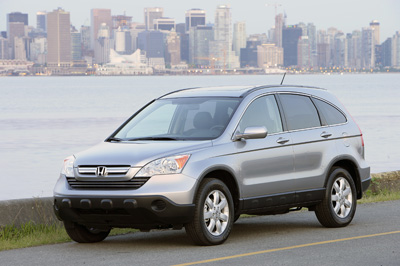
Since its introduction in the late 1990s, the Honda CR-V has become one of the world's best-selling compact SUVs. Buyers appreciate its comfortable ride, excellent fuel economy, generous cargo space, and reputation for long-term dependability.
Like the Accord and Civic, the CR-V has consistently ranked among the safest used vehicle purchases. While some model years have experienced isolated mechanical concerns, most generations have proven capable of providing well over 200,000 miles with routine maintenance.
2002–2006 (Second Generation)
The second-generation CR-V introduced a larger body, a more powerful 2.4-liter four-cylinder engine, and improved refinement. It remains one of the best values in the older SUV market.
Typical Issues
- Air conditioning compressor failures.
- Automatic transmission problems on some vehicles.
- Front suspension wear.
- Rust in northern climates.
2007–2011 (Third Generation)
The third-generation CR-V became more car-like while maintaining Honda's reputation for reliability. Interior quality improved, fuel economy remained excellent, and resale values have stayed exceptionally strong.
Typical Issues
- Cylinder misfires on some higher-mileage vehicles.
- Power steering leaks.
- Starter motor failures.
- Airbag recall completion should be verified.
2012–2016 (Fourth Generation)
This generation refined nearly every aspect of the CR-V. Ride quality improved, cabin noise decreased, and reliability remained excellent. These models continue to be among the most desirable used compact SUVs available.
2017–2022 (Fifth Generation)
The fifth-generation CR-V introduced turbocharged power and substantially more interior space. Some early 1.5-liter turbocharged models experienced fuel dilution concerns, particularly in colder climates, but Honda implemented updates that improved the situation.
2023–Present (Sixth Generation)
The newest CR-V continues Honda's tradition of dependable family transportation while adding hybrid technology, improved refinement, and updated safety features. Early reliability reports have been very encouraging.
| Best Used CR-V Years | Recommendation |
|---|---|
| 2005–2006 | Excellent late second-generation models. |
| 2013–2016 | Outstanding reliability and value. |
| 2020–2022 | Modern features with improved turbocharged reliability. |
Buyer Tip: The CR-V continues to be one of the safest recommendations in the used SUV market. Maintenance history is usually a far better indicator of future reliability than mileage alone.
For a complete generation-by-generation breakdown, visit our Honda CR-V Reliability Guide.
Honda Fit Reliability
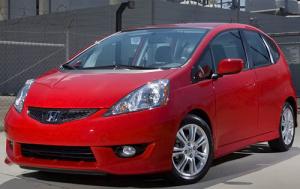
The Honda Fit has developed an almost cult-like following among used-car shoppers. Despite its compact exterior dimensions, it offers remarkable interior space, excellent fuel economy, and one of the most versatile cargo areas in its class.
Although Honda discontinued the Fit in the United States after the 2020 model year, it remains one of the smartest used subcompact cars available.
2007–2008 (First Generation)
The original Fit introduced Honda's versatile "Magic Seat" design and exceptional fuel economy. These cars continue to be dependable commuters when properly maintained.
Typical Issues
- Automatic transmission maintenance.
- Rust in northern climates.
- Suspension wear.
2009–2014 (Second Generation)
The second-generation Fit became larger, quieter, and more refined while retaining its outstanding cargo flexibility and excellent fuel economy.
Typical Issues
- Air conditioning compressor repairs.
- Starter motor failures.
- Occasional CVT concerns on later models.
2015–2020 (Third Generation)
The final U.S. generation offered modern styling, improved technology, and excellent safety features. Overall reliability has remained among the best in the subcompact segment.
| Best Used Fit Years | Recommendation |
|---|---|
| 2012–2014 | Excellent late second-generation models. |
| 2018–2020 | Modern features with excellent reliability. |
Buyer Tip: Few vehicles offer more practicality per dollar than a well-maintained Honda Fit. They're inexpensive to operate, easy to park, and routinely exceed 200,000 miles.
For a complete generation-by-generation breakdown, visit our Honda Fit Reliability Guide.
Honda HR-V Reliability
The Honda HR-V has become one of the most popular subcompact SUVs thanks to its excellent fuel economy, flexible interior, and Honda's reputation for long-term dependability. While smaller than the CR-V, the HR-V offers impressive cargo space and low ownership costs, making it an excellent choice for commuters and first-time SUV buyers.
Although it hasn't been on the market as long as the Accord or Civic, the HR-V has already developed a strong reputation for reliability, particularly when owners follow Honda's recommended maintenance schedule.
2016–2022 (First Generation)
The first-generation HR-V emphasized practicality over performance. Powered by Honda's dependable 1.8-liter four-cylinder engine, these models have generally proven durable with relatively few widespread mechanical problems.
Typical Issues
- CVT transmission maintenance is important.
- Starter motor failures on some higher-mileage vehicles.
- Air conditioning repairs.
- Suspension wear as mileage increases.
2023–Present (Second Generation)
The redesigned HR-V is larger, quieter, and considerably more refined than its predecessor. Powered by a naturally aspirated 2.0-liter four-cylinder engine, early reliability has been excellent.
| Best Used HR-V Years | Recommendation |
|---|---|
| 2019–2022 | Well-developed first-generation models with excellent value. |
| 2023–Present | Modern design with an excellent early reliability record. |
Buyer Tip: The HR-V is one of the best choices for buyers who want Honda reliability in an affordable, fuel-efficient crossover.
Honda Odyssey Reliability
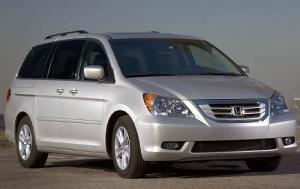
For decades, the Honda Odyssey has been one of the benchmark family minivans. It offers excellent passenger space, comfortable road manners, strong safety ratings, and one of the most versatile interiors available.
While ownership costs are somewhat higher than Honda's sedans because of the larger V6 engine and additional family-oriented features, the Odyssey remains one of the best used minivans you can buy.
2005–2010 (Third Generation)
This generation introduced numerous family-friendly features while maintaining Honda's reputation for durability. Timing belt maintenance and transmission servicing become increasingly important as mileage climbs.
Typical Issues
- Timing belt replacement.
- Motor mount wear.
- Power sliding door repairs.
- Air conditioning compressor failures.
2011–2017 (Fourth Generation)
The fourth-generation Odyssey became quieter, more refined, and offered improved fuel economy. Some V6 engines equipped with Variable Cylinder Management (VCM) experienced oil consumption or vibration complaints.
Typical Issues
- VCM-related oil consumption on some vehicles.
- Power sliding door maintenance.
- Suspension wear.
- Alternator failures on higher-mileage vans.
2018–Present (Fifth Generation)
The current Odyssey offers a significantly improved interior, updated safety technology, and one of the best family cabins available today. Early reliability has been very good.
| Best Used Odyssey Years | Recommendation |
|---|---|
| 2008–2010 | Excellent late third-generation models. |
| 2014–2017 | Well-developed fourth-generation vehicles. |
| 2021–Present | Modern safety features with excellent reliability. |
Buyer Tip: Before purchasing any older Odyssey, confirm that timing belt replacement has been completed if required by the maintenance schedule. This service is one of the most important investments you can make in the vehicle's long-term reliability.
For a complete generation-by-generation breakdown, visit our Honda Odyssey Reliability Guide.
Honda Passport Reliability
The Honda Passport returned to Honda's lineup for the 2019 model year as a rugged two-row midsize SUV. Sharing much of its engineering with the Pilot and Ridgeline, it combines a roomy interior, strong V6 performance, and excellent long-term durability.
Although it receives less attention than the CR-V or Pilot, the Passport has quickly become one of Honda's strongest used SUV values.
2019–2021 (First Modern Generation)
The reintroduced Passport shares Honda's proven 3.5-liter V6 engine and smooth nine-speed automatic transmission. Overall reliability has been very good.
Typical Issues
- Occasional infotainment software updates.
- Minor electrical glitches.
- Brake wear on some vehicles.
2022–Present
Honda refreshed the Passport with updated styling and additional technology. Reliability has remained excellent, with few significant mechanical concerns reported.
| Best Used Passport Years | Recommendation |
|---|---|
| 2022–Present | Excellent combination of reliability, capability, and value. |
Buyer Tip: If you don't need a third-row seat, the Passport offers many of the Pilot's strengths in a slightly smaller and often less expensive package.
Honda Pilot Reliability
Introduced for the 2003 model year, the Honda Pilot has become one of the most popular midsize three-row SUVs. Families appreciate its roomy interior, comfortable ride, excellent safety ratings, and Honda's reputation for durability.
While ownership costs are generally higher than those of the CR-V, the Pilot remains one of the better long-term choices in the midsize SUV segment.
2003–2008 (First Generation)
The original Pilot shared much of its engineering with the Acura MDX and Odyssey. Powered by Honda's proven 3.5-liter V6, these SUVs regularly accumulate very high mileage when properly maintained.
Typical Issues
- Timing belt replacement every 100,000 miles or so.
- Automatic transmission wear on some early models.
- Motor mount deterioration.
- Power steering leaks.
2009–2015 (Second Generation)
The second-generation Pilot became larger, more capable, and significantly more refined. Reliability remained excellent, although some V6 models equipped with Variable Cylinder Management (VCM) developed oil consumption or vibration complaints.
Typical Issues
- VCM-related oil consumption on some vehicles.
- Engine mount wear.
- Timing belt maintenance.
- Suspension wear at higher mileage.
2016–2022 (Third Generation)
The third-generation Pilot adopted a completely new design with improved fuel economy, additional technology, and a far more upscale interior. Overall reliability has been very good, although early nine-speed automatic transmissions required occasional software updates.
2023–Present (Fourth Generation)
The newest Pilot combines improved off-road capability with greater refinement and modern safety technology. Although still relatively new, early owner experiences have been positive.
| Best Used Pilot Years | Why Buy |
|---|---|
| 2006–2008 | Well-developed first-generation models. |
| 2013–2015 | Excellent family SUV with proven reliability. |
| 2019–2022 | Modern technology with excellent long-term ownership potential. |
Buyer Tip: Verify that timing belt service has been completed on older V6-powered Pilots. This is one of the most important maintenance items affecting long-term reliability.
For a comprehesive generation-by-generation analysis, visit our Honda Pilot Reliability Guide.
Honda Ridgeline Reliability
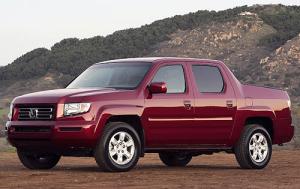
The Honda Ridgeline has always been different from traditional midsize pickups. Rather than using body-on-frame construction, Honda built the Ridgeline on a unibody platform that delivers a smoother ride, better handling, and one of the most practical truck interiors on the market.
While it isn't designed for extreme off-road use like some competitors, the Ridgeline has earned an outstanding reputation for reliability, comfort, and everyday usability. For many buyers, it's one of the best used trucks available.
2006–2014 (First Generation)
The original Ridgeline introduced numerous innovative features, including an in-bed trunk, dual-action tailgate, and fully independent suspension. These trucks continue to hold their value exceptionally well because of their durability.
Typical Issues
- Timing belt replacement on the 3.5-liter V6.
- Power steering hose leaks.
- Brake wear.
- HVAC blower motor repairs.
- Tailgate latch wear.
2017–Present (Second Generation)
After a brief production pause, Honda completely redesigned the Ridgeline for 2017. It became quieter, more refined, and significantly more fuel efficient while retaining its practical cargo features.
Overall reliability has been excellent, with relatively few widespread mechanical issues reported.
| Best Used Ridgeline Years | Recommendation |
|---|---|
| 2012–2014 | Excellent late first-generation trucks. |
| 2019–Present | Outstanding refinement and long-term reliability. |
Buyer Tip: If you rarely tow extremely heavy loads or venture off-road, the Ridgeline offers one of the best combinations of reliability, comfort, and practicality in the midsize pickup market.
For an even more comprehensive generation-by-generation breakdown, visit our Honda Ridgeline Reliability Guide.
Honda S2000 Reliability
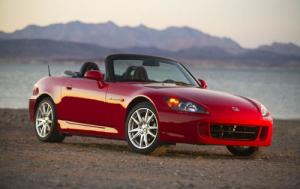
The Honda S2000 remains one of the most respected sports cars Honda has ever built. Featuring a high-revving naturally aspirated four-cylinder engine, near-perfect weight distribution, and one of the finest manual transmissions ever produced, the S2000 has become highly collectible.
Fortunately, it has also earned an outstanding reputation for long-term reliability when left largely stock and properly maintained.
2000–2003 (AP1)
Early AP1 models feature the legendary 2.0-liter four-cylinder engine capable of spinning to an incredible 9,000 rpm. They deliver an exceptionally raw driving experience that many enthusiasts still prefer.
Typical Issues
- Soft-top wear.
- Valve retainer recall verification.
- Oil consumption on some high-mileage vehicles.
- Suspension bushing wear.
2004–2009 (AP2)
The AP2 introduced a larger 2.2-liter engine with improved drivability, revised suspension tuning, and additional refinement. These later models remain among the most desirable used sports cars available today.
| Best Used S2000 Years | Recommendation |
|---|---|
| 2004–2009 | Improved drivability while maintaining legendary reliability. |
Buyer Tip: Original, unmodified S2000s with complete maintenance records continue to appreciate in value and are almost always worth paying more for than heavily modified examples.
For a comprehesive generation-by-generation analysis, visit our Honda S2000 Reliability Guide.
Which Used Honda Should You Buy?
The best used Honda depends on your lifestyle, budget, and driving needs. Fortunately, Honda has built dependable vehicles in nearly every major category, making it easy to find a model that fits your priorities.
| If You Want... | Our Recommendation |
|---|---|
| Best first Honda | Civic |
| Best family sedan | Accord |
| Best compact SUV | CR-V |
| Best midsize SUV | Pilot |
| Best affordable crossover | HR-V |
| Best family minivan | Odyssey |
| Best pickup truck | Ridgeline |
| Best fuel economy | Fit |
| Best enthusiast car | S2000 |
| Best overall value | 2013–2017 Honda Accord |
Buyer Tip: There isn't one perfect Honda for everyone. Instead, determine which vehicle best fits your needs, then spend your time finding the best-maintained example available.
Buying a Used Honda: What Matters Most
One of Honda's greatest strengths is long-term reliability, but even the most dependable vehicle requires proper maintenance. Choosing the right individual vehicle is often more important than simply choosing the right model year.
Maintenance History Matters More Than Mileage
A Honda with 180,000 miles and excellent service records is often a safer purchase than one with 100,000 miles that received inconsistent maintenance.
- Look for complete maintenance records.
- Verify regular oil changes.
- Confirm transmission and cooling system maintenance.
- Review timing belt replacement records on V6 engines where applicable.
Know The Common Problems
Every Honda model has a few well-known issues. Understanding those concerns before buying allows you to inspect them carefully or negotiate a better purchase price if repairs are needed.
Always Get A Pre-Purchase Inspection
Even reliable vehicles can hide expensive problems. A professional inspection by an experienced technician can uncover accident damage, fluid leaks, worn suspension components, and deferred maintenance before you commit to buying.
Compare Multiple Vehicles
Don't buy the first Honda you find. Comparing several vehicles often reveals significant differences in condition, maintenance history, and overall value.
Buyer Tip: Honda has earned its reputation for reliability over decades of excellent engineering. Your job as a buyer is simply to find one that has been cared for just as well as it was built.
Final Verdict
Honda continues to produce some of the most dependable used vehicles on the road. Whether you're shopping for a Civic, Accord, CR-V, Pilot, Ridgeline, or Odyssey, choosing a well-maintained example can provide many years of reliable, economical transportation.
Among today's best used Hondas, the Accord and Civic remain the easiest recommendations for most buyers because of their outstanding balance of reliability, affordability, fuel economy, and resale value. Buyers needing additional passenger or cargo space should look closely at the CR-V, Pilot, or Odyssey, while truck shoppers will appreciate the Ridgeline's unique combination of comfort and practicality.
Regardless of which Honda you choose, maintenance history, careful inspections, and selecting the right model year remain the keys to long-term ownership satisfaction. Buy wisely, maintain it properly, and there's an excellent chance your Honda will still be serving you reliably many years from now.
Also, Your Trade-In Value?
It's good to always know the value of your trade-in while you're evaluating your next possible purchase. Here's a good source for a quick and accurate appraisal: free trade-in appraisal.
What's Next?
Buying Used?
If you may be buying a used car soon, see how to identify the dealerships most motivated to get your sale, and therefore most ready to lower their price more than the rest. This is often the difference between getting a good price and getting a great one.
Which Dealer Fees Are Actually Required?
Beware of "dealer fees". Before agreeing to a dealer's numbers, see which dealer fees are legitimate, which can be negotiated, and which can be avoided.
Also, if you're shopping during the model-year changeover, here's how to decide between a discounted 2026 and waiting for the 2027.