


Are Jaguars reliable used cars? The answer depends considerably on the model, year, engine, and maintenance history. A carefully chosen used Jaguar can deliver a wonderful combination of luxury, distinctive styling, and performance for surprisingly little money. But some models have expensive mechanical weaknesses that buyers should understand before making a purchase.
Jaguar has always offered something different from its German luxury competitors. Its sedans are elegant and comfortable, its sports cars are exciting to drive, and its newer SUVs combine traditional Jaguar character with modern practicality.
Depreciation can make these vehicles especially tempting. A Jaguar that originally cost considerably more than a mainstream car may now be available for a similar purchase price. However, the cost of maintaining and repairing it remains that of a premium European vehicle.
This guide compares seven important used Jaguar models: the XF, XJ, XE, F-PACE, E-PACE, F-TYPE, and electric I-PACE. We'll examine their best years, engines, transmissions, common problems, and long-term ownership considerations.
A note about common problems: Throughout this guide, we use the term "common problems" to describe known or frequently reported issues that used Jaguar buyers should be aware of. It does not mean that most vehicles experience these problems. In fact, many of these issues affect only a relatively small percentage of vehicles, and plenty of owners never encounter them. Our goal is to help you recognize potential trouble spots when shopping, not to suggest that every Jaguar will develop them.
In This Guide
- Are Jaguars reliable used cars?
- Jaguar Reliability At A Glance
- Best Jaguar models and model years to buy
- Common Jaguar problems by model and generation
- Which Jaguar engines and transmissions are most reliable?
- How many miles can a Jaguar last?
- Used Jaguar inspection checklist and final verdict
Or, Looking For "New"?
If you're also considering a new Jaguar, you may want to come back to this and take a look at a handy technique that identifies the dealer in your area most ready to make price concessions.
Are Jaguars Reliable Used Cars?
Some Jaguars can be dependable used luxury cars, but the brand generally requires more careful shopping and a larger repair budget than mainstream alternatives.
Jaguar's strengths are easy to appreciate. Many models offer exceptionally comfortable interiors, attractive styling, responsive handling, and powerful engines. The XF and XE provide a rewarding luxury-sedan experience, while the F-PACE adds useful SUV practicality. The F-TYPE remains one of the most distinctive used sports cars in its price range.
Reliability is less consistent. Certain engines have experienced timing chain, cooling system, or other expensive problems. Electrical issues, infotainment faults, and age-related suspension repairs are additional considerations.
That doesn't mean every Jaguar is unreliable. Many owners enjoy years of relatively trouble-free driving. The difference often comes down to choosing the right powertrain, avoiding neglected examples, and staying ahead of maintenance.
For shoppers willing to take those precautions, a used Jaguar can offer tremendous enjoyment and value.
Jaguar Reliability At A Glance
Jaguar reliability varies substantially by model, generation, and engine. The assessments below are general used-car buying guidance, not statistical failure-rate scores. Click any model to jump directly to its reliability section.
| Jaguar Model | Overall Reliability |
|---|---|
| XF | Fair to Good* |
| XJ | Fair to Good* |
| XE | Fair to Good* |
| F-PACE | Fair to Good* |
| E-PACE | Fair to Good / Limited Data |
| F-TYPE | Good with Careful Maintenance* |
| I-PACE | Mixed / Significant Battery Recall Concerns |
*Reliability varies considerably by year, engine, and maintenance history. These ratings reflect broad ownership considerations rather than a measured comparison of failure rates. A well-maintained example may perform substantially better than its general assessment suggests.
What Are the Best Used Jaguar Models to Buy?
For most used Jaguar shoppers, the XF and F-PACE are logical starting points. The XF offers a traditional luxury-sedan experience, while the F-PACE provides the practicality and driving position many buyers now prefer.
The XE can be an appealing choice for someone seeking a smaller, sportier sedan. The XJ delivers a more traditional full-size luxury experience, although repair costs can be substantial.
For enthusiasts, the F-TYPE offers outstanding performance and styling. The E-PACE is worth considering for compact SUV shoppers, while the I-PACE requires particular caution because of its battery-related recall history.
The following sections explain which years and engines deserve consideration, along with the specific problems worth checking before purchase.
Jaguar XF Reliability: Best Years and Common Problems
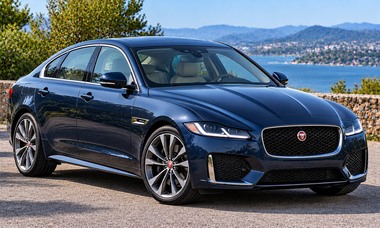
The Jaguar XF is one of the brand's most appealing used vehicles. It combines elegant styling, a refined ride, and surprisingly athletic handling. Depending on the year, buyers can choose from economical four-cylinder engines, smooth supercharged V6s, and powerful V8s.
Two main generations are relevant to most used-car shoppers.
2009–2015 Jaguar XF: First Generation
The first-generation XF replaced the S-Type and introduced a much more modern Jaguar design.
Early 2009 models offered a naturally aspirated 4.2-liter V8 or a supercharged version. For 2010, Jaguar introduced the 5.0-liter V8, including a supercharged version used in higher-performance models.
Later first-generation XFs also offered a supercharged 3.0-liter V6 and, in some versions, a turbocharged 2.0-liter four-cylinder.
The earlier 4.2-liter V8 can be appealing to buyers seeking traditional Jaguar performance. The later 5.0-liter V8 provides stronger acceleration, but early versions deserve careful inspection for timing chain and cooling system concerns.
The supercharged 3.0-liter V6 is another attractive choice, although its cooling system and related components require attention.
2016–2024 Jaguar XF: Second Generation
The redesigned XF introduced a lighter structure, more contemporary styling, and updated technology.
Depending on the year, buyers may encounter the supercharged 3.0-liter V6, turbocharged 2.0-liter gasoline four-cylinder, or a 2.0-liter turbo-diesel four-cylinder.
The newer 2.0-liter gasoline engines can offer a reasonable balance of performance and fuel economy. However, shoppers should distinguish these from the diesel versions, which have their own emissions-system and timing-chain considerations.
The 2021 refresh brought a more modern interior and updated infotainment system. These later cars are appealing, although their newer electronics still deserve thorough testing.
What Are the Best Jaguar XF Model Years to Buy?
2013–2015: These later first-generation models are worth considering because the design was well established. The supercharged V6 and carefully maintained V8 versions are appealing, provided that cooling system and timing chain concerns have been addressed where relevant.
2018–2020: These are reasonable second-generation candidates, especially with a documented maintenance history and a gasoline engine in good condition.
2021–2024: The updated interior and technology make these particularly attractive newer used XFs. Their relative youth is an advantage, but it is not proof of superior long-term reliability.
What Jaguar XF Model Years Should You Avoid or Inspect More Carefully?
2010–2012 5.0-liter V8 models: Early versions of this engine deserve particular attention to timing chain tensioners, guides, and cooling system components.
2016–2017: Early second-generation vehicles warrant closer examination for electronic problems, coolant leaks, and any outstanding recalls.
Diesel-equipped models: Investigate timing chain condition, emissions-system operation, and the type of driving the vehicle has experienced. Repeated short trips can be especially unfavorable for diesel emissions equipment.
Common Jaguar XF Problems
- Timing chain tensioner and guide wear: A particular concern on some early 5.0-liter V8 engines. A persistent cold-start rattle deserves professional investigation.
- Cooling system leaks: Water pumps, thermostat housings, coolant pipes, and reservoirs may require replacement.
- Diesel timing chain and emissions problems: Relevant to certain 2.0-liter diesel engines, including diesel particulate filter and exhaust aftertreatment issues.
- Automatic transmission complaints: Harsh shifts, hesitation, or fluid leaks should be checked rather than dismissed as normal behavior.
- Electrical and infotainment faults: Touchscreens, parking sensors, cameras, and other accessories may develop problems.
- Suspension wear: Bushings, control arms, and related components can require attention as mileage increases.
Buyer Tip: For a first-generation XF, investigate the exact engine and its service history before buying. For a newer XF, a well-maintained gasoline model with fully functioning electronics is a sensible starting point.
Bottom Line: The XF is one of the most appealing used Jaguars, offering an excellent combination of luxury, styling, and driving enjoyment when carefully selected.
Jaguar XJ Reliability: Best Years and Common Problems

The Jaguar XJ is the brand's traditional flagship sedan. It offers a spacious, luxurious cabin, a wonderfully smooth ride, and a distinctive driving experience.
For used-car shoppers, the most relevant versions are the aluminum-bodied XJ introduced for 2004 and the dramatically redesigned model sold from 2011 through 2019.
2004–2009 Jaguar XJ
This generation retained traditional Jaguar styling while introducing a lightweight aluminum body structure.
The naturally aspirated 4.2-liter V8 offers smooth performance, while the supercharged XJR provides much stronger acceleration.
These cars can be rewarding to own, but their age makes maintenance history particularly important. Air suspension, cooling system components, and electronics deserve careful inspection.
Because they are now considerably older, even a mechanically sound example may need repairs to rubber seals, suspension parts, or electrical accessories.
2011–2019 Jaguar XJ
The redesigned XJ introduced striking modern styling and a much more contemporary interior.
Early models used 5.0-liter V8 engines, including powerful supercharged versions. Later examples also offered a supercharged 3.0-liter V6.
The V6 can be an attractive alternative to the V8, particularly for buyers who don't need maximum performance. However, both engines require careful attention to cooling system condition.
Air suspension is another important consideration because repairs can be expensive as the vehicle ages.
What Are the Best Jaguar XJ Model Years to Buy?
2007–2009: These later examples of the traditional aluminum-bodied XJ are worth considering, particularly with the naturally aspirated 4.2-liter V8 and complete maintenance records.
2014–2017: These are reasonable candidates from the newer generation, with more established mechanical and electronic systems than the earliest redesigned models.
2018–2019: The final production years are attractive for buyers seeking a more recent XJ, although condition and equipment remain more important than model year alone.
What Jaguar XJ Model Years Should You Avoid or Inspect More Carefully?
2011–2012 5.0-liter V8 models: Check carefully for timing chain noise, evidence of overheating, and cooling system repairs.
High-mileage air-suspension-equipped XJs: Any year can become expensive if air springs, compressors, or height-control components require replacement.
Older XJs without service records: Deferred maintenance can quickly overwhelm the savings from a low purchase price.
Common Jaguar XJ Problems
- Air suspension: Leaking air springs, compressor problems, and uneven ride height.
- Timing chain wear: Especially relevant to certain early 5.0-liter V8 engines.
- Cooling system failures: Water pumps, coolant pipes, and thermostat housings can become expensive trouble spots.
- Electrical issues: Infotainment, seat controls, navigation, and other luxury equipment may malfunction.
- Transmission and driveline concerns: Rough shifting, leaks, or unusual vibrations deserve investigation.
- Age-related repairs: Suspension bushings, seals, and other components may need replacement regardless of mileage.
Buyer Tip: A later 4.2-liter V8 XJ or a carefully maintained 2014–2019 model is worth considering. Budget for premium maintenance even if the vehicle's purchase price is surprisingly low.
Bottom Line: The XJ can deliver an exceptional luxury-car experience, but it is best suited to buyers who are comfortable with the costs of maintaining a sophisticated premium sedan.
Jaguar XE Reliability: Best Years and Common Problems
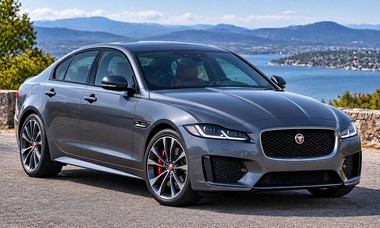
The Jaguar XE is a compact luxury sport sedan introduced to the United States for the 2017 model year. It competes with vehicles such as the BMW 3-Series, Audi A4, and Mercedes-Benz C-Class.
Its strongest selling points are sharp handling, responsive steering, attractive styling, and a comfortable driving position.
The XE was discontinued in the U.S. after the 2020 model year, making it a relatively short-lived but interesting used-car choice.
2017–2020 Jaguar XE
U.S. models were offered with several engines, including a supercharged 3.0-liter V6, turbocharged 2.0-liter gasoline four-cylinder, and 2.0-liter turbo-diesel.
The supercharged V6 delivers strong performance and suits the XE's sporty character, but its cooling system requires attention.
The gasoline four-cylinder offers a more economical alternative, while the diesel can deliver excellent fuel economy but introduces additional timing-chain and emissions-system considerations.
All U.S.-market XEs used an automatic transmission, with rear-wheel drive or available all-wheel drive depending on configuration.
What Are the Best Jaguar XE Model Years to Buy?
2019–2020: These later U.S.-market years are the most sensible starting point. They benefit from updates made during the model's production run and offer a more modern ownership experience.
Look for a gasoline-powered example with complete maintenance records and no unresolved cooling system or electronic problems.
What Jaguar XE Model Years Should You Avoid or Inspect More Carefully?
2017: The first U.S. model year deserves extra scrutiny for early-production issues, electronic problems, and cooling system concerns.
2017–2019 diesel models: Buyers should investigate timing chain condition, diesel particulate filter operation, and emissions-system repairs before purchase.
These cautions do not make every early XE a bad car. They simply identify areas where additional inspection can be especially valuable.
Common Jaguar XE Problems
- Cooling system leaks: Coolant reservoirs, pipes, water pumps, and related components.
- Diesel timing chain wear: An important concern on certain 2.0-liter Ingenium diesel engines.
- Diesel emissions-system faults: Diesel particulate filters and exhaust aftertreatment equipment can be expensive to repair.
- Electrical problems: Infotainment, instrument displays, sensors, and electronic accessories.
- Transmission hesitation: Rough or delayed shifts should be investigated.
- Suspension wear: Bushings and related components may develop noise or looseness.
Buyer Tip: A well-maintained 2019–2020 gasoline XE is a reasonable starting point for buyers seeking a smaller Jaguar sport sedan.
Bottom Line: The XE is a rewarding driver's car that can be an appealing used luxury bargain, provided that its maintenance and repair needs are understood.
Jaguar F-PACE Reliability: Best Years and Common Problems
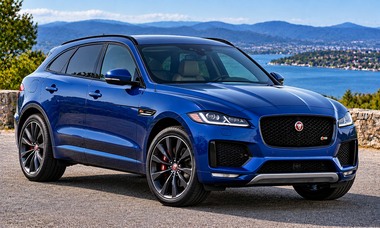
The Jaguar F-PACE is the brand's midsize luxury SUV and one of its most important modern models.
Introduced for the 2017 model year, the F-PACE combines practical cargo space, a comfortable interior, and sportier handling than many traditional SUVs.
It is one of the most logical Jaguar models for shoppers who want a vehicle suitable for everyday family transportation.
2017–2020 Jaguar F-PACE
Early F-PACE models offered several engines, including a supercharged 3.0-liter V6, a turbocharged 2.0-liter gasoline four-cylinder, and a 2.0-liter turbo-diesel.
The supercharged V6 provides strong performance, but buyers should inspect the cooling system carefully.
The gasoline four-cylinder is another option for buyers seeking a balance of performance and fuel economy. Diesel versions require additional attention to timing chain and emissions equipment.
Early F-PACE models also experienced recalls involving electrical systems and, on certain 2018 gasoline vehicles, a fuel rail leak. Confirm that applicable recall repairs were completed.
2021–2025 Jaguar F-PACE
The 2021 refresh brought a significantly improved interior, updated infotainment technology, and revised powertrain choices.
Later F-PACE models offered turbocharged four-cylinder engines, a turbocharged-and-electrically-supercharged 3.0-liter inline-six mild hybrid, and high-performance supercharged V8 versions.
These newer models are especially appealing for their updated cabins and driving experience. However, their advanced electronics and more complicated powertrains can increase long-term repair costs.
What Are the Best Jaguar F-PACE Model Years to Buy?
2019–2020: These are reasonable candidates from the original design, particularly when the cooling system and electronics have been carefully inspected.
2022–2024: These refreshed models offer a more modern interior and updated technology. A well-maintained gasoline four-cylinder version may be attractive to buyers seeking to limit mechanical complexity.
Neither group is guaranteed to be trouble-free. Service history and the exact engine remain essential considerations.
What Jaguar F-PACE Model Years Should You Avoid or Inspect More Carefully?
2017–2018: Early-production examples warrant additional scrutiny for coolant leaks, electronic problems, and completed safety recalls.
Diesel-equipped F-PACE models: Inspect timing chain condition and emissions-system operation carefully.
High-performance V8 versions: These can be outstanding to drive but are best suited to buyers prepared for higher tire, brake, fuel, and repair expenses.
Common Jaguar F-PACE Problems
- Cooling system leaks: Coolant reservoirs, hoses, plastic pipes, water pumps, and thermostat housings.
- Infotainment and electrical issues: Touchscreens, instrument displays, cameras, and electronic sensors.
- Diesel timing chain and emissions problems: Relevant to certain 2.0-liter diesel versions.
- Transmission hesitation: Rough shifting or delayed engagement should be checked.
- All-wheel-drive and driveline concerns: Investigate unusual noises or vibration.
- Suspension wear: Bushings, control arms, and other components may require attention as mileage increases.
Buyer Tip: The F-PACE is worth considering as an everyday used luxury SUV, but a professional inspection should include a careful cooling system check and verification of completed recalls.
Bottom Line: The F-PACE is one of Jaguar's most practical and appealing used models, particularly for buyers who want SUV versatility without giving up engaging road manners.
"One of the biggest factors in what you'll ultimately pay for your next car is how much you get for your trade-in."
— Josh Rosenberg, Former Auto Broker
Jaguar E-PACE Reliability: Best Years and Common Problems
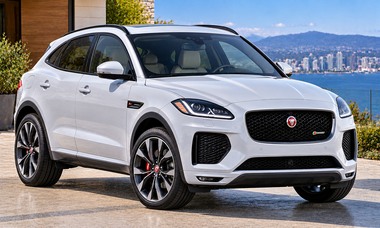
The Jaguar E-PACE is a smaller luxury crossover SUV introduced in the United States for the 2018 model year.
It offers distinctive styling, a relatively compact footprint, comfortable front seats, and the elevated driving position many buyers prefer.
Although it is smaller than the F-PACE, the E-PACE is not necessarily simpler mechanically. Its turbocharged engine, all-wheel-drive system, transmission, and electronic equipment all deserve attention.
2018–2020 Jaguar E-PACE
Early U.S.-market E-PACE models used a turbocharged 2.0-liter gasoline four-cylinder engine paired with a nine-speed automatic transmission and all-wheel drive.
Performance is generally strong, although some owners have reported transmission hesitation, electronic faults, and cooling system problems.
Buyers should also check for recalls, including the fuel rail recall affecting certain 2018 vehicles.
2021–2024 Jaguar E-PACE
The updated E-PACE introduced revised styling, improved interior technology, and powertrain changes.
Later models offer a more modern ownership experience, although long-term reliability data remains limited compared with more widely sold compact SUVs.
Its relatively low sales volume also means that buyers may find fewer independent repair specialists familiar with the model.
What Are the Best Jaguar E-PACE Model Years to Buy?
2021–2023: These updated models are sensible candidates for shoppers seeking a newer E-PACE, provided that the transmission, electronics, and cooling system are operating correctly.
There is not enough consistent long-term reliability evidence to call any particular E-PACE year definitively the best.
What Jaguar E-PACE Model Years Should You Avoid or Inspect More Carefully?
2018: The first model year deserves extra attention to transmission behavior, electronic equipment, and applicable recalls.
2019–2020: These models can still be worthwhile, but inspect for the same transmission and cooling system concerns reported on some earlier vehicles.
Common Jaguar E-PACE Problems
- Nine-speed automatic transmission behavior: Hesitation, abrupt shifts, or delayed engagement.
- Cooling system leaks: Hoses, reservoirs, and related components.
- Electrical and infotainment faults: Touchscreen, cameras, sensors, and connectivity features.
- Engine warning lights: Investigate any persistent faults rather than assuming they are minor software problems.
- All-wheel-drive components: Listen for unusual noises and check for fluid leaks.
- Suspension and brake wear: Inspect condition and service history carefully.
Buyer Tip: The E-PACE can be appealing, but compare it directly with a used F-PACE. Depending on the year and price, the larger SUV may offer better overall value.
Bottom Line: The E-PACE is an attractive compact luxury crossover, although its limited reliability history and potential repair costs justify careful shopping.
Jaguar F-TYPE Reliability: Best Years and Common Problems
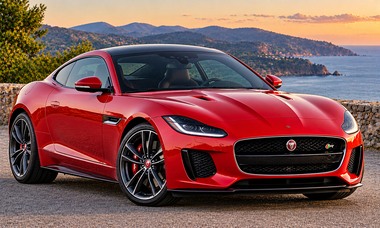
The Jaguar F-TYPE is one of the most exciting used sports cars available. Introduced for the 2014 model year, it combines dramatic styling, strong performance, and an unmistakable exhaust note on its larger-engine versions.
It was offered as a convertible and coupe, with several engines and performance levels.
Unlike Jaguar's sedans and SUVs, the F-TYPE is primarily an enthusiast's car. Buyers should expect higher tire, brake, insurance, and maintenance costs, especially on powerful supercharged versions.
2014–2020 Jaguar F-TYPE
Early F-TYPE models offered a supercharged 3.0-liter V6 and a supercharged 5.0-liter V8. A turbocharged 2.0-liter four-cylinder was introduced later.
The supercharged V6 is an appealing middle ground, providing strong performance without the full expense of the V8.
The V8 offers outstanding acceleration and sound, but its cooling system, timing components, and supercharger-related equipment require careful inspection.
Some F-TYPE versions were also offered with a manual transmission, although most U.S. examples use an automatic.
2021–2024 Jaguar F-TYPE
The updated F-TYPE introduced revised styling and equipment. Later U.S. models increasingly emphasized the supercharged V8.
These are attractive choices for enthusiasts seeking a newer example, although they remain high-performance luxury vehicles with potentially substantial repair costs.
What Are the Best Jaguar F-TYPE Model Years to Buy?
2017–2020: These are attractive candidates for buyers seeking a used V6 or V8 F-TYPE. The design was more established than on the earliest cars, although condition and maintenance remain critical.
2021–2024: These later examples are worth considering for buyers who want the updated design and are comfortable with the associated ownership costs.
A properly maintained V6 can be a sensible choice for buyers who value performance but don't need the most powerful version.
What Jaguar F-TYPE Model Years Should You Avoid or Inspect More Carefully?
2014–2015: Early examples deserve closer attention to cooling system components, electronics, and convertible-top operation where fitted.
High-mileage or heavily modified V8 models: Inspect carefully for overheating history, timing chain noise, supercharger problems, and evidence of hard use.
Any F-TYPE with incomplete maintenance records should be approached cautiously, regardless of year.
Common Jaguar F-TYPE Problems
- Cooling system leaks: Water pumps, thermostat housings, plastic coolant pipes, and related components.
- Timing chain and tensioner wear: An important inspection concern on certain 5.0-liter V8 engines.
- Supercharger-related problems: Noises, coolant-system concerns, and related component wear.
- Rear differential and driveline noises: Investigate whining, vibration, or unusual sounds.
- Convertible-top issues: Check operation, seals, and water intrusion on roadsters.
- Electrical faults: Infotainment, sensors, active exhaust controls, and other accessories.
Buyer Tip: A stock, well-maintained F-TYPE with complete records is usually a better starting point than a heavily modified example with uncertain history.
Bottom Line: The F-TYPE is a wonderful enthusiast's car and can be a rewarding used purchase, but it should be bought for enjoyment rather than low-cost transportation.
Jaguar I-PACE Reliability: Best Years and Battery Problems
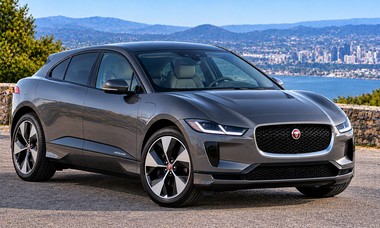
The Jaguar I-PACE is a fully electric luxury crossover introduced for the 2019 model year.
It offers quick acceleration, distinctive styling, a comfortable interior, and an engaging driving experience.
However, the I-PACE requires a different kind of reliability evaluation from Jaguar's gasoline-powered models. Its electric motors and single-speed drivetrain eliminate many conventional engine maintenance items, but the high-voltage battery, charging system, and electronics can be expensive to repair.
2019–2024 Jaguar I-PACE
The I-PACE uses a large high-voltage battery and electric motors driving all four wheels.
Its driving performance is impressive, and it can be an appealing used electric vehicle when purchased at the right price.
However, battery-related safety recalls have significantly complicated the used I-PACE market.
Jaguar issued multiple recall campaigns concerning high-voltage battery overheating risks. Certain 2019 vehicles were subject to a repurchase program after earlier software remedies were found insufficient to address the safety concern.
This makes vehicle-specific recall history and battery status essential parts of any I-PACE purchase decision.
What Are the Best Jaguar I-PACE Model Years to Buy?
2022–2024: These later examples are more reasonable starting points for buyers interested in an I-PACE, but only after confirming their exact recall status, battery condition, warranty coverage, and software history.
There is not enough evidence to describe any I-PACE model year as a reliably safe choice without checking the individual vehicle.
What Jaguar I-PACE Model Years Should You Avoid or Inspect More Carefully?
2019: This model year deserves particularly strong caution because certain vehicles were included in serious high-voltage battery thermal-overload recalls and a repurchase program.
2020–2021: Buyers should also investigate battery-related recalls, charging performance, and any manufacturer-imposed operating or charging restrictions.
Even later vehicles should be checked by VIN because recall applicability and available remedies can change.
Common Jaguar I-PACE Problems
- High-voltage battery overheating concerns: Certain vehicles have been subject to serious safety recalls, including a repurchase program for affected 2019 models.
- Charging problems: Charging interruptions, reduced charging performance, or equipment faults.
- Battery and power electronics: Potentially expensive repairs outside warranty coverage.
- Software and infotainment faults: Display freezing, warning messages, and connectivity problems.
- Electrical system issues: Auxiliary battery, sensors, and electronic control modules.
- Suspension and tire wear: The vehicle's weight and performance can increase replacement costs.
Buyer Tip: Do not purchase an I-PACE without checking its VIN for recalls, confirming any required repairs or restrictions, and obtaining a battery health assessment. A dealer or qualified electric-vehicle specialist should verify the vehicle's current status.
Bottom Line: The I-PACE can be enjoyable to drive and attractively priced, but its battery recall history makes it a more complicated used-car choice than its depreciation alone might suggest.
Pricing
Knowing which Jaguar model and years to concentrate on is step 1. Step 2 is knowing how to actually get an excellent used Jaguar price.
Also, it's good to always know the value of your trade-in while you're evaluating your next possible purchase, since what you receive can significantly offset the amount you'll ultimately pay. See KBB vs. Edmunds Appraisals: Which Is Better? to learn how the two services compare and how to use them to eventually get an accurate and fair trade-in offer from a dealer.
Which Jaguar Engines and Transmissions Are the Most Reliable?
Jaguar's used-car reliability depends heavily on the engine and transmission combination. Several different powertrains have been used across the same model names, so buyers should confirm the actual engine rather than relying only on the model year or trim badge.
Jaguar 4.2-Liter Naturally Aspirated V8
The 4.2-liter naturally aspirated V8 found in vehicles such as the earlier XF and XJ is an appealing choice for buyers seeking traditional Jaguar performance.
It avoids the additional complexity of a supercharger and is generally regarded as one of Jaguar's more durable modern V8 designs when properly maintained.
However, cooling system condition, oil leaks, age-related repairs, and maintenance history remain important.
Jaguar 5.0-Liter V8
The 5.0-liter V8, known as the AJ133 engine family, was used in naturally aspirated and supercharged versions across several Jaguar models.
It offers excellent performance, but certain earlier engines experienced timing chain tensioner and guide wear.
A rattling noise during cold starts can be an important warning sign. Repairs may be expensive because of the labor required to access the timing components.
Cooling system leaks are another significant consideration, especially on higher-mileage vehicles.
Later versions received design revisions, so buyers should not assume that every 5.0-liter V8 has the same risk profile.
Jaguar 3.0-Liter Supercharged V6
The supercharged 3.0-liter V6 provides a strong combination of performance and refinement.
It is found in several XF, XE, XJ, F-PACE, and F-TYPE models.
These engines can provide satisfying service, but cooling system components, supercharger-related equipment, and evidence of overheating deserve particular attention.
For buyers seeking performance without the expense of a supercharged V8, the V6 can be an attractive compromise.
Jaguar 2.0-Liter Ingenium Gasoline Engine
Jaguar's newer 2.0-liter turbocharged Ingenium gasoline four-cylinder engine appears in models such as the XE, XF, F-PACE, and E-PACE.
It offers good performance and improved fuel economy compared with the larger engines.
However, buyers should check for cooling system leaks, oil leaks, engine warning lights, and complete maintenance records.
It is important not to confuse the gasoline Ingenium engine with the diesel version, which has a different set of reliability concerns.
Jaguar 2.0-Liter Ingenium Diesel Engine
The 2.0-liter turbo-diesel Ingenium engine can deliver excellent fuel economy, but certain versions have experienced timing chain problems and costly emissions-system repairs.
Diesel particulate filter problems can also occur, particularly on vehicles used mainly for short trips.
For U.S. shoppers who prioritize straightforward ownership, a gasoline-powered Jaguar may be a more practical choice.
Jaguar Automatic Transmissions
Many Jaguar models use ZF automatic transmissions, including widely used eight-speed units.
These transmissions can provide smooth, responsive performance when properly maintained.
However, buyers should investigate harsh shifts, hesitation, leaks, or unusual noises. The E-PACE's nine-speed automatic deserves particular attention during a test drive.
Even where a manufacturer describes transmission fluid as long-lasting, proper servicing and careful inspection become increasingly important on higher-mileage used vehicles.
How Many Miles Can a Jaguar Last?
A well-maintained Jaguar can often reach 150,000 miles, and some examples exceed 200,000 miles. However, reaching those mileages without prohibitively expensive repairs depends heavily on the engine, transmission, maintenance history, and overall condition.
Jaguar engines can be durable, but repairs to cooling systems, timing components, electronics, and suspension equipment can become expensive as vehicles age.
- Under 75,000 miles: Often an appealing range for used-car shopping, although service records and vehicle condition remain important.
- 75,000–100,000 miles: Pay closer attention to cooling system components, suspension wear, and transmission operation.
- 100,000–150,000 miles: A well-maintained Jaguar may still have substantial life remaining, but major repairs become a more important financial consideration.
- 150,000–200,000 miles: Long service life is possible, although the cost of keeping the vehicle in good condition may become significant.
- Over 200,000 miles: Some Jaguars continue operating successfully, but expensive repairs can exceed the vehicle's market value.
The electric I-PACE requires a different assessment. Battery health, high-voltage component condition, recall status, and charging-system operation matter more than traditional engine mileage milestones.
Ultimately, a Jaguar with 110,000 miles and a documented maintenance history may be a better purchase than one with 60,000 miles and evidence of neglected service.
Used Jaguar Inspection Checklist
In addition to the normal used-car inspection items, pay particular attention to these potential Jaguar-specific trouble spots.
- Review the maintenance records. Look for regular oil changes, cooling system repairs, and documentation of major service work.
- Check for warning lights and leaks. Investigate engine, transmission, coolant, electrical, or battery warnings rather than assuming they are minor.
- Take a thorough test drive. The engine should run smoothly, the transmission should shift normally, and the suspension should be quiet and stable.
- Test the equipment. Check the climate controls, windows, seats, infotainment system, cameras, and convertible top where applicable.
- Arrange a professional pre-purchase inspection. Ideally, use a Jaguar specialist who can identify model-specific concerns and evidence of deferred maintenance.
Before purchasing, check the vehicle identification number for outstanding safety recalls through the National Highway Traffic Safety Administration.
For an I-PACE, battery recall status and any operating restrictions deserve particular attention.
Final Verdict: Is a Used Jaguar a Good Car to Buy?
Yes, a carefully selected used Jaguar can be a very rewarding purchase, especially for buyers who appreciate luxury, performance, and distinctive styling.
The XF offers an appealing combination of comfort and sporty handling. The XE is an enjoyable smaller sedan, while the XJ delivers a more traditional full-size luxury experience. The F-PACE provides practical SUV versatility, and the F-TYPE remains a particularly exciting choice for driving enthusiasts.
The E-PACE is worth considering for buyers seeking a smaller luxury SUV, although its limited reliability history calls for careful inspection. The electric I-PACE requires additional caution because of its high-voltage battery recall history.
Jaguar's biggest disadvantage is not necessarily that every model is unreliable. It's that repairs can be expensive when something does go wrong. Choosing the right engine, verifying maintenance records, and obtaining a professional inspection can make an enormous difference.
The best used Jaguar is not necessarily the newest, lowest-mileage, or cheapest example. It's the one with a suitable powertrain, a documented service history, no unresolved major problems, and a purchase price that leaves room for proper maintenance.
Find that combination, and a used Jaguar can offer an exceptionally satisfying luxury-car ownership experience.
Some Insider Insights:
How To Get The Top Price For Your Trade-In