

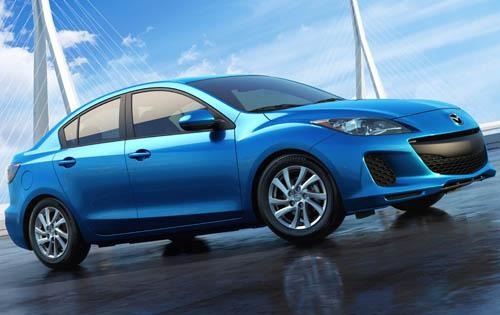
Mazda has quietly become one of the automotive industry's best-kept secrets. While brands like Toyota and Honda receive most of the attention for reliability, Mazda has built an impressive reputation of its own by producing vehicles that combine above-average dependability with engaging handling and attractive styling.
Whether you're shopping for an affordable Mazda3, a sporty MX-5 Miata, a practical CX-5, or a family-friendly CX-9, today's used Mazda lineup offers buyers an appealing combination of reliability, driving enjoyment, and value. In many cases, comparable Mazdas can also be purchased for less than similar Hondas or Toyotas.
Like every manufacturer, however, Mazda has produced both outstanding and less desirable model years. Some older vehicles are known for exceptional longevity, while others have developed recurring mechanical issues that deserve careful attention before purchasing.
This guide compares Mazda's most popular used models, highlights their strengths and common problems, identifies the best years to buy, and helps you choose which used Mazda best fits your needs.
What You'll Learn
- Which used Mazda models have the strongest long-term reliability.
- The best generations of the Mazda3, Mazda6, CX-5, CX-30, CX-50, CX-9, MX-5 Miata, and other popular Mazda models.
- The most common mechanical problems buyers should inspect.
- Which Mazda engines have earned the best reliability reputations.
- How maintenance history affects long-term ownership costs.
- Which used Mazda offers the best overall value today.
Mazda Reliability At A Glance
| Model | Overall Reliability |
|---|---|
| Mazda3 | Excellent |
| Mazda6 | Very Good to Excellent |
| CX-5 | Excellent |
| CX-30 | Very Good to Excellent |
| CX-50 | Very Good |
| CX-9 | Very Good |
| MX-5 Miata | Excellent |
| CX-7 | Good |
| Mazda5 | Good to Very Good |
| RX-8 | Fair to Good* |
*Note: The RX-8's lower reliability rating reflects the specialized maintenance requirements of its rotary engine rather than poor engineering. Properly maintained examples can provide many years of enjoyable ownership, but they require considerably more attention than most other Mazda models.
Bottom Line: Modern Mazda vehicles have become some of the most dependable cars and SUVs on the road. Buyers who choose the right model year and insist on documented maintenance history can often enjoy Toyota- or Honda-like reliability while paying a lower purchase price and enjoying a more engaging driving experience.
If you may be buying a vehicle soon, I'd also recommend reading my most effective negotiation method for used cars. It explains a quick way to identify the dealerships most motivated to deal, no matter how busy they may seem, and how to follow up once you've found them. That can be the difference between getting a good price and getting a great one.
And if you'd consider buying a brand-new vehicle if you could get a lower-than-expected price, learn how to shop the dealer, not just the car.
What Are Mazda's Biggest Reliability Concerns?
Mazda has built many durable vehicles, particularly its newer Skyactiv-powered models, but reliability varies considerably by generation and powertrain. Most of Mazda's serious trouble spots are concentrated in particular engines, transmissions, and older models rather than affecting the brand as a whole.
Used Mazda buyers should pay particular attention to rust and corrosion on some older vehicles, turbocharger and engine problems in the CX-7, rotary-engine wear in the RX-8, and oil consumption or cylinder-head concerns affecting certain newer engines. Some models and years have also experienced infotainment, electrical, transmission, and suspension problems.
Older Mazdas deserve especially careful inspection for corrosion if they have spent much of their lives in areas where road salt is heavily used. On newer Skyactiv models, maintenance history becomes increasingly important when considering turbocharged engines and higher-mileage vehicles.
Buyer Tip: Mazda's overall reliability reputation is strong, but don't assume every used Mazda is equally dependable. Pay attention to the exact model, year, engine, and maintenance history. The individual model sections below explain which generations and years are the strongest choices and where buyers should be more cautious.
Mazda3 Reliability
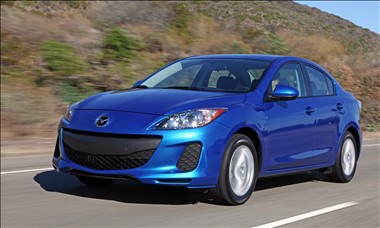
Since its introduction for the 2004 model year, the Mazda3 has been Mazda's best-selling vehicle and one of the most enjoyable compact cars available. Combining sporty handling, attractive styling, upscale interiors, and impressive reliability, the Mazda3 has become one of the easiest used compact cars to recommend.
Over the years, Mazda has continually refined the Mazda3 while maintaining its emphasis on driving enjoyment. Modern Skyactiv-powered models have proven especially dependable and are now among the most reliable compact cars on the market.
2004–2009 (First Generation)
The original Mazda3 immediately earned praise for offering sports-sedan handling at an affordable price. Available as both a sedan and hatchback, it remains popular among used-car buyers today.
Typical Issues
- Rust around wheel wells and rocker panels in northern climates.
- Engine mount wear.
- Suspension component wear.
- Occasional automatic transmission problems.
2010–2013 (Second Generation)
The second-generation Mazda3 became quieter, more refined, and introduced Mazda's excellent Skyactiv engine on selected models beginning in 2012. Reliability improved while fuel economy increased significantly.
Typical Issues
- Occasional electrical problems.
- Engine mount deterioration.
- Premature brake wear on some vehicles.
2014–2018 (Third Generation)
This generation marked a major step forward. Skyactiv engines became standard, interior quality improved dramatically, and overall reliability became one of the strongest in the compact-car segment.
2019–2024 (Fourth Generation)
The fourth-generation Mazda3 introduced a premium-quality interior, available all-wheel drive, and more sophisticated safety technology while maintaining excellent reliability.
2025–Present
Today's Mazda3 continues to blend sporty handling, premium refinement, and excellent fuel economy. Early ownership data continues to support Mazda's outstanding recent reliability record.
| Best Used Mazda3 Years | Recommendation |
|---|---|
| 2012–2013 | Excellent value with early Skyactiv technology. |
| 2015–2018 | Outstanding balance of reliability, efficiency, and driving enjoyment. |
| 2021–Present | Premium feel with one of the strongest reliability records in the class. |
Buyer Tip: If you're shopping for a compact sedan or hatchback, the Mazda3 deserves to be compared directly with the Honda Civic, Toyota Corolla, and Subaru Impreza. It offers one of the sportiest driving experiences in the segment without sacrificing long-term reliability.
For more detailed information on the reliability of the Mazda3, visit our Used Mazda3 Reliability Guide, a more comprehensive look at the model years, engines, common problems, maintenance costs, expected lifespan, and the best years to buy or those to avoid.
Mazda6 Reliability
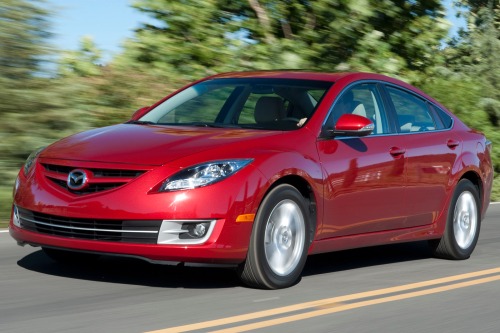
The Mazda6 has always appealed to buyers who wanted a midsize sedan that was more enjoyable to drive than the typical family car. While it never sold in the same numbers as the Honda Accord or Toyota Camry, it consistently earned praise for its responsive handling, attractive styling, and well-built interior.
Mazda discontinued the Mazda6 in North America after the 2021 model year, but it remains an excellent value on the used-car market.
2003–2008 (First Generation)
The first-generation Mazda6 introduced sporty handling to the midsize sedan class and offered a choice of lively four-cylinder and V6 engines.
Typical Issues
- Rust on vehicles operated in northern climates.
- Suspension wear.
- Automatic transmission concerns on some higher-mileage cars.
- Occasional electrical problems.
2009–2013 (Second Generation)
The second generation became larger, quieter, and more refined while continuing Mazda's focus on enjoyable driving dynamics.
Typical Issues
- Power steering concerns on some vehicles.
- Brake wear.
- Suspension component replacement as mileage increases.
2014–2021 (Third Generation)
The final generation transformed the Mazda6 into one of the most upscale mainstream sedans available. Skyactiv engines, premium interior materials, and outstanding reliability made these models especially desirable.
| Best Used Mazda6 Years | Recommendation |
|---|---|
| 2012–2013 | Excellent value in the final years of the second generation. |
| 2016–2021 | Outstanding reliability with premium interior quality. |
Buyer Tip: Buyers looking for an alternative to the Accord or Camry should not overlook the Mazda6. It combines excellent long-term reliability with one of the most rewarding driving experiences in the midsize sedan segment.
For more detailed information on the reliability of the Mazda6, visit our Used Mazda6 Reliability Guide, a more comprehensive look at the model years, engines, common problems, maintenance costs, expected lifespan, and the best years to buy or those to avoid.
Mazda CX-5 Reliability
Introduced for the 2013 model year, the Mazda CX-5 quickly became the brand's best-selling vehicle and remains one of the strongest choices in the compact SUV market. Combining attractive styling, responsive handling, excellent fuel economy, and impressive reliability, the CX-5 has earned a loyal following among buyers who want something more engaging than the typical crossover.
Unlike several competitors that adopted continuously variable transmissions (CVTs), Mazda continued using a conventional automatic transmission paired with its highly regarded Skyactiv engines. That decision has contributed to the CX-5's excellent long-term reliability reputation.
2013–2016 (First Generation)
The first-generation CX-5 immediately impressed reviewers with its nimble handling and outstanding fuel economy. Early models introduced Mazda's Skyactiv technology, which has since become one of the company's greatest strengths.
Typical Issues
- Premature brake wear on some vehicles.
- Infotainment glitches.
- Occasional suspension noises.
- Minor interior trim rattles.
2017–2025 (Second Generation)
The second-generation CX-5 became quieter, more refined, and substantially more upscale. Interior quality rivals many luxury brands, while reliability has remained among the best in the compact SUV segment.
Turbocharged models provide significantly stronger performance, while naturally aspirated versions generally offer the lowest long-term ownership costs.
2026–Present
Current CX-5 models continue Mazda's formula of combining premium design, excellent safety ratings, and proven mechanical components. Early reliability remains excellent.
| Best Used CX-5 Years | Recommendation |
|---|---|
| 2016 | Most refined version of the first generation. |
| 2019–2022 | Outstanding balance of reliability, comfort, and value. |
| 2023–Present | Premium interior with one of the best reliability records in the class. |
Buyer Tip: The CX-5 is one of today's best used compact SUVs. Buyers who prioritize reliability, driving enjoyment, and interior quality should place it high on their shopping list.
Mazda CX-30 Reliability
Introduced for the 2020 model year, the Mazda CX-30 bridges the gap between the Mazda3 and CX-5. It combines the driving manners of a compact car with the practicality and higher seating position many SUV buyers prefer.
Sharing much of its engineering with the fourth-generation Mazda3, the CX-30 has already developed an excellent reliability reputation.
2020–Present (First Generation)
The CX-30 offers a choice of naturally aspirated and turbocharged Skyactiv engines, available all-wheel drive, and one of the nicest interiors in the subcompact SUV class.
Typical Issues
- Occasional infotainment software updates.
- Minor electronic glitches.
- Brake wear consistent with normal maintenance.
| Best Used CX-30 Years | Recommendation |
|---|---|
| 2022–Present | Excellent reliability with improved software and updated features. |
Buyer Tip: If you don't need the extra cargo room of the CX-5, the CX-30 offers a more compact footprint with nearly the same premium feel and excellent reliability.
Mazda CX-9 Reliability
The Mazda CX-9 served as Mazda's flagship three-row SUV from the 2007 through 2023 model years. Unlike many family SUVs, the CX-9 emphasized responsive handling and upscale styling while still offering comfortable seating for up to seven passengers.
Although later replaced by the CX-90, the CX-9 remains an excellent used SUV for buyers seeking a roomy family vehicle with above-average driving dynamics.
2007–2015 (First Generation)
The original CX-9 featured a smooth V6 engine, spacious interior, and good crash-test performance. Overall reliability has been solid, although age-related maintenance becomes increasingly important on higher-mileage examples.
Typical Issues
- Water pump replacement on higher-mileage vehicles.
- Suspension wear.
- Power steering leaks.
- Air conditioning repairs.
2016–2023 (Second Generation)
The redesigned CX-9 became lighter, more fuel efficient, and considerably more luxurious. Powered by Mazda's turbocharged 2.5-liter Skyactiv engine, these models have earned a very good reliability reputation.
| Best Used CX-9 Years | Recommendation |
|---|---|
| 2019–2023 | Outstanding family SUV with premium interior quality and strong reliability. |
Buyer Tip: If you need three rows but don't want the higher purchase price of newer SUVs, the later CX-9 models represent one of the better values in the midsize SUV market.
Mazda CX-50 Reliability
Introduced for the 2023 model year, the Mazda CX-50 was designed to complement—not replace—the popular CX-5. While the CX-5 focuses on everyday comfort and premium refinement, the CX-50 adds a more rugged appearance, additional cargo versatility, and improved light off-road capability.
Built in North America and sharing many proven mechanical components with other recent Mazda models, the CX-50 has quickly developed a strong reputation for quality and reliability.
2023–Present (First Generation)
The CX-50 is available with Mazda's naturally aspirated 2.5-liter Skyactiv four-cylinder engine or a more powerful turbocharged version. Both are paired with a conventional six-speed automatic transmission and standard all-wheel drive.
Although still relatively new, owner experiences have been overwhelmingly positive, with few widespread mechanical concerns reported.
Typical Issues
- Occasional infotainment software updates.
- Minor interior rattles on some early-production vehicles.
- Normal brake wear.
- Few significant mechanical problems reported to date.
| Best Used CX-50 Years | Recommendation |
|---|---|
| 2024–Present | Excellent reliability with early production improvements incorporated. |
Buyer Tip: If you're deciding between a CX-5 and CX-50, choose the CX-50 if you prefer a slightly more rugged appearance, standard all-wheel drive, and occasional outdoor adventures. For most buyers, reliability is excellent with either model.
Mazda MX-5 Miata Reliability
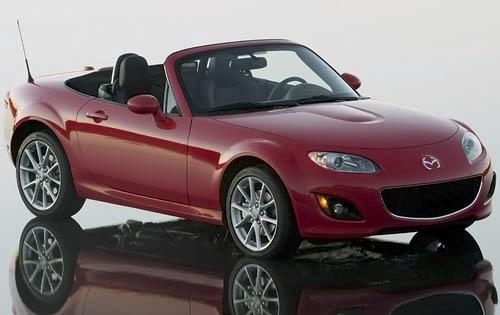
Few sports cars have earned a stronger reputation than the Mazda MX-5 Miata. Since its introduction for the 1990 model year, the Miata has become one of the world's best-selling roadsters thanks to its lightweight design, exceptional handling, affordable operating costs, and impressive reliability.
Unlike many high-performance sports cars, the Miata is remarkably inexpensive to own. Routine maintenance is straightforward, replacement parts are widely available, and many examples have accumulated well over 200,000 miles.
1999–2005 (Second Generation)
The second-generation Miata refined the original formula while adding additional power and improved comfort. Today these cars remain favorites among enthusiasts because of their simplicity and durability.
Typical Issues
- Rust around rocker panels and wheel arches.
- Soft-top wear.
- Ignition coil failures.
- Cooling system maintenance.
2006–2015 (Third Generation)
The third generation became slightly larger and more comfortable while retaining the precise handling that made the Miata famous. Reliability continued to be outstanding.
Typical Issues
- Water pump replacement.
- Manual transmission synchro wear on some higher-mileage vehicles.
- Suspension bushings.
- Soft-top maintenance.
2016–Present (Fourth Generation)
The current Miata returned to a lighter, more compact design while introducing Mazda's efficient Skyactiv engine. It remains one of the finest affordable sports cars available and continues to earn excellent reliability ratings.
| Best Used Miata Years | Recommendation |
|---|---|
| 2009–2015 | Outstanding reliability and everyday usability. |
| 2019–Present | Excellent performance, modern safety features, and exceptional reliability. |
Buyer Tip: If you're shopping for an affordable sports car that's inexpensive to own, few vehicles match the Miata's combination of reliability, handling, and operating costs.
For more detailed information on the reliability of the Mazda MX-5 Miata, visit our Used Mazda MX-5 Miata Reliability Guide, a more comprehensive look at the model years, engines, common problems, maintenance costs, expected lifespan, and the best years to buy or those to avoid.
Mazda CX-7 Reliability
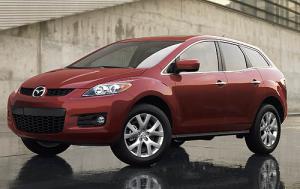
The Mazda CX-7 helped introduce Mazda's sporty driving character to the crossover SUV market. Produced from 2007 through 2012, it offered athletic handling and attractive styling that set it apart from many competitors.
Unfortunately, the CX-7's overall reliability is not as strong as Mazda's more recent SUVs. Buyers should inspect these vehicles carefully before purchasing, particularly models equipped with the turbocharged engine.
Typical Issues
- Turbocharger failures.
- Timing chain wear.
- Oil consumption.
- Transmission concerns.
- Rust on older vehicles.
Buyer Tip: If you're considering a CX-7, prioritize examples with complete maintenance records. Most buyers looking for maximum reliability will be better served by a newer CX-5.
Mazda5 Reliability
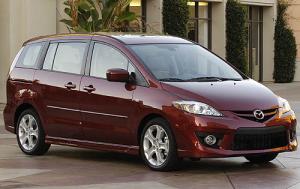
The Mazda5 offered something unique—a compact six-passenger vehicle that combined the practicality of a minivan with the driving manners of a small wagon. Although discontinued after the 2015 model year, it continues to attract buyers seeking affordable family transportation.
Overall reliability has generally been good, although age-related maintenance should be expected on today's higher-mileage examples.
Typical Issues
- Sliding door repairs.
- Suspension wear.
- Rust on early models.
- Automatic transmission maintenance.
Buyer Tip: A well-maintained Mazda5 can be an excellent value for buyers who need occasional third-row seating without the size of a traditional minivan.
Mazda RX-8 Reliability
The RX-8 occupies a unique place in Mazda history. Powered by the company's 1.3-liter Renesis rotary engine, it delivers a driving experience unlike almost any other sports car. Its high-revving engine, balanced chassis, and rear-hinged "freestyle" doors have made it a favorite among enthusiasts.
However, the RX-8 also requires considerably more attention than most Mazda vehicles. While many examples have provided years of dependable service, rotary engines demand proper maintenance and informed ownership.
Typical Issues
- Engine compression loss.
- Flooding during cold starts if improperly shut down.
- Oil consumption is considered normal.
- Ignition coil replacement.
- Catalytic converter failures.
| Best Used RX-8 Years | Recommendation |
|---|---|
| 2009–2011 | Improved reliability over earlier models and the best choice for most buyers. |
Buyer Tip: Never purchase an RX-8 without verifying engine compression and maintenance history. A professional pre-purchase inspection by someone familiar with rotary engines is highly recommended.
Which Used Mazda Should You Buy?
The best used Mazda depends on your driving style, budget, and how you plan to use the vehicle. Fortunately, Mazda has built dependable cars and SUVs in nearly every major segment while maintaining its reputation for producing vehicles that are more enjoyable to drive than many competitors.
| If You Want... | Our Recommendation |
|---|---|
| Best first Mazda | Mazda3 |
| Best midsize sedan | Mazda6 |
| Best compact SUV | CX-5 |
| Best small crossover | CX-30 |
| Best family SUV | CX-9 |
| Best outdoor lifestyle SUV | CX-50 |
| Best sports car | MX-5 Miata |
| Best enthusiast's car | RX-8* |
| Best overall value | 2016–2018 Mazda3 |
*Buyer Note: The RX-8 delivers a unique driving experience, but it is best suited for enthusiasts who understand the maintenance requirements of Mazda's rotary engine.
Buyer Tip: There isn't one perfect Mazda for everyone. Instead, choose the model that best matches your lifestyle, then focus on finding the best-maintained example you can afford.
Buying a Used Mazda: What Matters Most
Mazda has built a strong reputation for reliability, particularly since the introduction of its Skyactiv technology. Even so, choosing the right individual vehicle remains far more important than simply selecting a particular model year.
Maintenance History Is More Important Than Mileage
A Mazda with 170,000 miles and complete maintenance records is often a safer purchase than a neglected vehicle with only 100,000 miles.
- Review maintenance records carefully.
- Verify regular oil changes.
- Confirm cooling system maintenance.
- Inspect suspension and brake components.
- Look for evidence of previous accident repairs.
Choose The Right Engine
Mazda's naturally aspirated Skyactiv-G engines have earned an outstanding reputation for long-term durability. They combine excellent fuel economy with relatively simple mechanical designs that have proven dependable over hundreds of thousands of miles.
Turbocharged models can also provide excellent ownership experiences, but they typically require more diligent maintenance and careful inspection before purchase.
Inspect Older Models Carefully For Rust
If you're considering a Mazda built during the early or mid-2000s, pay particular attention to rust around the wheel wells, rocker panels, rear quarter panels, and underbody. Corrosion is often a more significant concern than mechanical reliability on these older vehicles.
Always Get A Pre-Purchase Inspection
A professional inspection remains one of the smartest investments you can make before purchasing any used vehicle. A qualified technician can identify hidden accident damage, worn suspension components, fluid leaks, deferred maintenance, and other expensive surprises.
Compare Multiple Vehicles
Don't buy the first Mazda you find. Comparing several examples often reveals dramatic differences in maintenance history, overall condition, and value—even among vehicles with similar mileage.
Buyer Tip: Mazda's excellent driving dynamics attract enthusiastic owners, many of whom maintain their vehicles exceptionally well. Take the time to find one of those examples rather than simply choosing the lowest-priced vehicle available.
And I can't stress this enough:
Multiple dealers → compete for your business → you save
Also, please bear in mind even a good price on the vehicle doesn't necessarily mean you're getting a good deal.
There are other numbers besides price that can significantly affect the final out-the-door cost. A well-negotiated selling price can quickly lose its advantage if the dealer makes up for the concession with a below-market trade-in offer. Also, dealer fees and add-ons can further increase the final cost, making it important to learn which fees you must pay, can negotiate, or should avoid.
To become better informed about these important but often-confusing parts of the deal, be sure to see my articles on trade-ins and dealer fees.
Final Verdict
Mazda has quietly become one of today's best used-car values. While the brand may not receive as much attention for reliability as Honda or Toyota, many modern Mazdas have proven every bit as dependable while offering a more engaging driving experience and often a lower purchase price.
Among today's best used Mazdas, the Mazda3 remains the easiest recommendation for most buyers because of its excellent reliability, enjoyable handling, fuel efficiency, and outstanding value. Buyers needing additional space should look closely at the CX-5, while those wanting a larger family SUV will appreciate the CX-9. Driving enthusiasts still can't go wrong with a well-maintained MX-5 Miata.
Regardless of which Mazda you choose, maintenance history, careful inspections, and selecting the right model year remain the keys to long-term ownership satisfaction. Buy wisely, keep up with routine maintenance, and there's an excellent chance your Mazda will reward you with many years of dependable, enjoyable driving.
Your Trade-In
And it's good to always know the value of your trade-in while you're evaluating your next possible purchase. Here's a good source for a quick and accurate appraisal: free trade-in appraisal.