

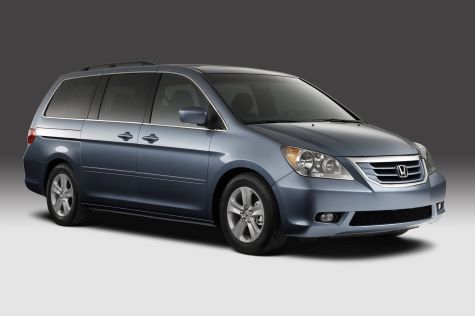
The 2010 Honda Odyssey is one of the better used minivans from its era, offering a spacious interior, comfortable highway ride, strong V6 performance, and the potential for very high mileage. Overall reliability is above average, although buyers need to pay particular attention to maintenance history because several potentially expensive problems become more important as these vans age.
Every 2010 Odyssey is powered by a 3.5-liter V6. The engine is generally durable and capable of exceeding 200,000 miles when properly maintained. Regular oil changes are important, and buyers should verify that the timing belt has been replaced at the appropriate intervals. Because the timing belt drives critical engine components, neglecting this service can turn an otherwise reliable Odyssey into a very expensive repair.
Some EX-L and Touring models use Honda's Variable Cylinder Management (VCM) system, which shuts down cylinders under light loads to improve fuel economy. While the system works well when everything is operating properly, some higher-mileage VCM-equipped Odysseys can experience excessive oil consumption, spark plug fouling, engine mount wear, or vibration. These concerns make maintenance records especially valuable on higher-trim models.
The five-speed automatic transmission is considerably less troublesome than transmissions found in some earlier-generation Odysseys, but it still deserves careful evaluation. Regular fluid changes using the proper Honda fluid can help extend transmission life. During a test drive, shifts should be smooth and consistent without slipping, shuddering, delayed engagement, or harsh gear changes.
The Odyssey's other major consideration is simply that minivans work hard. Many have spent years carrying families, operating in stop-and-go traffic, taking long road trips, and hauling heavy loads. Power sliding doors, suspension components, engine mounts, air conditioning systems, wheel bearings, and interior electronics can all require attention as mileage accumulates.
That doesn't make the 2010 Odyssey a poor used vehicle. In fact, its combination of proven mechanical components, excellent parts availability, and strong long-term durability makes it one of the more appealing older minivans. The key is finding an example that has received consistent maintenance rather than buying solely on price or mileage.
- Overall reliability: Above Average
- Expected lifespan: 225,000 to 300,000+ miles with proper maintenance
- Best choice: Well-maintained example with documented timing belt and transmission service
- Watch for: VCM-related oil consumption, transmission operation, timing belt history, power sliding doors, engine mounts, and suspension wear
Bottom line: The 2010 Honda Odyssey remains one of the better choices for an affordable older minivan. Its 3.5-liter V6 can provide excellent longevity, but buyers should verify timing belt maintenance and carefully evaluate VCM-equipped models for oil consumption and related problems. A properly maintained example can remain useful well beyond 200,000 miles.
- Why it's a good choice: Durable V6 engine, excellent passenger space, comfortable highway ride, strong parts availability, and very good potential lifespan
- Biggest concern: Expensive repairs can accumulate quickly on a neglected high-mileage van
- Best version: A well-maintained Odyssey with complete records and evidence of regular timing belt and transmission servicing
- Buy only if: Maintenance history can be verified, the transmission shifts smoothly, the engine shows no signs of excessive oil consumption, and the van passes a thorough pre-purchase inspection
More On The Odyssey's Reliability, All Model Years
If you'd like to compare this Odyssey model year to the reliability of other model years, be sure to read Honda Odyssey Reliability & Problems: Best Used Models & Years. This comprehensive guide highlights the best years to buy or avoid, common problems, potential maintenance costs, and more, and will likely help you make the right choice for your needs.
Is the 2010 Honda Odyssey a Good Year or One to Avoid?
The 2010 Honda Odyssey is generally a good year to consider rather than one to automatically avoid. It was the final model year of the third-generation Odyssey, which means Honda had several years to refine the design. It also avoids some of the transmission concerns associated with much older Odyssey models.
However, not every 2010 Odyssey represents the same level of risk. VCM-equipped versions deserve additional scrutiny for oil consumption, fouled spark plugs, engine mount problems, and unusual vibration. A van with a questionable maintenance history can also be expensive because timing belt service, suspension repairs, brakes, tires, sliding doors, and other deferred maintenance can easily add thousands of dollars to the true purchase price.
At this age, I would put substantially more weight on maintenance history than mileage. A 150,000-mile Odyssey with documented timing belt replacements, regular transmission fluid changes, and consistent oil service can be a much better purchase than a 100,000-mile van with virtually no records.
Buyer Takeaway: The 2010 Odyssey is a good used-minivan candidate, but buy the individual vehicle rather than simply buying the Honda reputation. Look for extensive maintenance documentation, smooth transmission operation, properly functioning sliding doors, and no evidence of excessive oil consumption. A well-cared-for example can still have many years of useful life remaining.
2010 Honda Odyssey Common Mechanical Problems
The 2010 Honda Odyssey has several known trouble areas, although many involve age, mileage, and the demanding life most minivans experience. Some repairs are relatively minor, while others can become expensive enough to substantially affect whether a particular Odyssey is worth buying.
- VCM-related oil consumption: Some models equipped with Variable Cylinder Management can develop excessive oil consumption as mileage increases. Owners may need to add oil between changes, and operating the engine repeatedly with a low oil level can accelerate internal wear. Check the dipstick before the engine is started and ask specifically whether oil needs to be added between services.
- Spark plug fouling and misfires: Oil consumption on some VCM-equipped engines can contribute to fouled spark plugs and cylinder misfires. Symptoms include rough running, hesitation, an illuminated check-engine light, or stored misfire codes. Replacing plugs may temporarily address the symptom, so repeated plug replacement deserves further investigation.
- Engine mount failure: Active engine mounts help control vibration on VCM-equipped models and can deteriorate with age. Failed mounts may cause noticeable vibration through the steering wheel, seats, or cabin, especially when idling in Drive. Individual mounts are repairable, but replacing several can become expensive.
- Timing belt maintenance: The 3.5-liter V6 uses a timing belt that requires scheduled replacement. This isn't a defect, but it is one of the most important maintenance items to verify. If there is no documentation, assume the service may be due. The water pump, tensioner, and related components are commonly replaced during the same job.
- Automatic transmission wear: The five-speed automatic is generally more dependable than some earlier Honda minivan transmissions, but high-mileage or poorly maintained units can develop shuddering, slipping, delayed engagement, or harsh shifting. Regular fluid changes are valuable, and any abnormal transmission behavior should be investigated before purchasing.
- Power sliding door problems: Sliding-door rollers, cables, motors, latches, and electrical contacts can wear or fail. Doors may hesitate, reverse direction, refuse to close, or make grinding noises. Test both doors repeatedly using the dashboard switches, door handles, and remote control.
- Power steering leaks: Pumps, hoses, seals, and steering racks can develop leaks as the van ages. Low fluid, whining during turns, or fluid underneath the front of the vehicle should be investigated. Some steering repairs are straightforward, while rack replacement can be considerably more expensive.
- Front suspension wear: Control arm bushings, ball joints, sway bar links, struts, and other components eventually wear, particularly on vans regularly carrying passengers and cargo. Clunking over bumps, loose steering, uneven tire wear, or excessive bouncing indicate that suspension repairs may be approaching.
- Wheel bearing wear: A worn wheel bearing typically creates a humming or growling noise that increases with road speed. This is a normal higher-mileage repair rather than a reason to avoid an otherwise good Odyssey, but multiple worn components can add substantially to immediate ownership costs.
- Air conditioning problems: The Odyssey's large cabin places substantial demands on its climate-control system. Compressors, condensers, relays, rear A/C components, and refrigerant lines can eventually fail. Verify that the system provides consistently cold air from both the front and rear vents.
- Brake rotor and caliper wear: The Odyssey's weight can contribute to brake wear, especially when regularly loaded with passengers. Steering-wheel vibration while braking may indicate warped or unevenly worn rotors, while a sticking caliper can cause pulling, excessive heat, or rapid pad wear.
- Catalytic converter and oxygen sensor problems: Higher-mileage vans can eventually develop catalytic converter efficiency codes or oxygen sensor failures. Persistent misfires or oil consumption can also shorten catalytic converter life, potentially making an emissions-related repair considerably more expensive.
- Electrical accessory problems: Door lock actuators, power windows, seat controls, entertainment systems, navigation equipment, and various switches can fail with age. None necessarily makes the van unreliable, but several malfunctioning accessories can become costly to repair.
- Motorized rear liftgate problems: Touring models equipped with a power liftgate can develop worn struts, latch problems, or electrical faults. Make sure the liftgate opens and closes fully without unusual noises or requiring assistance.
The most important thing is to consider these problems collectively. An Odyssey needing one engine mount or a sliding-door roller may still be an excellent purchase. A neglected van needing a timing belt, tires, suspension work, transmission attention, air conditioning repairs, and two malfunctioning sliding doors can become expensive almost immediately.
Buyer Tip: Inspect the Odyssey when the engine is completely cold. Check the oil level before startup, listen for abnormal noises, and drive long enough for the transmission to reach operating temperature. Test both sliding doors several times, run the front and rear air conditioning, and ask specifically for documentation of timing belt and transmission-fluid service. On VCM-equipped models, investigate any history of oil consumption or repeated spark plug replacement.
2010 Honda Odyssey Pros and Cons
The 2010 Odyssey remains popular because it combines genuine family practicality with surprisingly good road manners and strong long-term durability. Its biggest disadvantage is that an older minivan contains a lot of equipment that can eventually wear out, so condition and maintenance history make a substantial difference in ownership costs.
Pros
- Excellent potential longevity: Properly maintained Odysseys routinely accumulate high mileage, making the 2010 model a strong candidate for buyers who intend to keep their vehicle for several years.
- Durable 3.5-liter V6: Honda's V6 provides strong acceleration while offering very good long-term durability when oil and timing belt maintenance are kept current.
- Excellent passenger space: Three usable rows and a flexible seating arrangement make the Odyssey much more practical for families than most midsize SUVs.
- Very useful cargo capacity: Folding and removable seating allows the Odyssey to carry an impressive amount of cargo, making it useful well beyond transporting passengers.
- Comfortable highway vehicle: A smooth ride, good seating position, and strong V6 make the Odyssey particularly well suited to long family trips.
- Good handling for a minivan: Steering and chassis tuning give the Odyssey a more controlled, car-like driving feel than buyers might expect from a large family van.
- Strong parts availability: Honda's popularity means replacement parts are widely available and most independent repair shops are familiar with the Odyssey.
- Strong resale demand: Well-maintained Honda minivans continue to attract buyers even at relatively high mileage, helping protect resale value.
Cons
- VCM-related concerns: Some higher-trim models can experience oil consumption, spark plug fouling, vibration, and engine mount problems associated with the cylinder-deactivation system.
- Timing belt requires periodic replacement: Unlike an engine using a maintenance-free timing chain, the V6 requires an important scheduled timing belt service that can be relatively expensive.
- Sliding doors become troublesome with age: Power doors are extremely convenient when working properly but introduce motors, cables, rollers, switches, and sensors that can eventually fail.
- Fuel economy is only moderate: The V6 and substantial vehicle weight mean fuel consumption is considerably higher than a compact crossover or four-cylinder family sedan.
- Suspension and brake wear: A heavy vehicle regularly carrying several passengers naturally puts greater loads on brakes, tires, wheel bearings, and suspension components.
- High-mileage examples can need several repairs at once: The underlying drivetrain may remain strong while doors, mounts, suspension parts, air conditioning, and electrical accessories simultaneously reach the end of their service lives.
- Clean examples often aren't cheap: Honda's reputation and strong demand for used minivans can keep prices surprisingly high compared with some domestic competitors.
- Maintenance history matters more than the Honda badge: These vans can tolerate high mileage, but buying a neglected Odyssey simply because Honda has a reputation for reliability can be an expensive mistake.
Buyer Takeaway: The 2010 Honda Odyssey is one of the better older minivans to consider if you need substantial passenger and cargo space and want a vehicle capable of very high mileage. The best purchase isn't necessarily the Odyssey with the fewest miles—it's the one with the best maintenance history. A van with documented timing belt service, regular transmission fluid changes, minimal oil consumption, functioning sliding doors, and a clean pre-purchase inspection can still provide years of dependable family transportation.
Your Trade-In
Also, it's good to always know the value of your trade-in while you're evaluating your next possible purchase. Here's a good source for a quick and accurate appraisal: free trade-in appraisal.
Or, there's more on the topic here at KBB versus Edmunds appraisals - which is better.
What's Next?
If you may be buying soon, you may want to take a look at my most effective negotiation method for used cars. It explains a quick way to identify the dealerships most motivated to deal, no matter how busy they may seem, and how to follow up once you've found them. This can be the difference between getting a good price and getting a great one.
Also, if you are interested in learning more about the reliability of other Honda models, be sure to read our Used Honda Reliability & Problems: Best Used Models & Years Guide. This comprehensive guide highlights the best years to buy or avoid, common problems, potential maintenance costs, and more, and will likely help you make the right choice for your needs.