

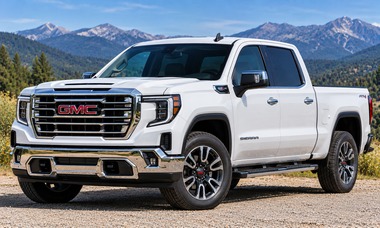
The GMC Sierra can be a durable full-size pickup capable of well over 150,000 miles, but its reliability varies considerably by model year, engine and transmission. Some Sierra powertrains have earned strong reputations for longevity, while others have experienced expensive problems involving cylinder-deactivation lifters, automatic transmissions, oil consumption and, more recently, certain 6.2-liter V8 engines.
That makes engine choice particularly important when shopping for a used Sierra. Two trucks from the same model year can present very different ownership risks depending on whether they have the 5.3-liter V8, 6.2-liter V8, 2.7-liter turbocharged four-cylinder or 3.0-liter Duramax turbo-diesel.
This guide covers GMC Sierra 1500 reliability from 2007 through 2024, concentrating on the problems and powertrains that matter most to used-truck buyers.
In This Guide
- How many miles a GMC Sierra can realistically last
- Reliability differences between Sierra generations
- 5.3-liter and 6.2-liter V8 lifter problems
- 6-speed, 8-speed and 10-speed automatic transmission concerns
- Oil consumption on older V8 engines
- Reliability of the 2.7-liter TurboMax engine
- 3.0-liter Duramax diesel reliability and maintenance
- The 2021–2024 6.2-liter V8 engine-failure recall
- Best Sierra years to buy and years requiring extra caution
- Maintenance and repair costs
However, if you're also considering a new Sierra, you may want to come back to this and take a look at a handy technique that locates the dealer most ready to make concessions.
GMC Sierra Reliability Overview
The GMC Sierra's overall reliability is best described as highly dependent on the particular powertrain. The truck itself is capable of a long service life, and many Sierras remain useful well beyond 150,000 miles. The expensive failures that concern used buyers tend to involve particular engines, transmissions and cylinder-deactivation systems rather than one universal weakness affecting every Sierra.
The 2007–2013 Sierra is relatively simple by modern truck standards, but age is now becoming a major factor. These trucks can develop oil consumption, cylinder-deactivation lifter problems, transmission wear, cooling-system leaks, suspension wear and electrical issues. A well-maintained example can still be a useful truck, but condition matters more than a low odometer reading alone.
The 2014–2018 Sierra brought newer 5.3-liter and 6.2-liter V8 engines along with increasingly sophisticated transmissions. These trucks can deliver excellent performance and fuel economy for a V8 pickup, but used buyers should pay attention to oil consumption, lifter noise and misfires, as well as transmission behavior. The 8-speed automatic used in some versions is particularly important to evaluate for shuddering and harsh shifting.
The 2019–2024 Sierra offers the widest selection of powertrains and is more difficult to judge with one reliability rating. Buyers can choose among V8s, the 2.7-liter turbocharged four-cylinder and the 3.0-liter Duramax inline-six turbo-diesel. The newer trucks are generally more refined, but Dynamic Fuel Management lifter failures have affected some V8s, and certain 2021–2024 Sierras with the 6.2-liter V8 are included in a major engine recall.
GMC Sierra Reliability at a Glance
| Category | GMC Sierra Reliability |
|---|---|
| Overall Reliability | Average to good, but strongly dependent on engine, transmission and maintenance history |
| Expected Lifespan | About 150,000–200,000+ miles with proper maintenance; some well-kept trucks exceed 250,000 miles |
| Major V8 Concern | AFM/DFM cylinder-deactivation lifter problems on certain 5.3L and 6.2L engines |
| Major Transmission Concern | Shudder and harsh shifting on some 8-speed-equipped trucks; other automatics should still be evaluated carefully at higher mileage |
| Late-Model Concern | Certain 2021–2024 6.2L V8 trucks are included in an engine-failure recall |
| Diesel Option | 3.0L Duramax offers excellent economy and strong towing manners but adds diesel emissions equipment and specialized maintenance |
| Best Buying Strategy | Choose by powertrain and maintenance history rather than model year alone |
How Many Miles Can a GMC Sierra Last?
A properly maintained GMC Sierra 1500 can realistically last 150,000 to 200,000 miles, and well-maintained examples can exceed 250,000 miles. Reaching those mileages does not mean the truck will do so without significant repairs. The engine, transmission, suspension, cooling system, four-wheel-drive components and electronics all accumulate wear as mileage rises.
At 100,000 miles, a Sierra can still have substantial useful life remaining. This is the point where maintenance history starts becoming more important than the number on the odometer. Transmission servicing, cooling-system maintenance, oil-change history and evidence of lifter or oil-consumption problems deserve particular attention.
At 150,000 miles, condition and previous repairs become increasingly important. A truck that has already received quality suspension, cooling-system or transmission work may be a better purchase than a lower-mileage Sierra approaching those expenses. On V8 models, unusual ticking, misfires and oil usage should never be dismissed simply because the truck still runs well.
Reaching 200,000 miles is realistic for a good Sierra, particularly when it has been maintained consistently and major problems have been addressed promptly. At this mileage, however, buyers should expect some combination of suspension wear, seals and gaskets, cooling-system repairs, driveline work or transmission-related expenses.
250,000 miles and beyond is possible, but it should be viewed as a sign of an especially well-maintained truck rather than the expected lifespan of every Sierra. A high-mileage Sierra can still be useful, but its maintenance and repair history matter much more than the reputation of the model as a whole.
GMC Sierra Reliability by Generation
Second Generation: 2007–2013 GMC Sierra
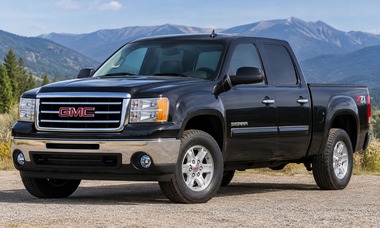
The second-generation 2007–2013 GMC Sierra 1500 is now old enough that individual condition can outweigh small differences between model years. These trucks were available with several engines, but the 5.3-liter V8 is especially common in the used market.
This generation also brought wider use of Active Fuel Management (AFM), GM's cylinder-deactivation system that shuts down selected cylinders during light-load driving. It can improve fuel economy, but its specialized lifters became one of the most important reliability concerns associated with later GM V8 trucks.
Many 2007–2013 Sierras can still provide dependable service, particularly when oil changes were performed consistently and the truck has not suffered from chronic oil consumption or lifter problems. At this age, however, buyers should also expect normal deterioration in suspension, steering, cooling and drivetrain components.
Common Problems on 2007–2013 GMC Sierras
- AFM lifter problems: Cylinder-deactivation lifters on some V8 engines can stick or collapse, causing ticking, rough running, misfires and potentially expensive valvetrain repairs.
- Excessive oil consumption: Some 5.3-liter and other V8 engines can use significant amounts of oil between changes, making regular oil-level checks especially important.
- 6-speed automatic transmission wear: Higher-mileage trucks can develop slipping, delayed engagement, harsh shifts or torque-converter problems that may eventually require major transmission work.
- Oil-pressure problems: A failing oil-pressure sensor or related components can trigger inaccurate readings or warning messages, although genuinely low oil pressure should always be ruled out before assuming the sensor is responsible.
- Cooling-system leaks: Aging water pumps, hoses, radiators and other cooling-system components can cause coolant loss or overheating as these trucks get older.
- Front suspension and wheel-bearing wear: Worn hubs, ball joints, tie rods and other front-end components can produce humming, clunking, looseness or uneven tire wear.
- Four-wheel-drive and transfer-case problems: Higher-mileage 4WD trucks can develop fluid leaks, engagement problems, warning messages or driveline noises that deserve investigation before purchase.
Do 2007–2013 GMC Sierra 5.3L V8 Engines Have Lifter Problems?
Yes, some 2007–2013 Sierra 5.3-liter V8 engines can develop problems with the lifters used by the Active Fuel Management cylinder-deactivation system. This does not mean every 5.3-liter Sierra will experience a failure, but it is an important issue to investigate on a used truck.
A failing or collapsed lifter can produce a noticeable ticking or tapping noise from the engine. It can also prevent a valve from operating correctly, leading to rough running, a persistent misfire, a check-engine light or reduced power.
Because a misfire can have much simpler causes such as an ignition coil or spark plug, proper diagnosis matters. But a persistent cylinder-specific misfire accompanied by valvetrain noise deserves considerably more attention than a routine tune-up issue.
Buyer Tip: Listen to the engine from a cold start and again after it reaches operating temperature. A pronounced valvetrain tick combined with rough running or a recurring misfire should be diagnosed before purchase.
Do Older GMC Sierra V8 Engines Burn Oil?
Some older Sierra V8 engines can consume excessive oil, and a truck that regularly runs low on oil presents considerably more risk than one with a documented history of maintaining the proper level.
Oil consumption can result from more than one condition, so it is too simplistic to attribute every oil-burning Sierra to one particular piston-ring or cylinder-deactivation defect. What matters to a used buyer is whether the truck is consuming an abnormal amount of oil and whether the previous owner monitored it carefully.
Ask whether oil has to be added between changes and inspect the service history when possible. Low oil level can contribute to lubrication problems and can make an already vulnerable valvetrain considerably less forgiving.
Bottom Line: The 2007–2013 Sierra can still be a good older truck, but buy based on condition and maintenance history. A smooth-running, well-maintained V8 with a healthy transmission is far more attractive than a cheaper truck showing lifter noise, oil-consumption symptoms or neglected maintenance.
Third Generation: 2014–2018 GMC Sierra
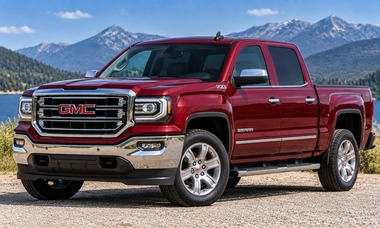
The 2014 redesign introduced a newer generation of GM V8 engines, commonly called EcoTec3 engines. The 5.3-liter V8 remained the volume choice, while the more powerful 6.2-liter V8 was available in higher-output configurations.
These trucks can be excellent highway vehicles and capable tow vehicles, but they introduced another important used-Sierra consideration: transmission choice. Depending on model year and configuration, buyers may encounter a 6-speed or 8-speed automatic.
The 8-speed can provide quick shifts and improved efficiency when operating correctly, but shuddering and harsh or inconsistent shifts became significant owner complaints. A careful test drive is therefore particularly important on an 8-speed-equipped Sierra.
Common Problems on 2014–2018 GMC Sierras
- AFM lifter and valvetrain problems: Some 5.3-liter and 6.2-liter V8s can develop collapsed lifters, ticking, misfires or other valvetrain problems related to the cylinder-deactivation system.
- Oil consumption: Some V8 engines use noticeable amounts of oil between changes, making the truck's oil-change and oil-level history particularly important when buying used.
- 8-speed transmission shudder: Some 8-speed-equipped trucks develop a vibration during steady-speed driving that can feel like driving over rumble strips and may involve the transmission fluid or torque converter.
- Harsh or delayed transmission shifts: Rough low-speed shifts, delayed engagement and inconsistent shifting are worth checking carefully on both a cold and fully warmed test drive.
- Air-conditioning condenser leaks: Refrigerant leaks from the condenser can cause weak or completely inoperative air conditioning and are a known repair concern on this generation.
- Cooling-system repairs: Water pumps, thermostats, hoses and other cooling components can begin requiring attention as mileage increases.
- Suspension and wheel-bearing wear: Hubs, shocks, ball joints and other chassis components can produce noise, looseness or poor tire wear as these trucks accumulate mileage.
Why Do 2014–2018 GMC Sierra V8 Engines Burn Oil?
Some 2014–2018 Sierra 5.3-liter and 6.2-liter V8 engines develop noticeable oil consumption, but there is not one cause that should automatically be blamed on every truck. Piston-ring sealing, cylinder-deactivation operation, crankcase ventilation and general engine wear can all affect oil consumption.
For a used buyer, the practical question is how much oil the particular truck uses and whether the owner kept the oil level properly maintained.
Ask the seller directly whether oil has to be added between changes. A vague answer such as "they all use some oil" should not end the investigation. Check the dipstick, look through available service records and pay attention to evidence that the truck has repeatedly been operated low on oil.
A Sierra that uses some oil but has been carefully monitored may be very different from one that has repeatedly run several quarts low.
Are the 8-Speed Transmissions on 2015–2018 GMC Sierras Reliable?
The 8-speed automatic used in some 2015–2018 GMC Sierras deserves careful evaluation because shuddering, harsh shifts and torque-converter-related complaints have been common enough to become a major used-truck concern.
One of the most recognizable symptoms is a vibration or shudder during steady-speed driving that can feel somewhat like driving over rumble strips. Some trucks also exhibit harsh low-speed shifts, delayed engagement or inconsistent shifting when cold.
GM issued service information addressing torque-converter shudder and transmission-fluid concerns, and revised fluid procedures improved some trucks. That makes repair history particularly valuable. A truck that previously exhibited shudder but received the appropriate service and has remained symptom-free is different from one currently vibrating during a test drive.
Buyer Tip: Test-drive an 8-speed Sierra both cold and fully warmed. Include low-speed stop-and-go driving and steady cruising where torque-converter shudder is easier to detect.
Bottom Line: The 2014–2018 Sierra can be a strong used truck, but don't shop these years by appearance and mileage alone. Engine oil usage, lifter history and transmission behavior can make two otherwise similar trucks very different purchases.
Fourth Generation: 2019–2024 GMC Sierra
The redesigned 2019–2024 Sierra provides more powertrain choices than the earlier generations. Along with the familiar 5.3-liter and 6.2-liter V8 engines, GMC introduced a 2.7-liter turbocharged four-cylinder that later adopted the TurboMax name, as well as a 3.0-liter Duramax inline-six turbo-diesel.
The V8 cylinder-deactivation system also evolved. Many newer V8 trucks use Dynamic Fuel Management (DFM), which can deactivate different combinations of cylinders rather than operating primarily between four and eight cylinders as the older system did.
This generation can provide excellent performance, towing capability and everyday comfort, but powertrain selection matters considerably. Lifter problems remain an important V8 concern, the 6.2-liter requires special attention because of a major engine recall affecting certain trucks, and the diesel adds emissions-system and specialized maintenance considerations.
Common Problems on 2019–2024 GMC Sierras
- DFM lifter failures: Some 5.3-liter and 6.2-liter V8s can develop collapsed cylinder-deactivation lifters, causing ticking, rough running, misfires and sometimes bent pushrods.
- 6.2-liter V8 internal engine failures: Certain 2021–2024 trucks are included in a safety recall involving connecting-rod and crankshaft manufacturing defects that can cause engine damage or sudden loss of propulsion.
- Transmission shifting problems: Some trucks can exhibit harsh shifts, hesitation, delayed engagement or other inconsistent behavior, although the newer 10-speed should not simply be given the same reputation as the earlier 8-speed.
- 3.0-liter Duramax emissions-system problems: Diesel particulate filter, DEF and selective-catalytic-reduction system faults can produce warning messages, reduced performance or expensive repairs, particularly as mileage increases.
- Cooling-system problems: Coolant leaks, thermostat-related problems and other cooling-system faults can occur on some late-model trucks and should not be ignored if coolant level repeatedly drops.
- Infotainment and electrical glitches: Some owners encounter screen, connectivity, camera, sensor or other electronic problems that may require software updates or component replacement.
- Recall and campaign history: Late-model Sierra buyers should check the VIN rather than relying solely on model year because important engine recalls and service campaigns apply only to particular trucks.
Which GMC Sierra Years Are Most Affected by AFM and DFM Lifter Failures?
GMC Sierra V8 lifter problems span both the older Active Fuel Management era and the newer Dynamic Fuel Management era, but the systems and failure patterns should not be treated as identical across every 2007–2024 truck.
On newer 5.3-liter and 6.2-liter V8s, a collapsed lifter can cause a pronounced ticking noise, rough running and a cylinder misfire. A bent pushrod may accompany the failure. GM has issued service information addressing collapsed lifters and bent pushrods on affected late-model V8 applications.
One reason the issue attracts so much attention is the potential repair cost. What initially appears to be a simple misfire may require substantial valvetrain work if a cylinder-deactivation lifter has failed.
A check-engine light with a misfire code does not automatically mean the engine has suffered a lifter failure. Spark plugs, ignition coils, injectors and other faults can also cause misfires. But a persistent misfire accompanied by a strong mechanical tick should be investigated before buying the truck.
What Causes Sudden Engine Failure on Some 2021–2024 GMC Sierra 6.2L V8s?
Certain 2021–2024 GMC Sierra 1500s equipped with the 6.2-liter V8 are included in a GM safety recall involving potential internal engine damage and loss of propulsion.
The issue is separate from the better-known cylinder-deactivation lifter problem. GM identified manufacturing defects involving connecting-rod and/or crankshaft components that can lead to internal engine damage. Problems identified during the investigation included rod-bearing damage associated with sediment contamination and crankshafts that did not meet dimensional or surface-finish specifications.
A severely affected engine can develop knocking, lose power or fail completely. Because this is a VIN-specific recall, a buyer should not assume that every 6.2-liter Sierra from these years is affected—or that a truck is clear simply because it currently runs normally.
Buyer Tip: Before purchasing a 2021–2024 Sierra with the 6.2-liter V8, check the VIN for open recall status and determine what inspection or corrective work has been completed. Documentation matters more than a seller's assurance that "the truck has never had a problem."
Is the GMC Sierra 2.7L TurboMax Engine Reliable?
The 2.7-liter turbocharged four-cylinder can be a reasonable Sierra engine choice and should not automatically be considered less reliable simply because it is smaller and turbocharged. It was engineered specifically for truck duty and produces substantial low-rpm torque despite having four cylinders.
Its reliability considerations differ from those of the V8s. It avoids the V8 cylinder-deactivation lifter architecture that concerns many 5.3-liter and 6.2-liter buyers, but it adds turbocharging, direct injection and a more complex cooling strategy.
For buyers who do not require the sound, maximum towing configuration or traditional character of a V8, a well-maintained 2.7-liter truck can therefore be worth considering rather than automatically dismissed in favor of the 5.3-liter.
Long-term maintenance history is becoming increasingly important as the earliest versions accumulate mileage. Consistent oil changes are especially important on a turbocharged engine.
What Are the Common Reliability Issues on the GMC Sierra 3.0L Duramax Diesel?
The 3.0-liter Duramax inline-six turbo-diesel has generally developed a favorable reputation for fuel economy, low-rpm torque and smooth highway operation, but it is more complex to maintain than a gasoline Sierra.
The first version, introduced for the 2020 Sierra, and the later revised version should not be treated as completely identical. Both use modern diesel emissions equipment, including a diesel particulate filter and selective catalytic reduction system. Trucks that spend most of their lives making very short trips may be less suited to this type of emissions system than trucks regularly driven long enough to complete normal regeneration cycles.
Diesel buyers should also understand the engine's oil-pump-drive-belt maintenance requirement. The belt is internal to the engine and is a scheduled maintenance item rather than a conventional external accessory belt. The recommended service interval differs between the earlier and later versions, so the correct maintenance schedule should be checked for the particular truck rather than assuming every 3.0-liter Duramax uses the same interval.
The diesel can be an excellent choice for drivers who accumulate substantial highway mileage or value its towing characteristics, but buyers should budget for diesel-specific maintenance and emissions-system repairs as the truck ages.
Are the 10-Speed Transmissions on Newer GMC Sierras Reliable?
The 10-speed automatic used in newer Sierras should not simply be given the same reputation as the earlier 8-speed. Although owners have reported harsh shifts, hesitation and other transmission complaints on some trucks, the well-known shudder problem associated with earlier 8-speed Sierras should not automatically be attributed to every 10-speed.
Software calibration can influence shift quality, particularly on a sophisticated transmission with many gear ratios. At the same time, persistent slipping, severe banging shifts, delayed engagement or repeated transmission warnings should not be dismissed as normal behavior.
During a test drive, allow the transmission to operate through a wide range of conditions: cold operation, stop-and-go traffic, moderate acceleration and highway cruising.
Is the 2024 GMC Sierra Reliable?
The 2024 GMC Sierra is too new for a definitive long-term durability verdict, but it is not too new for buyers to identify important reliability differences between its available powertrains.
The 6.2-liter V8 deserves the most immediate attention because certain 2024 trucks are included in GM's engine-failure recall. A buyer considering one should check the VIN and verify the truck's recall status rather than relying on the model year alone.
Certain 2024 trucks with the 5.3-liter V8 were also involved in a GM customer-satisfaction program addressing possible engine-block oil-gallery contamination, making service and campaign history worth checking on that engine as well.
The 2.7-liter TurboMax and 3.0-liter Duramax provide alternatives for buyers who do not specifically need a V8. Neither should be described as trouble-free, but their potential problems differ substantially from the V8 lifter and 6.2-liter recall concerns.
Buyer Tip: On a 2024 Sierra, don't ask only whether the model year is reliable. Identify the engine first, then check that specific truck's VIN, recall history and service records.
Bottom Line: The 2019–2024 Sierra can be a very capable used truck, but this is the generation where the statement "powertrain matters" is especially important. The best choice depends on how the truck will be used and whether its particular engine and transmission have a clean, documented history.
What Are the Best GMC Sierra Years to Buy?
For most used buyers, the best GMC Sierra years are well-maintained examples with a proven powertrain and documented service history rather than one universally superior model year. That said, some years and configurations are easier to recommend than others.
2011–2013 GMC Sierra
The later years of the 2007–2013 generation can be appealing if you want a relatively straightforward full-size truck and can find one that has been maintained properly.
At this age, however, I would place more weight on condition than whether the truck is a 2011, 2012 or 2013. A clean 2011 with extensive maintenance records can easily be a better purchase than a neglected 2013 with lower mileage.
The 5.3-liter V8 remains common and parts availability is excellent, but check carefully for oil consumption, lifter noise and transmission condition.
2017–2018 GMC Sierra
The 2017–2018 Sierra can be a good choice for buyers who like the styling and features of the 2014–2018 generation but want one of its later model years.
Powertrain choice still matters. I would be more comfortable with a truck whose transmission operates smoothly and has documented service history than one selected simply because it has the more desirable trim or larger engine.
On trucks equipped with the 8-speed automatic, specifically check for shudder, harsh shifts and evidence of previous transmission-fluid or torque-converter work.
2020 and Newer GMC Sierra
Later Sierras provide much newer safety, technology and comfort features along with a broader selection of engines. They can be excellent trucks, but I would shop them by powertrain rather than assuming newer automatically means more reliable.
The 2.7-liter turbocharged four-cylinder is worth considering for buyers who do not require a V8, while the 3.0-liter Duramax can be particularly attractive for drivers who accumulate substantial highway mileage and value diesel fuel economy and low-rpm torque.
With a 5.3-liter or 6.2-liter V8, I would pay closer attention to cylinder-deactivation lifter history. With a 2021–2024 6.2-liter truck, I would also verify its VIN-specific engine-recall status before going any further with the purchase.
Best Overall Choice: There isn't one Sierra configuration I would recommend to every buyer. For someone who wants a conventional V8, a well-documented truck with a smooth transmission and no evidence of lifter or oil-consumption problems is more important than chasing a particular year. Buyers open to other engines should also seriously consider the 2.7-liter TurboMax and 3.0-liter Duramax rather than automatically choosing the 5.3-liter or 6.2-liter V8.
Knowing which Sierra model years to concentrate on is step 1. Step 2 is knowing how to actually get a good used Sierra price.
Which GMC Sierra Years Should You Avoid?
I wouldn't automatically avoid an entire GMC Sierra model year, but several groups deserve considerably more scrutiny because of expensive powertrain problems.
2007–2013 Sierras With Poor Maintenance History
These trucks are now old enough that neglect can be more important than the original model-year reliability record.
A high-mileage Sierra with documented oil changes, transmission servicing and previous repairs may still be useful. A lower-mileage truck with no records, low oil on the dipstick, valvetrain ticking or questionable transmission behavior can be a much greater risk.
I would be particularly cautious about a V8 that has a persistent misfire, obvious mechanical ticking or a seller who acknowledges substantial oil consumption but treats it as normal.
2015–2018 Sierras With a Shuddering 8-Speed Transmission
I would not buy an 8-speed Sierra that currently exhibits obvious torque-converter shudder or severe shifting problems without first having the condition properly diagnosed.
Some transmission complaints were improved through revised fluid procedures and other repairs, but a test drive is not the time to assume an obvious shudder will be solved inexpensively after you buy the truck.
A truck with documented previous service that now shifts smoothly is a different proposition from one that is currently vibrating, slipping or banging into gear.
2019–2021 V8 Sierras With Lifter Symptoms
Late-model 5.3-liter and 6.2-liter trucks deserve extra attention for cylinder-deactivation lifter symptoms. A strong ticking noise, rough running or persistent misfire should be diagnosed before purchase.
Don't let the relatively young age of the truck convince you that a mechanical engine noise must be minor.
2021–2024 Sierras With the 6.2L V8
I would not automatically avoid every 2021–2024 Sierra with the 6.2-liter V8, but I would not buy one without checking its VIN-specific recall status and repair history.
The engine-failure recall makes this different from an ordinary internet reliability complaint. Determine whether the particular truck is affected and what inspection or corrective action has been completed.
A properly addressed truck with complete documentation should be evaluated differently from one with an unresolved recall or uncertain history.
Buyer Takeaway: The Sierra has too many engine and transmission combinations for a simple "avoid these years" list to tell the whole story. The particular powertrain and its history matter at least as much as the year printed on the title.
Which GMC Sierra Engine Is the Most Reliable?
There is no single Sierra engine that is clearly the most reliable for every model year and every type of buyer. The best choice depends on whether you prioritize simplicity, towing performance, fuel economy or avoidance of particular known problems.
The 5.3-liter V8 is by far one of the most familiar Sierra engines and benefits from widespread parts availability and technician experience. Many have accumulated very high mileage. Its drawback is the history of cylinder-deactivation lifter problems and oil consumption on certain versions.
The 6.2-liter V8 provides excellent power and is particularly appealing in upscale or towing-oriented trucks, but it would not be my automatic reliability choice. In addition to cylinder-deactivation concerns, certain 2021–2024 trucks are affected by the internal-engine recall discussed earlier.
The 2.7-liter TurboMax avoids the V8 cylinder-deactivation lifter system and delivers much more low-speed torque than buyers sometimes expect from a four-cylinder engine. It is more mechanically sophisticated than an old naturally aspirated truck engine, but that alone does not make it an inferior reliability choice.
The 3.0-liter Duramax is attractive for highway driving, towing and fuel economy. The engine itself has developed a generally favorable reputation, but the complete ownership picture includes diesel emissions equipment and specialized maintenance that gasoline-engine buyers do not have to consider.
For a used buyer, I would choose the best-maintained example of the appropriate powertrain rather than selecting an engine solely from its reputation. A carefully serviced 5.3-liter is a better bet than a neglected diesel, and a documented TurboMax can be a better purchase than a V8 already showing lifter symptoms.
How Much Does a GMC Sierra Cost to Maintain and Repair?
Routine GMC Sierra maintenance is generally comparable to other full-size pickups, but major engine and transmission repairs can quickly become expensive. Four-wheel drive, diesel engines, large wheels and higher-end trims can also increase ownership costs.
The following are broad independent-shop estimates. Actual prices vary considerably by model year, engine, drivetrain, location and the extent of the repair.
| Service or Repair | Typical Estimated Cost |
|---|---|
| Oil and filter change | $80–$150 |
| Diesel oil and filter service | $120–$220 |
| Brake pads and rotors | $500–$1,000 per axle |
| Spark plugs | $250–$500 |
| Water pump | $600–$1,200 |
| Wheel bearing/hub assembly | $400–$800 each |
| Transmission fluid service | $250–$500 |
| Transfer-case service | $150–$300 |
| AFM/DFM lifter repair | $2,000–$4,500+ |
| Torque converter replacement | $1,800–$3,500+ |
| Major automatic transmission repair/replacement | $4,000–$7,000+ |
| Diesel emissions-system repair | $500–$3,000+ depending on component |
| Major V8 engine repair/replacement | $6,000–$12,000+ |
Is a GMC Sierra Expensive to Maintain?
A GMC Sierra is not unusually expensive to maintain for a full-size pickup, but it is considerably more expensive to own than a typical passenger car when major repairs are included.
Routine oil changes, filters, spark plugs and fluid services are relatively predictable. Costs rise because the Sierra is a large truck with heavier brakes, larger tires, more drivetrain components on four-wheel-drive models and powertrains capable of generating expensive repair bills.
The diesel deserves separate consideration. Its fuel economy can be excellent, particularly during highway use, but diesel emissions components and specialized service can offset some of those savings as the truck ages.
Buyer Tip: On a used Sierra, documented major repairs can sometimes be an advantage rather than a reason to reject the truck. A properly completed lifter, transmission, cooling-system or suspension repair may represent an expense you won't immediately have to absorb yourself.
Bottom Line: Budget according to the Sierra you're buying. An older 5.3-liter two-wheel-drive work truck and a newer four-wheel-drive Denali with a 6.2-liter V8 have very different potential ownership costs even though both carry the Sierra name.
In addition, your trade-in allowance, if you are doing that, will also affect the overall potential cost analysis of moving into a Sierra (KBB versus Edmunds Appraisals - Which Is Better).
GMC Sierra Used-Truck Inspection Checklist
In addition to the normal used-truck inspection items, pay particular attention to these potential GMC Sierra-specific trouble spots. The most important checks depend on the model year, engine and transmission, so make sure the inspection addresses the particular Sierra you're considering.
- Listen to V8 engines carefully for lifter noise: Start the truck completely cold and listen for pronounced ticking or tapping. A persistent mechanical tick accompanied by rough running or a misfire deserves diagnosis before purchase.
- Check the V8 for stored or active misfire faults: A check-engine light or recurring cylinder-specific misfire can have several causes, but on an AFM- or DFM-equipped V8 it should not automatically be dismissed as a spark-plug or ignition-coil problem.
- Check the engine-oil level before the test drive: A low dipstick reading can be particularly important on older 5.3-liter and 6.2-liter trucks. Ask whether the owner routinely adds oil between changes.
- Test an 8-speed Sierra for torque-converter shudder: Drive at steady moderate speeds after the transmission has warmed up. A repeated vibration that resembles driving over rumble strips deserves further investigation.
- Evaluate every transmission both cold and warm: Pay attention to delayed engagement, slipping, severe low-speed shifts, banging into gear or abnormal hesitation. Do not assume pronounced shift problems are simply normal truck behavior.
- Check 2021–2024 6.2-liter trucks by VIN: Verify whether the particular Sierra is included in the engine-failure recall and obtain documentation showing what inspection or corrective work has been completed.
- Check late-model V8 service history for previous lifter work: If lifters or pushrods have already been replaced, find out exactly what was repaired, when it was performed and whether the work is documented.
- Inspect 3.0-liter Duramax trucks for emissions warnings: Check for current or previous diesel particulate filter, selective catalytic reduction, DEF or other emissions-system warnings. Repeated short-trip operation can be particularly relevant to diesel emissions-system health.
- Verify Duramax maintenance requirements: Determine which version of the 3.0-liter diesel is installed and confirm the applicable maintenance schedule, including the internal oil-pump-drive-belt service requirement.
- Check four-wheel-drive operation: Verify that the transfer case engages properly and listen for abnormal noises or binding. Fluid leaks or driveline vibration deserve investigation.
- Listen for front-end noise: Clunks, humming or looseness can point to worn wheel hubs, ball joints, tie rods or other suspension and steering components, particularly on higher-mileage trucks.
- Look closely at how the truck was used: Heavy towing, commercial use, snowplow duty, extensive off-road use or substantial modifications can matter as much as mileage. A 70,000-mile truck can have lived a much harder life than one showing 120,000 miles.
GMC Sierra Pros and Cons
| Pros | Cons |
|---|---|
| Strong towing and hauling capability | AFM/DFM lifter problems affect some V8s |
| Wide choice of gasoline and diesel engines | Some 8-speed trucks have significant shudder problems |
| 5.3L V8 has excellent parts and service availability | Certain 2021–2024 6.2L engines are subject to a major recall |
| 3.0L Duramax offers excellent highway fuel economy | Diesel emissions systems add complexity and repair expense |
| TurboMax provides strong torque without the V8 lifter architecture | Major engine and transmission repairs can be very expensive |
| Many well-maintained Sierras exceed 200,000 miles | Reliability varies considerably by powertrain and maintenance history |
GMC Sierra Alternatives to Consider
Ford F-150: The Ford F-150 is the Sierra's most obvious alternative and offers an equally broad selection of engines and configurations. Reliability also varies significantly by powertrain, so compare the particular F-150 engine and transmission rather than treating every version as interchangeable.
Chevrolet Silverado 1500: The Silverado is mechanically very closely related to the Sierra and shares many of the same engines, transmissions and potential reliability concerns. It can be useful to shop both because condition, equipment and price may matter more than whether the truck wears a GMC or Chevrolet badge.
Toyota Tundra: An older naturally aspirated V8 Tundra can be attractive to buyers who prioritize a simpler powertrain and long-term durability, although clean examples often command strong used prices. Newer turbocharged Tundras are mechanically very different and should be evaluated separately from the older V8 trucks.
Ram 1500: The Ram 1500 offers an especially comfortable ride and appealing interior, but used buyers should investigate the reliability of the particular engine, transmission, air suspension and electrical equipment fitted to the truck.
Final Verdict: Is a Used GMC Sierra a Good Truck to Buy?
Yes, a used GMC Sierra can be a very good truck to buy, but I would choose one by engine, transmission and maintenance history rather than relying on the Sierra name or model year alone. The basic truck is capable of a long service life, and 200,000 miles is realistic for a properly maintained example.
Older 2007–2013 Sierras can still make useful and relatively affordable trucks, but age, oil consumption, lifter condition and transmission wear deserve close attention. The 2014–2018 generation offers newer features and strong V8 performance, although the 8-speed transmission used in some trucks is an important reason to insist on a thorough test drive.
The 2019–2024 generation gives buyers more choices. The 2.7-liter TurboMax is worth considering rather than automatically dismissing a four-cylinder in a full-size truck, while the 3.0-liter Duramax can be an excellent highway and towing engine for an owner prepared for diesel-specific maintenance. The V8s remain appealing, but lifter history matters, and certain 2021–2024 6.2-liter trucks require careful attention to the engine-failure recall.
Whatever Sierra you choose, I would rather buy a slightly higher-mileage truck with excellent records, smooth drivetrain operation and evidence of attentive ownership than a lower-mileage example with an uncertain past. On a Sierra, knowing exactly which powertrain you're buying—and how it has been maintained—is one of the most important parts of getting a reliable used truck.
Your Trade-In
It's good to always know the value of your trade-in while you're evaluating your next possible purchase. Here's a good source for quick and accurate appraisals: free trade-in appraisals.