

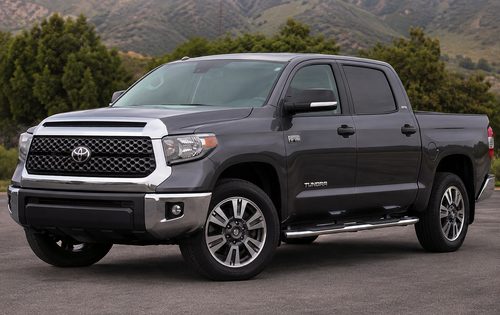
Which Toyota Tundra years are the most reliable? Which years should you avoid? And if you're shopping for a used Tundra, which engine and model years offer the best combination of durability, capability, and long-term value?
The Toyota Tundra has earned an excellent reputation for long-term reliability, particularly when equipped with Toyota's naturally aspirated V8 engines. Well-maintained examples regularly exceed 200,000 miles, and 250,000-300,000 miles is realistic for particularly good trucks.
But not every Tundra is equally desirable. Early trucks are now old enough that frame corrosion, timing-belt history, suspension wear, and previous use can matter more than mileage. The second generation introduced Toyota's highly regarded 5.7-liter V8, but certain model years have their own issues involving secondary air injection components, water pumps, cam towers, and other expensive repairs.
This guide covers Toyota Tundra model years from 2000 through 2021, including reliability by generation, common problems, engine differences, years to avoid or inspect carefully, repair costs, expected lifespan, and the best years to buy.
Why does this guide stop at 2021? The 2021 model year marked the end of the second-generation Tundra and Toyota's long-running naturally aspirated V8 era. The completely redesigned 2022 Tundra introduced twin-turbocharged V6 powertrains, an available hybrid system, and an entirely different platform. Because those trucks have a different reliability history and considerably less long-term mileage data, we've kept this guide focused on the 2000-2021 Tundras with the longest-established track records.
In This Guide You'll Learn
- How reliable the Toyota Tundra is over the long term
- Which Toyota Tundra years are the best choices
- Which Tundra years require extra inspection
- The most common problems by generation
- Which Toyota Tundra engines are the most reliable
- What to know about the 4.7-liter V8 timing belt
- Why the 5.7-liter V8 has such a strong reliability reputation
- Why frame corrosion matters on older Tundras
- Which high-mileage repairs buyers should anticipate
- How much common Tundra repairs can cost
- How long a Toyota Tundra can realistically last
However, if you are also considering the purchase of a brand new Tundra or other vehicle, before you start negotiating you may want to take a look at how I approach buying a new car near or even below invoice, or at least at the best possible price during a period of high demand.
Is the Toyota Tundra Reliable?
Overall, the 2000-2021 Toyota Tundra is one of the more reliable full-size pickup trucks you can buy used.
A major reason is Toyota's powertrain strategy during these years. Instead of frequently replacing engines with dramatically different designs, Toyota relied heavily on naturally aspirated engines with established durability records.
The first-generation Tundra's 4.7-liter V8 is particularly well regarded. It's smooth, relatively straightforward, and capable of extremely high mileage when properly maintained. Its most important scheduled-maintenance requirement is the timing belt.
The second generation eventually brought Toyota's 5.7-liter V8, which became the engine most closely associated with the full-size Tundra. It offers considerably stronger performance and towing capability while retaining excellent long-term durability.
The transmissions paired with these engines are generally strong as well. On a properly maintained Tundra, catastrophic engine and transmission failures aren't normally the first things we'd expect as mileage increases.
Instead, high-mileage ownership often involves the components surrounding the basic drivetrain: water pumps, cooling-system components, wheel bearings, suspension parts, brakes, starters, alternators, 4WD hardware, seals, and other wear items.
Rust is another major consideration, particularly on older trucks that have spent years in areas where road salt is heavily used. A Tundra can have an engine capable of another 100,000 miles while the frame underneath it has deteriorated enough to make the truck a poor purchase.
Bottom Line: The 2000-2021 Tundra has an excellent overall reliability record. The engines are a major strength, but frame condition, maintenance history, previous towing or off-road use, and accumulated age-related repairs should determine whether an individual truck is worth buying.
Reliability at a Glance
| Category | Our Assessment |
|---|---|
| Overall Reliability | Excellent |
| Strong First-Generation Years | 2003-2006 |
| Strong Second-Generation Years | 2014-2021 |
| Years Requiring Extra Inspection | 2000-2002 due largely to age and corrosion; 2007-2011 for early second-generation issues |
| Most Proven Older V8 | 4.7-liter V8 |
| Best Overall V8 | 5.7-liter V8 |
| Most Important Older-Truck Concern | Frame and underbody corrosion |
| Expected Lifespan | 250,000-300,000+ miles with excellent maintenance |
Buyer Tip: Don't automatically choose the lowest-mileage Tundra you can afford. A 170,000-mile truck with a clean frame and extensive maintenance history may be a much better long-term purchase than a 90,000-mile example with serious corrosion or years of neglected maintenance.
Reliability by Generation
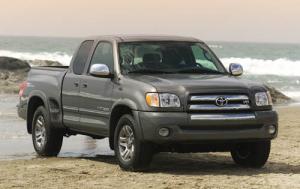
2000-2006: First-Generation Toyota Tundra
The first-generation Tundra arrived for the 2000 model year and established Toyota as a serious competitor in the American full-size pickup market.
Compared with today's full-size trucks, the original Tundra is relatively compact and mechanically straightforward. That's part of what makes clean examples appealing today.
Buyers could choose between a 3.4-liter V6 and Toyota's 4.7-liter V8, with the V8 becoming the engine most buyers associate with this generation.
Both can provide excellent longevity, but these trucks are now roughly two decades old or more. At this age, condition matters enormously.
3.4-Liter V6
The naturally aspirated 3.4-liter V6 offered in early Tundras is a durable engine with a strong reputation across several Toyota trucks and SUVs.
It can accumulate very high mileage with proper maintenance, but performance is modest for a full-size pickup, particularly if the truck is used for frequent towing or hauling.
Like the 4.7-liter V8, the 3.4-liter V6 uses a timing belt. Service history therefore matters when evaluating one today.
The V6 can make sense for a buyer who finds an exceptionally clean truck and doesn't need the additional power of the V8, but we'd generally favor the 4.7-liter V8 when overall condition is comparable.
4.7-Liter V8
The naturally aspirated 4.7-liter V8 is the standout engine in the first-generation Tundra and one of Toyota's most highly regarded truck engines.
It delivers smooth power, useful torque, and excellent longevity. Properly maintained examples can exceed 200,000 miles without major internal engine repairs, and 300,000-mile engines aren't out of the question.
The main maintenance item buyers need to understand is the timing belt.
Unlike the timing-chain-equipped 5.7-liter V8 that arrived with the second-generation Tundra, the 4.7-liter uses a timing belt that requires periodic replacement.
Because much of the labor overlaps, the water pump and related timing components are commonly serviced at the same time.
When buying a used 4.7-liter Tundra, don't simply ask the seller whether the timing belt was replaced. Ask for documentation showing when the work was performed.
Buyer Tip: A first-generation Tundra with documented recent timing-belt and water-pump service may be worth paying more for. If there is no documentation, factor that maintenance into what you're willing to pay.
First-Generation Frame Corrosion
Engine reliability shouldn't be the first thing you inspect on an older Tundra. The frame should be.
Corrosion became a significant concern on certain first-generation trucks, particularly those operated in cold-weather areas where road salt is frequently used.
Toyota previously established inspection and frame-related programs for certain affected Tundras. Depending on the truck and its history, previous corrosion treatment or even frame replacement may have occurred.
That means two identical-year Tundras can have dramatically different long-term prospects.
A truck from a dry climate with a solid original frame can be extremely desirable. Another with fewer miles but severe structural corrosion can be a vehicle we'd walk away from immediately.
Where to Check for Tundra Rust
- Main frame rails
- Crossmembers
- Suspension mounting points
- Leaf-spring mounting areas
- Rear frame sections
- Body mounting points
- Brake and fuel lines
- Areas showing previous welding or repair
- Sections covered by fresh undercoating
Fresh undercoating isn't automatically a problem. It may represent responsible corrosion protection. But on an older truck, we'd want to know what's underneath it.
Buyer Tip: Have an older Tundra inspected on a lift before buying. Serious structural rust can matter far more than whether the engine has 120,000 or 180,000 miles.
Lower Ball Joint Wear
Front suspension components deserve particular attention on older first-generation Tundras.
Lower ball-joint wear can become a serious safety concern if deterioration is ignored. Toyota previously recalled certain first-generation Tundras for front suspension lower ball-joint concerns.
When evaluating one today, check the vehicle's history and have the front suspension inspected for looseness, damaged boots, abnormal tire wear, steering play, or evidence of overdue suspension repairs.
This is especially important on trucks fitted with larger-than-stock wheels, oversized tires, or suspension modifications.
Common 2000-2006 Tundra Problems
- Frame and underbody corrosion
- Timing-belt maintenance on V6 and V8 engines
- Lower ball-joint and suspension wear
- Exhaust manifold cracking or exhaust leaks on some V8 trucks
- Valve-cover and other oil leaks with age
- Water pump and cooling-system repairs
- Wheel bearing wear
- Starter and alternator replacement at higher mileage
- Brake-system repairs
- 4WD actuator or engagement problems
- Electrical and air-conditioning repairs as trucks age
Bottom Line: The first-generation Tundra can be an excellent older pickup, particularly with the 4.7-liter V8. But these trucks should now be purchased primarily on frame condition, maintenance history, and overall preservation rather than mileage alone.
2000-2002: Earliest Tundras Require More Inspection
We wouldn't automatically avoid the earliest Tundras, but we'd inspect them more carefully than later first-generation trucks.
Age is the biggest reason. These vehicles have now had more than two decades to accumulate corrosion, suspension wear, oil leaks, cooling-system deterioration, previous repairs, and deferred maintenance.
The first years of a new model also tend to give manufacturers less time to refine smaller production and component issues.
A well-preserved 2001 with a clean frame and extensive service records can still be an excellent truck. We simply wouldn't choose one over an equally good later first-generation example without a compelling reason.
2003-2006: Our Preferred First-Generation Years
For someone specifically seeking a first-generation Tundra, we'd concentrate on 2003-2006.
These later trucks retain the relatively straightforward design and excellent 4.7-liter V8 while benefiting from several years of production experience.
Later first-generation models also received various updates during the generation, making them somewhat more attractive as everyday vehicles.
Again, however, the model year should never override condition. A rust-free and meticulously maintained 2002 is preferable to a neglected 2006 with structural corrosion.
Bottom Line: We'd start our first-generation search with 2003-2006 trucks, preferably with the 4.7-liter V8 and documented timing-belt maintenance.
2007-2021: Second-Generation Toyota Tundra
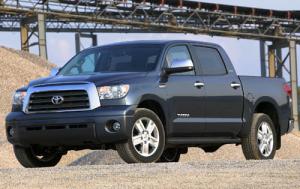
Toyota completely redesigned the Tundra for 2007, transforming it into a much larger and more capable full-size pickup.
This generation is particularly important to used buyers because it remained in production for an unusually long time. A 2007 and a 2021 Tundra belong to the same basic generation, but there are meaningful differences in age, equipment, refinement, and the likelihood of accumulated repairs.
The engine lineup evolved over the years, but the two V8 engines most relevant to today's used buyer are the 4.6-liter and 5.7-liter.
The 5.7-liter V8 became the signature Tundra engine and is our preferred powertrain for most buyers.
5.7-Liter V8
The naturally aspirated 5.7-liter V8 is one of the biggest reasons the 2007-2021 Tundra has such a loyal following.
It provides strong acceleration and towing capability while developing an excellent high-mileage reputation.
Unlike the older 4.7-liter V8, the 5.7-liter uses timing chains rather than a scheduled-replacement timing belt. That eliminates one significant maintenance item.
The engine isn't particularly fuel efficient, but Toyota prioritized displacement, naturally aspirated power, and relatively conservative engineering during an era when other manufacturers increasingly adopted smaller turbocharged engines and more complicated fuel-saving technology.
For buyers planning to keep a truck for many years, that simplicity is part of the appeal.
It's entirely realistic to find 5.7-liter Tundras with well over 200,000 miles still operating on their original engines and transmissions.
That doesn't make the engine perfect. Water pumps can leak, cam-tower areas can develop oil seepage or leaks, secondary air injection components can fail on some earlier trucks, and normal high-mileage repairs still occur.
But the basic engine has an excellent durability record.
Buyer Tip: Don't let 150,000 miles automatically eliminate a 5.7-liter Tundra from consideration. We'd be more interested in maintenance history, frame condition, transmission operation, previous towing, and whether expensive age-related repairs have already been addressed.
4.6-Liter V8
The naturally aspirated 4.6-liter V8 joined the Tundra lineup as a replacement for the earlier 4.7-liter in certain configurations.
It's also a durable engine and can be a good choice for someone who doesn't need the maximum towing capability of the 5.7-liter.
However, the fuel-economy advantage isn't dramatic enough that we'd specifically seek out the smaller V8 if an equally good 5.7-liter truck were available.
The 5.7-liter's stronger performance, widespread availability, and excellent longevity make it our preferred second-generation engine.
Secondary Air Injection System Problems
One of the more notable concerns on some earlier second-generation V8 Tundras involves the secondary air injection system.
The system helps reduce emissions during cold starts. Pumps, valves, and related components can fail, potentially triggering warning lights and placing the vehicle into a reduced-power operating mode.
Repairs can become expensive because of component costs and labor.
The issue doesn't affect every Tundra, and later trucks received revisions. But if you're considering an earlier 5.7-liter Tundra, we'd check service records for previous secondary air injection repairs and scan the truck for stored diagnostic codes.
Cam-Tower Oil Leaks
Another issue buyers may encounter on 5.7-liter V8 Tundras is oil leakage or seepage around the cam-tower sealing surfaces.
A small amount of seepage isn't the same as a major active leak, but repairing a significant cam-tower leak can involve substantial labor.
This makes the issue worth identifying before purchase, particularly on a truck being sold at a premium price.
During an inspection, look for oil residue around the upper engine and ask the mechanic to distinguish between minor seepage and a leak substantial enough to justify repair.
Buyer Tip: Don't automatically reject a high-mileage 5.7-liter Tundra because you see a little oil residue. Determine where it's coming from and what it would actually cost to correct before making a decision.
Water Pump and Cooling-System Repairs
Water pumps are another maintenance item that can appear as mileage accumulates on second-generation Tundras.
Watch for dried coolant residue, active leakage, coolant odor, abnormal engine temperature, or unexplained coolant loss.
A water-pump replacement isn't evidence that the 5.7-liter V8 is unreliable. It's the type of component that may eventually require replacement during a very long vehicle lifespan.
2007-2011: Early Second-Generation Tundras
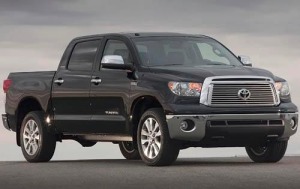
The 2007-2011 trucks can be excellent used pickups, especially when equipped with the 5.7-liter V8, but we'd inspect these years somewhat more carefully than later second-generation models.
They represent the earliest years of the redesign and are now old enough that suspension, cooling-system, braking, electrical, and corrosion-related issues can accumulate.
These are also the years where we'd pay particular attention to the secondary air injection system and previous repair history.
None of that means a clean 2008 or 2010 Tundra should automatically be avoided. A well-maintained early truck can still provide many years of service.
Bottom Line: We'd consider 2007-2011 Tundras, but we'd be more selective and would place substantial value on maintenance records and a thorough pre-purchase inspection.
2012-2013: Mature Pre-Refresh Tundras
By 2012 and 2013, the second-generation Tundra had been in production for several years, and these trucks can represent a very good balance between price and proven reliability.
The 5.7-liter V8 remained the engine we'd favor, particularly for buyers who tow or simply want the strongest and most widely available powertrain.
These years can sometimes be overlooked because they don't have the updated exterior and interior styling introduced for 2014.
For a value-oriented buyer, that can work in your favor. If appearance matters less than condition and price, a well-maintained 2012 or 2013 can be an excellent purchase.
2014-2021: Our Preferred Second-Generation Years
The Tundra received a substantial appearance and interior refresh for 2014 while retaining the basic proven mechanical foundation underneath.
That combination makes 2014-2021 models particularly attractive used trucks.
By this point, the second-generation Tundra was a mature platform, the 5.7-liter V8 had years of real-world experience behind it, and buyers received a more contemporary interior and exterior without abandoning the naturally aspirated V8 drivetrain.
Later examples also benefit from being younger, reducing some of the age-related deterioration that now affects early second-generation trucks.
For buyers specifically seeking the traditional V8 Tundra formula, 2014-2021 is where we'd concentrate much of the search.
Common 2007-2021 Tundra Problems
- Secondary air injection system failures on some earlier V8 trucks
- Cam-tower oil seepage or leaks on some 5.7-liter V8 engines
- Water pump and cooling-system repairs
- Frame and underbody corrosion in salt-heavy climates
- Wheel bearing wear
- Suspension bushing and ball-joint wear
- Brake and caliper repairs
- 4WD actuator or engagement problems
- Starter and alternator replacement at higher mileage
- Electrical, infotainment, and accessory problems as trucks age
- Normal oil and coolant leaks at very high mileage
Buyer Tip: Used Tundras are frequently purchased for towing. When considering a high-mileage truck, ask what it was used to tow and inspect the transmission, cooling system, brakes, rear suspension, hitch, and drivetrain accordingly.
Bottom Line: The 2007-2021 Tundra is one of the stronger used full-size pickups for long-term ownership. We'd give 2014-2021 particular consideration, especially with the 5.7-liter V8, while earlier trucks deserve somewhat more scrutiny for age, corrosion, and certain expensive engine-related components.
What Are The Best Toyota Tundra Years to Buy?
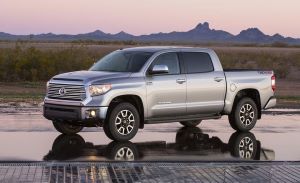
The best Toyota Tundra years depend on your budget and whether you prefer the smaller first-generation truck or the larger and considerably more powerful second generation.
If long-term reliability is the priority, we'd put particular emphasis on later examples from each generation. For most buyers, however, the 2014-2021 Tundra with the 5.7-liter V8 represents the strongest combination of proven durability, capability, age, and refinement.
| Model Years | Why We Recommend Them |
|---|---|
| 2003-2006 | Our preferred first-generation years. The 4.7-liter V8 is extremely durable, but timing-belt history and frame condition are critical. |
| 2012-2013 | Strong value choices for buyers who don't need the 2014 styling and interior updates. The 5.7-liter V8 is our preferred engine. |
| 2014-2017 | Excellent combination of the refreshed design and proven second-generation mechanicals. Particularly attractive with the 5.7-liter V8. |
| 2018-2021 | Among our favorite Tundra years overall. These later trucks combine the mature second-generation platform with the proven naturally aspirated 5.7-liter V8 and fewer age-related concerns. |
Buyer Tip: Don't assume the newest or lowest-mileage Tundra is automatically the best purchase. We'd rather own a meticulously maintained 2016 with 140,000 miles than a neglected 2020 with 80,000 miles and an incomplete service history.
Bottom Line: For an older and less expensive Tundra, we'd look closely at 2003-2006 trucks with the 4.7-liter V8. For most buyers, 2014-2021 models with the 5.7-liter V8 are our preferred choices, with 2018-2021 particularly attractive if the budget allows.
Which Toyota Tundra Years Should You Avoid or Inspect Carefully?
There aren't many 2000-2021 Tundra years we'd automatically tell every buyer to avoid. The more useful approach is identifying periods where particular problems, age, or corrosion justify additional inspection.
This distinction matters because a carefully maintained Tundra from a less desirable year can be a much better purchase than a neglected example from one of our recommended years.
| Model Years | Why Extra Inspection Is Important |
|---|---|
| 2000-2002 | Not inherently unreliable, but these earliest trucks are now old enough that frame corrosion, suspension deterioration, timing-belt history, cooling-system condition, and previous repairs deserve particular attention. |
| 2007-2011 | Early second-generation trucks deserve additional scrutiny for frame condition, secondary air injection system problems on some V8s, water-pump leakage, and accumulated age-related repairs. |
| Any Rust-Belt Tundra | Regardless of model year, substantial frame or structural corrosion can outweigh an otherwise excellent drivetrain. |
| Heavily Modified or Heavily Towed Trucks | Suspension lifts, oversized tires, hard off-road use, and frequent heavy towing can accelerate wear on suspension, steering, wheel bearings, brakes, and drivetrain components. |
We'd be particularly careful about treating 2007-2011 as outright "bad years." The 5.7-liter V8 itself can be extremely durable, and many trucks from this period have accumulated very high mileage.
The concern is that an early second-generation truck can combine several potential expenses at once. A buyer might encounter secondary air injection repairs, oil leaks, a water pump, suspension work, brakes, or corrosion even though the basic engine and transmission remain healthy.
Buyer Tip: Don't reject an early Tundra solely because of its model year. Use the year to identify what needs additional inspection, then judge the individual truck.
Bottom Line: We'd inspect 2000-2002 and 2007-2011 Tundras more carefully rather than automatically avoiding them. Serious frame corrosion is a much stronger reason to walk away than the model year itself.
Which Toyota Tundra Engine Is Most Reliable?
The 2000-2021 Tundra was fortunate to receive several durable engines, but two V8s stand above the rest: the 4.7-liter V8 and 5.7-liter V8.
If we had to choose one overall, we'd give the advantage to the naturally aspirated 5.7-liter V8 used extensively throughout the second generation.
4.7-Liter V8
The naturally aspirated 4.7-liter V8 is one of Toyota's classic high-mileage engines.
Its reputation isn't based simply on internet enthusiasm. These engines have spent decades accumulating substantial mileage in Toyota trucks and SUVs, and a properly maintained example can remain mechanically healthy well beyond 200,000 miles.
The major maintenance consideration is the timing belt. Unlike the later 5.7-liter V8, the 4.7-liter requires periodic timing-belt replacement.
That shouldn't discourage you from buying one. It simply means maintenance documentation matters.
If you're considering a 4.7-liter Tundra without evidence of recent timing-belt service, we'd factor the cost of that work into the purchase price.
5.7-Liter V8
The naturally aspirated 5.7-liter V8 is our favorite overall Tundra engine from the 2000-2021 period.
It combines strong torque, substantial towing capability, timing-chain construction, and an excellent long-term reliability record.
It's also an engine that suits the size of the second-generation Tundra particularly well. The truck doesn't need turbochargers or unusually complicated powertrain technology to produce strong acceleration and towing performance.
Fuel economy is the obvious tradeoff. The 5.7-liter Tundra can be thirsty, particularly in city driving or when towing.
For someone shopping specifically for long-term durability, however, that may be an acceptable compromise.
High-mileage 5.7-liter engines can develop water-pump leaks, oil seepage, secondary air injection problems on some earlier trucks, and other age-related issues. None of these should be confused with poor basic engine durability.
Buyer Tip: A 5.7-liter Tundra with 150,000 miles shouldn't automatically concern us. A 150,000-mile Tundra with poor maintenance records, significant rust, transmission problems, or evidence of years of extremely heavy towing would.
What About the Tundra V6?
The naturally aspirated 3.4-liter V6 used in early Tundras is also a durable engine, but it provides substantially less power than the V8s.
It can make sense in a clean and inexpensive truck used for relatively light-duty work, but we wouldn't specifically seek it out when comparable V8 trucks are available.
The V8 engines better match the Tundra's size and capabilities, particularly for towing.
Bottom Line: The 4.7-liter V8 is an excellent durability choice in a first-generation Tundra. Overall, however, we'd choose the 5.7-liter V8 for its combination of longevity, power, towing capability, timing-chain design, and enormous real-world high-mileage history.
Toyota Tundra Repair & Maintenance Costs
The Tundra's reputation for reliability doesn't mean it's inexpensive to maintain forever.
It's a full-size truck with large brakes, heavy-duty suspension components, large tires, and a substantial drivetrain. Routine maintenance can be reasonable, but replacing several worn components at once on a high-mileage truck can become expensive.
| Maintenance or Repair | Typical Cost |
|---|---|
| Oil change | $70-$130 |
| Brake pads and rotors | $500-$1,000+ |
| Wheel bearing replacement | $450-$900+ |
| 4.7-liter V8 timing belt and water pump | $900-$1,500+ |
| Water pump replacement | $700-$1,400+ |
| Shock replacement | $600-$1,400+ |
| Major suspension work | $1,000-$2,500+ |
| Secondary air injection system repair | $1,000-$3,000+ depending on components and labor |
| Major transmission repair or replacement | $4,000-$7,000+ |
These are general budgeting ranges rather than repair quotes. Actual prices vary considerably by model year, drivetrain, location, labor rates, parts selection, and whether the work is performed by a Toyota dealer or independent repair shop.
Structural corrosion is particularly difficult to price. Minor surface corrosion treatment and extensive frame repair are completely different situations. Severe structural corrosion can make walking away from the truck more sensible than attempting to repair it.
Buyer Tip: Don't spend your entire budget buying the Tundra. A high-mileage truck may have an excellent engine and transmission while still needing several thousand dollars in tires, brakes, suspension work, cooling-system repairs, or other maintenance during the next few years.
How Long Does a Toyota Tundra Last?
A properly maintained 2000-2021 Toyota Tundra can realistically last 250,000-300,000 miles, and particularly well-maintained examples can travel considerably farther.
This is one of the vehicles where 100,000 miles shouldn't automatically be viewed as high mileage.
Even 150,000 miles can represent a reasonable used purchase when the truck has a strong maintenance history, a healthy frame, and no evidence of major drivetrain problems.
The 4.7-liter and 5.7-liter V8 engines are particularly well suited to long-term ownership. In many cases, the components surrounding the engine will require substantial maintenance before the basic engine itself reaches the end of its useful life.
Typical Tundra Lifespan
- 100,000 miles: Relatively routine for a properly maintained Tundra.
- 150,000 miles: Still a reasonable used purchase when maintenance and condition are strong.
- 200,000 miles: A realistic expectation for a good truck.
- 250,000 miles: Very achievable with consistent maintenance and timely repairs.
- 300,000+ miles: Realistic for particularly well-maintained Tundras.
That doesn't mean a Tundra reaches 300,000 miles with nothing more than oil changes.
Wheel bearings, suspension components, water pumps, starters, alternators, cooling-system parts, seals, brakes, 4WD components, and other wear items may require replacement along the way.
Frame corrosion can also determine the useful lifespan of an older Tundra before the engine does.
Bottom Line: We'd consider 250,000 miles a realistic lifespan for a well-maintained Tundra, while 300,000 miles or more is entirely possible. Maintenance and frame condition matter much more than simply reaching a particular odometer reading.
What Usually Needs Attention After 100,000 Miles?
Once a Tundra passes 100,000 miles, maintenance history becomes increasingly important.
A well-maintained truck may have already received major fluid services, brakes, cooling-system work, suspension components, and other wear items. Another truck with identical mileage may still be running worn original components that will become the next owner's responsibility.
- Review engine oil-change history.
- Check transmission fluid service history.
- Inspect differential and transfer-case fluids.
- Inspect coolant and cooling-system components.
- Check spark-plug replacement history.
- Verify timing-belt history on the 4.7-liter V8 and early 3.4-liter V6.
- Inspect the water pump for leakage.
- Check the 5.7-liter V8 for significant oil seepage or leaks.
- Check wheel bearings for noise or play.
- Inspect shocks, bushings, ball joints, and control arms.
- Inspect brake pads, rotors, calipers, and brake lines.
- Check CV boots and axles on four-wheel-drive trucks.
- Test the four-wheel-drive system.
- Inspect driveshaft and U-joint condition.
- Check the frame and underbody carefully for corrosion.
Buyer Tip: Don't automatically view a long repair history negatively. A 160,000-mile Tundra that recently received a water pump, brakes, shocks, wheel bearings, tires, and other wear components may be a better purchase than a 120,000-mile truck that still needs all of them.
Buying a Used Toyota Tundra: What Matters Most?
The Tundra's strong reliability reputation and resale value can cause buyers to overlook problems they wouldn't tolerate on another used truck.
Don't make that mistake.
A Toyota badge doesn't eliminate the effects of neglected maintenance, structural rust, hard towing, off-road abuse, accident damage, or poorly installed modifications.
The individual truck matters more than the reputation of the model.
Before You Buy
- Inspect the frame thoroughly for structural corrosion.
- Check frame rails, crossmembers, and suspension mounting points.
- Look for previous welding or structural repairs.
- Determine whether any previous frame inspection, treatment, or replacement was performed where applicable.
- Review maintenance and repair records.
- Check engine oil level and condition.
- Inspect for oil and coolant leaks.
- Verify timing-belt history on applicable engines.
- Inspect the 5.7-liter V8 for cam-tower oil leakage.
- Check early V8 trucks for secondary air injection system history.
- Test the automatic transmission from a cold start.
- Check for slipping, shuddering, harsh shifts, or delayed engagement.
- Test the four-wheel-drive system where equipped.
- Inspect wheel bearings and suspension components.
- Check brakes and tires carefully.
- Look for evidence of frequent heavy towing.
- Inspect the underside for evidence of hard off-road use.
- Evaluate aftermarket lifts, wheels, tires, and other modifications.
- Check accident and ownership history.
- Check the VIN for outstanding recalls.
- Have an independent mechanic perform a pre-purchase inspection.
Buyer Tip: On an older Tundra, we'd strongly prefer an inspection with the truck on a lift. It provides a much better view of the frame, crossmembers, suspension mounting points, leaks, drivetrain components, and previous repairs than you can get looking underneath in a driveway.
Pros & Cons of Buying a Used Toyota Tundra
Pros
- Excellent overall reliability
- 250,000-300,000+ miles possible with proper maintenance
- Excellent 4.7-liter V8 durability
- Outstanding 5.7-liter V8 longevity and performance
- Generally durable automatic transmissions
- Strong towing capability
- Relatively straightforward naturally aspirated V8 powertrains
- Excellent parts availability
- Large number of Toyota-experienced independent repair shops
- Strong resale value
- 2014-2021 models combine a mature platform with the proven 5.7-liter V8
Cons
- Used prices can be high because of the Tundra's reputation
- Fuel economy is poor with the larger V8 engines
- Frame corrosion can be serious on older trucks
- 4.7-liter V8 requires timing-belt maintenance
- Secondary air injection repairs can be expensive on some earlier V8 trucks
- Cam-tower oil leaks can involve substantial labor
- Large brakes, tires, and suspension components can be expensive to replace
- Older trucks may have accumulated substantial towing or work-related wear
- Modified trucks can have accelerated suspension and drivetrain wear
Final Verdict
The 2000-2021 Toyota Tundra is one of the stronger choices for someone looking for a used full-size pickup with a proven long-term reliability record.
The first-generation Tundra is particularly appealing to buyers who prefer a somewhat smaller and mechanically straightforward truck. The 4.7-liter V8 is an excellent engine capable of extremely high mileage, although timing-belt maintenance and frame condition are critical considerations today.
Among those trucks, we'd concentrate primarily on 2003-2006 models, while remaining willing to buy an earlier example if its condition and maintenance history are exceptional.
The second-generation Tundra is where Toyota's full-size truck really came into its own. The naturally aspirated 5.7-liter V8 provides the power expected from a full-size pickup while establishing an excellent record for long-term durability.
Early 2007-2011 trucks can still be very good purchases, but we'd inspect them more carefully for secondary air injection problems, cooling-system repairs, oil leaks, corrosion, and other age-related expenses.
The 2012-2013 trucks can offer excellent value, particularly for buyers who care more about mechanical condition than having the refreshed styling introduced for 2014.
For most used-Tundra shoppers, however, we'd start with 2014-2021. These trucks combine a mature second-generation platform, the proven 5.7-liter V8, more contemporary styling and interiors, and fewer age-related concerns than the earliest trucks.
The 2018-2021 models are particularly attractive if your budget allows, and the 2021 Tundra represents the end of Toyota's long-running naturally aspirated V8 era.
That doesn't mean the completely redesigned 2022-and-newer Tundra should be avoided. It means those trucks use fundamentally different twin-turbocharged V6 and available hybrid powertrains and have a separate reliability history. Buyers shouldn't assume that the long-term record of the older V8 Tundra automatically applies to the newer generation.
Regardless of year, don't buy a Tundra based solely on its reputation. Inspect the frame, review maintenance records, consider how the truck was previously used, and have an independent mechanic examine it before purchase.
Choose carefully, and a 2000-2021 Toyota Tundra can realistically provide 250,000-300,000 miles or more of service, making the V8-era Tundra one of the most compelling long-term used full-size pickup choices.
Your Trade-In
Also, it's good to always know the value of your trade-in while you're evaluating your next possible purchase. Here's a good source for a quick and accurate appraisal: free trade-in appraisal.
What's Next?
If you may be buying soon, I'd recommend reading my most effective negotiation method for used cars. It explains a quick way to identify the dealerships most motivated to deal, no matter how busy they may seem, and how to follow up once you've found them. That can be the difference between getting a good price and getting a great one.
Also, beware of "Dealer Fees": Before agreeing to a dealer's numbers, see which dealer fees are legitimate, which can be negotiated, and which can be avoided.
And still comparing Toyota models? See our Toyota reliability guide for the best used Toyota models and years, common problems to watch for, and how the major Toyota models compare.