

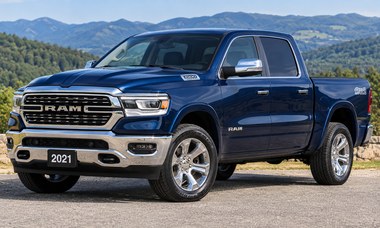
The Ram 1500 can be a dependable, long-lasting full-size pickup, with many well-maintained examples reaching 200,000 miles or more. It offers strong engines, excellent ride comfort, impressive towing capability, and some of the nicest interiors in the pickup market. However, Ram 1500 reliability varies considerably by model year, engine, transmission, and equipment.
Some versions are relatively straightforward to maintain, while others have expensive potential problems involving Hemi lifters and camshafts, EcoDiesel engines, air suspension, or electronics. Knowing which versions to concentrate on can make a substantial difference in your long-term ownership costs.
This guide covers 2002–2024 Dodge Ram 1500 and Ram 1500 pickups. Dodge Ram was the name used on older trucks, while Ram later became a separate brand. We'll also distinguish the newer Ram 1500 from the previous-generation Ram 1500 Classic, which remained available alongside it.
In This Guide
- Which Ram 1500 model years are the best used buys
- Which years and engines deserve more careful inspection
- How reliable the 5.7-liter Hemi and 3.6-liter Pentastar engines are
- What Hemi tick means and when it signals a serious problem
- How the EcoDiesel, transmissions, and air suspension compare
- How many miles a Ram 1500 can realistically last
- What to expect from maintenance and repair costs
Or, Looking For "New"?
If you're also considering a new Ram 1500, you may want to come back to this and take a look at a handy technique that locates the dealer in your area most ready to make price concessions.
Ram 1500 Reliability Overview
The Ram 1500 is a good used truck when you choose the right powertrain and individual vehicle. Its reliability record is mixed rather than uniformly excellent, but plenty of Rams provide long service lives. The most important differences involve engine choice, transmission generation, optional suspension equipment, and previous maintenance.
The 5.7-liter Hemi V8 is one of the Ram's biggest attractions. It provides strong acceleration and towing capability and can last well beyond 200,000 miles. However, some engines develop expensive lifter and camshaft problems, while exhaust-manifold leaks can produce a similar ticking noise.
The 3.6-liter Pentastar V6, introduced for the 2013 model year, is another appealing option. It offers sufficient performance for many owners and avoids certain Hemi-specific problems. It isn't trouble-free, particularly regarding oil-cooler and filter-housing leaks, but it deserves serious consideration from buyers who don't need maximum towing capability.
The 3.0-liter EcoDiesel V6 offers impressive fuel economy and low-speed torque. Its emissions equipment and diesel-specific components, however, make it a more complicated and potentially expensive vehicle to maintain as mileage increases.
Transmission choice also matters. The eight-speed automatic introduced during the fourth generation is generally one of the stronger components in later Ram 1500 powertrains. Older automatic transmissions have more variable reliability histories.
Finally, Ram's available four-corner air suspension provides excellent ride comfort and useful adjustable ride height, but conventional coil springs are simpler and generally less expensive to maintain over the long term.
Bottom Line: A well-maintained gasoline Ram 1500 with the eight-speed automatic and conventional suspension is one of the most attractive combinations for buyers prioritizing long-term dependability.
Ram 1500 Reliability at a Glance
- Overall reliability: Mixed to good, depending on the engine, transmission, equipment, and maintenance history.
- Best older years: 2006–2008, provided rust, transmission condition, and maintenance history are satisfactory.
- Best fourth-generation years: 2017–2018, particularly gasoline models with the eight-speed automatic.
- Best newer years: 2021–2024, with careful attention to equipment, recalls, and service history.
- Most proven V8: 5.7-liter Hemi, although lifter and camshaft problems require attention.
- Good V6 alternative: 3.6-liter Pentastar, especially for buyers with modest towing requirements.
- Engine requiring extra caution: 3.0-liter EcoDiesel because of its emissions systems and potential repair costs.
- Preferred transmission: Later eight-speed automatic.
- Preferred suspension: Conventional coil springs for reduced long-term complexity.
- Expected lifespan: Approximately 200,000–250,000 miles with good maintenance; exceptional trucks may exceed 300,000 miles.
What Are the Best Ram 1500 Model Years to Buy?
The best used Ram 1500 years generally come from the more mature stages of each generation. However, a well-maintained truck from a less desirable year can still be a better purchase than a neglected example from a preferred year.
2006–2008 Dodge Ram 1500: Best Older Budget Choices
These later third-generation trucks offer traditional full-size pickup capability at relatively affordable prices. The 5.7-liter Hemi provides strong performance, while the available 4.7-liter V8 can also provide useful service when properly maintained.
At this age, rust, transmission condition, cooling-system maintenance, and previous towing matter more than small differences among model years. A clean, documented 2007 truck may be a much better purchase than a neglected 2008.
Best for: Buyers seeking an inexpensive older pickup who are comfortable with age-related maintenance.
2017–2018 Ram 1500: Best Proven Modern Choices
The 2017–2018 Ram 1500 is one of my favorite starting points for used-truck shoppers. These are mature fourth-generation models, and both the 3.6-liter Pentastar V6 and 5.7-liter Hemi V8 were available with the desirable eight-speed automatic.
The Hemi is attractive for buyers who tow or want strong acceleration. The Pentastar is worth considering for everyday driving and lighter-duty work. Conventional coil-spring suspension reduces the number of expensive components that may eventually need attention.
Best for: Buyers wanting a comfortable, capable, well-developed pickup without the additional complexity of the newest generation.
2021–2024 Ram 1500: Best Newer Choices
These later fifth-generation Ram 1500 models offer excellent ride quality, attractive interiors, modern safety features, and strong powertrain choices.
The 3.6-liter Pentastar and 5.7-liter Hemi remain appealing, although many trucks include eTorque mild-hybrid equipment. That technology can improve drivability and efficiency but introduces additional electrical components.
Look for complete maintenance records, completed recalls, and proper operation of the electronics, transmission, and optional air suspension.
Best for: Buyers seeking a more modern, refined full-size pickup while avoiding the earliest years of the redesign.
Ram 1500 Classic: An Alternative Worth Considering
The Ram 1500 Classic continued using the previous-generation truck design after the redesigned Ram arrived for 2019. This makes it appealing to buyers who prefer an established platform and don't require the newest interior or technology.
A later Classic with a gasoline engine and conventional suspension can be a sensible used purchase. Just remember that a 2021 Ram 1500 Classic and a 2021 redesigned Ram 1500 are different trucks, not simply different trim levels.
What Ram 1500 Model Years Should You Avoid or Inspect More Carefully?
No Ram model year is automatically a bad purchase. However, several periods and powertrain combinations deserve extra attention.
- 2002–2005: Early third-generation trucks are now quite old. Transmission problems, front-end wear, cooling-system condition, and rust can make neglected examples expensive to own.
- 2009: First year of a major redesign. Inspect carefully for early-production problems, electrical issues, and maintenance history.
- 2011–2012: These trucks predate the more established Pentastar/eight-speed combinations. Older transmissions and general mechanical condition deserve close inspection.
- 2014–2016 EcoDiesel: Early diesel versions require careful investigation of emissions equipment, engine history, recalls, and previous repairs.
- 2019: First year of the redesigned fifth-generation Ram 1500. Check electrical systems, water leaks, infotainment equipment, and applicable recalls.
- 2020: Still relatively early in the fifth-generation production run. Examine electronics, powertrain behavior, and service history.
Regardless of year, I'd be especially cautious about a Hemi already displaying suspicious internal engine noise, an EcoDiesel with unresolved emissions problems, or an air-suspension truck that doesn't maintain its proper ride height.
Previous towing and idling are also important. A truck with 90,000 miles of heavy work can have more mechanical wear than one with 140,000 miles of mostly highway driving.
Pricing
Knowing which Ram 1500 model years to concentrate on is step 1. Step 2 is knowing how to actually get an excellent used Ram 1500 price.
Also, getting a strong trade-in allowance often has the biggest impact on your final price. See KBB versus Edmunds Appraisals - Which Is Better to learn about getting accurate and fair trade-in values before negotiating with a dealer.
How Many Miles Can a Ram 1500 Last?
A well-maintained Ram 1500 can realistically last 200,000–250,000 miles, and some examples exceed 300,000 miles. However, lifespan depends heavily on engine condition, maintenance, towing, idling, and how the truck was used.
The 5.7-liter Hemi has substantial high-mileage potential, but lifter and camshaft condition can determine whether the engine remains economical to maintain. The 3.6-liter Pentastar also has legitimate 200,000-mile potential and can be an attractive choice for lighter-duty owners.
EcoDiesel longevity is more complicated. Even when the basic engine remains healthy, expensive emissions-system repairs can make an older diesel less economical to keep.
- 100,000 miles: Not necessarily high mileage for a maintained Ram. Check transmission service, cooling-system condition, suspension wear, and evidence of heavy towing.
- 150,000 miles: Expect more age-related repairs involving water pumps, wheel bearings, engine mounts, steering components, and other wear items.
- 200,000 miles: A realistic milestone, although the truck may already have needed significant maintenance and repairs.
- 250,000 miles: Achievable on strong examples with good maintenance, but the condition of the engine, transmission, frame, and driveline becomes critical.
- 300,000 miles: Possible, particularly on exceptionally maintained trucks, but major component replacements may have been necessary.
Engine hours can be especially revealing on used pickups. A Ram that spent thousands of hours idling may have substantially more engine wear than its mileage suggests.
Ram 1500 Reliability by Generation
2002–2008 Dodge Ram 1500: Third Generation
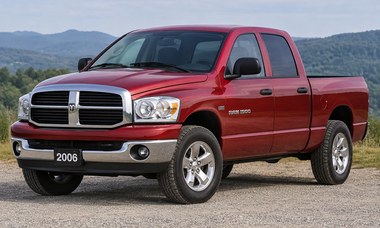
The third-generation Dodge Ram 1500 arrived for 2002 with distinctive styling and several gasoline engine choices.
The base 3.7-liter V6 is relatively simple but underpowered for many full-size pickup applications. The 4.7-liter V8 provides stronger performance but can be particularly vulnerable to damage from overheating or neglected cooling-system maintenance.
The 5.7-liter Hemi V8 joined the lineup for 2003 and became the most desirable engine for many buyers. It provides substantially more power and towing capability and can last a long time with proper maintenance.
Older automatic transmissions are an important consideration. Harsh shifting, slipping, delayed engagement, or evidence of heavy towing without proper service can signal expensive problems.
Possible Problems to Check on 2002–2008 Dodge Ram 1500s
- Automatic transmissions: Harsh shifts, slipping, delayed engagement, or fluid leaks.
- 4.7-liter V8 overheating: Previous cooling-system failures or severe overheating can lead to serious engine damage.
- Hemi exhaust-manifold leaks: Broken bolts or manifold problems may produce ticking noises.
- Front suspension and steering: Worn ball joints, tie rods, bushings, and other components.
- Wheel bearings and driveline: Humming, vibration, differential noise, or four-wheel-drive problems.
- Cooling system: Water-pump, radiator, hose, and thermostat problems.
- Interior and electrical components: Dashboard deterioration, switches, and power-accessory failures.
- Rust: Frame, underbody, body panels, and brake-line corrosion, particularly in salt-heavy climates.
Buyer Tip: Prioritize a clean frame, smooth-shifting transmission, healthy cooling system, and documented maintenance. At this age, condition matters more than finding one particular year.
Bottom Line: A well-maintained third-generation Dodge Ram can still be a useful, affordable truck, but neglected examples may require repairs that exceed their purchase value.
2009–2018 Ram 1500: Fourth Generation
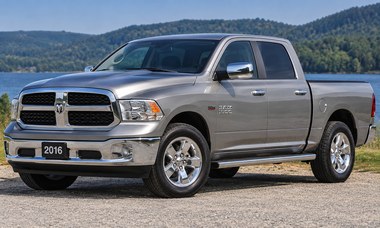
The 2009 redesign brought major improvements in ride comfort and refinement. The new coil-spring rear suspension helped give the Ram 1500 one of the smoothest rides among full-size pickups.
The 5.7-liter Hemi continued as the principal V8, while the 4.7-liter remained available for several years. For 2013, Ford's competitors faced a much stronger Ram V6 option when the 3.6-liter Pentastar replaced the older 3.7-liter engine.
The eight-speed automatic also became available during this generation, improving both performance and efficiency. For used buyers, the later gasoline-engine/eight-speed combinations are especially attractive.
The 3.0-liter EcoDiesel arrived for 2014, offering excellent fuel economy and torque but adding diesel emissions equipment and potential repair complexity. Optional four-corner air suspension provided adjustable ride height and load leveling, although conventional coil springs remain simpler to maintain.
Possible Problems to Check on 2009–2018 Ram 1500s
- 5.7-liter Hemi lifters and camshaft: Internal valvetrain wear can lead to expensive repairs.
- Hemi exhaust-manifold problems: Broken bolts and exhaust leaks can produce ticking noises.
- 3.6-liter Pentastar oil leaks: The oil-cooler/filter-housing assembly can develop leaks.
- EcoDiesel emissions systems: Diesel particulate filters, EGR components, and exhaust-treatment equipment may require costly repairs.
- Air suspension: Air springs, compressors, valves, and sensors can fail as the system ages.
- Cooling-system components: Water pumps, thermostats, and hoses can develop leaks.
- Suspension and wheel bearings: Wear becomes more likely on heavily used or high-mileage trucks.
- Electrical and infotainment equipment: Check screens, cameras, sensors, and power accessories.
- Four-wheel-drive and driveline components: Inspect operation and listen for abnormal noises.
Buyer Tip: A 2017–2018 gasoline Ram with the eight-speed automatic and conventional suspension is one of the most appealing combinations for buyers who want capability without unnecessary mechanical complexity.
Bottom Line: Later fourth-generation Rams offer an excellent balance of comfort, proven powertrains, and reasonable long-term ownership costs when properly maintained.
2019–2024 Ram 1500: Fifth Generation
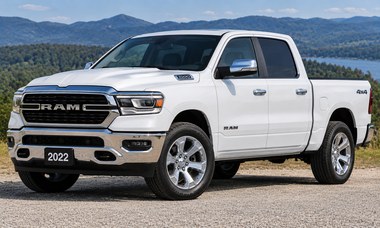
The redesigned 2019 Ram 1500 brought a more upscale interior, advanced technology, improved ride quality, and a wider range of comfort and convenience features.
The 3.6-liter Pentastar V6 and 5.7-liter Hemi V8 remained central to the lineup, with eTorque mild-hybrid technology used on many configurations. The updated EcoDiesel returned for 2020 and was discontinued after the 2023 model year.
The eight-speed automatic continued and remains one of the more appealing aspects of the drivetrain. However, the truck's greater electronic sophistication introduces additional systems that may require attention as the vehicle ages.
Optional air suspension continued as well. It offers excellent ride comfort and adjustable height, but conventional suspension is generally preferable for buyers seeking simpler long-term maintenance.
Possible Problems to Check on 2019–2024 Ram 1500s
- Hemi lifter and camshaft wear: Remains a potential concern on 5.7-liter engines.
- Hemi exhaust-manifold leaks: Ticking noises may result from manifold or fastener problems.
- Air suspension: Watch for sagging, uneven ride height, or excessive compressor operation.
- Infotainment and electronics: Touchscreen, camera, sensor, and connectivity problems can occur.
- Battery and eTorque equipment: Investigate recurring charging-system or electrical warnings.
- Water intrusion: Inspect around the rear window, third brake light, headliner, and rear carpeting.
- EcoDiesel components: Check emissions-system operation and diesel-specific maintenance records.
- Driver-assistance systems: Test cameras, sensors, and safety equipment.
- Suspension and driveline wear: Especially important on trucks used for towing or off-road driving.
Buyer Tip: Test every major electrical feature, inspect for water leaks, and verify completion of applicable recalls. A gasoline model with conventional suspension is particularly appealing for long-term ownership.
Bottom Line: The fifth-generation Ram 1500 is comfortable, capable, and refined. Later examples can make excellent used trucks, although their additional technology means more components to inspect.
What About the Ram 1500 Classic?
The Ram 1500 Classic continued using the previous-generation truck design after the redesigned Ram arrived for 2019.
This distinction matters because a 2020 Ram 1500 Classic and a 2020 redesigned Ram 1500 are mechanically and structurally different vehicles. The Classic retained the established older platform, while the newer truck introduced updated styling, technology, and equipment.
The Classic can be appealing for buyers who want a relatively straightforward pickup at a lower price. Its familiar gasoline engines and conventional suspension are attractive, although the exact equipment and maintenance history still matter.
Buyer Tip: Always identify whether a used truck is the Ram 1500 Classic or the redesigned Ram 1500 before comparing reliability information, parts, or prices.
Which Ram 1500 Engine Is the Most Reliable?
For many used buyers, the choice comes down to the 5.7-liter Hemi V8 or the 3.6-liter Pentastar V6. Both can provide long service lives, but their strengths and potential problems differ.
| Engine | Years Covered | Used-Buyer Outlook |
|---|---|---|
| 3.7L V6 | 2002–2012 | Relatively simple but underpowered for many full-size pickup uses |
| 4.7L V8 | 2002–2013 | Can last with proper maintenance; overheating history is important |
| 5.7L Hemi V8 | 2003–2024 | Strong performance and proven longevity; inspect lifters, camshaft, and exhaust manifolds |
| 3.6L Pentastar V6 | 2013–2024 | Good choice for everyday use; inspect oil-cooler/filter-housing area |
| 3.0L EcoDiesel V6 | 2014–2023, selected years | Excellent torque and fuel economy; higher emissions-system and repair complexity |
My preference: For buyers who need strong towing capability, a healthy 5.7-liter Hemi with the eight-speed automatic is appealing. For lighter-duty use, a later 3.6-liter Pentastar with the eight-speed may offer a more conservative ownership choice.
The EcoDiesel can make sense for drivers who regularly cover long distances and value diesel efficiency. However, I would approach it more selectively if minimizing repair complexity is the primary goal.
Hemi Tick: Exhaust Manifold or Lifter Failure?
One of the most important things to understand when shopping for a used Hemi-powered Ram is that not every ticking noise indicates the same problem.
The 5.7-liter Hemi can develop two very different issues that produce ticking sounds: exhaust-manifold leaks and internal lifter/camshaft damage.
Hemi Exhaust-Manifold Tick
Broken exhaust-manifold bolts or a warped manifold can allow exhaust gases to escape, producing a ticking sound. This is often most noticeable during a cold start and may become quieter as the engine warms and metal components expand.
Although repairs can be inconvenient and sometimes expensive, an exhaust-manifold leak is generally less serious than internal engine damage.
Hemi Lifter and Camshaft Failure
Some Hemi engines develop lifter wear that can damage a camshaft lobe. The resulting ticking may continue after the engine warms and can be accompanied by rough running, misfires, or reduced performance.
Repair may require replacement of the camshaft, lifters, and related components, making this a potentially expensive failure.
Extended idling is frequently discussed as a contributing factor in Hemi valvetrain wear. Engine-hour information can therefore be useful when evaluating a used truck, particularly one previously used for commercial work.
How Can You Tell the Difference?
A cold-start tick that diminishes as the engine warms may suggest an exhaust leak, while persistent internal ticking accompanied by misfires or poor running is more concerning. However, sound alone cannot reliably establish the cause.
A qualified mechanic should diagnose suspicious noises before purchase. A seller's assurance that "all Hemis tick" is not a substitute for an inspection.
Buyer Tip: Always listen to a Hemi from a completely cold start through normal operating temperature. If the source of the noise is uncertain, have it professionally diagnosed before buying.
Ram 1500 Transmission Reliability
The Ram 1500 has used several automatic transmissions, and reliability varies by generation.
2002–2008: Older four- and five-speed automatics deserve careful inspection for slipping, harsh shifting, delayed engagement, and previous towing-related wear.
2009–2012: Transmission condition remains important, particularly on trucks with high mileage or heavy towing histories.
2013–2018: The introduction of the eight-speed automatic substantially improved the lineup. Later eight-speed-equipped gasoline Rams are generally preferable to older transmission combinations.
2019–2024: The eight-speed continued and remains a strong part of the modern Ram powertrain. Nevertheless, fluid condition, previous towing, and normal shift behavior should still be evaluated.
During a test drive, check engagement into drive and reverse, low-speed shifting, highway acceleration, and operation after the transmission is fully warmed up.
Don't assume that a manufacturer's reference to lifetime transmission fluid means transmission condition can be ignored on a truck intended for 200,000-mile ownership.
Ram 1500 Maintenance and Repair Costs
Routine Ram 1500 maintenance is generally manageable for a full-size pickup, and parts and repair expertise are widely available. However, major Hemi, EcoDiesel, transmission, or air-suspension repairs can be expensive.
The following are broad U.S. repair estimates rather than guaranteed prices. Actual costs depend on model year, engine, labor rates, parts, and the extent of the repair.
| Repair or Service | Approximate Cost |
|---|---|
| Oil and filter change | $70–$150+ |
| Eight-speed transmission service | $300–$700+ |
| Spark plug replacement | $250–$700+ |
| Brake service, one axle | $450–$950+ |
| Wheel bearing or hub | $450–$900+ |
| Water pump replacement | $600–$1,200+ |
| Pentastar oil-cooler/filter-housing repair | $700–$1,500+ |
| Hemi exhaust-manifold repair | $600–$1,500+ |
| Air-suspension repair | $800–$3,000+ |
| Hemi camshaft and lifter repair | $3,000–$6,000+ |
| Differential repair | $1,500–$3,500+ |
| Automatic transmission replacement | $4,500–$8,000+ |
| Major EcoDiesel repair | $5,000+ depending on failure |
| Engine replacement | $6,000–$12,000+ |
The biggest financial risk is not routine maintenance but an expensive mechanical failure that can exceed the value of an older truck.
What Maintenance Should You Expect After 100,000 Miles?
A Ram 1500 with 100,000 miles can have substantial useful life remaining. However, this is a good point to review major maintenance items and determine what work may be approaching.
- Engine: Continue regular oil changes, inspect cooling-system components, and check for leaks.
- Hemi V8: Listen for exhaust-manifold and valvetrain noises.
- Pentastar V6: Inspect the oil-cooler/filter-housing assembly for leakage.
- EcoDiesel: Review emissions-system service, fuel-system maintenance, and recall history.
- Transmission: Check shift quality, fluid condition, and service records.
- Driveline: Inspect differential and transfer-case fluids, driveshafts, and related components.
- Suspension: Check shocks, ball joints, tie rods, bushings, and wheel bearings.
- Air suspension: Inspect air springs, compressor operation, and ride-height adjustment where equipped.
- Brakes and tires: Look for wear associated with frequent towing or heavy loads.
- Frame and underbody: Check for corrosion, particularly on trucks from snowy climates.
Ram 1500 Pre-Purchase Inspection Checklist
In addition to the normal used-car inspection items, pay particular attention to these potential Ram 1500-specific trouble spots.
- Hemi engine: Listen from a cold start through full operating temperature and investigate any persistent ticking.
- Pentastar engine: Check for oil leaks around the cooler and filter housing.
- EcoDiesel: Verify emissions-system operation, service records, and applicable recall repairs.
- Transmission: Check for slipping, harsh shifts, hesitation, or delayed engagement.
- Air suspension: Test all available ride heights and watch for sagging or excessive compressor operation.
- Water leaks: Inspect rear-window seals, third brake light, headliner, and carpeting.
- Electronics: Test infotainment, cameras, sensors, power accessories, and driver-assistance systems.
- Four-wheel drive: Verify proper engagement and listen for differential or transfer-case noises.
- Frame and suspension: Inspect for rust, accident damage, modifications, and excessive wear.
- Previous use: Look for evidence of heavy towing, long idle time, off-road use, or neglected maintenance.
- Diagnostic scan: Have a qualified mechanic check for stored trouble codes and unresolved warnings.
A thorough inspection is especially important with used pickups because mileage alone doesn't reveal how hard the truck has worked.
Ram 1500 Alternatives to Consider
Ford F-150: Offers an enormous selection of engines, trims, and configurations. Engine and transmission choice matter considerably, but the F-150 is a strong alternative for towing and everyday use.
Chevrolet Silverado 1500: Another capable full-size pickup with several engine choices. Buyers should investigate engine-specific problems, including active fuel management and transmission concerns on applicable years.
GMC Sierra 1500: Closely related to the Silverado, with attractive trims and equipment. Reliability varies by powertrain and model year.
Toyota Tundra: Particularly appealing for buyers prioritizing proven long-term durability, although used prices can be higher and fuel economy may be less competitive on older V8 models.
Final Verdict: Is a Used Ram 1500 a Good Truck to Buy?
Yes, a used Ram 1500 can be an excellent pickup, provided you choose the right engine, model year, and individual truck. It offers strong performance, a comfortable ride, attractive interiors, and legitimate 200,000-mile longevity.
For an inexpensive older pickup, a well-maintained 2006–2008 Dodge Ram can still provide useful service. However, rust, transmission condition, and previous ownership now matter more than small differences among model years.
For the best balance of proven reliability and modern usability, I'd give a 2017–2018 gasoline Ram 1500 with the eight-speed automatic serious consideration. The 5.7-liter Hemi is appealing for towing and performance, while the 3.6-liter Pentastar deserves consideration for lighter-duty use.
The 2021–2024 Ram 1500 offers a more refined ownership experience, but its additional electronics, available air suspension, and eTorque equipment require careful inspection. A gasoline model with conventional suspension is a particularly attractive long-term choice.
I'd be more selective with an older EcoDiesel, a Hemi displaying unexplained valvetrain noise, or an air-suspension truck with unresolved problems. These vehicles aren't automatically bad, but their potential repair costs can outweigh an attractive purchase price.
The bottom line: A properly maintained Ram 1500 can be a durable and satisfying used truck. Prioritize engine and transmission condition, maintenance history, previous towing, and overall mechanical health over trim level or appearance.
Your Trade-In
Also, it's good to always know the value of your trade-in while you're evaluating your next possible purchase. Here's a good source for a quick and accurate appraisal: free trade-in appraisal.
What's Next?
Understand Questionable Dealer Fees
Beware of "dealer fees". Before agreeing to a dealer's numbers, see which dealer fees are legitimate, which can be negotiated, and which can be avoided.
Your Trade-In
It's good to always know the value of your trade-in while you're evaluating your next possible purchase. Here's a good source for a quick and accurate appraisal: free trade-in appraisal.