

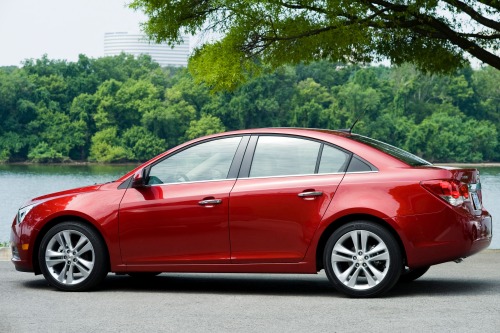
Chevrolet has produced some of America's most recognizable vehicles for well over a century. From economical commuter cars and family SUVs to powerful Corvettes and dependable pickup trucks, few manufacturers offer a broader selection of used vehicles.
Like every automaker, however, Chevrolet's reliability varies depending on the model, engine, transmission, and model year. Some Chevrolets routinely exceed 200,000 miles with only routine maintenance, while others are known for specific engine or transmission problems that buyers should understand before purchasing.
The good news is that used Chevrolets often represent outstanding values. Because many models depreciate more quickly than comparable Toyota or Honda vehicles, buyers can frequently purchase a newer, better-equipped Chevrolet for the same budget. Choosing the right model and model year simply becomes more important.
This guide compares Chevrolet's most popular used cars, SUVs, sports cars, and trucks, explains their common reliability concerns, identifies the best years to buy, and helps you decide which used Chevy best fits your needs. As our individual Chevrolet reliability guides are completed, you'll also find links to more detailed model-specific buying guides throughout this page.
What You'll Learn
- Which used Chevrolet models have the strongest long-term reliability.
- The best generations of the Equinox, Traverse, Tahoe, Suburban, Malibu, Impala, Camaro, Corvette, Silverado, Colorado, Avalanche, Blazer, Trax, Trailblazer, Cruze, and more.
- The most common Chevrolet engine and transmission problems.
- Which Chevy models regularly exceed 200,000 miles.
- Which used Chevrolets offer the best value today.
- How to choose the right Chevrolet for your budget and driving needs.
Chevy Reliability At A Glance
| Model | Overall Reliability |
|---|---|
| Silverado | Very Good |
| Colorado | Very Good |
| Avalanche | Very Good |
| Tahoe | Very Good |
| Suburban | Very Good |
| Equinox | Good to Very Good* |
| Traverse | Good to Very Good |
| Blazer | Very Good |
| Trailblazer | Good to Very Good |
| Trax | Good to Very Good |
| Malibu | Good to Very Good |
| Impala | Very Good |
| Cruze | Good |
| Camaro | Very Good |
| Corvette | Excellent |
| Bolt EV | Good to Very Good |
| Volt | Very Good |
*Engine selection matters. Certain Chevrolet engines have developed much stronger long-term reliability records than others.
Bottom Line: Chevrolet builds many dependable vehicles, but reliability often depends more on the engine and model year than simply the model itself. Buyers who understand which years to buy—and which engines deserve extra inspection—can often find exceptional values on the used market.
Possibly Buying Soon? Avoid These Dealer Traps
Before you sign, learn:
- What you don't know about dealer trade-in offers could cost you - Which dealer fees you must pay, can negotiate, or should avoid - How to avoid giving the dealer the upper hand on a used car price - How to avoid overpaying for a new car
What Are Chevy's Biggest Reliability Concerns?
Chevy reliability varies considerably by model, generation, engine, and transmission. The brand has produced some exceptionally durable trucks, SUVs, and cars, but it has also used certain powertrains that deserve much more careful inspection when shopping used.
Important trouble areas include AFM/DFM-related lifter and oil-consumption problems on some V8 engines, transmission problems in certain trucks and SUVs, timing-chain issues in some engines, and excessive oil consumption or engine problems in particular Equinox and other four-cylinder applications. Some models also have recurring electrical, cooling-system, and turbocharger-related concerns.
That doesn't make Chevrolet unreliable across the board. A well-chosen Silverado, Tahoe, Suburban, Colorado, Impala, Corvette, or other Chevy with the right powertrain and good maintenance history can deliver excellent long-term service.
Buyer Tip: With a used Chevy, the exact engine and transmission can matter as much as the model year. Identify the powertrain before buying and review its known trouble spots. The individual model sections below explain which generations and years are stronger choices and where extra caution is warranted.
Chevy Silverado Reliability
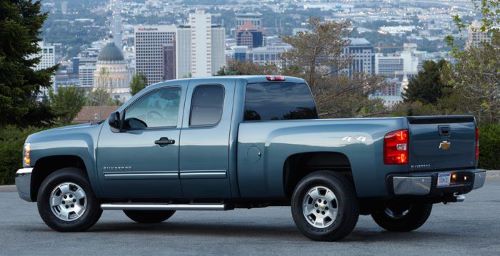
The Chevrolet Silverado has been one of America's best-selling pickup trucks for more than 25 years. Whether used as a work truck, tow vehicle, family hauler, or daily driver, the Silverado has built a reputation for offering a comfortable ride, powerful engines, and impressive capability.
Overall reliability has generally been very good, although certain engines and model years have proven more dependable than others. Buyers who choose the right powertrain can reasonably expect 200,000 miles or more with proper maintenance.
1999–2006 (First Generation)
The first Silverado introduced an entirely new truck platform and a family of durable V8 engines that remain popular today. These trucks are simple to maintain and continue to serve as dependable workhorses.
Typical Issues
- Instrument cluster failures.
- Brake line corrosion in northern climates.
- Fuel pump replacement.
- Steering component wear.
2007–2013 (Second Generation)
This generation became quieter, more refined, and introduced additional safety features while maintaining excellent towing capability. Active Fuel Management (AFM) appeared on many V8 engines and deserves careful evaluation before purchase.
Typical Issues
- AFM lifter failures on some 5.3-liter V8 engines.
- Oil consumption on certain engines.
- Dashboard cracking.
- Wheel bearing replacement.
2014–2018 (Third Generation)
The Silverado received a completely redesigned interior, improved ride quality, and more modern technology. Reliability remained generally strong, although engine selection continued to play an important role.
2019–Present (Fourth Generation)
The current Silverado offers numerous engine choices, advanced towing technology, and improved fuel economy. Early production issues have largely been addressed, making later examples particularly attractive.
| Best Used Silverado Years | Recommendation |
|---|---|
| 2006 | Excellent final year of the first generation. |
| 2011–2013 | Outstanding balance of capability, comfort, and value. |
| 2017–2018 | One of the best values on today's used truck market. |
| 2022–Present | Excellent technology and encouraging long-term reliability. |
Buyer Tip: If you're shopping for a Silverado, spend time researching the specific engine as carefully as the truck itself. Engine choice often has a greater impact on long-term reliability than trim level or options.
Want a deeper breakdown? Read our complete Chevrolet Silverado Reliability Guide, a more detailed look at model years, engines, common problems, maintenance costs, expected lifespan, and the best years to buy or those to avoid.
Chevy Colorado Reliability
The Chevrolet Colorado has become one of the most popular midsize pickups on the market thanks to its manageable size, comfortable ride, and impressive towing capability. It appeals to buyers who don't need the size of a full-size Silverado but still want real truck capability.
Overall reliability has been very good, particularly on later models equipped with Chevrolet's naturally aspirated V6 engine.
2004–2012 (First Generation)
The original Colorado replaced the long-running Chevrolet S-10 and introduced a more modern chassis with four-cylinder and five-cylinder engine options.
Typical Issues
- Electrical accessories.
- Power steering repairs.
- Suspension wear.
- Rust on northern trucks.
2015–2022 (Second Generation)
After a brief absence from the U.S. market, the Colorado returned with dramatically improved refinement, better towing capability, and a choice of gasoline or diesel engines.
Typical Issues
- Transmission shudder on certain eight-speed automatics.
- Air conditioning repairs.
- Infotainment software updates.
- Fuel injector issues on some diesel models.
2023–Present (Third Generation)
The newest Colorado features an all-new platform, turbocharged power, updated technology, and one of the most modern interiors in the midsize truck class. Early reliability has been encouraging.
| Best Used Colorado Years | Recommendation |
|---|---|
| 2018–2022 | Excellent balance of capability, comfort, and long-term reliability. |
| 2024–Present | Modern design with strong early ownership reports. |
Buyer Tip: If you don't regularly tow heavy trailers, the Colorado often provides nearly all the capability most owners need while being easier to maneuver and park than a full-size pickup.
For more on the Colorado's reliability, be sure to see our compprehensive Chevrolet Colorado Reliability Guide, a more detailed look at model years, engines, common problems, maintenance costs, expected lifespan, and the best years to buy or those to avoid.
Chevy Avalanche Reliability
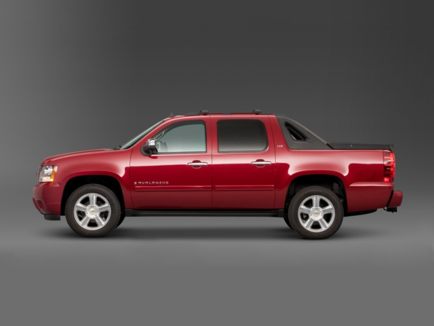
Produced from 2002 through 2013, the Chevrolet Avalanche remains one of the most innovative pickup trucks ever built. Combining SUV comfort with pickup versatility through its unique Midgate cargo system, the Avalanche developed a loyal following that continues today.
Because it shares much of its engineering with the Chevrolet Suburban and Silverado, the Avalanche has generally earned a very good reputation for durability.
2002–2006 (First Generation)
The original Avalanche introduced a completely new concept that allowed owners to carry both passengers and oversized cargo without giving up interior comfort.
Typical Issues
- Instrument cluster failures.
- Brake line corrosion.
- Fuel pump replacement.
- Exterior body cladding fading.
2007–2013 (Second Generation)
The redesigned Avalanche became quieter, more refined, and offered improved interior quality while maintaining its unique versatility.
Typical Issues
- AFM-related lifter concerns on some V8 engines.
- Dashboard cracking.
- Wheel bearing wear.
- Power door lock actuators.
| Best Used Avalanche Years | Recommendation |
|---|---|
| 2006 | Most refined first-generation model. |
| 2011–2013 | Excellent versatility with years of production improvements. |
Buyer Tip: If you occasionally need pickup capability but spend most of your time driving passengers, the Avalanche remains one of the smartest used-truck values available today.
For more information on the reliability of the Avalanche and other Chevy trucks, visit our Chevrolet Truck Reliability Guide.
Chevy Equinox Reliability
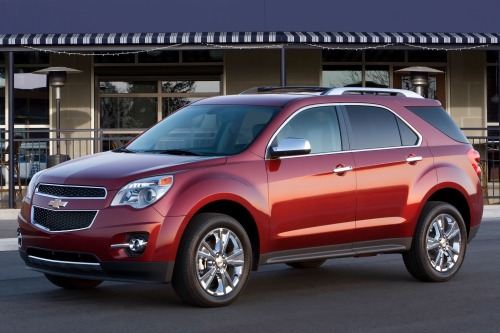
The Chevrolet Equinox has been one of Chevrolet's best-selling vehicles since its introduction for the 2005 model year. Offering comfortable seating, available all-wheel drive, and competitive pricing, it has become a favorite among families shopping for an affordable compact SUV.
Overall reliability has improved significantly over the years, although engine selection is especially important. Certain four-cylinder engines developed well-documented oil consumption and timing chain issues, while other powertrains have proven considerably more dependable.
2005–2009 (First Generation)
The original Equinox introduced Chevrolet into the growing crossover SUV market with a roomy interior and comfortable ride.
Typical Issues
- Head gasket failures on some 3.4-liter V6 engines.
- Wheel bearing wear.
- Power steering repairs.
- Suspension component replacement.
2010–2017 (Second Generation)
This generation brought dramatic styling improvements and better fuel economy but also introduced the well-known oil consumption issues affecting some 2.4-liter four-cylinder engines.
Typical Issues
- Oil consumption on certain 2.4-liter engines.
- Timing chain wear.
- PCV system problems.
- High-pressure fuel pump failures.
2018–Present (Third Generation)
The latest Equinox became lighter, quieter, and more refined while delivering significantly improved long-term reliability.
| Best Used Equinox Years | Recommendation |
|---|---|
| 2018–2022 | Excellent value with improved reliability. |
| 2023–Present | Modern safety technology and strong early ownership results. |
Buyer Tip: Later third-generation Equinox models are generally worth the higher purchase price because of their improved engine reliability and lower long-term ownership costs.
For more detailed information on the reliability of the Equinox, visit our Used Chevy Equinox Reliability Guide, a more comprehensive look at the model years, engines, common problems, maintenance costs, expected lifespan, and the best years to buy or those to avoid.
Chevy Traverse Reliability
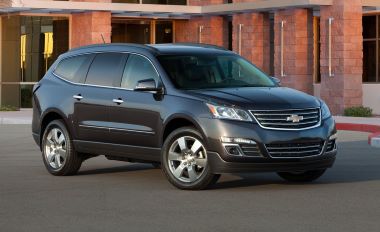
The Chevrolet Traverse has become one of the most practical three-row family SUVs on the market. Combining generous passenger space, comfortable road manners, strong V6 performance, and competitive pricing, it remains one of Chevrolet's most popular family vehicles.
Overall reliability has generally been good, particularly on later models equipped with Chevrolet's refined 3.6-liter V6 engine. Buyers should pay particular attention to maintenance history and timing chain service on earlier examples.
2009–2017 (First Generation)
The original Traverse provided one of the roomiest interiors in the midsize crossover segment while delivering a smooth, comfortable ride that appealed to growing families.
Typical Issues
- Timing chain wear on early 3.6-liter V6 engines.
- Water pump replacement.
- Power steering leaks.
- Air conditioning repairs.
2018–Present (Second Generation)
The second generation became lighter, quieter, and noticeably more refined. Interior quality improved substantially while reliability also benefited from continued improvements to Chevrolet's V6 engine.
| Best Used Traverse Years | Recommendation |
|---|---|
| 2020–2023 | Excellent family SUV with years of production improvements. |
| 2024–Present | Updated styling, technology, and encouraging early reliability. |
Buyer Tip: If you need true adult-sized third-row seating without moving up to a full-size SUV, the Traverse remains one of the strongest values in today's used SUV market.
For more detailed information on the reliability of the Traverse, visit our Used Chevy Traverse Reliability Guide, a more comprehensive look at the model years, engines, common problems, maintenance costs, expected lifespan, and the best years to buy or those to avoid.
Chevy Tahoe Reliability
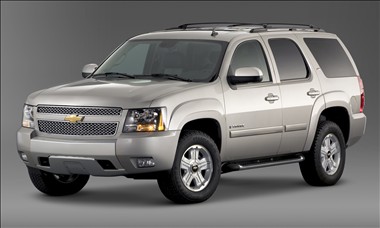
The Chevrolet Tahoe has been one of America's best-selling full-size SUVs for decades. Known for its spacious interior, strong towing capability, dependable V8 engines, and comfortable ride, it continues to be a favorite among large families and outdoor enthusiasts.
Overall reliability has generally been very good. Properly maintained Tahoes commonly exceed 200,000 miles, making them one of Chevrolet's strongest long-term ownership stories.
2007–2014 (Third Generation)
This generation introduced a quieter cabin, additional safety equipment, and improved ride quality while retaining the Tahoe's rugged truck-based construction.
Typical Issues
- AFM lifter concerns on some 5.3-liter V8 engines.
- Dashboard cracking.
- Air suspension repairs on equipped models.
- Brake system wear.
2015–2020 (Fourth Generation)
The fourth-generation Tahoe added considerably more refinement while maintaining excellent towing capability and one of the most comfortable rides in the segment.
2021–Present (Fifth Generation)
The newest Tahoe introduced an independent rear suspension, dramatically improved passenger comfort, and a much more upscale interior. Early reliability has been promising.
| Best Used Tahoe Years | Recommendation |
|---|---|
| 2018–2020 | Outstanding value with years of production refinements. |
| 2022–Present | Excellent comfort, technology, and encouraging reliability. |
Buyer Tip: Buyers who regularly tow campers, boats, or enclosed trailers should place the Tahoe near the top of their shopping list. Few SUVs combine towing capability and long-term durability as well.
For more detailed information on the reliability of the Tahoe, visit our Used Chevy Tahoe Reliability Guide, a more comprehensive look at the model years, engines, common problems, maintenance costs, expected lifespan, and the best years to buy or those to avoid.
Chevy Suburban Reliability
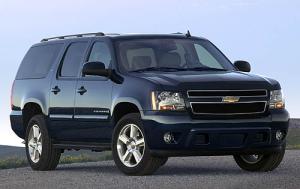
No SUV has a longer production history than the Chevrolet Suburban. For generations it has served families, businesses, emergency services, and government fleets thanks to its enormous interior, exceptional towing capability, and durable truck-based platform.
Like the Tahoe, the Suburban has earned an excellent long-term reputation. Many examples remain in daily service well beyond 200,000 miles with routine maintenance.
2007–2014 (Tenth Generation)
The tenth-generation Suburban became more refined while retaining its enormous passenger and cargo capacity. Safety equipment and ride quality also improved significantly.
Typical Issues
- AFM lifter problems on some V8 engines.
- Dashboard cracking.
- Suspension wear.
- Power door lock actuator failures.
2015–2020 (Eleventh Generation)
This generation improved interior quality, ride comfort, and technology while maintaining the Suburban's legendary versatility.
2021–Present (Twelfth Generation)
The latest Suburban introduced an independent rear suspension that transformed passenger comfort without sacrificing towing capability or cargo space.
| Best Used Suburban Years | Recommendation |
|---|---|
| 2018–2020 | Excellent value with refined V8 powertrains. |
| 2022–Present | Outstanding family SUV with excellent cargo space and modern technology. |
Buyer Tip: If maximum cargo capacity and passenger space are your priorities, few used SUVs can match the versatility of the Chevrolet Suburban.
For more detailed information on the reliability of the Suburban, visit our Used Chevy Suburban Reliability Guide, a more comprehensive look at the model years, engines, common problems, maintenance costs, expected lifespan, and the best years to buy or those to avoid.
Chevy Blazer Reliability
The Chevrolet Blazer returned to the lineup for the 2019 model year after a long absence, this time as a stylish midsize crossover positioned between the Equinox and Traverse. While it shares little with the rugged K5 Blazers of the past, today's Blazer offers sharp styling, responsive handling, and generally strong reliability.
Available with both four-cylinder and V6 engines, the Blazer appeals to buyers who want a sportier driving experience than many competing midsize SUVs.
2019–Present (Current Generation)
The modern Blazer has proven to be one of Chevrolet's better crossover offerings, with relatively few widespread mechanical concerns reported to date.
Typical Issues
- Infotainment software updates.
- Minor electrical glitches.
- Occasional transmission programming updates.
- Normal brake wear.
| Best Used Blazer Years | Recommendation |
|---|---|
| 2022–Present | Well-sorted models with improved software and excellent overall reliability. |
Buyer Tip: Buyers wanting a midsize SUV with a little more personality than the average crossover should give the Blazer serious consideration, particularly when equipped with the smooth 3.6-liter V6 engine.
Chevy Trailblazer Reliability
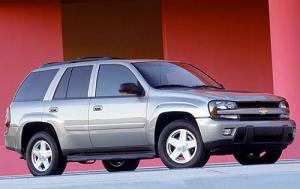
The Chevrolet Trailblazer name has been used on two very different vehicles. The original 2002–2009 TrailBlazer was a traditional truck-based SUV known for its towing capability and rugged construction. Today's Trailblazer, introduced for 2021, is a compact crossover designed for fuel economy, city driving, and everyday practicality.
Although they share the same name, buyers should evaluate them separately because they appeal to very different audiences.
2002–2009 (Truck-Based SUV)
The original TrailBlazer shared much of its engineering with the GMC Envoy and offered inline-six and optional V8 engines. It remains popular among buyers looking for an affordable SUV with real towing capability.
Typical Issues
- Air suspension failures on equipped models.
- Wheel bearing replacement.
- Transfer case repairs on four-wheel-drive models.
- Rust on northern vehicles.
2021–Present (Compact Crossover)
The modern Trailblazer emphasizes fuel economy, safety technology, and maneuverability. Early reliability has been encouraging, making it an appealing choice for buyers who primarily drive in urban and suburban environments.
| Best Used Trailblazer Years | Recommendation |
|---|---|
| 2007–2009 | Best years of the original truck-based SUV. |
| 2022–Present | Modern crossover with encouraging early reliability. |
Buyer Tip: Make sure you know which Trailblazer you're shopping for. The original model is designed for towing and rugged use, while the current version focuses on fuel economy and everyday practicality.
For more detailed reliability information on the Trailblazer, visit our Used Chevy Trailblazer Reliability Guide, a more comprehensive look at the model years, engines, common problems, maintenance costs, expected lifespan, and the best years to buy or avoid.
Chevy Trax Reliability
The Chevrolet Trax has become one of the brand's most affordable crossover SUVs. Compact, economical, and easy to maneuver, it appeals to commuters and first-time buyers looking for SUV versatility without the size or cost of larger models.
While the first generation offered reasonable reliability, the completely redesigned second generation represents a significant improvement in styling, interior quality, and overall refinement.
2015–2022 (First Generation)
The original Trax emphasized affordability and fuel economy. Although not especially powerful, it proved to be an inexpensive vehicle to own and maintain.
Typical Issues
- Turbocharger-related repairs on higher-mileage vehicles.
- Water pump replacement.
- Ignition coil failures.
- Minor electrical issues.
2024–Present (Second Generation)
The redesigned Trax is dramatically improved in nearly every area, including styling, interior space, ride quality, and technology. Early reliability has been excellent.
| Best Used Trax Years | Recommendation |
|---|---|
| 2020–2022 | Most refined first-generation models. |
| 2024–Present | Outstanding value with excellent early reliability. |
Buyer Tip: If your budget allows, the redesigned 2024-and-newer Trax is well worth the extra cost. It feels like a completely different vehicle compared with the original model.
Chevy Malibu Reliability
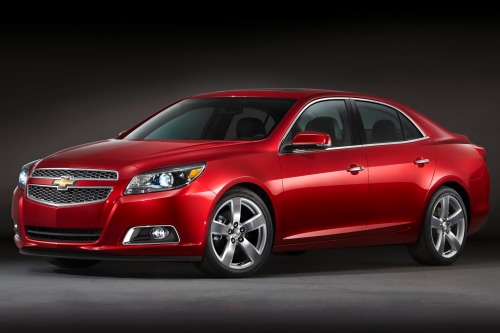
The Chevrolet Malibu has been one of Chevrolet's best-selling midsize sedans for decades. Comfortable, affordable, and widely available on the used market, the Malibu offers a compelling alternative to the Honda Accord and Toyota Camry for buyers looking to maximize value.
Overall reliability has generally been good, although engine selection is important on certain generations.
2008–2012 (Seventh Generation)
This generation introduced improved ride quality and interior refinement while continuing to offer dependable four-cylinder and V6 engines.
Typical Issues
- Power steering failures.
- Transmission shift quality.
- Wheel bearing replacement.
- Electrical accessories.
2013–2015 (Eighth Generation)
The Malibu became more fuel efficient and received a redesigned interior. Later production years addressed many early concerns.
2016–2025 (Ninth Generation)
The final Malibu generation emphasized comfort, fuel economy, and modern safety technology. Later examples have proven to be dependable family sedans with reasonable operating costs.
| Best Used Malibu Years | Recommendation |
|---|---|
| 2019–2025 | Excellent value and among the strongest Malibu model years. |
Buyer Tip: Because resale values remain relatively modest, the Malibu often represents one of the best bargains in the midsize sedan segment.
For more detailed reliability information on the Malibu, visit our Used Chevy Malibu Reliability Guide, a more comprehensive look at the model years, engines, common problems, maintenance costs, expected lifespan, and the best years to buy or avoid.
Chevy Impala Reliability
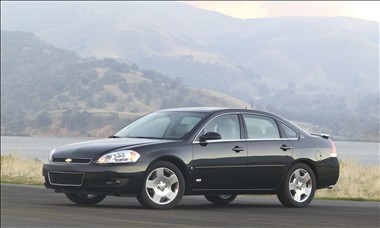
The Chevy Impala served as Chevrolet's flagship sedan for generations before production ended after the 2020 model year. Spacious, comfortable, and available with durable V6 engines, the Impala continues to be an excellent used-car value.
Many well-maintained Impalas easily exceed 200,000 miles while providing comfortable highway transportation.
2006–2013 (Ninth Generation)
The ninth-generation Impala emphasized comfort and simplicity while offering dependable V6 power.
Typical Issues
- Blend door actuator failures.
- Wheel bearing replacement.
- Power steering leaks.
- Electrical accessories.
2014–2020 (Tenth Generation)
The final Impala introduced modern styling, a significantly improved interior, and excellent highway comfort. It remains one of the best values among full-size sedans.
| Best Used Impala Years | Recommendation |
|---|---|
| 2017–2020 | Outstanding comfort, reliability, and value. |
Buyer Tip: Buyers wanting a comfortable highway cruiser should not overlook the final-generation Impala. It offers luxury-car comfort at surprisingly affordable prices.
For more detailed information on the reliability of the Impala, visit our Used Chevy Impala Reliability Guide, a more comprehensive look at the model years, engines, common problems, maintenance costs, expected lifespan, and the best years to buy or those to avoid.
Chevy Cruze Reliability
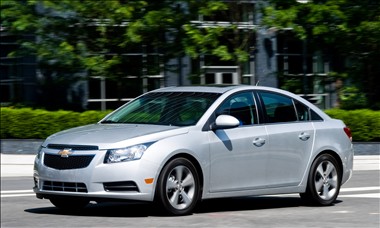
Introduced for the 2011 model year, the Chevrolet Cruze replaced the aging Cobalt and quickly became one of Chevrolet's most popular compact cars. It offered improved fuel economy, a more refined interior, and a comfortable ride, making it a strong competitor to the Honda Civic, Toyota Corolla, and Hyundai Elantra.
Overall reliability has been good, although buyers should pay close attention to engine selection and maintenance history. Certain turbocharged engines developed cooling system and oil leak issues that are now well understood by experienced owners and repair shops.
2011–2015 (First Generation)
The original Cruze introduced modern styling and excellent highway fuel economy. Properly maintained examples remain inexpensive commuter cars with low operating costs.
Typical Issues
- Water pump replacement.
- Thermostat housing failures.
- Valve cover oil leaks.
- Turbocharger-related repairs on higher-mileage vehicles.
2016–2019 (Second Generation)
The redesigned Cruze became lighter, quieter, and more refined while improving fuel economy and interior quality. Reliability also improved, particularly on later production years.
| Best Used Cruze Years | Recommendation |
|---|---|
| 2017–2019 | Best combination of reliability, refinement, and fuel economy. |
Buyer Tip: The Cruze remains one of the better values in the compact-car market, especially for buyers who prioritize fuel economy and low purchase prices over sporty performance.
For more detailed reliability information on the Cruze, visit our Used Chevy Cruze Reliability Guide, a more comprehensive look at the model years, engines, common problems, maintenance costs, expected lifespan, and the best years to buy or avoid.
Chevy Camaro Reliability
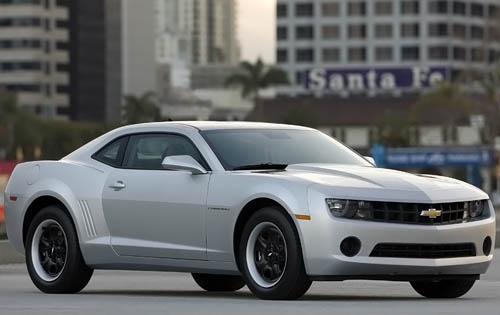
The Chevrolet Camaro Reliability Guide has been one of America's most recognizable performance cars since its introduction in 1967. Whether equipped with an economical four-cylinder, a powerful V6, or one of Chevrolet's legendary V8 engines, the Camaro offers impressive performance at a reasonable price.
Overall reliability has generally been very good. Many Camaros accumulate well over 200,000 miles when properly maintained, especially those equipped with naturally aspirated V6 and V8 engines.
2010–2015 (Fifth Generation)
The Camaro returned after an eight-year absence with dramatic retro-inspired styling and a wide range of powerful engines.
Typical Issues
- Air conditioning compressor failures.
- Power steering concerns.
- Manual transmission clutch wear.
- Interior trim rattles.
2016–2024 (Sixth Generation)
The sixth-generation Camaro became lighter, faster, and significantly more refined while maintaining outstanding performance. Reliability has remained strong throughout production.
| Best Used Camaro Years | Recommendation |
|---|---|
| 2013–2015 | Excellent value with years of production improvements. |
| 2019–2024 | Outstanding performance and among the strongest Camaro model years. |
Buyer Tip: Even if you don't need V8 performance, the V6 Camaro delivers an excellent balance of reliability, fuel economy, and driving enjoyment.
For more detailed reliability information on the Camaro, visit our Used Chevrolet Camaro Reliability Guide, a more comprehensive look at the model years, engines, common problems, maintenance costs, expected lifespan, and the best years to buy or avoid.
Chevy Corvette Reliability
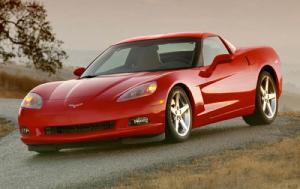
The Chevrolet Corvette has represented American performance for more than 70 years. Despite its exotic appearance and impressive horsepower, the Corvette has generally developed a surprisingly strong reputation for long-term reliability compared with many European sports cars.
Routine maintenance costs are higher than those of an ordinary family sedan, but many Corvettes provide decades of dependable ownership when properly maintained.
2005–2013 (C6)
The sixth-generation Corvette combined outstanding performance with one of Chevrolet's most dependable V8 engines, making it one of the best used sports car values available today.
Typical Issues
- Harmonic balancer replacement.
- Manual transmission clutch wear.
- Suspension bushing wear.
- Interior trim rattles.
2014–2019 (C7)
The C7 introduced sharper styling, improved interior quality, and even greater performance while maintaining excellent overall reliability.
2020–Present (C8)
The mid-engine C8 Corvette represented the biggest redesign in Corvette history. Early ownership reports have been encouraging, and the car continues to receive widespread praise for both performance and everyday usability.
| Best Used Corvette Years | Recommendation |
|---|---|
| 2008–2013 (C6) | Outstanding reliability and one of the best sports-car values available. |
| 2017–2019 (C7) | Excellent refinement and proven long-term durability. |
| 2022–Present (C8) | Supercar performance with encouraging early reliability. |
Buyer Tip: A well-maintained Corvette is often far less expensive to own than many buyers expect. It combines outstanding performance with reliability that frequently surpasses many European sports cars.
For additional reliability information on the Corvette, visit our Used Chevrolet Corvette Reliability Guide, a more comprehensive look at the model years, engines, common problems, maintenance costs, expected lifespan, and the best years to buy or avoid.
Chevy Volt Reliability
The Chevrolet Volt was one of the first successful plug-in hybrid vehicles sold in North America. Combining electric driving for short trips with a gasoline engine that extends driving range, the Volt earned praise for its innovation, low operating costs, and generally excellent reliability.
Although production ended after the 2019 model year, the Volt remains one of the smartest choices for buyers who want to experience electric driving without worrying about charging infrastructure on long trips.
2011–2015 (First Generation)
The original Volt proved that plug-in hybrid technology could be practical for everyday use. Most owners experienced very few serious mechanical problems.
Typical Issues
- 12-volt battery replacement.
- Charging system diagnostics.
- Software updates.
- Cooling system maintenance.
2016–2019 (Second Generation)
The second-generation Volt delivered greater electric range, improved efficiency, and even stronger overall reliability.
| Best Used Volt Years | Recommendation |
|---|---|
| 2017–2019 | Outstanding reliability and among the best plug-in hybrid values available. |
Buyer Tip: If your daily commute falls within the Volt's electric range, fuel costs can be remarkably low while still allowing unlimited long-distance travel.
Chevy Bolt EV Reliability
The Chevrolet Bolt EV demonstrated that an affordable electric vehicle could deliver excellent range and everyday practicality. Following battery recalls on earlier production years, later Bolts have earned increasingly positive owner feedback and remain one of the best values in the used EV market.
2017–2021 (First Generation)
Early Bolt EVs offered outstanding driving range for their price, although battery recalls became the most significant ownership concern.
Typical Issues
- Battery recall verification.
- Software updates.
- Charging system diagnostics.
- 12-volt battery replacement.
2022–2023 (Updated Generation)
Chevrolet significantly refreshed the Bolt EV with a redesigned interior and additional technology. Later production years continue to represent excellent used EV values.
| Best Used Bolt EV Years | Recommendation |
|---|---|
| 2022–2023 | Updated styling with battery concerns addressed. |
Buyer Tip: Before purchasing any used Bolt EV, verify that all battery recall work has been completed. Once addressed, these vehicles can provide many years of dependable, low-cost transportation.
Which Used Chevy Should You Buy?
Chevrolet has built reliable vehicles in nearly every segment, so the best choice depends on your budget, driving habits, and what you expect from your vehicle. Fortunately, several Chevrolet models stand out for their durability, value, and long-term ownership experience.
| If You Want... | Our Recommendation |
|---|---|
| Best overall truck | Silverado |
| Best midsize truck | Colorado |
| Best compact SUV | Equinox (2018+) |
| Best three-row SUV | Traverse (2020+) |
| Best full-size SUV | Tahoe |
| Best large family SUV | Suburban |
| Best midsize sedan | Malibu |
| Best full-size sedan | Impala |
| Best sports car | Corvette |
| Best muscle car | Camaro |
| Best hybrid | Volt |
| Best electric vehicle | Bolt EV |
| Best overall value | Silverado or Tahoe |
Buyer Tip: If you're unsure which Chevrolet is right for you, begin by deciding how you'll use the vehicle. Chevrolet builds excellent trucks, capable SUVs, practical commuter cars, and world-class performance cars, but each excels in different areas.
Buying a Used Chevy: What Matters Most
Buying a used Chevrolet isn't simply about finding the lowest price. The best purchase is usually the vehicle that has been maintained consistently, has a documented service history, and matches your driving needs.
Research The Engine
Many Chevrolet models have been available with multiple engines. Before buying, learn which engines have developed the strongest reliability records and which deserve closer inspection.
Maintenance History Is More Important Than Mileage
A well-maintained Chevrolet with 170,000 miles is often a better purchase than a neglected example with half the mileage.
- Review service records whenever possible.
- Look for regular oil changes.
- Confirm transmission maintenance.
- Inspect for accident repairs.
- Have the vehicle professionally inspected before purchasing.
Pay Attention During The Test Drive
A thorough test drive can reveal many expensive problems before you buy.
- Listen for engine noises.
- Verify smooth transmission operation.
- Check steering and suspension feel.
- Test all electronic features.
- Watch for warning lights.
Don't Automatically Avoid High Mileage
Many Chevrolet trucks, SUVs, and V8-powered vehicles routinely exceed 200,000 miles. Proper maintenance almost always matters more than the number on the odometer.
Final Verdict
Chevrolet's long history means there's a used model for almost every buyer, from economical commuters and comfortable family sedans to heavy-duty trucks and high-performance sports cars. While reliability varies depending on the model, engine, and model year, many Chevrolets have earned excellent reputations for durability and routinely provide well over 200,000 miles of dependable service.
Among the brand's strongest long-term performers, the Silverado, Tahoe, Suburban, Colorado, Corvette, Camaro, and later-model Traverse stand out as particularly strong choices. Buyers willing to research engine options and avoid a handful of well-known problem years can often purchase a newer, better-equipped Chevrolet for less than comparable competitors.
Perhaps Chevrolet's greatest strength is value. Whether you're shopping for a dependable family SUV, an affordable commuter car, a capable pickup, or a world-class sports car, there's an excellent chance you'll find a used Chevrolet that fits both your needs and your budget.
Take the time to research the specific model and model year you're considering, verify its maintenance history, and have it inspected before purchasing. Do that, and a used Chevrolet can provide many years of dependable and enjoyable ownership.