

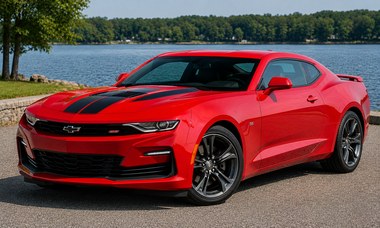
Is the Chevy Camaro reliable? Which Camaro years are the best to buy, which should you approach cautiously, and can a Camaro realistically last 100,000 or 150,000 miles without becoming an expensive project?
The answer depends heavily on the year, engine, transmission and previous owner. Chevrolet's modern Camaro was sold from 2010 through 2024 in an unusually wide range of configurations, from relatively economical V6 and four-cylinder models to powerful SS and supercharged ZL1 versions.
Engine reliability is generally better than the Camaro's performance-car image might suggest. The 6.2L V8s can be very durable, later 3.6L V6 engines can provide substantial mileage, and even the turbocharged four-cylinder can be a reasonable choice when maintained properly. But specific years and powertrains have important trouble areas, including early V6 timing-chain problems and the well-known shudder associated with some eight-speed automatic transmissions.
There's another factor that matters more with a Camaro than with an ordinary used sedan: how the car was driven and modified. A stock 100,000-mile Camaro with excellent maintenance can be a safer purchase than a 45,000-mile example that spent its life modified, tuned, raced or subjected to repeated hard launches.
This guide covers the complete 2010-2024 modern U.S. Chevrolet Camaro run, including the fifth- and sixth-generation cars, V6 models, four-cylinder turbo, SS, 1LE and ZL1.
In This Guide You'll Learn
- Which Chevy Camaro years are generally the best used buys
- Which Camaro years deserve extra caution
- How fifth- and sixth-generation Camaro reliability compares
- Which Camaro engine is most reliable
- How reliable the 3.6L V6 is
- How the 6.2L V8 holds up at high mileage
- Whether the 2.0L turbo is a good used-car choice
- What to know about Camaro SS and ZL1 reliability
- Which Camaro transmissions are most reliable
- Why some eight-speed automatic Camaros develop transmission shudder
- Whether a manual Camaro is more reliable than an automatic
- Whether a Camaro can last 100,000, 150,000 or 200,000 miles
- Why modifications and previous-owner abuse can matter more than mileage
Chevy Camaro Reliability Overview
Overall, the modern Chevrolet Camaro can be a reasonably reliable performance car, particularly when you choose the right powertrain and find an unmodified example with good maintenance history.
The 2010-2015 fifth-generation Camaro brought the model back after an eight-year absence. Most buyers encounter either a 3.6L V6 or 6.2L V8, while the later ZL1 added a supercharged 6.2L V8. The basic V8 engines are generally strong, while some earlier V6 cars deserve additional scrutiny for timing-chain-related problems.
The 2016-2024 sixth-generation Camaro moved to GM's lighter Alpha platform and expanded the engine lineup. Buyers could choose a 2.0L turbo four-cylinder, 3.6L V6 or 6.2L V8, with the ZL1 receiving a supercharged 6.2L LT4.
One of the most important sixth-generation trouble areas isn't the engine at all. Some Camaros equipped with the eight-speed automatic transmission developed torque-converter shudder that can feel like driving over rumble strips. Later cars using the 10-speed automatic avoid that specific eight-speed issue.
Performance versions require another layer of caution. The SS, 1LE and especially ZL1 are engineered to tolerate demanding driving, but they're also much more likely to have been driven aggressively. Tires, brakes, clutch, differential, transmission and suspension condition can reveal more about the car's previous life than the odometer alone.
Bottom Line: The Camaro's core engines can be quite durable. I'd worry less about the fact that a Camaro is a performance car and more about choosing the right year and drivetrain, verifying maintenance, and determining whether a previous owner modified or abused it.
Chevy Camaro Reliability at a Glance
| Camaro Years | Reliability Outlook |
|---|---|
| 2010-2011 | Early fifth-generation cars; 3.6L V6 timing-chain history deserves particular attention |
| 2012-2015 | Generally stronger fifth-generation choices; mature platform with several proven powertrains |
| 2012-2015 ZL1 | Strong supercharged V8, but modification, track use and drivetrain condition are especially important |
| 2016 | First year of completely redesigned sixth generation; inspect more carefully than later examples |
| 2017-2019 | Strong overall cars, but eight-speed automatic shudder is an important buying concern |
| 2020-2024 | Among the years I'd investigate first; later sixth-generation production and improved transmission choices |
| SS / 1LE / ZL1 | Potentially durable performance cars, but previous use and modifications can outweigh model-year differences |
Chevy Camaro Reliability by Generation
2010-2015 Chevy Camaro: Fifth Generation
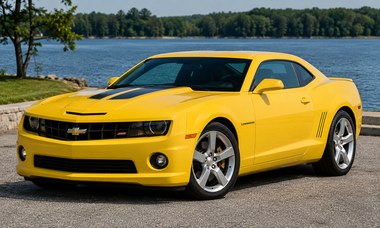
Chevrolet revived the Camaro for the 2010 model year after the previous generation ended production in 2002. The fifth-generation car combined retro-inspired styling with modern V6 and V8 powertrains.
The standard engine was a 3.6L V6, while the Camaro SS received a 6.2L V8. Beginning with 2012, the ZL1 added a supercharged 6.2L V8 and substantially upgraded performance hardware.
The fifth generation has now been on the road long enough to provide a useful high-mileage reliability record. A well-maintained example can exceed 100,000 miles without major engine trouble, but early V6 timing-chain history, transmission condition and previous-owner behavior need attention.
2010 Chevy Camaro Reliability
The 2010 Camaro was the first year of the revived model, so I'd give it more scrutiny than a later fifth-generation car.
The 3.6L V6 used in early cars can develop timing-chain problems, particularly when oil changes were neglected or oil levels allowed to run low. Warning signs can include check-engine lights, timing-related fault codes, poor running and abnormal engine noises.
The V8 SS generally has a stronger engine reputation, although automatic and manual SS models don't use exactly the same version of the 6.2L V8.
At this age, suspension wear, differential noise, clutch condition on manuals and evidence of modifications also matter.
2011 Chevy Camaro Reliability
The 2011 Camaro remains part of the early fifth-generation group. It can be a good used performance car, but I'd apply the same caution to V6 timing-chain history and oil maintenance.
A car with consistent oil changes, no timing-related codes and smooth engine operation is much more attractive than one with incomplete records and an unexplained check-engine light.
On an SS, I'd focus heavily on whether the car remains stock and how the clutch, transmission and differential behave during a thorough road test.
2012-2013 Chevy Camaro Reliability
The 2012 and 2013 Camaro are more appealing fifth-generation years. Chevrolet had several years of production experience, and the V6 had evolved from the engines used in the earliest cars.
These years also introduced the Camaro ZL1, creating one of the most powerful factory Camaros of the era.
For an ordinary V6 or SS, I'd generally prefer a clean 2012 or 2013 to an otherwise comparable 2010. Maintenance and modification history still matter more than a small difference in mileage.
2014-2015 Chevy Camaro Reliability
The 2014 and 2015 Camaro represent the mature end of fifth-generation production and are among the years I'd investigate first if shopping specifically for this generation.
By this point, the platform and major powertrains had years of real-world use behind them. The 3.6L V6 provides reasonable performance without V8 operating costs, while the SS offers the traditional Camaro combination of a large-displacement V8 and rear-wheel drive.
These cars are still old enough that maintenance history matters. A low-mileage 2015 that has been heavily modified isn't automatically a better purchase than a stock 2012 with excellent records.
Buyer Tip: For a fifth-generation Camaro, I'd generally start with 2012-2015 and then let condition, engine choice, transmission and previous-owner history determine the winner.
3.6L V6 Camaro Reliability
The 3.6L V6 powered large numbers of fifth- and sixth-generation Camaros, but not every version of the engine has exactly the same reliability outlook.
Early fifth-generation V6 engines deserve the most attention for timing-chain problems. Oil condition is particularly important because inadequate lubrication and extended oil-change intervals can contribute to timing-system wear.
Later versions of the 3.6L generally make a more attractive used-car proposition, although normal direct-injection and high-mileage concerns still apply.
Potential trouble areas can include:
- Timing-chain wear, particularly on earlier engines
- Oil consumption or low oil level
- Ignition coils and spark plugs
- Fuel-injection-related problems
- Sensors and engine-management faults
- Cooling-system leaks
- Oil leaks as mileage increases
A properly maintained later 3.6L Camaro can exceed 150,000 miles. I'd be considerably more comfortable with one showing consistent oil-change history than an unusually cheap example with missing records.
Buyer Tip: Don't dismiss the V6 Camaro as merely the "cheap Camaro." A later, stock V6 with excellent maintenance can actually be one of the more sensible ways to own a used Camaro for many years.
6.2L V8 Camaro SS Reliability
The 6.2L V8 Camaro SS is one of the more interesting reliability choices because the engine itself can be very durable despite the car's substantial performance.
Fifth-generation manual-transmission SS models use the LS3 6.2L V8, while automatic cars use the L99 6.2L V8. This distinction matters.
The LS3 is mechanically straightforward by modern performance-engine standards and has a strong durability reputation when properly maintained. It is the fifth-generation Camaro engine I'd favor if long-term simplicity were a major priority.
The L99 used with the automatic transmission incorporates cylinder-deactivation hardware and other differences. It can still provide long service, but buyers specifically seeking the simplest V8 combination often prefer the LS3/manual pairing.
Whichever version you choose, inspect for modifications. Cold-air intakes alone aren't particularly alarming, but aftermarket camshafts, superchargers, aggressive tunes, altered emissions equipment or evidence of repeated drag-strip use change the risk considerably.
Bottom Line: A stock, well-maintained LS3/manual Camaro SS is one of the most appealing combinations in the fifth generation for someone prioritizing both performance and long-term engine durability.
2012-2015 Camaro ZL1 Reliability
The fifth-generation Camaro ZL1 uses a supercharged 6.2L LSA V8 and was engineered for far more performance than an ordinary Camaro.
The engine can be robust, but buying a used ZL1 requires looking beyond basic engine reliability. Supercharger condition, cooling, clutch or automatic transmission, differential, brakes, tires and suspension all deserve careful inspection.
Previous-owner behavior is particularly important. A ZL1 that has been extensively modified, tuned and repeatedly raced is a fundamentally different used-car risk from a mostly stock car with documented service.
Replacement parts can also be considerably more expensive than equivalent components on a V6 Camaro.
Buyer Tip: On a ZL1, I'd pay a premium for originality, service records and a professional pre-purchase inspection rather than chase the cheapest example available.
Fifth-Generation Camaro Transmission Reliability
Fifth-generation Camaros were available with manual and automatic transmissions, and both can provide good service when maintained properly.
Manual cars should be checked for clutch slipping, difficult engagement, grinding, worn synchronizers and evidence of aggressive shifting. Performance models deserve particular scrutiny because repeated hard launches can accelerate clutch and driveline wear.
Automatic cars should shift smoothly without slipping, delayed engagement or harsh changes. Test the transmission after it is fully warmed up rather than judging it during a short drive.
The transmission itself is only part of the drivetrain inspection. Listen for differential whine, clunks, vibration and other signs that the car may have experienced repeated hard use.
Common 2010-2015 Chevy Camaro Problems
- Timing-chain wear on some early 3.6L V6 engines
- Oil consumption or low-oil-related engine problems
- Clutch wear on manual-transmission cars
- Automatic-transmission shift concerns
- Differential noise and driveline wear
- Wheel-bearing and suspension wear
- Cooling-system problems
- Ignition coils, sensors and engine-management faults
- Electrical and accessory problems
- Interior trim and convenience-feature problems
- Premature tire and brake wear on aggressively driven cars
- Problems caused by aftermarket modifications or poor tuning
Buyer Tip: A fifth-generation Camaro should be evaluated as a used performance car, not simply as an ordinary Chevrolet with sporty styling. A clean maintenance history and evidence of responsible ownership can be worth more than 20,000 fewer miles.
2016-2024 Chevy Camaro: Sixth Generation
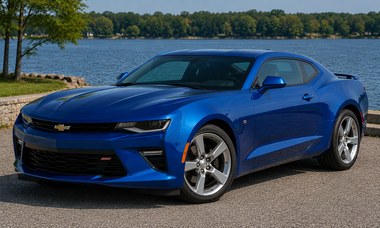
The Camaro was completely redesigned for 2016 on GM's Alpha platform. The sixth-generation car is lighter and more sophisticated than its predecessor and introduced a much broader range of powertrains.
The lineup included a 2.0L turbocharged four-cylinder, an updated 3.6L V6, the SS's 6.2L LT1 V8, and the ZL1's supercharged 6.2L LT4 V8.
From a reliability standpoint, the sixth generation has several advantages. Its engines are generally strong when maintained properly, later cars benefit from years of production refinement, and buyers can find relatively young examples.
However, the eight-speed automatic transmission used in many earlier sixth-generation cars deserves specific attention because of its well-known shudder problem.
2016 Chevy Camaro Reliability
The 2016 Camaro was the first year of the completely redesigned sixth generation.
I wouldn't automatically avoid it, but I'd inspect one more carefully than a later example. First-year production, electronics and drivetrain calibration can create issues that manufacturers refine during subsequent model years.
On an automatic car, transmission operation is particularly important. Any shuddering or vibration under light acceleration should be investigated rather than accepted as a normal characteristic.
2017 Chevy Camaro Reliability
The 2017 Camaro brought the return of the ZL1 and represents another year of experience with the sixth-generation platform.
The major buying consideration for ordinary automatic models remains the eight-speed transmission. Engine choice otherwise depends largely on how much performance and operating cost you want.
A stock 2017 with complete maintenance records can be an excellent used performance car, but transmission behavior needs a proper road test.
2018-2019 Chevy Camaro Reliability
The 2018 and 2019 Camaro are generally attractive sixth-generation years, but automatic-transmission selection remains important.
Cars equipped with the eight-speed automatic should be checked specifically for torque-converter shudder. The sensation is often described as driving over a rumble strip during light acceleration or steady-speed operation.
The problem doesn't mean every eight-speed Camaro is unreliable. Some vehicles were successfully corrected through revised fluid procedures or other repairs. Documentation showing that the issue was properly addressed can be reassuring.
Performance versions using other transmission configurations need to be evaluated according to their own drivetrain and previous use.
2020-2024 Chevy Camaro Reliability
The 2020-2024 Camaro represents the mature end of sixth-generation production and includes many of the years I'd investigate first.
By this point Chevrolet had years of experience with the Alpha-platform Camaro, and later transmission combinations avoid some of the concern surrounding the earlier eight-speed automatic.
These cars are also young enough that age-related deterioration is less significant than on a 2010-2012 Camaro.
The final 2024 model year doesn't automatically make a car better than a well-maintained 2020 or 2021. With performance cars, condition and ownership history continue to outweigh small differences in model year.
Buyer Tip: If budget permits, 2020-2024 is where I'd generally begin when shopping for a later Camaro, then narrow the search by engine, transmission and condition.
2.0L Turbo Camaro Reliability
The 2.0L turbocharged four-cylinder may seem unusual in a Camaro, but it gives the sixth-generation car respectable performance while reducing fuel consumption and front-end weight.
The engine can provide good service when maintained properly, but a turbocharger and direct injection add complexity compared with an older naturally aspirated engine.
Oil-change history is important. Turbochargers rely on the engine's oil supply, and neglect can increase the likelihood of turbo and internal-engine problems.
Watch for abnormal turbo noises, loss of boost, smoke, oil consumption, misfires or aftermarket tuning.
The biggest used-car concern may be modifications. Turbocharged engines are relatively easy to tune for additional boost, and a modified 2.0T may have experienced considerably more cylinder pressure and drivetrain stress than Chevrolet intended.
Buyer Tip: A stock 2.0T with excellent maintenance can be a sensible Camaro. I'd avoid assuming that an extensively tuned four-cylinder is harmless simply because it isn't a V8.
Sixth-Generation 3.6L V6 Reliability
The sixth-generation 3.6L V6 offers an appealing middle ground between the turbo four-cylinder and V8.
It provides substantially more power than most ordinary family cars without the fuel, tire and insurance costs associated with the highest-performance Camaro versions.
Later 3.6L engines don't carry exactly the same timing-chain reputation as the earliest fifth-generation V6 cars, but oil maintenance remains important. Direct injection, variable valve timing and cylinder-management technology make this a sophisticated engine rather than an old-fashioned simple V6.
For a buyer who wants a Camaro primarily as a daily driver, a stock later V6 with complete service history can be one of the more rational choices in the lineup.
6.2L LT1 Camaro SS Reliability
The sixth-generation Camaro SS uses the 6.2L LT1 V8. This direct-injected small-block provides substantially more power than the older LS3 while remaining capable of high mileage when maintained correctly.
The LT1 includes technologies such as direct injection and cylinder deactivation, making it more complex than the earlier LS3.
Potential buyers should listen for abnormal valvetrain noise, verify consistent oil maintenance and investigate any persistent misfires or unusual engine behavior.
Cooling also matters on a performance car. An SS that has spent significant time at track events may have experienced operating conditions far beyond those of an ordinary commuter.
Despite the additional complexity, the LT1 itself isn't a reason I'd avoid a sixth-generation SS. A stock, well-maintained example can be a very durable high-performance car.
2017-2024 Camaro ZL1 Reliability
The sixth-generation ZL1 uses Chevrolet's supercharged 6.2L LT4 V8 and produces performance that would have been exotic-car territory not many years earlier.
The LT4 can be a strong engine, but everything surrounding it operates under greater stress than in a base Camaro. Supercharger operation, cooling systems, transmission, differential, brakes, tires and suspension all deserve inspection.
The cost of getting a ZL1 purchase wrong is also substantially higher. A repair that would be inconvenient on a V6 Camaro can become a major expense on a supercharged performance model.
Modification history matters enormously. Pulley changes, aggressive tuning, ethanol conversions and other power modifications can substantially increase output while also increasing stress.
Buyer Tip: A used ZL1 is one of the Camaro versions where I'd consider a specialist pre-purchase inspection essential rather than optional.
Camaro 1LE Reliability and Buyer Considerations
The 1LE package deserves mention because it changes how I'd evaluate a used Camaro even though it isn't simply a separate engine choice.
1LE-equipped cars were designed with serious performance driving in mind and can include upgraded suspension, brakes, cooling, tires and other track-oriented equipment depending on model and year.
Those upgrades don't inherently make a 1LE unreliable. In fact, additional cooling and performance hardware can be beneficial under demanding use.
The issue is that a 1LE is more likely to have been used for track days or aggressive driving.
Inspect brake condition, tire wear, wheel damage, suspension components and drivetrain fluids carefully. Ask directly whether the car has been tracked, and look for evidence rather than relying solely on the answer.
Camaro Eight-Speed Automatic Transmission Shudder
The eight-speed automatic transmission shudder is one of the most important sixth-generation Camaro problems for a used buyer to understand.
Affected cars may develop a vibration or shudder during light acceleration or steady-speed driving. Owners often describe the sensation as similar to driving over a rumble strip.
The issue has been associated with the torque converter and transmission-fluid characteristics. Revised fluid and service procedures have corrected the problem on many vehicles, although individual cars may require additional work.
During a test drive, don't limit yourself to hard acceleration. The shudder can be most noticeable under relatively light throttle at normal road speeds.
If the seller says the transmission "always did that," don't accept the explanation without documentation. Determine whether the vehicle received the appropriate service and whether the symptom is actually gone.
Buyer Tip: An eight-speed Camaro that had the proper corrective service and now drives smoothly can still be worth buying. An untreated car that currently shudders should be priced as a vehicle needing diagnosis and possible transmission work.
Manual vs. Automatic Camaro Reliability
A manual transmission can be attractive to buyers hoping to avoid automatic-transmission concerns, particularly the eight-speed shudder found on some sixth-generation cars.
But a manual Camaro introduces its own variables. Clutch wear, synchronizer condition, missed shifts, aggressive launches and previous-owner technique all affect durability.
A manual SS that has been driven responsibly can be an excellent long-term combination. One that has spent years at drag strips launching on sticky tires can be a very different vehicle.
Automatic Camaros can also be durable, particularly when the correct transmission is chosen and maintained properly. Later 10-speed automatic applications are especially appealing for buyers who want both performance and an automatic.
Bottom Line: I wouldn't choose manual or automatic solely on a blanket reliability rule. I'd choose the transmission I wanted, avoid an unresolved eight-speed shudder, and put enormous weight on the condition and history of the individual car.
Common 2016-2024 Chevy Camaro Problems
- Eight-speed automatic torque-converter shudder on affected cars
- Clutch wear on manual-transmission cars
- Differential and driveline noise or wear
- Oil leaks and oil-consumption concerns on individual engines
- Ignition, sensor and engine-management problems
- Turbocharger or boost-system problems on 2.0T models
- Cooling-system concerns, particularly on heavily driven performance cars
- Electrical and infotainment glitches
- Battery-related problems on infrequently driven cars
- Rapid tire and brake wear on performance versions
- Suspension wear or alignment issues after aggressive use
- Damage or reliability problems related to aftermarket tuning and modifications
Buyer Tip: The sixth-generation Camaro's engines are generally not the first thing that would scare me away from one. I'd be more concerned about an unresolved eight-speed transmission shudder, poor maintenance, evidence of track or drag-strip abuse, and questionable aftermarket modifications.
What Are the Biggest Camaro Reliability Differences?
- 2010-2011 V6: Early 3.6L timing-chain history deserves extra scrutiny.
- 2012-2015: Generally the fifth-generation years I'd investigate first.
- LS3 manual SS: One of the most appealing older combinations for performance and mechanical durability.
- L99 automatic SS: Still capable of high mileage but somewhat more mechanically complex than the LS3.
- 2016: First year of the completely redesigned sixth generation.
- Earlier sixth-generation automatics: Check carefully for eight-speed transmission shudder.
- 2020-2024: Mature sixth-generation years and generally where I'd begin if budget allows.
- 2.0T: Can be reliable stock, but aftermarket tuning deserves scrutiny.
- Later 3.6L V6: A sensible daily-driver Camaro when properly maintained.
- 6.2L V8: Strong basic engine durability, but previous use becomes increasingly important.
- 1LE and ZL1: Excellent factory performance hardware, but greater likelihood of hard driving or track use.
Bottom Line: The modern Camaro is capable of being a surprisingly durable performance car. I'd be most cautious with an early V6 showing questionable timing-chain or oil history, any automatic car with unresolved transmission shudder, and any Camaro with extensive undocumented modifications. For most buyers, a stock, well-maintained later fifth-generation or sixth-generation Camaro provides the best odds of combining performance with dependable long-term ownership.
What Are The Best Chevy Camaro Years to Buy?
The best Chevy Camaro years depend somewhat on whether you want a V6, SS, ZL1 or simply the newest reliable Camaro your budget allows. Overall, I'd concentrate on the later years of each generation and place unusually heavy weight on condition and previous-owner history.
| Camaro Years | Why They Stand Out |
|---|---|
| 2012-2015 | Mature fifth-generation cars; generally preferable to the earliest 2010-2011 models |
| 2013-2015 SS | Strong 6.2L V8 choices, particularly a stock LS3/manual car with good maintenance history |
| 2017-2019 | Strong sixth-generation cars, but eight-speed automatic versions require careful shudder inspection |
| 2020-2024 | Mature sixth-generation production and among the Camaro years I'd investigate first overall |
Best Fifth-Generation Years: I'd generally start with 2012-2015. These avoid the earliest production years while giving buyers a wide choice of V6, SS and higher-performance versions.
Best Sixth-Generation Years: I'd generally favor 2020-2024 if the budget permits. They benefit from several years of production experience and avoid some of the uncertainty surrounding the earlier eight-speed automatic combinations.
Best Older V8 Combination: For someone who wants a relatively straightforward high-performance Camaro, a stock fifth-generation LS3 6.2L V8 with the manual transmission is particularly appealing.
Which Chevy Camaro Years Should You Avoid Or Require Extra Caution?
There aren't many modern Camaro years I'd completely rule out. Instead, certain years and drivetrain combinations deserve additional scrutiny.
| Camaro Years | Why Use More Caution |
|---|---|
| 2010-2011 V6 | Early 3.6L engines deserve extra attention for timing-chain and oil-maintenance history |
| 2010 | First year of the revived fifth-generation Camaro |
| 2016 | First year of the completely redesigned sixth generation |
| 2016-2019 with 8-speed automatic | Check specifically for torque-converter shudder and verify any corrective service |
| Any heavily modified Camaro | Aftermarket tuning and increased power can matter more than the model year |
Years I'd Be Most Selective About: I'd apply the most caution to a 2010-2011 V6 with questionable oil history and to any sixth-generation Camaro with an eight-speed automatic that currently shudders.
I'd also be cautious about extremely modified SS or ZL1 models regardless of year. A newer model doesn't compensate for years of hard launches, aggressive tuning or poor maintenance.
Also, Know Your Potential Trade-In Value
While you're narrowing down your next vehicle choice, it's also highly recommended that you know the value of your trade-in. Having a realistic appraisal in hand can help you establish your budget and negotiate a better overall deal. Here's a good source for a quick and accurate appraisal: free trade-in appraisal.
Which Camaro Generation Is Most Reliable?
Both modern Camaro generations can be reliable, but they have different advantages.
The 2010-2015 fifth generation has the benefit of simpler technology in several configurations and a long real-world reliability history. The LS3/manual SS is particularly attractive for buyers who value a relatively straightforward V8 drivetrain.
The 2016-2024 sixth generation is newer, lighter and more sophisticated. Later sixth-generation cars also benefit from years of production refinement and are less affected by age-related deterioration.
If I were buying a Camaro primarily for long-term ownership today, I'd generally favor a later sixth-generation car. If I specifically wanted mechanical simplicity and a traditional V8/manual combination, however, a clean late fifth-generation LS3 SS would remain extremely appealing.
Bottom Line: There isn't a runaway winner. The later sixth generation is the better overall choice for most buyers today, while the late fifth generation contains some of the simplest and most proven performance combinations.
Which Chevy Camaro Engine Is Most Reliable?
The Camaro was offered with several fundamentally different engines, and each appeals to a different buyer.
3.6L V6
The 3.6L V6 can be a durable engine, but I'd distinguish the earliest fifth-generation versions from later engines.
On a 2010-2011 V6, timing-chain and oil-maintenance history deserve particular attention. Later V6 Camaros are generally more appealing and can provide substantial mileage when serviced consistently.
For someone who wants a Camaro as an everyday car rather than primarily for maximum performance, a stock later 3.6L can be a sensible choice.
2.0L Turbo Four-Cylinder
The 2.0L turbo can also provide good service, but it adds turbocharger complexity and is particularly sensitive to modification history.
I'd rather buy a completely stock 2.0T with documented oil changes than a lower-mileage example running an aggressive aftermarket tune.
LS3 6.2L V8
If we're talking about a combination of proven durability, performance and relative mechanical simplicity, the fifth-generation LS3 deserves special recognition.
The engine has an excellent basic architecture and avoids some of the additional cylinder-deactivation complexity found in certain other Camaro V8 combinations.
A stock LS3 Camaro with proper maintenance can remain mechanically healthy well beyond 100,000 miles.
L99 6.2L V8
The automatic fifth-generation SS uses the L99 rather than the LS3. It is still based on GM's durable small-block architecture and can last a long time.
However, its additional cylinder-deactivation hardware makes it somewhat more complicated, which is why I'd lean toward the LS3 if reliability and simplicity were the deciding factors.
LT1 6.2L V8
The sixth-generation SS's LT1 is substantially more sophisticated than the LS3, incorporating direct injection and cylinder-deactivation technology.
It is nevertheless capable of high mileage when maintained properly. I'd pay close attention to oil-change history, valvetrain noise, misfires and modification history.
Supercharged LSA and LT4
The ZL1's supercharged engines are engineered to handle enormous power, but they're not the engines I'd choose if minimizing long-term ownership expense were the primary objective.
The engines themselves can be robust. The problem is that superchargers, cooling systems and surrounding drivetrain components add expense, while ZL1s are also more likely to have experienced demanding use.
Most Reliable Camaro Engine: If forced to choose one purely for its combination of durability and simplicity, I'd give the edge to the LS3 6.2L V8. For a less expensive daily driver, a well-maintained later 3.6L V6 can also be a very reasonable long-term choice.
Chevy Camaro Transmission Reliability
Transmission reliability varies considerably depending on generation and configuration.
Manual Transmissions
A manual Camaro can be an excellent long-term choice, particularly when paired with a V8. The transmission itself can be strong, but clutch and synchronizer wear depend heavily on how the car was driven.
Check for:
- Clutch slipping under hard acceleration
- Grinding during shifts
- Difficult gear engagement
- Clutch chatter
- Unusual transmission noise
- Driveline clunks
- Evidence of repeated hard launches
A clutch is a wear item, so a Camaro needing a clutch isn't necessarily unreliable. But clutch replacement on a performance car isn't an expense you want to discover immediately after purchase.
Fifth-Generation Automatic
The fifth-generation automatic can provide good service when maintained properly.
Check for slipping, delayed engagement, harsh shifts and evidence of overheating or abuse. Cars that have been modified for substantially more power deserve additional scrutiny because the transmission may have been subjected to loads beyond the original configuration.
Sixth-Generation Eight-Speed Automatic
The eight-speed deserves the most caution because of the torque-converter shudder discussed earlier.
If the car has a documented history of the appropriate corrective service and now operates perfectly, I wouldn't automatically reject it.
If it currently shudders, I'd want the problem professionally diagnosed before buying.
Later 10-Speed Automatic
The later 10-speed automatic is generally the automatic configuration I'd favor in a performance-oriented sixth-generation Camaro.
It provides extremely quick shifts and avoids the specific eight-speed torque-converter shudder issue.
That doesn't make every 10-speed flawless. Harsh shifts, delayed engagement or unusual behavior still deserve investigation, especially on a modified car.
Most Common Chevy Camaro Problems
These are the trouble areas I'd pay the most attention to when evaluating a 2010-2024 Camaro.
1. Early 3.6L V6 Timing-Chain Problems
Timing-chain wear is one of the more important concerns on early V6 Camaros.
Warning signs can include a check-engine light, timing-related codes, rough running and abnormal engine noise.
Consistent oil maintenance is particularly important. A 2010 or 2011 V6 with incomplete service history deserves more caution than a documented later example.
2. Eight-Speed Automatic Shudder
Some sixth-generation Camaros with the eight-speed automatic can develop the characteristic rumble-strip-like vibration associated with torque-converter shudder.
Because the symptom can occur during light-throttle driving, make sure the test drive includes ordinary cruising rather than just hard acceleration.
3. Clutch Wear
Manual-transmission Camaros can require clutch replacement, particularly if previous owners frequently launched the car hard or drove aggressively.
A clutch that begins slipping when the V8 produces maximum torque is telling you something important.
4. Differential and Driveline Problems
Differential noise, vibration and driveline clunks deserve attention, particularly on high-performance models.
Some noise characteristics may be normal for a performance drivetrain, but pronounced whining, grinding or banging should be diagnosed.
5. Oil Consumption and Oil Leaks
Oil consumption varies by engine and individual vehicle. Small leaks can also develop as mileage increases.
Low oil is particularly concerning on engines with variable valve timing, timing-chain systems or turbochargers.
Check the oil level before the test drive rather than assuming the seller recently checked it.
6. Valvetrain Problems
Modern Camaro V8 engines can develop valvetrain-related problems on individual vehicles, particularly where cylinder-deactivation hardware is involved.
Persistent ticking, misfires or unusual valvetrain noise should be diagnosed rather than dismissed as simply the sound of a V8.
7. Cooling-System Problems
Cooling-system condition becomes especially important on Camaros used for track days or repeated hard driving.
Check coolant level, look for leaks and investigate any history of overheating.
8. Turbocharger Problems on 2.0T Models
The turbocharger can eventually become a repair item, particularly on poorly maintained or aggressively modified cars.
Watch for loss of boost, smoke, abnormal noises and boost-related diagnostic codes.
9. Electrical and Infotainment Problems
Modern Camaros can develop problems involving infotainment, sensors, cameras and other electronic features.
Operate everything during the inspection. Rear visibility is limited enough in a Camaro without discovering after purchase that the camera isn't working properly.
10. Battery Problems on Infrequently Driven Cars
Some Camaros spend long periods parked, particularly ZL1s, 1LEs and other cars owned as weekend toys.
Repeatedly allowing a battery to discharge can cause starting problems and confusing electronic symptoms.
Very low annual mileage therefore isn't automatically proof that a Camaro has had an easy life.
11. Tire and Brake Wear
Performance tires and large brakes can be expensive.
An SS, 1LE or ZL1 needing four tires and a complete brake job shortly after purchase can produce a substantial bill even though nothing has technically "failed."
12. Problems Caused by Modifications
This deserves its own category because modifications can completely change the reliability equation.
Be particularly cautious with:
- Aggressive engine tunes
- Supercharger or turbocharger modifications
- Smaller supercharger pulleys
- Aftermarket camshafts
- Raised boost pressure
- Modified fuel systems
- Drag-racing suspension setups
- Extremely wide or sticky rear tires
- Removed emissions equipment
- Poorly documented engine builds
A professionally modified car can be excellent. The problem is that determining the quality of someone else's project requires much more knowledge than evaluating a stock Camaro.
How Long Does a Chevy Camaro Last?
A properly maintained modern Camaro can realistically last 150,000 miles or more. Some can reach 200,000 miles, particularly when used primarily as normal street cars rather than subjected to constant high-performance driving.
Engine longevity isn't necessarily the limiting factor. Clutches, transmissions, differentials, suspension components, cooling systems, electronics and normal wear items can all require attention as mileage increases.
Is 100,000 Miles Too Much for a Chevy Camaro?
No. 100,000 miles isn't automatically too much for a Camaro.
A stock 100,000-mile car with excellent maintenance can be a better purchase than a modified 50,000-mile Camaro that has spent years being raced.
At 100,000 miles I'd want a detailed understanding of:
- Oil-change history
- Transmission service
- Clutch condition on manual cars
- Differential service
- Cooling-system maintenance
- Previous modifications
- Accident history
- Track or drag-strip use
- Brake and tire condition
- Any previous major engine or transmission repair
Should You Buy a Camaro With 150,000 Miles?
A 150,000-mile Camaro can still make sense, but condition and price need to justify the mileage.
I'd be most comfortable with a largely stock car that accumulated substantial highway mileage and has extensive service records.
I'd be much less interested in a 150,000-mile Camaro with multiple previous owners, undocumented modifications and obvious signs of aggressive use.
At this mileage, a professional pre-purchase inspection becomes particularly valuable.
Can a Chevy Camaro Last 200,000 Miles?
Yes. A Camaro can reach 200,000 miles, and the stronger V6 and V8 engines are capable of that mileage with proper care.
But I'd describe 200,000 miles as achievable rather than something every Camaro should be expected to reach without significant repairs.
A car that reaches this mileage may have needed suspension work, cooling-system repairs, wheel bearings, a clutch, transmission work, differential service and numerous other components even if the original engine remains healthy.
Chevy Camaro Maintenance and Repair Costs
Routine maintenance on a V6 Camaro can be reasonably affordable. Costs rise considerably as you move into SS, 1LE and ZL1 territory because tires, brakes and performance-specific components become more expensive.
| Repair or Service | Typical Cost Range |
|---|---|
| Oil and filter change | $70-$150+ |
| Spark plugs | $250-$600+ |
| V6 brake service | $500-$1,000+ |
| SS/performance brake service | $800-$2,000+ |
| Set of performance tires | $900-$2,000+ |
| Wheel bearing/hub | $400-$800+ |
| Clutch replacement | $1,500-$3,000+ |
| Early V6 timing-chain repair | $1,800-$3,500+ |
| 2.0L turbocharger replacement | $1,500-$3,000+ |
| Differential repair | $1,500-$3,500+ |
| Automatic transmission replacement/rebuild | $4,000-$7,000+ |
| Major V6/V8 engine repair or replacement | $5,000-$10,000+ |
| ZL1 major powertrain repair | Potentially substantially higher |
These are broad estimates rather than repair quotes. Labor rates, engine, trim, parts choice and location can change the actual cost significantly.
The key point is that buying a performance Camaro cheaply doesn't make its performance-car components cheap. This is especially important with an older SS, 1LE or ZL1.
In addition, your trade-in allowance, if you are doing that, will also affect the overall potential cost analysis of moving into a Camaro. See KBB versus Edmunds Appraisals - Which Is Better for more on this.
Maintenance to Expect After 100,000 Miles
A Camaro passing 100,000 miles can have plenty of life remaining, but I'd review more than the basic oil-change history.
- Engine oil and filter service
- Transmission-fluid history
- Differential-fluid service
- Coolant condition
- Spark plugs and ignition components
- Serpentine belt and tensioner
- Clutch condition on manual cars
- Brake pads and rotors
- Brake-fluid condition
- Wheel bearings
- Shocks, struts and suspension bushings
- Engine and transmission mounts
- Cooling-system hoses and components
- Oil-leak inspection
- Turbocharger condition on 2.0T models
- Supercharger operation on ZL1 models
- Alignment and tire condition
On a performance car, drivetrain-fluid maintenance is particularly important. A seller who changed the engine oil religiously but ignored the transmission and differential hasn't necessarily maintained the entire car well.
What to Check Before Buying a Used Chevy Camaro
A good pre-purchase inspection should tell you not only whether the Camaro currently works, but also how it appears to have been treated.
- Start it completely cold: Listen for timing-chain, valvetrain or other abnormal engine noise.
- Check the oil: Low oil or extremely dirty oil is particularly concerning on a performance car.
- Scan for diagnostic codes: Check current and pending codes and look for recently cleared monitors.
- Test the transmission fully warmed: Include light-throttle cruising as well as harder acceleration.
- Check specifically for eight-speed shudder: A rumble-strip-like vibration deserves investigation.
- Test the clutch: On a manual, accelerate under load in a higher gear and check for slipping.
- Listen to the differential: Investigate pronounced whining, grinding or clunking.
- Inspect the tires carefully: Uneven wear can reveal alignment problems, suspension issues or aggressive use.
- Look at the rear tires: Excessively worn rear tires can tell an interesting story on a rear-wheel-drive performance car.
- Inspect the brakes: Performance brake replacement can be expensive.
- Look for modifications: Determine exactly what was changed and who performed the work.
- Check the ECU/tuning history when possible: A car returned to stock before sale may not have lived its entire life stock.
- Look underneath: Check for leaks, damaged underbody components and evidence of track or drag-strip use.
- Check body-panel consistency: Performance cars are more likely than ordinary commuters to have experienced accident damage.
- Test all electronics: Cameras, infotainment, climate control and power accessories should all function correctly.
- Get a professional inspection: Particularly important for SS, 1LE, ZL1 and modified cars.
Chevy Camaro Pros and Cons
Pros
- Core V6 and V8 engines can be surprisingly durable
- 150,000 miles is realistic with proper maintenance
- 200,000 miles is possible
- LS3 V8 offers an excellent combination of performance and simplicity
- Later sixth-generation cars are strong overall used choices
- Wide choice of four-cylinder, V6 and V8 engines
- Manual transmissions available with several desirable configurations
- Excellent performance for the money
- Large enthusiast community and good parts availability
- Many mechanical components are familiar to independent repair shops
Cons
- Early V6 timing-chain problems deserve attention
- Some eight-speed automatics develop torque-converter shudder
- Performance models can be expensive to maintain
- Tires and brakes can be costly
- Manual cars may have significant clutch wear
- SS, 1LE and ZL1 models may have been driven very aggressively
- Aftermarket modifications can dramatically change reliability
- Low mileage doesn't necessarily mean gentle previous use
- ZL1 repairs can become very expensive
- Poor outward visibility can make a functioning camera system especially important
Final Buyer Summary: Is the Chevy Camaro Reliable?
The 2010-2024 Chevy Camaro can be a reliable and surprisingly long-lived performance car when you choose carefully. Its reputation shouldn't be determined solely by horsepower or the likelihood that some owners drive them aggressively.
I'd be most cautious with the 2010-2011 V6 if maintenance history is incomplete because early 3.6L timing-chain problems deserve attention. The 2012-2015 fifth-generation cars are generally more attractive, and a stock LS3/manual SS is one of my favorite combinations for buyers seeking V8 performance with relatively straightforward mechanicals.
The 2016 Camaro introduced a substantially better-performing sixth-generation platform but was also its first production year. The following years can be excellent cars, although buyers considering an eight-speed automatic need to check specifically for torque-converter shudder and verify any corrective service.
For most buyers with the budget, I'd begin my search with the 2020-2024 Camaro. These are mature sixth-generation cars, are still relatively young, and include several excellent engine and transmission combinations.
The 2.0L turbo can make sense for someone who wants an economical Camaro, while a later 3.6L V6 is a strong daily-driver choice. The 6.2L V8 provides the performance most people associate with the Camaro without automatically sacrificing long-term durability.
ZL1 and 1LE models require a different mindset. Their factory engineering is impressive, but their likelihood of track use, hard driving and modifications makes individual history particularly important.
Most importantly, don't judge a used Camaro by mileage alone. I'd rather own a stock 90,000-mile Camaro with complete records and one responsible owner than a 40,000-mile example with questionable tuning, repeated hard launches and no documentation.
Buyer Takeaway: A well-maintained Camaro can realistically reach 150,000 miles, and 200,000 miles is possible. Favor later years, investigate early V6 timing-chain history and eight-speed transmission shudder where applicable, be suspicious of undocumented modifications, and have high-performance versions professionally inspected before buying.
What's Next?
If you may be buying soon, you may want to take a look at my most effective negotiation method for used cars. It explains a quick way to identify the dealerships most motivated to deal, no matter how busy they may seem, and how to follow up once you've found them. This can be the difference between getting a good price and getting a great one.
Also, for more Chevrolet model reliability information, see our Chevrolet Reliability and Problems Guide. This comprehensive guide details the best used Chevy models and years, common problems to watch for, the best years to buy or those to avoid, and more.