


Which Ford Mustang years are the most reliable? Which years should you avoid? And if you're shopping for a used Mustang, which engines and generations offer the best combination of reliability, performance, and long-term value?
The Ford Mustang is unusual among used cars because reliability depends on more than model year and engine choice. How the car was driven, maintained, modified, and even stored can matter enormously. A completely stock Mustang with good service records can be a very different purchase from an identical model that has been heavily modified, tuned, raced, or repeatedly driven hard.
From 1999 through 2023, Mustang buyers could choose from V6, naturally aspirated V8, turbocharged four-cylinder, and high-performance specialty engines. Some have proven remarkably durable and can exceed 200,000 miles, while certain years and powertrains have problems that deserve additional attention.
This guide covers Ford Mustang model years from 1999 through 2023, including reliability by generation, common problems, engine differences, years to avoid or inspect carefully, repair costs, expected lifespan, and the best years to buy.
In This Guide You'll Learn
- How reliable the Ford Mustang is over the long term
- Which Ford Mustang years are the best choices
- Which Mustang years require extra inspection
- The most common problems by generation
- Which Mustang engines are the most reliable
- Which transmissions deserve additional attention
- How much common Mustang repairs can cost
- How long a Ford Mustang can last
- What to inspect before buying a used Mustang
Is the Ford Mustang Reliable?
Overall, the Ford Mustang can be a surprisingly reliable performance car. Many of its engines are mechanically durable, replacement parts are widely available, and the Mustang's enormous popularity means most repairs are well understood by independent shops and Mustang specialists.
The naturally aspirated V8 engines are particularly appealing for long-term ownership. Ford's 4.6-liter V8 powered many 1999-2010 Mustang GT models, while the 5.0-liter Coyote V8 arrived for 2011 and became one of the defining engines of the modern Mustang.
The six-cylinder cars shouldn't be overlooked. The 3.8-liter V6 used in earlier models is relatively simple, while the 3.7-liter V6 introduced for 2011 offers substantially more power and has developed a generally strong durability reputation.
Beginning in 2015, Ford also offered the 2.3-liter turbocharged EcoBoost inline-four. It delivers impressive performance and fuel economy, but turbocharging and direct injection add complexity compared with the naturally aspirated engines.
Transmission choice is another important consideration. Certain manual-transmission Mustangs use the Getrag MT82 six-speed, which has generated complaints involving difficult shifting, gear engagement, noise, and other issues. Automatic transmissions can also develop problems, particularly when subjected to repeated hard driving or increased power from modifications.
Perhaps the biggest variable with any used Mustang is its previous owner. Burnouts, drag racing, aggressive launches, aftermarket tunes, superchargers, suspension modifications, and oversized wheels can place additional stress on components that would otherwise provide long service.
Strengths
- Many engines are capable of exceeding 200,000 miles
- Strong durability from several naturally aspirated V8 engines
- Excellent parts availability
- Large aftermarket and enthusiast support network
- Most independent shops are familiar with Mustang repairs
- Relatively straightforward maintenance on many versions
- Strong resale demand for desirable configurations
Potential Weaknesses
- MT82 manual transmission concerns on certain models
- Higher likelihood of previous aggressive driving
- Aftermarket modifications can reduce reliability
- Turbocharger-related repairs on higher-mileage EcoBoost models
- Cooling and oil-consumption concerns on certain engines
- Suspension and differential wear on heavily driven cars
- Convertible-top problems on older convertibles
Bottom Line: The Ford Mustang can be very reliable for a performance-oriented car, but condition and previous ownership matter more here than with many ordinary sedans or SUVs. A stock, carefully maintained Mustang is generally the safest used purchase.
Reliability at a Glance
| Category | Our Assessment |
|---|---|
| Overall Reliability | Above Average for a Performance Car |
| Best Used Years | 2003-2004, 2008-2009, 2013-2014, 2017-2020 |
| Years Requiring Extra Inspection | 1999-2001, 2005-2006, 2011-2012, 2015-2016 |
| Strong V8 Choices | 4.6-liter V8 and 5.0-liter Coyote V8 |
| Strong V6 Choice | 3.7-liter V6 |
| Expected Lifespan | 200,000+ miles with proper maintenance |
| Maintenance Costs | Moderate, but potentially much higher on performance models |
Buyer Tip: On a Mustang, mileage alone tells you surprisingly little. A stock 100,000-mile car driven primarily on the highway may have experienced substantially less mechanical stress than a modified 50,000-mile car that spent weekends at the drag strip.
And I can't stress this enough:
Multiple dealers → compete for your business → you save
Reliability by Generation
1999-2004: Fourth Generation

The 1999-2004 Mustang represents the final years of Ford's long-running fourth-generation platform. These cars are now old enough that condition and previous ownership often matter more than the differences between individual model years.
Most mainstream models used either a 3.8-liter V6 or 4.6-liter V8. The Mustang GT's 4.6-liter single-overhead-cam V8 is one of the more appealing engines from this period because of its relatively straightforward design, widespread parts availability, and ability to accumulate substantial mileage.
Higher-performance versions included the Mustang Cobra and Mach 1, which used more sophisticated 4.6-liter V8 configurations. These cars can also be durable, but their higher value and greater likelihood of aggressive driving make originality and maintenance history particularly important.
The 1999-2004 cars are mechanically simpler than newer Mustangs, which can make them relatively inexpensive to maintain. Age, however, brings its own problems. Rubber components, seals, suspension bushings, cooling-system parts, electrical components, and weatherstripping may all require attention even on low-mileage examples.
Common Problems
- Cooling-system leaks and aging hoses
- Intake manifold concerns on certain earlier 4.6-liter V8 engines
- Oil leaks as engines age
- Clutch wear on manual-transmission cars
- Rear differential noise or leaks
- Worn suspension bushings and ball joints
- Power window and electrical problems
- Convertible-top and weather-seal deterioration
Buyer Tip: Inspect any 1999-2004 Mustang for age-related deterioration even if the odometer is unusually low. Twenty-plus years of heat, moisture, and inactivity can damage components that aren't affected by mileage.
Bottom Line: A well-preserved 1999-2004 Mustang can still be a dependable and relatively inexpensive enthusiast car, with the 4.6-liter V8 GT being particularly attractive for buyers seeking traditional V8 performance without excessive complexity.
2005-2014: Fifth Generation

The completely redesigned 2005 Mustang introduced retro-inspired styling and a new platform while retaining the traditional front-engine, rear-wheel-drive formula.
This generation is especially interesting for used-car buyers because it spans two substantially different eras of Mustang powertrains.
The 2005-2010 Mustang GT used a 4.6-liter three-valve V8, while 2011 brought the dramatically more powerful 5.0-liter Coyote V8. V6 models changed just as significantly, moving from the older 4.0-liter V6 to the much stronger 3.7-liter V6 for 2011.
4.0-Liter V6
The 4.0-liter V6 used in 2005-2010 Mustangs provides adequate performance and can accumulate substantial mileage, but it isn't generally the engine enthusiasts seek out from this generation.
Timing chain components deserve attention as mileage increases. A pronounced rattle, particularly during startup, shouldn't be ignored.
For buyers primarily interested in inexpensive Mustang ownership rather than maximum performance, a stock and well-maintained 4.0-liter car can still provide good service.
4.6-Liter Three-Valve V8
The 4.6-liter V8 used in the 2005-2010 Mustang GT combines traditional V8 character with generally good durability. Properly maintained examples can comfortably exceed 150,000 miles, and 200,000-mile cars aren't unusual.
Spark plug servicing is one area requiring proper technique on certain versions of Ford's three-valve 4.6-liter engine. Ignition coils, cooling-system components, and normal age-related oil leaks can also require attention as mileage increases.
Later 2008-2010 examples are attractive because they benefit from several years of production refinement while retaining the relatively simple 4.6-liter V8 drivetrain.
Buyer Tip: A stock 2008-2010 Mustang GT with maintenance records can be an appealing choice for someone who wants a relatively straightforward modern V8 Mustang without paying Coyote-powered Mustang prices.
2011-2014: The 5.0-Liter Coyote Arrives
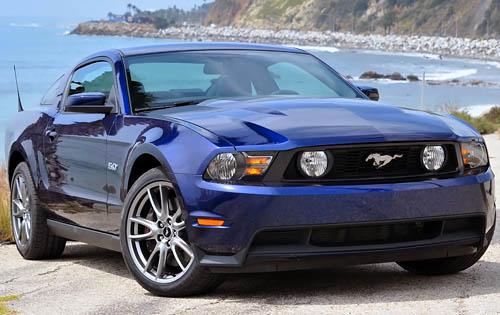
The Mustang changed dramatically for 2011 even though the basic body remained familiar. Ford introduced the 5.0-liter Coyote V8 in the Mustang GT, increasing performance substantially while creating an engine family that would become one of Ford's most important modern V8 designs.
The naturally aspirated 5.0-liter V8 has generally developed a strong reputation for durability. With proper maintenance, high-mileage examples can remain remarkably healthy.
However, these cars are also popular modification platforms. Aftermarket tunes, exhaust systems, intake modifications, superchargers, and other performance upgrades are common. Modifications don't automatically make a Mustang unreliable, but they make it more difficult to know how much mechanical stress the engine and drivetrain have experienced.
The 2011 model year also introduced the 3.7-liter V6. Producing substantially more power than the previous 4.0-liter engine, the 3.7-liter provides an excellent combination of performance, fuel economy, and long-term durability.
Common 2005-2014 Problems
- MT82 manual transmission shifting complaints on 2011-2014 cars
- Clutch wear on aggressively driven manual-transmission models
- Timing chain concerns on higher-mileage 4.0-liter V6 engines
- Ignition coil and spark plug issues
- Rear differential noise or leaks
- Suspension component wear
- Water leaks and convertible-top concerns
- Problems related to aftermarket modifications or tuning
Buyer Tip: If you're shopping for a 2011-2014 Mustang GT, don't just ask whether it has been modified. Ask what was changed, who performed the work, whether the ECU was tuned, and whether the original components are included with the car.
Bottom Line: The 2005-2014 generation offers several strong used choices. The 2008-2010 GT provides relatively simple 4.6-liter V8 ownership, while the 2013-2014 cars combine the excellent 3.7-liter V6 or 5.0-liter V8 with a mature version of the fifth-generation platform.
2015-2023: Sixth Generation

The Mustang was completely redesigned for 2015 with independent rear suspension, more sophisticated electronics, improved interior quality, and significantly more refined handling.
The engine lineup included the 3.7-liter naturally aspirated V6 during the early years, the 2.3-liter turbocharged EcoBoost inline-four, and increasingly powerful versions of the 5.0-liter Coyote V8.
High-performance Shelby models used specialized engines and deserve additional inspection because repair costs can be substantially higher than on mainstream Mustangs.
The sixth-generation Mustang is generally reliable, but increased performance and complexity make maintenance history especially important.
2.3-Liter EcoBoost Inline-Four
The 2.3-liter turbocharged EcoBoost inline-four allowed Ford to offer strong performance with substantially better fuel economy than the V8. In stock form and with proper maintenance, it can provide good long-term reliability.
Turbocharged engines are less tolerant of poor maintenance than simpler naturally aspirated engines. Regular oil changes with the correct specification are particularly important for turbocharger and engine longevity.
Modified EcoBoost Mustangs require additional caution. Increased boost pressure and aggressive aftermarket tuning can place substantially greater stress on the engine, turbocharger, transmission, and cooling system.
Buyer Tip: For long-term reliability, we'd generally favor a completely stock EcoBoost Mustang with documented oil changes over a modified example producing significantly more than factory power.
5.0-Liter Coyote V8
The 5.0-liter naturally aspirated Coyote V8 remained the centerpiece of the Mustang GT throughout the sixth generation. Ford continued developing the engine, increasing power and introducing significant mechanical updates over time.
Overall durability remains one of the engine's strengths. Properly maintained examples can accumulate substantial mileage despite producing far more power than earlier Mustang V8s.
Some owners of later 5.0-liter engines have reported increased oil consumption or characteristic ticking noises. These symptoms don't automatically indicate impending engine failure, but unusual oil consumption or mechanical noise should be investigated before purchase.
The engine's popularity with tuners also makes modification history extremely important. A stock 5.0-liter engine with 80,000 miles may present less risk than a 30,000-mile engine that has spent years operating with forced induction and an aggressive tune.
Transmissions
Manual-transmission Mustangs from this period continued using versions of the MT82 six-speed. Complaints can include notchy shifting, difficulty engaging gears, clutch-related problems, and poor high-rpm shift quality.
Ford also offered automatic transmissions, including the 10-speed automatic beginning with the 2018 Mustang. The 10-speed provides very quick shifts and contributes significantly to acceleration, but some vehicles can exhibit harsh, hesitant, or inconsistent shifting behavior.
Common 2015-2023 Problems
- MT82 manual transmission shifting concerns
- Clutch wear on aggressively driven cars
- Oil consumption concerns on certain 5.0-liter V8 engines
- Turbocharger and related problems on neglected EcoBoost models
- Harsh or inconsistent shifting from some 10-speed automatics
- Infotainment and electronic problems
- Suspension noise and wear
- Problems caused or accelerated by aftermarket modifications
Buyer Tip: A pre-purchase inspection is particularly valuable on a sixth-generation Mustang. Have the mechanic look beyond ordinary maintenance and specifically check for evidence of previous tuning, aftermarket performance parts, accident repairs, tire abuse, and drivetrain stress.
Bottom Line: The 2015-2023 Mustang combines impressive performance with generally good reliability. Later models can make excellent used purchases, but a stock car with a documented maintenance history is usually preferable to a heavily modified example regardless of mileage.
Also, More On Ford Reliability
If you'd like to compare different Ford models, or years, be sure to read our Ford Reliability & Problems: Best Used Fords & Years Guide. It highlights the models, best years to buy, common problems, and helps you choose the right vehicle.
Best Ford Mustang Years to Buy
The best Ford Mustang year depends partly on what you want from the car. Someone looking for an affordable V8 weekend car may prefer a 2008-2010 GT, while a buyer seeking modern performance may be better served by a later 5.0-liter Coyote-powered Mustang.
Reliability also depends unusually heavily on the individual car. Because Mustangs are frequently modified and driven aggressively, maintenance history and previous ownership can outweigh relatively small differences between model years.
| Model Year | Why We Recommend It |
|---|---|
| 2003-2004 | Final years of the fourth generation with proven drivetrains and relatively straightforward mechanical systems. Condition is now more important than mileage. |
| 2008-2009 | Mature fifth-generation models. The 4.6-liter V8 GT offers good durability, strong parts availability, and relatively simple V8 performance. |
| 2013-2014 | Among the most appealing fifth-generation Mustangs, with the strong 3.7-liter V6 and 5.0-liter Coyote V8 available in a mature platform. |
| 2017 | Later version of the original sixth-generation design with several years of production refinement and strong engine choices. |
| 2019-2020 | Excellent combination of modern safety, performance, styling, and improved versions of the 2.3-liter EcoBoost and 5.0-liter V8 powertrains. |
| 2021-2023 | Strong choices for buyers wanting a newer Mustang, although purchase prices are higher and individual drivetrain condition remains important. |
Buyer Tip: Don't reject a Mustang simply because it has 80,000 or 100,000 miles. A stock, carefully maintained highway-driven Mustang can be a much better purchase than a modified 40,000-mile example that has experienced repeated hard launches and track use.
If you may be buying soon, I'd recommend reading my most effective negotiation methods for either new cars or used cars. Each explains a quick way to identify the dealerships most motivated to deal, no matter how busy they may seem, and how to follow up once you've found them. That can be the difference between getting a good price and getting a great one.
Ford Mustang Years to Avoid or Inspect Carefully
We wouldn't automatically avoid every Mustang from the following years. Instead, these are years where first-year design changes, age, particular drivetrain concerns, or other issues justify additional inspection.
| Model Year | Why Extra Inspection Is Important |
|---|---|
| 1999-2001 | Age is now a major factor, while certain early 4.6-liter V8 engines deserve attention for intake manifold and cooling-system history. |
| 2005-2006 | First years of the fifth-generation redesign. Inspect carefully for age-related deterioration, drivetrain condition, electrical problems, and evidence of previous abuse. |
| 2011-2012 | Early years of the 5.0-liter Coyote/3.7-liter V6 era. Manual-transmission cars deserve particular scrutiny for MT82 shifting and clutch concerns. |
| 2015-2016 | First years of the sixth-generation redesign, with more early-production issues and additional complexity compared with the outgoing generation. |
Bottom Line: There are relatively few Mustang years we'd categorically tell a buyer to avoid. The more important question is whether the particular car has been maintained, modified, raced, crashed, or abused.
Which Ford Mustang Engine Is Most Reliable?
The Mustang has used several remarkably durable engines. For buyers looking at 1999-2023 models, the 4.6-liter V8, 3.7-liter V6, and 5.0-liter Coyote V8 are particularly appealing.
4.6-Liter V8
The naturally aspirated 4.6-liter V8 powered Mustang GT models for many years and has developed a strong reputation for longevity. Both the earlier two-valve and later three-valve versions can exceed 200,000 miles with proper maintenance.
The engine isn't particularly exotic, parts availability is excellent, and an enormous amount of repair knowledge exists because Ford used variations of the modular V8 family in millions of vehicles.
For buyers who want an inexpensive older V8 Mustang, a well-maintained 4.6-liter GT remains one of our favorite choices.
3.7-Liter V6
The 3.7-liter naturally aspirated V6 introduced for 2011 transformed the base Mustang. With substantially more power than the outgoing V6 and good fuel economy, it offers enough performance to make the car genuinely entertaining.
It can also be a durable engine when properly maintained. Because V6 Mustangs were sometimes purchased as daily drivers rather than dedicated performance cars, it's also possible to find relatively stock examples that haven't been modified extensively.
For someone who doesn't require a V8, a stock 2013-2014 Mustang with the 3.7-liter V6 can offer an excellent combination of reliability, performance, and purchase price.
5.0-Liter Coyote V8
The 5.0-liter naturally aspirated Coyote V8 is arguably the most desirable all-around Mustang engine from this period. It combines exceptional performance with impressive durability when maintained properly.
The engine evolved considerably between its 2011 introduction and the 2023 model year, so individual versions have different characteristics and known concerns. Nevertheless, the basic architecture has demonstrated the ability to withstand substantial mileage and power.
The greatest used-car concern isn't necessarily the engine itself. It's how owners have used it. The Coyote responds extremely well to modifications, which means many used examples have been tuned, raced, supercharged, or otherwise operated considerably beyond their original specifications.
Buyer Tip: If long-term reliability is the priority, we'd take a completely stock 5.0-liter Mustang with excellent records over a significantly modified car even if the modified Mustang has substantially fewer miles.
2.3-Liter EcoBoost
The 2.3-liter turbocharged inline-four delivers considerably more performance than its cylinder count might suggest. A properly maintained stock example can provide good longevity while returning better fuel economy than the V8.
However, turbocharging, direct injection, and the engine's high specific output create more complexity. Proper oil changes, cooling-system maintenance, and conservative tuning become particularly important.
For a used EcoBoost Mustang, originality and maintenance history are especially valuable.
Manual vs. Automatic Mustang Reliability
Transmission choice deserves special attention because Mustang buyers often have strong preferences between manual and automatic cars.
Older manual transmissions can be durable, but clutch condition depends heavily on how the vehicle was driven. A Mustang used for repeated hard launches can require clutch, synchronizer, driveshaft, differential, or axle repairs much sooner than a normally driven car.
The MT82 six-speed manual introduced for the 2011 Mustang has received considerable attention for shifting complaints. Not every MT82 is problematic, but a used car should shift cleanly through every gear when cold and fully warmed up.
Automatic transmissions generally eliminate clutch replacement, but they aren't immune to abuse. Later 10-speed automatic Mustangs can also exhibit harsh or inconsistent shifting, making a thorough test drive important.
Buyer Tip: During a Mustang test drive, don't just accelerate hard. Drive slowly through traffic, shift repeatedly, reverse several times, and test the transmission cold and warm whenever possible. Low-speed operation can reveal problems that a quick acceleration run won't.
Ford Mustang Repair & Maintenance Costs
Routine Ford Mustang maintenance is generally affordable for a performance-oriented vehicle. The Mustang's popularity keeps parts widely available, and most independent shops can service mainstream V6, EcoBoost, and GT models.
Costs increase substantially with Shelby models, heavily modified cars, high-performance brakes and tires, or major engine and transmission repairs.
| Maintenance or Repair | Typical Cost |
|---|---|
| Oil change | $70-$150 |
| Brake pads and rotors | $500-$1,200 |
| Clutch replacement | $1,200-$2,500+ |
| Wheel bearing replacement | $400-$800 |
| Alternator replacement | $450-$900 |
| Suspension repairs | $700-$2,000+ |
| Turbocharger replacement on EcoBoost models | $1,500-$3,000+ |
| Performance tires, set of four | $800-$1,800+ |
These are approximate ranges. Costs vary significantly depending on model year, engine, performance package, parts used, labor rates, and geographic location.
Don't overlook tires when estimating Mustang ownership costs. High-performance models can use large, expensive tires, and aggressive driving can shorten their lifespan dramatically.
Buyer Tip: Check tire brand, condition, and matching tread before buying. Four inexpensive mismatched tires on a powerful Mustang can indicate cost-cutting by the previous owner and may also provide clues about how the rest of the car was maintained.
How Long Does a Ford Mustang Last?
A properly maintained Ford Mustang can commonly reach 200,000 miles, and there are examples that travel considerably farther. The mainstream naturally aspirated engines are particularly capable of high mileage when they remain relatively stock and receive consistent maintenance.
The Mustang's potential mechanical lifespan is often greater than its reputation as a performance car might suggest. However, the way the car is driven plays an unusually important role.
Typical Lifespan
- 100,000 miles: Should not be considered high mileage for a properly maintained Mustang.
- 150,000 miles: Easily achievable with routine maintenance.
- 200,000 miles: Realistic for well-maintained V6 and V8 models.
- 250,000 miles: Achievable for particularly well-maintained examples.
- 300,000+ miles: Possible, but overall condition and previous repairs become more important than engine durability alone.
A 150,000-mile Mustang that has remained stock and spent much of its life cruising on the highway may have substantially more useful life remaining than a low-mileage car subjected to years of hard launches, racing, and aggressive modifications.
Bottom Line: Around 200,000 miles is a reasonable lifespan expectation for a good Mustang, while 250,000 miles or more is entirely possible with a durable powertrain, conservative use, and excellent maintenance.
Buying a Used Ford Mustang: What Matters Most?
Buying a used Mustang requires a slightly different mindset than buying an ordinary used car. Maintenance records matter, but you also need to investigate how the car has been used and whether it remains close to its original configuration.
Modifications aren't automatically bad. High-quality upgrades installed professionally can improve a Mustang. The problem is that modifications can make it difficult to determine how aggressively the car was driven and whether the drivetrain has been operating beyond its original design parameters.
Before You Buy
- Identify the exact engine and transmission.
- Review maintenance and repair records.
- Determine whether the vehicle has been tuned or modified.
- Ask whether the original parts are available.
- Start the engine completely cold and listen for abnormal noises.
- Check engine oil and coolant condition.
- Check for oil, coolant, transmission, and differential leaks.
- Verify smooth transmission operation in every gear.
- Check clutch engagement on manual-transmission models.
- Inspect rear tires for unusual or excessive wear.
- Look underneath for evidence of aggressive lowering or underbody damage.
- Inspect the differential, driveshaft, and rear suspension.
- Look carefully for previous collision repairs.
- Check convertible-top operation and water sealing where applicable.
- Scan for stored diagnostic trouble codes.
- Verify applicable recalls have been completed.
- Have an independent mechanic perform a pre-purchase inspection.
Pay particular attention to evidence of previous modifications that have since been removed. A completely stock-looking Mustang may previously have had a tune, supercharger, suspension modifications, or other performance equipment.
Buyer Tip: Ask the seller directly whether the Mustang has ever been tuned, raced, taken to a drag strip, or fitted with forced induction. The answers can be more valuable than the odometer reading.
Pros & Cons of Buying a Used Ford Mustang
Pros
- Several durable engine choices
- Excellent parts availability
- Strong enthusiast and aftermarket support
- Relatively affordable maintenance for a performance car
- Wide selection of V6, EcoBoost, and V8 models
- Potential for 200,000+ miles with proper maintenance
- Strong performance even from many non-GT models
Cons
- Many used examples have been driven aggressively
- Aftermarket modifications complicate reliability assessment
- MT82 manual transmission complaints on certain years
- Performance tires and brakes can be expensive
- Turbocharged models add mechanical complexity
- Insurance and fuel costs can be higher on V8 models
- High-performance specialty versions can be expensive to repair
And several others ... There are also other numbers that can significantly affect the final out-the-door cost. A well-negotiated selling price can quickly lose its advantage if the dealer makes up for the concession with a below-market trade-in offer. Also, dealer fees and add-ons can further increase the final cost, making it important to learn which fees you must pay, can negotiate, or should avoid.
To become better informed about these important but often-confusing parts of the deal, be sure to see my articles on trade-ins and dealer fees.
In addition, used-car interest rates are typically higher than new-car rates, and can leave you owing much more than the vehicle is worth. Before buying, it's a good idea to review how car-loan rates affect your total cost and your alternative choices for substantial savings.
Final Verdict
The Ford Mustang has a better long-term reliability record than many buyers might expect from a performance car. Several of its engines are capable of exceeding 200,000 miles, parts are readily available, and the enormous Mustang enthusiast community makes mechanical knowledge easy to find.
For buyers wanting an affordable older V8, a well-maintained 2008-2009 Mustang GT with the 4.6-liter V8 can be an appealing choice. The 2013-2014 models are particularly attractive because buyers can choose between the durable 3.7-liter V6 and powerful 5.0-liter Coyote V8 in a mature fifth-generation platform.
Among newer Mustangs, properly maintained 2017-2023 models can also be excellent purchases. The 5.0-liter V8 remains one of the standout engines, while the 2.3-liter EcoBoost offers impressive performance for buyers who prioritize fuel economy.
The years requiring extra inspection shouldn't automatically be avoided. A stock, carefully maintained 2011 Mustang can easily be a better purchase than a heavily modified and abused 2019.
More than with most used cars, the best Mustang isn't simply the newest example, the supposedly best model year, or the car with the lowest mileage. Previous ownership, modifications, maintenance, and how the car was driven can matter just as much.
Find a largely stock Mustang with a strong maintenance history, have it thoroughly inspected before purchase, and many versions can provide 200,000 miles or more of reliable and genuinely enjoyable driving.
Some Insider Insights: