

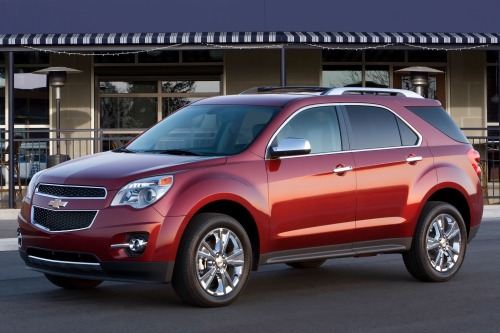
Which Chevrolet Equinox years are the most reliable? Which years should you avoid? And if you're shopping for a used Equinox, which generation offers the best combination of reliability, safety, and long-term value?
The Chevrolet Equinox has been one of America's best-selling compact SUVs for nearly two decades, offering comfortable seating, available all-wheel drive, and competitive pricing. However, its reliability record has varied considerably over the years. While some model years have developed excellent reputations, others are well known for costly engine problems that buyers should understand before making a purchase.
This guide covers every Chevrolet Equinox model year from 2005 through 2024, including reliability, common problems, maintenance costs, expected lifespan, and the best years to buy.
In This Guide You'll Learn
- How reliable the Chevrolet Equinox is over the long term
- Which model years are the best choices
- The most common problems by generation
- Which engines have the strongest reliability records
- Typical maintenance and repair costs
- How many miles an Equinox can last
- What to inspect before buying a used Equinox
Is the Chevrolet Equinox Reliable?
Overall, the Chevrolet Equinox earns an average reliability rating, but that simple description doesn't tell the full story. Some generations have proven to be dependable, long-lasting SUVs capable of exceeding 200,000 miles, while others developed engine problems serious enough to significantly affect ownership costs.
The biggest reliability concerns center on the second-generation Equinox, particularly early models equipped with the 2.4-liter Ecotec inline-four engine. Excessive oil consumption, timing chain wear, and related engine damage created one of the SUV's most well-known reliability issues.
Fortunately, Chevrolet made significant improvements over time. The third-generation Equinox introduced for 2018 has generally delivered much better reliability, while the available turbocharged engines have avoided many of the widespread issues that affected earlier naturally aspirated four-cylinder models.
Regardless of model year, maintenance history remains one of the biggest predictors of long-term reliability. Regular oil changes, transmission service, and cooling system maintenance are especially important for maximizing engine life.
Strengths
- Comfortable ride quality
- Good crash safety ratings
- Widely available parts
- Reasonable maintenance costs
- Spacious interior for a compact SUV
- Improved reliability in later model years
Potential Weaknesses
- Oil consumption on some 2.4-liter engines
- Timing chain wear on certain second-generation models
- High-pressure fuel pump failures on some turbocharged engines
- Transmission repairs on higher-mileage vehicles
- Electronic accessory failures as vehicles age
Bottom Line: The Chevrolet Equinox can be an excellent used SUV—but choosing the right model year and engine is far more important than with many competing vehicles.
Reliability at a Glance
| Category | Our Assessment |
|---|---|
| Overall Reliability | Average to Above Average |
| Best Used Years | 2018-2024 |
| Years Requiring Extra Inspection | 2010-2013 (especially 2.4-liter models) |
| Most Reliable Engine | 2.0-liter turbocharged inline-four (LTG) |
| Expected Lifespan | 200,000-250,000 miles |
| Maintenance Costs | Moderate |
Buyer Tip: On second-generation Equinox models, engine choice is just as important as model year. Always determine which engine is installed before purchasing.
Possibly Buying One? Knowledge Is Leverage
Before you negotiate, know how much dealers may move on price, the best way to get the lowest price, and what your trade-in is really worth. See my used car buying strategies, new car buying strategies, or trade-in value guide.
Reliability by Generation
2005-2009: First Generation
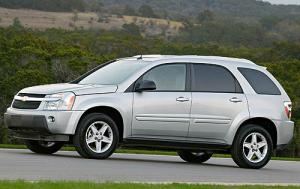
The original Chevrolet Equinox entered the market for the 2005 model year, giving Chevrolet a competitive entry in the growing compact SUV segment. Powered primarily by a 3.4-liter V6 during its early years and later a 3.6-liter V6, the first generation avoided many of the oil consumption problems that would later affect the second generation.
Overall reliability is respectable, although these SUVs are now approaching twenty years old. Most remaining examples have accumulated well over 150,000 miles, making maintenance history and overall condition more important than the specific model year.
Typical age-related repairs include suspension components, wheel bearings, cooling system parts, and electrical accessories rather than catastrophic engine failures.
Common Problems
- Head gasket leaks on some 3.4-liter V6 engines
- Wheel bearing failures
- Suspension bushing wear
- HVAC actuator failures
- Power steering issues on higher-mileage vehicles
- Normal cooling system repairs
Buyer Tip: Look for evidence that the cooling system has been serviced regularly. Overheating can shorten engine life on older SUVs.
Bottom Line: While aging brings predictable maintenance needs, the first-generation Equinox generally avoids the widespread engine problems associated with some later models.
2010-2017: Second Generation
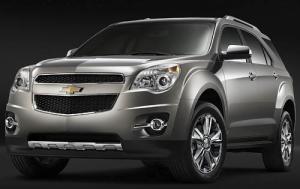
The redesigned 2010 Equinox introduced a more modern interior, improved fuel economy, and the popular 2.4-liter Ecotec inline-four engine. Unfortunately, that engine also became the source of the Equinox's biggest reliability concerns.
Many 2010 through 2013 models equipped with the 2.4-liter engine developed excessive oil consumption, sometimes requiring owners to add oil between scheduled changes. If oil levels dropped too low, timing chain wear could accelerate, occasionally leading to expensive engine repairs or complete engine replacement.
Not every Equinox from these years experiences these problems, but they occur often enough that buyers should verify maintenance history carefully and inspect any prospective purchase thoroughly.
The available 3.0-liter V6 (2010-2012) and later 3.6-liter V6 (2013-2017) generally earned stronger reliability reputations than the 2.4-liter four-cylinder, although they typically return lower fuel economy.
Beginning around the 2014 model year, Chevrolet made improvements that reduced—but did not completely eliminate—the oil consumption complaints. Well-maintained 2014-2017 models are generally better choices than the earliest second-generation vehicles.
Common Problems
- Excessive engine oil consumption
- Timing chain wear
- Piston ring wear on some 2.4-liter engines
- PCV system issues
- Transmission hesitation on higher-mileage vehicles
- Air conditioning compressor failures
Buyer Tip: Before buying a 2010-2017 four-cylinder Equinox, ask specifically whether the engine has ever required excessive oil between oil changes and review maintenance records carefully.
Bottom Line: The second generation offers comfortable transportation, but buyers should understand the differences between engines and individual model years before purchasing.
2018-2024: Third Generation
The third-generation Chevrolet Equinox represented one of the biggest reliability improvements in the model's history. Chevrolet reduced weight, modernized the interior, and introduced an entirely new lineup of turbocharged engines.
Available engines included a 1.5-liter turbocharged inline-four, a more powerful 2.0-liter turbocharged inline-four, and for a limited time, a 1.6-liter turbo-diesel. Overall reliability improved significantly compared with the previous generation, and the widespread oil consumption issues largely disappeared.
While no modern SUV is completely free of problems, owners of later Equinox models generally report far fewer expensive engine repairs than those experienced by many early second-generation owners.
Common Problems
- Occasional high-pressure fuel pump failures
- Turbocharger-related repairs on higher-mileage vehicles
- Battery replacement
- Electronic sensor failures
- Infotainment system glitches on some early models
- Normal suspension wear after high mileage
Buyer Tip: If your budget allows, focus on 2020-2024 models. They represent the most refined and dependable versions of the third-generation Equinox.
Bottom Line: The third generation corrected many of the reliability concerns that hurt the reputation of earlier Equinox models.
Best & Worst Chevrolet Equinox Years
Best Years to Buy
If long-term reliability is your primary goal, these model years stand out.
| Model Year | Why We Recommend It |
|---|---|
| 2018 | Completely redesigned model that eliminated many previous engine concerns. |
| 2020 | Mature third-generation model with improved reliability and updated technology. |
| 2021-2024 | The strongest combination of reliability, safety features, and overall value. |
Years Requiring Extra Inspection
| Model Year | Reason |
|---|---|
| 2010-2013 | Higher likelihood of oil consumption and timing chain problems with the 2.4-liter engine. |
| 2014-2017 (2.4-liter) | Improved over earlier models but still verify oil consumption history and maintenance records. |
Bottom Line: Later third-generation Equinox models are generally the safest recommendation, while second-generation four-cylinder models deserve careful inspection before purchase.
Maintenance & Repair Costs
Maintenance costs for the Chevrolet Equinox are generally moderate and compare favorably with many competing compact SUVs. Routine service is straightforward, parts are widely available, and independent repair shops are familiar with the platform.
The exception involves second-generation vehicles that develop oil consumption or timing chain problems. Those repairs can quickly become expensive if not addressed early.
| Maintenance Item | Typical Cost |
|---|---|
| Oil change | $70-$120 |
| Brake pads and rotors | $350-$800 |
| Transmission service | $250-$450 |
| Timing chain replacement (2.4L) | $1,500-$2,800 |
| High-pressure fuel pump | $800-$1,400 |
| Suspension refresh | $900-$2,000+ |
Routine maintenance is relatively inexpensive compared with major engine repairs, making preventative service especially important on older Equinox models.
Buyer Tip: On any 2.4-liter Equinox, check the engine oil level before and after your test drive. Low oil may indicate excessive consumption.
How Long Does a Chevrolet Equinox Last?
A well-maintained Chevrolet Equinox can commonly reach 200,000 miles, while many third-generation models are expected to exceed that figure with proper maintenance.
The actual lifespan depends heavily on engine choice and maintenance history. Vehicles that receive regular oil changes, transmission service, and cooling system maintenance generally last significantly longer than neglected examples.
Typical Lifespan
- 150,000 miles: Easily achievable with routine maintenance.
- 200,000 miles: Common for properly maintained vehicles.
- 250,000 miles: Frequently possible for later third-generation models.
The biggest factor affecting longevity isn't mileage—it's whether the vehicle received consistent maintenance throughout its life.
Bottom Line: Later Equinox models have demonstrated the potential for excellent longevity, while earlier second-generation vehicles require more careful evaluation.
Buying a Used Chevrolet Equinox: What Matters Most?
More than many SUVs, the Chevrolet Equinox rewards buyers who research specific model years and engines before shopping. A carefully maintained 2021 Equinox is a very different ownership experience than a neglected 2011 four-cylinder model.
When evaluating any used Equinox, maintenance records should carry more weight than mileage alone. Documentation showing regular oil changes, transmission service, and prompt repairs often indicates a vehicle that will continue providing dependable transportation.
Before You Buy
- Determine which engine is installed.
- Review maintenance records carefully.
- Check engine oil level before and after the test drive.
- Listen for timing chain noise during cold starts.
- Verify smooth transmission operation.
- Inspect for coolant or oil leaks.
- Test the air conditioning thoroughly.
- Check all electronic features and infotainment functions.
- Inspect underneath for rust if driven in northern climates.
- Have an independent mechanic perform a pre-purchase inspection.
Buyers considering a 2010-2017 four-cylinder model should pay particular attention to engine condition and maintenance history. Spending a little more for a newer third-generation Equinox often results in lower long-term ownership costs.
Buyer Tip: If you're choosing between an older, low-mileage Equinox and a newer, higher-mileage one with excellent service records, the newer vehicle is often the smarter investment.
Used Equinox Pros And Cons
Pros:
Cost Savings: Obviously, older models tend to be significantly cheaper than newer ones, saving a substantial amount of money upfront. However, this savings has to be weighed against the increased risk for possibly higher maintenance and repair costs going forward.
Depreciation: Older vehicles have already experienced significant depreciation, which eliminates much of the steep initial depreciation that occurs with newer cars.
Easier Maintenance: Older vehicles often have simpler mechanical systems, making them potentially easier and less expensive to maintain and repair.
Spacious Interior: The Equinox has a roomy interior, offering ample space for both passengers and cargo. This makes it a suitable choice for families or those who need extra cargo room.
Fuel Efficiency: The fuel efficiency of the first generation Equinox was reasonable for its time, with estimates typically ranging from around 18 to 26 mpg combined, depending on the engine and drivetrain configurations. The 2nd generation improved on this to approximately 20 to 28 mpg.
Smooth Ride: Many drivers find the ride of the Equinox to be comfortable, providing a smooth and pleasant driving experience.
All-Wheel Drive Option: Models with all-wheel drive (AWD) can be beneficial for improved traction and stability, especially in adverse weather conditions.
Safety Features: The are equipped with standard safety features such as antilock brakes, stability control, and front-seat side airbags.
Cons:
Outdated Technology: Older Equinox models may lack modern technology features found in newer vehicles, such as advanced safety systems, infotainment options, and connectivity features.
Potentially Higher Maintenance Needs: As vehicles age, they likely require more frequent maintenance, and components may be more prone to wear and tear, potentially leading to higher repair costs.
Fuel Efficiency: Older models might not be as fuel-efficient as newer ones due to advancements in engine technology and design.
Limited Safety Features: Older Equinox models may lack some of the advanced safety features found in newer vehicles, potentially compromising on overall safety.
Interior Quality: While spacious, the interior materials and build quality might not be as upscale as those found in some competing models.
Handling: Some drivers have noted that the handling might not be as precise or responsive as they would prefer, especially when compared to other vehicles in its class.
Limited Towing Capacity: While suitable for everyday use, the Equinox's towing capacity might be considered limited compared to some other vehicles in its class.
Engine Performance: Some drivers expressed concerns about the performance of the available V6 engine, stating that it might not be as powerful as they would prefer.
Noise Levels: There were occasional complaints about noise levels inside the cabin, especially when driving at higher speeds.
Before You Buy: Knowledge Is Leverage
The price on the window is only part of the deal. Knowing how much you can negotiate, the method to use to get the lowest possible price, and what your trade-in is really worth can potentially save you thousands.
Get the Best Price on Your Next Car
Buying used? See my Used Car Price Negotiation Guide to learn how much you may be able to negotiate and the strategy I recommend for getting the lowest possible price.
Buying new? My New Car Price Negotiation Guide explains how much dealers may be willing to discount as well as the method used that gets the best possible deal.
Know What Your Trade-In Is Really Worth
Your trade-in can change the deal by thousands of dollars. Before accepting an offer, see my Fair Trade-In Value Guide to learn how dealers determine trade-in prices and how to recognize a fair offer.
Final Verdict
The Chevrolet Equinox has experienced one of the widest reliability swings of any compact SUV over the past two decades. While early second-generation models damaged the vehicle's reputation with well-documented engine problems, Chevrolet made substantial improvements that transformed the latest generation into a much more dependable SUV.
The 2018-2024 models are the clear standouts and offer the strongest combination of reliability, comfort, safety, and value. First-generation models remain reasonable budget choices, while second-generation four-cylinder models require careful inspection and documented maintenance before purchase.
Ultimately, buying the right Chevrolet Equinox is less about finding the lowest mileage and more about choosing the right engine, the right model year, and a vehicle with a proven maintenance history.
If you're shopping for a comfortable, practical compact SUV with the potential to exceed 200,000 miles, a well-maintained late-model Chevrolet Equinox deserves serious consideration.
Also, More On Chevrolet Reliability
If you'd like to compare different Chevy models, or years, be sure to read our Chevrolet Reliability & Problems: Best Used Chevys & Years Guide. It highlights the models, best years to buy, common problems, and helps you choose the right vehicle for your needs.