

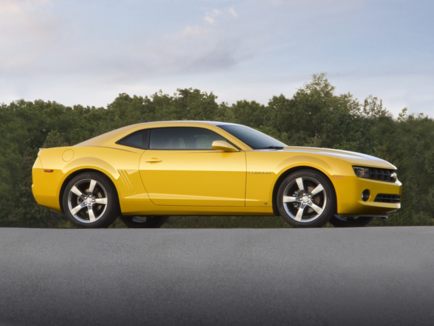
2011 Chevy Camaro Reliability
The 2011 Chevy Camaro is generally a reasonably reliable used performance car, particularly when it has remained close to stock and received consistent maintenance. Both the V6 and V8 engines are capable of high mileage, and the basic fifth-generation Camaro platform is durable. The biggest challenge when shopping for one today is often determining how the car was driven, maintained, and modified by previous owners.
Most 2011 Camaro models use either a naturally aspirated 3.6-liter V6 or a naturally aspirated 6.2-liter V8. The V6 provides strong performance while keeping purchase price and fuel costs somewhat lower, but timing-chain condition deserves attention. Extended oil-change intervals or consistently low oil levels can contribute to accelerated timing-chain wear.
The Camaro SS uses a 6.2-liter V8. Manual-transmission SS models received the LS3 version, while automatic models use the L99, which incorporates Active Fuel Management and variable valve timing. Both are fundamentally strong engines, but the LS3/manual combination is particularly attractive to buyers looking for mechanical simplicity and long-term durability.
The V8 engines can easily exceed 150,000 miles when properly maintained, and well-cared-for examples can reach 200,000 miles or more. However, an SS that has spent years being raced, repeatedly launched, heavily modified, or poorly tuned presents a very different reliability proposition from a stock car that has primarily seen normal street and highway use.
Transmission choices include six-speed manuals and six-speed automatics. Both can provide good service, but manual-transmission cars should be inspected for clutch wear, synchronizer problems, and evidence of hard launches. Automatics should shift smoothly without slipping, hesitation, shuddering, or unusually harsh engagement.
The Camaro's suspension and driveline are relatively robust, but age and aggressive driving can accelerate wear of wheel bearings, bushings, engine mounts, differential components, driveshaft hardware, brakes, and tires. Modified suspension systems and oversized aftermarket wheels deserve additional scrutiny.
Overall, the 2011 Camaro earns an average to above-average reliability rating for a performance car. The engines are fundamentally strong, particularly the 6.2-liter V8, but condition and previous ownership matter enormously. A stock, carefully maintained Camaro is generally a much safer purchase than a lower-mileage car with extensive modifications and an uncertain history.
- Overall reliability: Average to Above Average for a performance car
- Expected lifespan: 175,000 to 225,000+ miles with proper maintenance, with well-maintained examples capable of going farther
- Best choice: Stock or lightly modified example with complete maintenance records; LS3 V8 with six-speed manual is particularly appealing for long-term simplicity
- Watch for: V6 timing-chain problems, clutch and transmission wear, differential noise, oil leaks, suspension wear, electrical problems, and evidence of racing or poor-quality modifications
Bottom line: The 2011 Chevy Camaro is a fairly durable performance car and can be a good used purchase. Engine choice matters less than condition, maintenance, and previous use. A stock Camaro with excellent records and no evidence of abuse is worth paying more for than a heavily modified example with fewer miles.
And I can't stress this enough:
Multiple dealers → compete for your business → you save
- Why it's a good choice: Strong naturally aspirated engines, robust basic drivetrain, impressive performance, distinctive styling, and excellent parts availability
- Biggest concern: Previous abuse or poorly executed modifications can create problems that aren't reflected by the odometer
- Best version: For maximum performance with relatively straightforward mechanicals, an LS3-powered SS with the six-speed manual and good service history
- Buy only if: The drivetrain operates properly, modifications have been professionally performed, and the car passes a thorough pre-purchase inspection
Is the 2011 Chevy Camaro a Good Year or One to Avoid?
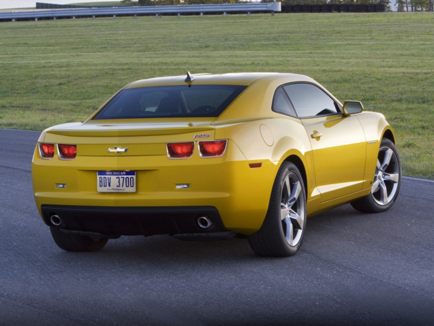
The 2011 Chevy Camaro is generally a good year rather than one that needs to be avoided. It was the second model year of the fifth-generation Camaro, and the fundamental platform and powertrains have proven capable of substantial mileage. There are specific issues to investigate, but there isn't one universal defect that makes every 2011 Camaro a poor purchase.
V6 buyers should pay particular attention to timing-chain condition and oil-change history. The 3.6-liter engine can be durable, but timing-chain wear can become expensive if previous owners stretched oil-change intervals or allowed the engine to operate with insufficient oil.
For buyers considering an SS, both versions of the 6.2-liter V8 are powerful and fundamentally durable. I particularly like the manual-transmission LS3 from a long-term ownership standpoint because it avoids the L99's Active Fuel Management hardware. That doesn't make an automatic SS a bad choice, but it gives the LS3/manual combination a simplicity advantage.
Previous use may be more important than model year. Performance cars invite hard acceleration, burnouts, drag-strip use, aftermarket tuning, suspension modifications, and oversized wheels and tires. A thorough inspection should therefore look beyond ordinary maintenance and search for signs of how the car has actually lived.
Buyer Takeaway: The 2011 Camaro is a good year to consider, but buy the previous owner as much as the car. A stock, documented 100,000-mile Camaro that has been carefully maintained can be a much better purchase than a modified 60,000-mile example that has spent years being driven hard.
More On The Camaro's Reliability
For more detailed reliability information on the Camaro, visit our Used Chevy Camaro Reliability Guide, a more comprehensive look at the model years, engines, common problems, maintenance costs, expected lifespan, and the best years to buy or avoid.
2011 Chevy Camaro Common Mechanical Problems
The 2011 Camaro doesn't suffer from the kind of widespread catastrophic problem that automatically makes it a poor used-car choice, but several engine, transmission, driveline, and electrical concerns deserve attention. Performance-related wear and aftermarket modifications should also be treated as part of the mechanical inspection.
- V6 timing-chain wear: The 3.6-liter V6 can develop stretched timing chains or wear in related components, particularly when oil-change intervals have been extended. Symptoms can include a check-engine light, rough running, reduced performance, startup noise, or camshaft/crankshaft correlation codes. Timing-chain replacement can be labor-intensive and expensive.
- Low oil and poor oil-change history: Proper lubrication is especially important for protecting the V6 timing-chain system. Check the oil level before starting the car and look for evidence of consistent oil changes. A spotless exterior doesn't compensate for an engine that has routinely been driven low on oil.
- V6 oil leaks: Gaskets and seals can begin leaking as mileage increases. Minor seepage isn't unusual on an older performance car, but significant leakage should be diagnosed before purchase, particularly if the oil level is already low.
- L99 Active Fuel Management concerns: Automatic-transmission Camaro SS models use the L99 V8 with cylinder-deactivation hardware. The system adds lifters and related components that aren't present in the manual-transmission LS3. Abnormal valvetrain noise, misfires, or evidence of previous AFM-related repairs deserves investigation.
- V8 lifter and valvetrain noise: Persistent ticking or other abnormal valvetrain sounds shouldn't automatically be dismissed as normal V8 noise. This is particularly important on an L99-equipped automatic SS, where lifter-related problems can become expensive.
- Manual transmission clutch wear: A Camaro driven aggressively can wear its clutch much faster than one used primarily for normal street driving. Check for slipping under hard acceleration, chatter when starting from a stop, unusual pedal feel, or an engagement point near the top of pedal travel.
- Manual transmission shifting problems: Hard use can contribute to synchronizer wear or difficult gear engagement. Shift through every gear at different engine speeds and make sure there is no grinding, resistance, or tendency to pop out of gear.
- Automatic transmission problems: The six-speed automatic should shift cleanly under both light and heavy throttle. Harsh engagement, slipping, delayed shifts, flare between gears, or shuddering should be diagnosed before purchase rather than dismissed as performance-oriented programming.
- Differential noise and wear: Hard launches and aggressive driving can place substantial stress on the rear differential. Listen for whining, clunking, or unusual noises during acceleration and deceleration and inspect for fluid leakage.
- Driveshaft and driveline vibration: Vibration under acceleration or at particular road speeds can originate from tires and wheels, but it can also involve driveshaft, coupling, differential, or related driveline components. Modified cars deserve especially careful inspection.
- Wheel bearing wear: Worn bearings can produce humming or growling noises that increase with vehicle speed. Larger aftermarket wheels and aggressive driving can accelerate bearing and suspension wear.
- Suspension bushing and component wear: Control arm bushings, sway bar links, struts, mounts, and other suspension components can deteriorate with mileage. Hard driving and aftermarket suspension modifications can accelerate the process.
- Brake wear: Camaro brakes can wear rapidly when the car is driven aggressively. Inspect pad and rotor condition and check for steering-wheel vibration during braking. Performance brake upgrades should also be examined for proper installation.
- Cooling-system problems: Water pumps, thermostats, hoses, radiators, and related components can eventually require replacement. Check for coolant residue, low coolant levels, overheating history, or cooling fans that don't operate properly.
- Air conditioning problems: Compressor, condenser, actuator, and refrigerant-related problems can appear as the car ages. Test the system for an extended period and verify that airflow changes correctly between modes.
- Electrical and accessory problems: Power windows, door locks, seat controls, sensors, audio equipment, gauges, and other accessories can develop faults. Test everything because several minor electrical repairs can add considerably to immediate ownership costs.
- Aftermarket tuning: Engine programmers, intake systems, exhaust modifications, camshaft upgrades, superchargers, and other performance modifications can substantially change engine stress and reliability. Quality matters enormously. A heavily modified car without receipts, tuning documentation, or a knowledgeable owner is a much greater risk.
- Modified suspension and oversized wheels: Lowering springs, coilovers, aggressive alignment settings, and oversized wheels can accelerate tire, bearing, steering, and suspension wear. Inspect tire wear patterns and the quality of the installed components.
One of the Camaro's biggest strengths is that the underlying engines and drivetrain are generally robust. The greatest uncertainty often comes from what happened after the car left the factory. A carefully maintained stock Camaro can be very dependable, while years of aggressive driving and questionable modifications can turn an otherwise strong platform into an expensive project.
Buyer Tip: Inspect the car underneath, not just under the hood. Look for evidence of hard launches, damaged or replaced driveline components, leaking differential seals, non-factory suspension parts, unusually worn rear tires, and modifications that have been removed before sale. A diagnostic scan is also worthwhile because stored or recently cleared trouble codes can reveal problems that aren't apparent during a short test drive.
If you may be buying soon, I'd recommend reading my most effective negotiation methods for either new cars or used cars. Each explains a quick way to identify the dealerships most motivated to deal, no matter how busy they may seem, and how to follow up once you've found them. That can be the difference between getting a good price and getting a great one.
2011 Chevy Camaro Pros and Cons
The 2011 Camaro remains attractive because it delivers genuine performance without requiring exotic-car maintenance. Even the V6 is powerful enough to be entertaining, while the SS provides the sound and acceleration buyers expect from a traditional American V8 performance car. Its weaknesses are mostly related to practicality, visibility, fuel consumption, and the uncertainty surrounding how a used performance car was treated.
Pros
- Strong engine choices: Both the 3.6-liter V6 and 6.2-liter V8 provide substantial performance without relying on turbochargers.
- Excellent 6.2-liter V8: The SS powertrain is one of the Camaro's biggest strengths and can provide excellent longevity when properly maintained.
- LS3/manual combination: The manual SS pairs the 6.2-liter LS3 with a six-speed gearbox, providing excellent performance with a relatively straightforward engine configuration.
- Good potential lifespan: Properly maintained Camaros can exceed 150,000 miles comfortably, and strong examples can continue well beyond 200,000 miles.
- No CVT: All versions use conventional manual or geared automatic transmissions.
- Excellent parts availability: Chevrolet's widespread dealer network and the enormous Camaro aftermarket make mechanical and body parts relatively easy to obtain.
- Huge specialist knowledge base: The Camaro's popularity means independent shops, performance specialists, and enthusiast communities have extensive experience with these cars.
- Distinctive styling: The fifth-generation design still has substantial visual presence and closely reflects the classic Camaro formula.
Cons
- V6 timing-chain problems can be expensive: Poor oil maintenance can contribute to a repair significant enough to undermine the value of an inexpensive used Camaro.
- Automatic SS has added AFM complexity: The L99's cylinder-deactivation hardware introduces additional components compared with the manual-transmission LS3.
- Previous abuse is difficult to quantify: Burnouts, racing, repeated hard launches, and aggressive driving may leave relatively little obvious evidence during a casual inspection.
- Modified cars require extra caution: Performance modifications can be excellent when professionally engineered and tuned, but poorly executed changes can create drivability and durability problems.
- Poor outward visibility: The Camaro's high beltline, low roof, and thick pillars create substantial blind spots compared with an ordinary sedan.
- Rear seat is cramped: The back seat is much better suited to occasional passengers than routine adult transportation.
- V8 fuel economy: An SS driven as intended can consume substantial amounts of fuel, particularly in city driving.
- Tires and brakes can be expensive: Performance-oriented tires and larger wheels cost considerably more than ordinary economy-car replacements, and aggressive driving accelerates wear.
And another con ... even a good price on the vehicle doesn't necessarily mean you're getting a good deal.
There are other numbers besides price that can significantly affect the final out-the-door cost. A well-negotiated selling price can quickly lose its advantage if the dealer makes up for the concession with a below-market trade-in offer. Also, dealer fees and add-ons can further increase the final cost, making it important to learn which fees you must pay, can negotiate, or should avoid.
To become better informed about these important but often-confusing parts of the deal, be sure to see my articles on trade-ins and dealer fees.
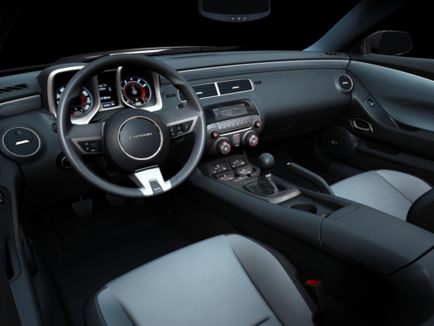
Buyer Takeaway: The 2011 Chevy Camaro is one of the stronger choices for someone who wants an older performance car that can still provide reasonable long-term reliability. For V6 buyers, timing-chain condition and oil-change history deserve particular attention. For SS shoppers, I'd give the LS3/manual combination an edge for long-term mechanical simplicity, although a properly maintained automatic can also be a good car. Above all, look for an example that has been maintained rather than abused. With a Camaro, the history of the individual car can matter more than another 20,000 or 30,000 miles on the odometer.
Also, More On Chevrolet Reliability: If you'd like to compare different Chevy models, or years, be sure to read our Chevrolet Reliability & Problems: Best Used Chevys & Years Guide. It highlights the models, best years to buy, common problems, and helps you choose the right Chevrolet for your needs.
Some Insider Insights: