
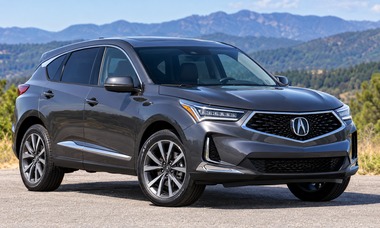
The Acura RDX is one of the more dependable used luxury compact SUVs, and a well-chosen example can provide many years of comfortable, relatively affordable ownership. It combines Honda engineering with upscale features, good performance and generally favorable long-term reliability.
However, the RDX has changed considerably since its introduction. The original model used a turbocharged four-cylinder engine, the second generation switched to a naturally aspirated V6, and the third generation returned to turbocharged four-cylinder power with considerably more technology.
For most used buyers, I'd put the 2016–2018 Acura RDX near the top of the shopping list. These models offer a proven V6 engine, a conventional automatic transmission and a comfortable, practical interior. Buyers wanting a newer, sportier SUV should also consider the 2022–2024 RDX, while checking its electronics and service history carefully.
The RDX has experienced some recognized problems, including turbocharger-related concerns on older models, electrical and accessory issues, and infotainment problems on certain newer vehicles. These issues generally affect a minority of vehicles rather than every RDX. Understanding them can help you find a good example without unnecessarily avoiding an otherwise reliable SUV.
This guide covers U.S.-market Acura RDX models from 2007 through 2026, including all three generations, front-wheel drive, all-wheel drive and the important engine and transmission differences.
In This Guide You'll Learn
- Which Acura RDX model years are the best used buys
- Which years deserve a closer inspection
- How many miles an Acura RDX can realistically last
- How reliability differs among the turbocharged and V6 engines
- What to check on older and newer RDX models
- What maintenance and repairs typically cost
- How the RDX compares with other used luxury and near-luxury SUVs
Or, Looking For "New"?
If you're also considering a new RDX, you may want to come back to this and take a look at a handy technique that identifies the dealer in your area most ready to make price concessions.
Acura RDX Reliability Overview
The Acura RDX has a very good overall reliability record, particularly when compared with many European luxury SUVs. RepairPal gives the RDX a reliability rating of 4.5 out of 5.0, ranking it first among 11 luxury compact SUVs in its comparison.
That reputation is especially encouraging because the RDX offers substantial performance and comfort without the unusually high maintenance costs sometimes associated with luxury vehicles.
The three generations have different strengths. The 2007–2012 RDX is sporty and capable but uses an early turbocharged engine that requires careful maintenance. The 2013–2018 RDX is mechanically simpler in several important respects, making it especially appealing for long-term ownership. The 2019-and-newer generation offers better handling, more technology and a powerful turbocharged engine, but its additional electronics introduce different ownership considerations.
For buyers who value reliability above the latest features, the second-generation V6 is my preferred choice. The later third-generation models are also attractive, particularly when their maintenance, infotainment and recall histories check out.
Bottom Line: The RDX is a strong used luxury-SUV choice. I'd concentrate on a well-maintained 2016–2018 V6 or a carefully inspected 2022–2024 model, depending on budget and priorities.
Acura RDX Reliability at a Glance
| Category | Our Assessment |
|---|---|
| Overall Reliability | Very good; one of the stronger choices among luxury compact SUVs |
| Best Used Years | 2016–2018 V6; 2022–2024 for buyers wanting a newer model |
| Good Older Choices | 2010–2012 with documented turbocharger and transmission maintenance |
| Years Requiring Extra Inspection | 2007–2009, 2013, 2019–2021 |
| Most Appealing Engine for Longevity | 2013–2018 naturally aspirated 3.5-liter V6 |
| Major Older-Model Consideration | Turbocharger condition, oil leaks and age-related maintenance |
| Major Newer-Model Considerations | Infotainment electronics, panoramic roof noises and applicable recalls |
| Expected Lifespan | Approximately 200,000 miles with proper maintenance; some exceed 250,000 |
How Many Miles Can an Acura RDX Last?
A properly maintained Acura RDX can realistically last around 200,000 miles, and some well-maintained examples reach 250,000 miles or more. The naturally aspirated V6 models are especially appealing for high-mileage ownership because they avoid the turbocharger found in the first and third generations.
At 100,000 miles, a healthy RDX can still have considerable useful life remaining. However, the maintenance requirements differ by generation. Older turbocharged models deserve attention to oil changes and turbocharger condition, while V6 models require documented timing-belt maintenance. On newer RDXs, transmission servicing and the condition of electronic equipment become increasingly important.
By 150,000 miles, I'd place far more value on maintenance records than on small differences in mileage. A properly serviced 160,000-mile RDX can be a better purchase than a neglected example with 90,000 miles. At higher mileage, suspension wear, cooling-system condition, oil leaks and transmission operation should all be evaluated before buying.
What Are the Best Acura RDX Model Years to Buy?
There are worthwhile RDX models across all three generations, but some offer a better combination of proven durability, comfort and reasonable ownership costs.
2016–2018 Acura RDX
These are my favorite overall years for used buyers who want a dependable luxury SUV without unnecessary mechanical complexity.
The 2016 refresh brought updated styling, additional safety technology and a more powerful version of Acura's 3.5-liter V6. These models use a conventional six-speed automatic transmission rather than a continuously variable transmission or dual-clutch unit.
The V6 delivers smooth, strong acceleration and has a well-established durability history. It does require timing-belt service, but that is a predictable maintenance expense rather than an inherent reliability weakness.
Buyer Tip: A well-maintained 2016–2018 RDX with documented timing-belt service, where due, would be one of my first choices for a long-term used luxury SUV.
2010–2012 Acura RDX
For buyers shopping at a lower price point, the later first-generation RDX models can still be appealing. They offer strong turbocharged performance, standard all-wheel drive and a relatively straightforward interior.
However, these are now older vehicles. Turbocharger condition, oil leaks, suspension wear and maintenance history matter much more than they did when the vehicles were newer.
I'd consider one with excellent service records, but I wouldn't pay a substantial premium for low mileage if important maintenance has been neglected.
2022–2024 Acura RDX
The 2022 RDX received a substantial refresh with improved refinement, updated technology and additional sound insulation. These later third-generation models offer a more modern driving experience than the V6 generation.
They use a responsive 2.0-liter turbocharged engine paired with a conventional ten-speed automatic transmission. All-wheel-drive versions offer Acura's sophisticated Super Handling All-Wheel Drive system.
The powertrain is appealing, but I'd still check infotainment operation, panoramic roof noises and any previous electronic repairs. Later production doesn't guarantee the absence of these issues.
Buyer Tip: For buyers who want newer technology and a more engaging driving experience, a well-maintained 2022–2024 RDX is a strong choice, particularly when any applicable warranty-extension work has been completed.
Which Acura RDX Years Should You Avoid or Inspect More Carefully?
There are no RDX model years I'd automatically rule out. However, some deserve closer inspection because of their mechanical design, early-production concerns or age.
2007–2009 Acura RDX
The earliest RDX models combine an aging vehicle with a turbocharged engine that requires attentive maintenance. A neglected turbocharger, oil leak or cooling-system problem can make an inexpensive older RDX costly to own.
I'd favor a later first-generation example when condition and price are comparable, although a carefully maintained 2007–2009 can still be a reasonable purchase.
2013 Acura RDX
The 2013 RDX was the first year of a complete redesign, introducing the 3.5-liter V6 in place of the previous turbocharged four-cylinder.
The basic V6 powertrain is a good one, so I wouldn't automatically avoid the 2013. However, I'd give preference to a comparable later second-generation vehicle, particularly if the price difference is modest.
2019–2021 Acura RDX
These early third-generation models introduced a completely new platform, turbocharged engine, ten-speed automatic and more complex infotainment system.
Some owners experienced popping or crackling audio, blank displays, panoramic roof noises and other electronic issues. Certain 2019–2020 vehicles were also included in fuel-pump recalls.
Acura issued warranty extensions for certain infotainment wiring connections, so previous repair history and VIN eligibility are worth checking.
These concerns don't make every 2019–2021 RDX unreliable. They simply give buyers more reasons to test the vehicle thoroughly and confirm that applicable repairs have been completed.
Acura RDX Reliability by Generation
First Generation: 2007–2012 Acura RDX Reliability
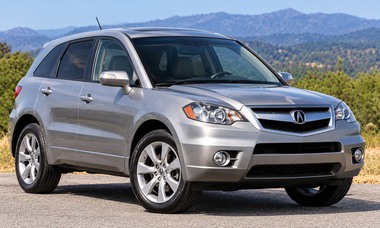
The first-generation Acura RDX was unusual when introduced. Rather than using the naturally aspirated V6 found in many competing luxury SUVs, Acura equipped it with a 2.3-liter turbocharged four-cylinder engine producing strong acceleration for its time.
The engine was paired with a conventional five-speed automatic transmission. Most first-generation RDX models featured Acura's Super Handling All-Wheel Drive system, while front-wheel drive became available for the 2010 model year.
The turbocharged engine can be durable, but its long-term reliability depends heavily on proper lubrication and cooling. Regular oil changes are especially important because neglected oil can damage turbocharger bearings and accelerate internal engine wear.
One recognized issue involves oil leakage around the engine oil-pressure sensor. This is often less serious than an internal engine problem, but an unchecked leak can allow the oil level to fall and should be repaired promptly.
On a higher-mileage example, I'd pay particular attention to unusual turbocharger noises, smoke from the exhaust, oil leaks, cooling-system condition and evidence of previous overheating. A healthy engine should accelerate smoothly without unusual hesitation or warning lights.
The five-speed automatic has a generally established design, but its condition should still be evaluated carefully. Harsh shifts, slipping or delayed engagement can indicate wear, especially on vehicles with uncertain maintenance histories.
First-generation RDXs also have firm suspension tuning and relatively large wheels for their size. Worn suspension components, wheel bearings and tires can therefore become meaningful ownership expenses as these vehicles age.
Some early RDX models were affected by Takata airbag recalls. Verify recall completion using the individual vehicle's VIN, particularly on older examples with limited service records.
Buyer Tip: I'd look for a 2010–2012 RDX with documented oil changes, a smooth transmission and no evidence of turbocharger trouble. A pre-purchase inspection is particularly important because a major turbo or engine repair can exceed the value of an inexpensive older SUV.
Bottom Line: The original RDX is enjoyable to drive and can be durable, but its turbocharged engine and present-day age make maintenance history especially important.
Second Generation: 2013–2018 Acura RDX Reliability

The second-generation RDX marked a major change in Acura's approach. For 2013, the company replaced the turbocharged four-cylinder with a naturally aspirated 3.5-liter V6, giving the RDX smoother power delivery and a more conventional luxury-SUV character.
For buyers concerned primarily with long-term dependability, this change was significant. The V6 eliminated the turbocharger and its associated plumbing, while the six-speed automatic transmission provided familiar, conventional operation.
The V6 is a strong engine with a good durability reputation. It delivers ample acceleration for everyday driving and highway merging without requiring the driver to work the engine particularly hard.
These models use a timing belt rather than a timing chain. Acura generally specifies timing-belt replacement at approximately 105,000 miles or seven years under normal conditions, with earlier service possible under certain operating conditions. This is an important maintenance expense, particularly when shopping for a higher-mileage RDX.
I'd want proof that the timing belt was replaced when due, preferably along with related components recommended by the servicing shop. A seller's statement that the belt was inspected is not the same as documented replacement.
The V6 also uses a cylinder-management system that can temporarily deactivate cylinders under light loads to improve fuel economy. Some Honda and Acura V6 engines using similar technology have experienced oil consumption or related concerns, but those issues shouldn't be assumed to affect every RDX. Check the oil level, service records and engine operation on the particular vehicle.
Some second-generation RDX owners have reported suspension noises, electrical accessory failures, air-conditioning issues or transmission hesitation. These are worth checking, but they haven't overshadowed the generation's generally favorable reliability reputation.
The 2016 refresh is particularly appealing. It brought a stronger 279-horsepower V6, revised styling and additional available safety features while retaining the established engine and transmission layout.
For a used buyer, I'd view the 2016–2018 RDX as an excellent compromise between luxury, proven engineering and manageable maintenance costs. Front-wheel drive is mechanically simpler, while all-wheel drive provides additional traction and can also be dependable with proper maintenance.
Buyer Tip: On any 2013–2018 RDX, verify timing-belt service, check for oil leaks or unusual engine operation, and make sure the automatic transmission shifts smoothly. I'd favor a well-maintained 2016–2018 model when the budget allows.
Bottom Line: This is my preferred RDX generation for long-term reliability. Its naturally aspirated V6 and conventional automatic provide a reassuring mechanical combination, particularly in the later model years.
Third Generation: 2019–2026 Acura RDX Reliability
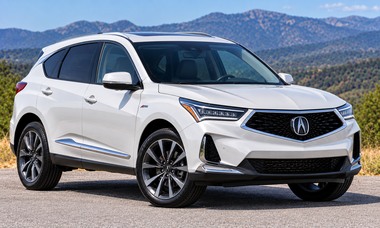
The RDX was completely redesigned for 2019, returning to turbocharged four-cylinder power with a 2.0-liter engine producing 272 horsepower. Acura also introduced a ten-speed automatic transmission, a more sophisticated interior and a new infotainment interface.
This generation is noticeably sportier and more technologically advanced than the V6-powered predecessor. The engine provides strong acceleration, while the available Super Handling All-Wheel Drive system improves traction and handling.
The turbocharged 2.0-liter engine has a sound underlying design, but as with any modern turbocharged engine, consistent oil changes and cooling-system maintenance are important. On higher-mileage examples, check for oil leaks, coolant loss, unusual engine noises and evidence of neglected service.
Unlike the previous V6, the 2.0-liter engine uses a timing chain, eliminating the V6's scheduled timing-belt replacement. However, the newer engine and its associated electronics are more complex.
One of the better-documented concerns involves the infotainment system. Some RDX owners have experienced popping or crackling sounds from the speakers, blank displays, intermittent audio or network communication problems.
Acura issued warranty extensions covering certain audio-system cable connections on eligible vehicles, including 2019–2024 RDX models. I'd test the sound system thoroughly and ask an Acura dealer to check the vehicle's VIN for applicable warranty coverage and previous repairs.
The panoramic glass roof is another item worth checking. Some owners have reported a distinct popping noise when driving over uneven pavement or entering driveways. Acura issued a service bulletin addressing roof-frame movement on certain 2019–2023 vehicles.
These problems can be annoying and sometimes expensive outside warranty coverage, but they don't necessarily indicate a failing engine or transmission.
There are also important safety recalls to investigate. Certain 2019–2020 RDXs were included in fuel-pump recalls because a defective pump could cause the engine to stall. Some 2021 RDXs were recalled for a potential front-driveshaft problem. Recall applicability depends on the VIN, and completed repairs should be documented.
The 2022 refresh brought improved refinement and updated features. The 2025 model received additional styling and technology updates, while the basic turbocharged powertrain continued.
For buyers considering a 2025–2026 RDX, the newest models are appealing but haven't accumulated enough years or mileage to establish their ultimate 200,000-mile durability. I'd avoid making firm long-term reliability claims based only on their early ownership experience.
Buyer Tip: On a third-generation RDX, test every electronic feature, drive long enough to evaluate the transmission fully, listen for roof noises and verify that applicable recalls and infotainment repairs have been completed.
Bottom Line: The modern RDX offers excellent performance, comfort and technology. Its mechanical foundation is promising, but electronic and accessory concerns deserve more attention than on the simpler V6 generation.
“It's important to always know the value of your trade-in while you're evaluating your next vehicle purchase.”
— Josh Rosenberg, Former Auto Broker
Acura RDX Maintenance and Repair Costs
One of the Acura RDX's advantages is that its maintenance expenses are generally lower than those of many competing luxury SUVs.
According to RepairPal, the RDX has an average annual repair and maintenance cost of approximately $497, compared with about $859 for luxury compact SUVs overall. Its relatively low frequency of serious repairs is another encouraging sign.
Routine maintenance is generally manageable, although luxury-brand parts and labor can still be expensive. The V6's scheduled timing-belt service and potential turbocharger repairs on the four-cylinder generations are particularly important expenses to consider.
| Maintenance or Repair | Approximate Cost |
|---|---|
| Brake pad replacement, one axle | $283–$340 |
| Blower motor replacement | $209–$244 |
| Door lock actuator replacement | $470–$598 |
| Water pump replacement | $666–$866 |
| Alternator replacement | $1,107–$1,248 |
| Air-conditioning refrigerant pressure switch replacement | $468–$580 |
These are Acura RDX-specific estimates from RepairPal, generally including parts and labor. Actual prices vary by model year, location and repair shop. Taxes, fees and additional work may increase the total.
On 2013–2018 V6 models, I'd budget separately for timing-belt service if it is due or undocumented. On first-generation and newer turbocharged models, consistent oil changes and cooling-system maintenance are especially important.
At 100,000 miles and beyond, I'd also inspect the suspension, wheel bearings, brakes, cooling system, transmission operation and all-wheel-drive components where equipped.
Before buying, arrange an independent pre-purchase inspection and check the vehicle's VIN through the NHTSA recall lookup or Acura's recall lookup.
Buyer Tip: Don't confuse a predictable maintenance expense with an unreliable vehicle. A V6 RDX that has already received its required timing-belt service may be a better value than a lower-priced example with that work still ahead.
Acura RDX Alternatives to Consider
Mazda CX-5
The Mazda CX-5 is an excellent alternative for buyers who want upscale comfort, good handling and generally favorable reliability without paying luxury-brand prices. Its naturally aspirated 2.5-liter engine and conventional six-speed automatic are particularly appealing, although certain model years and engine configurations deserve closer inspection.
Acura MDX
The Acura MDX is worth considering if you need more interior space or occasional third-row seating. It shares Acura's emphasis on comfort and performance, and many older V6 models have established good longevity records. Maintenance history and the exact engine and transmission combination remain important.
Honda CR-V
The Honda CR-V offers many of the RDX's practical advantages with generally lower purchase prices and operating costs. It isn't as sporty or luxurious, but it can be an excellent long-term ownership choice. Reliability varies by generation and engine, so I'd compare the particular model years rather than assuming every CR-V is equally dependable.
Buyer Tip: The RDX often represents particularly good value when purchased used because luxury vehicles typically depreciate faster than mainstream SUVs. A carefully maintained RDX may provide more comfort and performance than a similarly priced newer non-luxury crossover.
Considering Other Acura Models? If you're still deciding which Acura to buy, take a look at our Acura Reliability Guide. It compares the reliability, potential problems, and best years of popular Acura sedans and SUVs to help you find the right used Acura.
Final Verdict: Is the Acura RDX Reliable?
Yes. The Acura RDX is one of the more reliable luxury compact SUVs and can be an excellent used purchase when you choose the right generation and maintenance history.
For buyers whose priority is long-term dependability, I'd put the 2016–2018 Acura RDX V6 at the top of the list. It offers strong performance, a proven naturally aspirated engine and a conventional automatic transmission without the added complexity of turbocharging.
Older 2010–2012 RDX models can also be worthwhile purchases at the right price, but their age and turbocharged engines make a thorough inspection essential.
For buyers who want more modern styling, sharper handling and additional technology, the 2022–2024 RDX is especially attractive. I'd check the infotainment system, panoramic roof, recall history and service records before purchasing.
The 2025–2026 models continue the third-generation design and offer appealing refinements, although their long-term high-mileage reliability remains less established.
A properly maintained RDX can realistically reach around 200,000 miles, and some examples will last considerably longer. Regular servicing, attention to engine oil and cooling-system condition, and timely repairs remain the keys to longevity.
Bottom Line: The Acura RDX combines much of the dependability associated with Honda engineering with the comfort and performance expected of a luxury SUV. I'd choose a well-maintained example with documented service history over a newer or lower-mileage vehicle with uncertain care. For many used luxury-SUV buyers, the RDX deserves a place near the top of the shopping list.
Pricing
Knowing which RDX model years to concentrate on is step 1. Step 2 is knowing how to actually get an excellent used RDX price.
Also, one of the biggest factors in what you'll ultimately pay for your next car is how much you get for your trade-in. See KBB vs. Edmunds Appraisals: Which Is Better? to learn how the two compare and how to use them to maximize your offer from a dealer.
Some Insider Insights: