

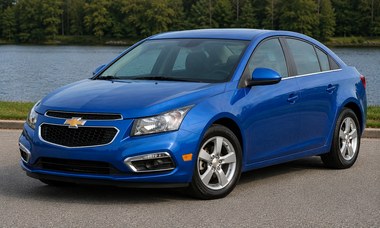
Is the Chevy Cruze reliable? Which Cruze years are the best to buy, which should you approach cautiously, and can one realistically last 150,000 or 200,000 miles?
The answer depends heavily on the year and engine. Chevrolet sold the Cruze in the United States from 2011 through 2019, and reliability improved considerably during that relatively short production run. Early cars developed a reputation for cooling-system leaks, PCV problems, oil leaks and turbo-related repairs, while the redesigned second-generation Cruze addressed some weaknesses but introduced different concerns of its own.
Engine choice matters too. Depending on the year, used Cruze buyers may encounter a naturally aspirated 1.8-liter four-cylinder, several versions of the 1.4-liter turbo, or one of two diesel engines. Those powertrains do not have identical reliability records.
There's also an easily overlooked complication for 2016: Chevrolet sold the redesigned second-generation Cruze while continuing the previous car as the 2016 Cruze Limited. They may share a model year, but they're fundamentally different vehicles.
This guide covers the complete 2011-2019 U.S. Chevrolet Cruze run and explains the differences that matter most when shopping for one today.
In This Guide You'll Learn
- Which Chevy Cruze years are generally the best used buys
- Which Cruze years deserve extra caution
- Why the earliest 2011-2013 cars can be particularly troublesome
- How first- and second-generation Cruze reliability compares
- Whether the 1.8L or 1.4L turbo is more reliable
- What commonly goes wrong with the Cruze cooling system
- Why PCV and valve-cover problems are so frequently discussed
- What to know about Cruze turbocharger problems
- How the diesel Cruze models compare
- Whether a Chevy Cruze can last 150,000 or 200,000 miles
- What to inspect before buying a high-mileage Cruze
Or, Looking For "New"?
If you're also considering a new Cruze, you may want to come back to this and take a look at a handy technique that locates the dealer in your area most ready to make price concessions.
Chevy Cruze Reliability Overview
The Chevrolet Cruze has a mixed reliability record. A good one can provide inexpensive transportation well beyond 100,000 miles, but the model also produced enough recurring problems that I'd be considerably more selective with a Cruze than with some competing compact cars.
The 2011-2015 first-generation Cruze is where many of the model's reliability complaints originated. The 1.4L turbo engine in particular combines a turbocharger, numerous plastic cooling-system components and a somewhat troublesome crankcase ventilation system. Coolant leaks, failed water outlets, thermostat housings, valve-cover/PCV failures and oil leaks can turn an inexpensive used car into a frustrating series of repairs.
The naturally aspirated 1.8L engine eliminates the turbocharger and is mechanically less complicated in some respects. That doesn't make the entire car trouble-free, but buyers primarily concerned with simplicity may find a well-maintained 1.8L worth considering.
Chevrolet also offered a 2.0L turbodiesel during the first generation. Its engine can be durable, especially in highway use, but modern diesel emissions equipment adds expensive components that gasoline Cruze buyers don't have to consider.
The 2016-2019 second-generation Cruze was substantially redesigned and is generally the generation I'd rather own. Its newer 1.4L turbo engine is not simply the same engine carried over unchanged from the previous car. The second generation is lighter, more efficient and generally improved, although it is not immune to turbo, PCV, cooling-system or internal-engine concerns.
Bottom Line: The Cruze is not a car I'd buy solely because the price looks attractive. The difference between a neglected early 1.4T and a well-maintained later Cruze can be enormous. If reliability is the priority, model year, engine, service history and a careful pre-purchase inspection all matter.
Chevy Cruze Reliability at a Glance
| Cruze Years | Reliability Outlook |
|---|---|
| 2011-2013 | Highest caution; early cars have numerous cooling, PCV, turbo and leak-related trouble areas |
| 2014-2015 | Later first-generation cars can be better buys, but familiar 1.4T cooling and PCV problems remain |
| 2014-2015 Diesel | Good highway potential, but diesel emissions-system repairs can be expensive |
| 2016 Cruze Limited | Continuation of the first-generation car; do not confuse it with the redesigned 2016 Cruze |
| 2016-2017 | Redesigned second generation; generally improved but early examples deserve careful inspection |
| 2018-2019 | Among the most attractive Cruze years overall, provided maintenance history is good |
| 2017-2019 Diesel | Excellent fuel economy and highway potential, but emissions-system complexity remains a consideration |
Chevy Cruze Reliability by Generation
2011-2015 Chevy Cruze: First Generation
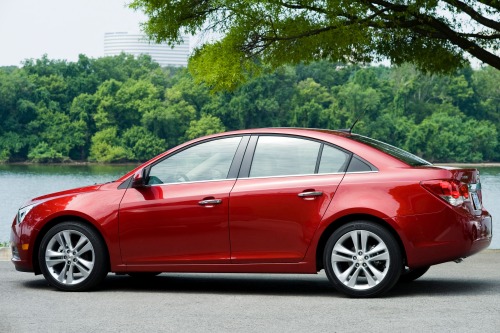
The Cruze arrived in the United States for 2011 as Chevrolet's replacement for the Cobalt. It offered a more substantial interior, good fuel economy and a quieter, more refined driving experience than many buyers expected from an inexpensive Chevrolet compact.
Unfortunately, the earliest Cruzes also established much of the model's troublesome reliability reputation.
Most gasoline cars use either a 1.8-liter naturally aspirated four-cylinder or a 1.4-liter turbocharged four-cylinder. Although neither engine is automatically a bad choice, they present different risks as the cars age.
2011 Chevy Cruze Reliability
The 2011 Cruze deserves extra caution because it was the first U.S. model year and combines the normal risks of an all-new model with several trouble areas that became familiar as these cars accumulated mileage.
Cooling-system leaks, coolant odor, thermostat and water-outlet failures, PCV-system problems, oil leaks and turbo-related concerns can all appear. Automatic-transmission behavior and miscellaneous electrical issues should also be checked carefully.
A 2011 Cruze isn't automatically a car to reject, particularly if previous owners have already addressed common failures. But given a choice between similarly priced examples, I'd generally favor a later year.
2012-2013 Chevy Cruze Reliability
The 2012 and 2013 cars benefited from additional production experience, but they still belong to the early portion of the Cruze's reliability history.
These years can develop many of the same cooling and PCV-system problems as 2011. At today's age and mileage, previous repairs matter enormously. A Cruze that has already received updated cooling-system components and documented maintenance may be substantially more attractive than one that still contains aging original parts.
These cars are often inexpensive on the used market, which can make them tempting. The problem is that several $400-$800 repairs can quickly eliminate the savings from buying the cheapest Cruze available.
2014-2015 Chevy Cruze Reliability
The 2014 and 2015 Cruze represent the mature years of the original design. I'd generally prefer one of these to a comparable 2011-2013 car.
That doesn't mean Chevrolet eliminated every weakness. The 1.4L turbo still has the same basic types of PCV, cooling-system and turbo-related components that deserve inspection.
The advantage is that these cars came later in the production cycle, and many used examples have already had common failure items replaced.
1.8L Chevy Cruze Engine Reliability
The naturally aspirated 1.8L four-cylinder is sometimes overshadowed by the more fuel-efficient 1.4L turbo, but it deserves consideration from buyers who value simplicity.
There is no turbocharger to fail, and the engine avoids some of the turbo-specific complications associated with the 1.4T.
However, the 1.8L is not maintenance-free. Cooling-system leaks, oil leaks, ignition problems, sensors and other age-related failures can occur. It also uses a timing belt, making documented timing-belt replacement important as mileage and age increase.
A neglected timing belt is much more consequential than an overdue cabin filter. When buying a high-mileage 1.8L Cruze, verify whether the belt has been replaced at the appropriate interval rather than simply assuming it has.
Buyer Tip: For someone considering an inexpensive first-generation Cruze and prioritizing mechanical simplicity over maximum fuel economy, a clean 1.8L car with documented maintenance can be an appealing alternative to the 1.4L turbo.
1.4L Turbo Chevy Cruze Reliability
The first-generation 1.4L turbo is efficient and provides useful low-rpm torque, but it is also responsible for many of the reliability questions surrounding the Cruze.
One of the most important trouble areas is the PCV system. Problems involving the valve cover and intake-manifold PCV components can cause vacuum leaks, rough running, whistling noises, excessive crankcase pressure, oil consumption or check-engine lights.
The turbocharger itself can also become a repair item. Wastegate wear, oil-related problems and other turbo failures can produce reduced boost, unusual noises or loss of performance.
Cooling-system reliability is another major concern. Plastic water outlets, thermostat housings, hoses and related components can deteriorate and leak. Because overheating can turn a relatively inexpensive cooling-system repair into major engine damage, recurring coolant loss should never be ignored.
The 1.4T can last a long time when maintained properly and when problems are repaired promptly. It simply has more potential failure points than an old-fashioned naturally aspirated four-cylinder.
Chevy Cruze Cooling-System Problems
If you're inspecting a first-generation Cruze, spend extra time on the cooling system.
Common trouble areas can include:
- Water outlet and coolant outlet leaks
- Thermostat housing problems
- Water-pump leaks
- Coolant hoses and connections
- Expansion tank and cap problems
- Persistent coolant odor
- Low coolant without an obvious puddle
- Overheating after coolant loss
Some individual repairs aren't terribly expensive. The frustration comes when several aging plastic components fail one after another.
Ask whether the cooling system has been repaired previously and inspect carefully for dried coolant residue around connections and housings.
Chevy Cruze PCV and Valve-Cover Problems
The Cruze's PCV system deserves separate attention because it is one of the most recognizable 1.4T problem areas.
A failed diaphragm or related PCV component can produce a rough idle, unusual whistling, vacuum problems, check-engine lights and oil leaks. Because portions of the system are integrated into other components, what sounds like a simple PCV-valve replacement can involve more than replacing a small conventional valve.
If a 1.4T Cruze idles poorly or produces unusual suction or whistling noises around the valve cover, don't assume it merely needs a tune-up.
Chevy Cruze Turbocharger Problems
Turbocharger problems aren't inevitable, but they're important because replacing a turbo can be expensive relative to the value of an older Cruze.
Watch for reduced power, underboost codes, unusual turbo noises, smoke, oil consumption and evidence of previous turbo replacement.
Regular oil changes are particularly important on a turbocharged engine because the turbo relies on the engine's oil supply for lubrication and cooling.
First-Generation Cruze Transmission Reliability
Both manual and automatic transmissions were offered, although most used Cruzes you'll encounter have a six-speed automatic.
During a test drive, watch for harsh shifts, delayed engagement, slipping, hesitation and abnormal behavior after the transmission reaches operating temperature.
A manual-transmission Cruze eliminates some automatic-transmission concerns, but clutch condition becomes important. A slipping clutch or worn synchronizers can still turn a cheap used car into an expensive purchase.
Common 2011-2015 Chevy Cruze Problems
- Coolant leaks and cooling-system component failures
- Water outlet and thermostat housing failures
- Water-pump leaks
- PCV-system and valve-cover problems on 1.4T engines
- Turbocharger and wastegate problems
- Oil leaks
- Ignition coil and misfire problems
- Automatic-transmission shift concerns
- Electrical and sensor problems
- Timing-belt maintenance on 1.8L engines
Buyer Tip: With an early Cruze, evidence of previous repairs can actually be reassuring. A car with documented replacement of known weak cooling and PCV components may be a better purchase than a lower-mileage example still carrying aging original components.
2014-2015 Chevy Cruze Diesel
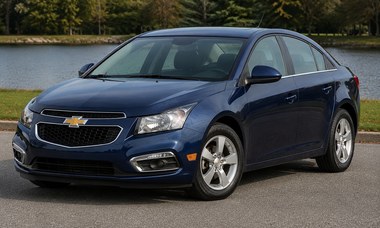
Chevrolet offered a 2.0L turbodiesel Cruze for buyers seeking exceptional highway fuel economy and diesel torque.
The diesel presents a different reliability equation from the gasoline Cruze. The basic engine can provide substantial mileage, particularly when the car regularly sees long highway trips. However, modern diesel emissions equipment adds complexity.
Components involving the diesel particulate filter, exhaust gas recirculation system, sensors and selective catalytic reduction system can become expensive as the car ages.
A diesel Cruze that spent its life making long highway trips can be much more attractive than one primarily used for repeated short journeys that prevented the emissions system from operating under ideal conditions.
Buyer Tip: Don't buy a Cruze Diesel simply because you expect the engine itself to last longer. Evaluate the entire emissions system and make sure the previous owner's driving pattern was appropriate for a modern diesel.
2016 Chevy Cruze Limited
The 2016 Cruze Limited can create confusion because Chevrolet sold it during the same model year as the redesigned Cruze.
The Limited is essentially a continuation of the first-generation car. It therefore retains the earlier model's engines, architecture and familiar reliability concerns.
If you're comparing two 2016 Cruzes, determine which one you're actually looking at before relying on reliability information or ordering parts.
The distinction can also explain why two supposedly identical-year Cruzes look completely different in classified advertisements.
Buyer Tip: Treat a 2016 Cruze Limited as a late first-generation Cruze, not as an early example of the redesigned second generation.
2016-2019 Chevy Cruze: Second Generation
The redesigned Cruze arrived for the 2016 model year and represents a substantial change from the original car. Chevrolet reduced weight, improved fuel economy and introduced a newer 1.4L turbocharged four-cylinder.
Although the displacement is the same as the previous 1.4T, buyers should not assume the engines are identical. The second-generation engine belongs to a newer engine family and brought substantial engineering changes.
Overall, the 2016-2019 Cruze is the generation I'd generally favor if choosing between comparable first- and second-generation cars.
2016 Chevy Cruze Reliability
The redesigned 2016 Cruze is considerably different from the Cruze Limited sold alongside it.
Because it was the first year of a new generation, I'd still inspect a 2016 somewhat more carefully than a 2018 or 2019. First-year cars can experience production and software issues that are gradually refined during later model years.
That said, the redesigned 2016 is generally a more attractive starting point than the earliest 2011-2013 cars.
2017 Chevy Cruze Reliability
By 2017 the redesigned Cruze had another year of production experience behind it. Chevrolet also expanded the lineup, including the hatchback and the return of a diesel option.
A well-maintained 2017 can be a reasonable used buy, but engine operation, turbo performance, cooling-system condition and transmission behavior should still be evaluated carefully.
2018-2019 Chevy Cruze Reliability
The 2018 and 2019 Cruze are the years I'd generally investigate first if I wanted the newest and most developed version of Chevrolet's compact car.
They benefit from being late in the second generation and avoid much of the age now affecting the earliest Cruzes.
They are not immune to problems. The 1.4T remains a small turbocharged engine with direct injection and considerably more complexity than a simple naturally aspirated engine. Maintenance history remains important.
One concern worth investigating on a second-generation 1.4T is evidence of serious internal engine trouble, including piston damage on some cars. Abnormal knocking, misfires, excessive oil consumption, low compression or a history of major engine repair should be investigated before purchase.
That doesn't mean every later Cruze is headed for engine failure. It means that a clean inspection and good service history remain important even on the years I'd otherwise prefer.
Second-Generation 1.4L Turbo Reliability
The newer 1.4L turbo gives the second-generation Cruze a useful combination of torque and fuel economy. Properly maintained examples can accumulate substantial mileage.
As with any small turbocharged engine, oil quality and oil level matter. Regular oil changes help protect the turbocharger, timing components and internal engine parts.
Cooling-system condition also deserves attention. A small leak should be repaired promptly rather than tolerated until the car begins overheating.
For a used buyer, I'd strongly prefer an unmodified car with maintenance records over one that has been tuned for additional boost or otherwise modified.
Second-Generation Cruze Transmission Reliability
Most second-generation Cruzes use a six-speed automatic, although manual transmissions were available on some versions.
The automatic should shift smoothly without excessive hesitation, flare or harsh engagement. Test it both cold and fully warmed up.
Manual cars deserve the usual clutch and synchronizer inspection. A manual Cruze can appeal to someone hoping to avoid automatic-transmission repair risk, but only if the clutch hasn't already been abused.
Common 2016-2019 Chevy Cruze Problems
- Turbocharger and boost-control problems
- PCV and crankcase-ventilation concerns
- Cooling-system leaks
- Oil leaks and oil consumption
- Misfires and ignition problems
- Internal engine or piston damage on some 1.4T cars
- Automatic-transmission shift-quality concerns
- Electrical and sensor problems
- Infotainment problems
Buyer Tip: The later Cruze is generally the generation I'd choose, but don't interpret "better than the first generation" as "problem-free." A 2018 or 2019 with documented oil changes and a clean mechanical inspection is much more attractive than one with unexplained misfires, oil consumption or aftermarket engine tuning.
2017-2019 Chevy Cruze Diesel
The diesel returned during the second generation with a 1.6L turbodiesel. It was available in both sedan and hatchback configurations during portions of its run and offered impressive highway fuel economy.
As with the earlier diesel, the engine itself is only part of the reliability equation. Diesel particulate filters, EGR components, DEF/SCR equipment and emissions sensors can become significant repair expenses as mileage increases.
These cars can make sense for someone who drives substantial highway mileage and specifically wants a diesel. They are less compelling for repeated short-trip use where the emissions system may have fewer opportunities to complete proper regeneration cycles.
Some diesel Cruzes were even available with a manual transmission, creating an unusual combination for the U.S. market. Because these cars are relatively uncommon, finding diesel-specific parts or expertise may sometimes be less convenient than servicing an ordinary gasoline Cruze.
Buyer Tip: A high-mileage diesel Cruze with extensive highway use and documented emissions-system maintenance may be an interesting purchase. A neglected diesel bought solely because it gets excellent fuel economy can become expensive very quickly.
What Are the Biggest Chevy Cruze Reliability Differences?
The Cruze's reliability record makes much more sense once the major versions are separated.
- 2011-2013: The years I'd approach most cautiously because they combine early production with many of the first generation's familiar problems.
- 2014-2015: Mature first-generation cars, but 1.4T cooling and PCV concerns remain important.
- 1.8L vs. first-generation 1.4T: The 1.8L eliminates turbocharger complexity but requires timing-belt maintenance; the 1.4T offers better low-end torque and efficiency but has more potential trouble areas.
- 2016 Cruze Limited: Mechanically belongs with the older generation despite its model year.
- 2016-2019 redesign: Generally the stronger generation and the one I'd favor for most buyers.
- 2018-2019: Among the first years I'd investigate when looking for a used Cruze, although engine condition still needs verification.
- Gasoline vs. diesel: Diesel engines can be durable highway performers, but emissions-system complexity can produce expensive repairs.
- Maintenance history: Particularly important on turbocharged engines where oil neglect, coolant loss or overheating can lead to much more expensive damage.
Bottom Line: The Chevy Cruze improved during its production run. I'd be most cautious with the 2011-2013 cars, selectively consider a well-maintained 2014-2015, and generally concentrate on the 2016-2019 second generation—particularly 2018-2019—if the budget allows. Regardless of year, don't buy one without checking the cooling system, engine operation, oil history and transmission carefully.
What Are The Best Chevy Cruze Years to Buy?
The best Chevy Cruze years are generally found toward the end of each generation, with the 2018-2019 second-generation cars standing out as the versions I'd investigate first.
That doesn't mean every late Cruze is reliable or every early Cruze should be avoided. Maintenance history and previous repairs can dramatically change the outlook, particularly on the first-generation 1.4L turbo.
| Cruze Years | Why They Stand Out |
|---|---|
| 2014-2015 | Later first-generation cars; preferable to the earliest years if common cooling and PCV issues have been addressed |
| 2016-2017 | Redesigned second generation with substantial improvements, although these are the earlier years of the new design |
| 2018-2019 | Generally the most attractive gasoline Cruze years; mature second-generation design with less age than earlier cars |
| 2017-2019 Diesel | Interesting high-mileage highway choice for the right owner, but emissions-system condition is critical |
Best First-Generation Choice: If I were shopping specifically for the original Cruze, I'd generally start with 2014-2015 rather than 2011-2013. I'd still want evidence that common cooling-system and PCV problems had been addressed.
Best Overall Choice: A well-maintained 2018 or 2019 Cruze would be my first choice for most buyers. These are mature examples of the redesigned car and avoid some of the age and early-production concerns surrounding older Cruzes.
Which Chevy Cruze Years Should You Avoid Or Require Extra Caution?
The Cruze is one model where I'd put meaningful weight on model year. The earliest cars accumulated enough recurring problems that an unusually cheap purchase price shouldn't be the primary reason to buy one.
| Cruze Years | Why Use More Caution |
|---|---|
| 2011 | First U.S. model year with numerous cooling, PCV, turbo, leak and early-production concerns |
| 2012-2013 | Still affected by many of the first generation's most familiar reliability problems |
| 2014-2015 1.4T | Improved later years, but cooling-system, PCV and turbo problems remain possible |
| 2016 Cruze Limited | Actually the older-generation Cruze; condition and maintenance matter more than its relatively recent model year suggests |
| 2016 Redesigned Cruze | Much improved overall but first year of the completely redesigned second generation |
Years I'd Be Most Hesitant to Buy: The 2011-2013 Cruze would receive the most scrutiny. There are certainly good examples, but there are enough cooling, PCV, turbo and leak-related problems that I'd need a compelling combination of condition, maintenance records and price.
Buyer Takeaway: Don't interpret a "year to avoid" recommendation as meaning every example will fail. An early Cruze whose owner has already replaced common weak components and maintained it carefully may be better than a neglected 2018 with unexplained engine problems.
Also, Know Your Trade-In Value
While you're narrowing down your next vehicle choice, it's also highly recommended that you know the value of your trade-in. Having a realistic appraisal is necessary to establish your budget as well as negotiate a better overall deal. Here's a good source for a quick and accurate appraisal: free trade-in appraisal.
Which Chevy Cruze Generation Is Most Reliable?
The 2016-2019 second-generation Cruze is the generation I'd generally choose for reliability.
It is a substantially redesigned vehicle rather than a cosmetic update of the first-generation car. It also benefits from being newer, which means fewer years of heat cycles, corrosion, deteriorating rubber components and accumulated repairs.
The first-generation Cruze can still be inexpensive transportation, but its recurring cooling-system, PCV and turbo problems make careful selection particularly important.
Within the second generation, I'd generally lean toward 2018-2019. By then the redesigned car had been in production for several years, while these cars are still considerably newer than the earliest Cruzes.
Bottom Line: If two Cruzes were similar in condition, mileage and price, I'd generally choose a later second-generation car over a first-generation model.
Which Chevy Cruze Engine Is Most Reliable?
There isn't one Cruze engine that combines extreme simplicity, an exceptional reliability reputation and strong performance. Each engine involves tradeoffs.
1.8L Naturally Aspirated Engine
The 1.8L engine appeals because it eliminates the turbocharger and some of the additional hardware found on the 1.4T.
That mechanical simplicity can be valuable on an inexpensive older car. However, the engine uses a timing belt, and timing-belt replacement needs to be treated as required maintenance rather than an optional service.
A 1.8L Cruze with documented timing-belt service and a healthy cooling system can be one of the more straightforward first-generation combinations.
First-Generation 1.4L Turbo
The first-generation 1.4L turbo offers good fuel economy and useful torque, but it has more potential trouble areas.
PCV-system failures, valve-cover problems, cooling-system leaks and turbocharger issues all deserve attention. These problems don't occur on every car, but they are common enough to materially affect the buying decision.
I wouldn't reject a 1.4T automatically. I'd simply want stronger evidence of good maintenance and previous repairs than I would with some competing compact cars.
Second-Generation 1.4L Turbo
The newer 1.4L turbo used in the redesigned Cruze is generally the gasoline engine I'd favor if shopping for a Cruze today.
It delivers strong fuel economy and adequate performance, and the second-generation car is generally preferable to its predecessor.
However, buyers should still investigate oil consumption, misfires, turbo operation and any evidence of internal engine or piston damage. A compression problem or persistent misfire deserves diagnosis before purchase rather than being dismissed as a minor ignition issue.
Cruze Diesel Engines
Both Cruze diesel engines can accumulate substantial mileage under the right conditions. Their advantage is most apparent for drivers who regularly cover long highway distances.
The disadvantage is the emissions equipment surrounding the engine. DPF, EGR, SCR/DEF components and sensors can produce repairs that quickly overwhelm the fuel savings on an inexpensive used car.
Bottom Line: For first-generation simplicity, I'd consider a well-maintained 1.8L. For the best overall Cruze package, I'd generally choose the later second-generation 1.4T, but only after verifying good maintenance and healthy engine operation.
Chevy Cruze Transmission Reliability
Most used Cruzes have a six-speed automatic transmission, although manuals were available during both generations.
Six-Speed Automatic Transmission
The automatic transmission isn't necessarily the Cruze's biggest reliability weakness, but it can become an expensive problem on a high-mileage car.
During a test drive, pay attention to:
- Delayed engagement into Drive or Reverse
- Harsh or abrupt shifts
- Slipping under acceleration
- Engine-speed flare between gears
- Hesitation when accelerating from low speed
- Abnormal shifting after the transmission becomes fully warm
- Transmission-fluid leaks
Don't judge the transmission after driving around the block. A longer test drive that brings the engine and transmission fully up to temperature is much more useful.
Manual Transmission
A manual Cruze can eliminate some automatic-transmission concerns, but clutch wear and previous driver abuse become important.
Check for clutch slipping under hard acceleration, difficult gear engagement, grinding and worn synchronizers.
A manual transmission isn't automatically more reliable if the previous owner treated the car badly.
Pricing
Knowing which Cruze model years to concentrate on is step 1. Step 2 is knowing how to actually get an excellent Cruze price.
Most Common Chevy Cruze Problems
The following trouble areas are among the most important to investigate before buying a used Cruze.
1. Cooling-System Leaks
Cooling-system problems are among the Cruze's most recognizable weaknesses, particularly on first-generation cars.
Plastic outlets, thermostat housings, water pumps, hoses and expansion-tank components can leak as they age.
The individual component may be relatively inexpensive. The greater danger is continuing to drive while coolant is low and overheating the engine.
If a Cruze repeatedly needs coolant added, find the cause before buying it.
2. PCV and Valve-Cover Problems
PCV-system problems are especially associated with the first-generation 1.4L turbo.
Symptoms can include rough idle, whistling noises, check-engine lights, vacuum leaks, oil leaks and abnormal crankcase pressure.
Because the system involves components integrated into the valve cover and intake arrangement, the proper repair can involve more than replacing a conventional PCV valve.
3. Turbocharger Problems
A failing turbocharger can cause reduced power, underboost codes, unusual noises, smoke or poor acceleration.
Turbo longevity is influenced by oil maintenance. A Cruze with long or undocumented oil-change intervals deserves more caution than one with consistent service records.
4. Oil Leaks
Oil leaks can develop from valve-cover areas, seals and other engine components as a Cruze ages.
A small seep is different from a car that routinely loses enough oil to require topping off between changes. On a turbocharged engine, maintaining the proper oil level is especially important.
5. Misfires and Ignition Problems
Ignition coils, spark plugs, vacuum problems and other faults can produce misfires and rough running.
On a second-generation 1.4T, however, don't automatically assume every persistent misfire is simply a bad coil. Compression should be checked if there is reason to suspect internal engine damage.
6. Piston and Internal Engine Problems
Some second-generation 1.4L turbo Cruzes have experienced damaged pistons or other internal engine problems.
Warning signs can include persistent misfires, low compression, unusual engine noises, excessive oil consumption or a history of major engine repair.
This isn't a reason to assume every 2016-2019 Cruze will suffer engine failure. It is a reason to take unexplained rough running seriously.
7. Water-Pump Problems
Water-pump leakage can contribute to the Cruze's broader cooling-system reputation.
Look for coolant residue, low coolant level, overheating history or evidence that the cooling system has repeatedly required repairs.
8. Automatic Transmission Problems
Harsh shifts, slipping and delayed engagement should be investigated before purchase.
A transmission repair can easily exceed the value advantage that made an inexpensive Cruze attractive in the first place.
9. Electrical and Sensor Problems
Battery connections, sensors, warning lights and miscellaneous electrical problems can appear as these cars age.
Scan the car for diagnostic codes even if no warning light is currently illuminated. Pending codes can reveal a problem that hasn't yet triggered the dashboard light.
10. Diesel Emissions-System Problems
Diesel Cruze buyers need to consider components that gasoline models don't have.
DPF, EGR, DEF/SCR systems and emissions sensors can be expensive, particularly if the car has spent much of its life making short trips.
How Long Does a Chevy Cruze Last?
A properly maintained Chevy Cruze can realistically last 150,000 to 200,000 miles, but reaching that mileage economically depends heavily on maintenance and how quickly problems are addressed.
The Cruze isn't a model where I'd assume 200,000 trouble-free miles simply because the engine currently runs well. Cooling-system components, turbocharger hardware, PCV systems, transmissions and electronics all contribute to total ownership cost.
Is 100,000 Miles Too Much for a Chevy Cruze?
No. A Cruze with 100,000 miles can still have substantial useful life remaining.
However, this is approximately the mileage range where maintenance history becomes much more important than the number displayed on the odometer.
On a first-generation 1.4T, I'd want to know what cooling-system and PCV repairs have already been performed. On a 1.8L, timing-belt history becomes important. On a second-generation 1.4T, I'd pay close attention to oil history, engine operation and any previous misfire or piston-related repairs.
Should You Buy a Chevy Cruze With 150,000 Miles?
A 150,000-mile Cruze can still make sense if it is inexpensive, well maintained and passes a thorough inspection.
At that mileage, I'd prefer a car with extensive repair and maintenance records. A Cruze whose owner has already replaced common wear and failure items can actually be more attractive than a lower-mileage car approaching all of those expenses.
The purchase price also needs to leave room for repairs. A high-mileage Cruze bought at a bargain price can make sense; paying a premium because it looks unusually clean may not.
Can a Chevy Cruze Last 200,000 Miles?
Yes. There are Cruzes capable of exceeding 200,000 miles, particularly when owners maintain them carefully and repair cooling, oil and engine problems promptly.
But I'd describe 200,000 miles as achievable rather than guaranteed. The Cruze has enough potential trouble areas that neglected examples may become uneconomical long before reaching that mileage.
Chevy Cruze Maintenance and Repair Costs
The Cruze has one major advantage as an inexpensive used car: routine parts and service are generally affordable and independent repair shops are familiar with the model.
The disadvantage is that repeated repairs can add up quickly, particularly on an early 1.4T.
| Repair or Service | Typical Cost Range |
|---|---|
| Oil and filter change | $60-$120 |
| Brake pads and rotors | $400-$900+ |
| Spark plugs | $150-$350+ |
| Ignition coil/coil pack repair | $200-$500+ |
| Thermostat or coolant outlet repair | $250-$700+ |
| Valve cover/PCV-related repair | $250-$800+ |
| Water pump | $500-$1,000+ |
| 1.8L timing-belt service | $600-$1,200+ |
| Turbocharger replacement | $1,200-$2,500+ |
| Diesel emissions-system repair | $700-$3,000+ |
| Transmission replacement/rebuild | $3,500-$6,000+ |
| Major engine repair/replacement | $4,000-$7,500+ |
These are broad repair ranges rather than quotes. Labor rates, location, engine choice and the parts used can change the actual cost substantially.
The important point with a Cruze is cumulative cost. Three separate $500 repairs on a $4,000 car matter even if none of those repairs would be considered catastrophic by itself.
Maintenance to Expect After 100,000 Miles
For a Cruze that has crossed 100,000 miles, I'd review the following rather than assuming routine oil changes are enough.
- Engine oil and filter service
- Transmission-fluid history
- Coolant condition and cooling-system pressure test
- Water pump, thermostat housing and coolant outlets
- Spark plugs and ignition components
- PCV and valve-cover condition on 1.4T engines
- Turbocharger operation and boost-related codes
- Timing-belt history on 1.8L engines
- Serpentine belt and tensioner
- Brake-fluid condition
- Brake pads and rotors
- Wheel bearings and suspension components
- Engine and transmission mounts
- Battery and charging-system condition
- Oil-leak inspection
- Diesel emissions-system condition on diesel models
If the seller cannot document major scheduled maintenance, assume you may need to perform it after purchase and factor that into what you're willing to pay.
What to Check Before Buying a Used Chevy Cruze
A pre-purchase inspection is particularly worthwhile on a Cruze because several common problems can be detected before money changes hands.
- Start it completely cold: Listen for abnormal engine noises and watch how quickly it settles into a smooth idle.
- Check the coolant level: Low coolant on a Cruze deserves investigation.
- Look for coolant residue: Inspect around outlets, housings, hoses, the expansion tank and water-pump area.
- Smell for coolant: A sweet coolant odor can reveal a leak that isn't leaving an obvious puddle.
- Inspect the PCV system: On a 1.4T, listen for whistling and check for abnormal idle or vacuum behavior.
- Check turbo operation: The engine should accelerate smoothly without underboost warnings or unusual turbo noises.
- Scan the computer: Look for current, pending and recently cleared diagnostic codes.
- Investigate persistent misfires: Particularly on a second-generation 1.4T, don't assume every misfire is a cheap ignition repair.
- Road-test the transmission: Drive long enough for it to become fully warm.
- Verify timing-belt service: Essential when considering a higher-mileage 1.8L Cruze.
- Check oil-change records: Especially important on turbocharged engines.
- Inspect for modifications: I'd generally prefer an unmodified turbo Cruze over one with aftermarket tuning or increased boost.
- Check diesel emissions equipment: On a diesel, warning lights or incomplete emissions repairs can become expensive.
- Confirm the exact model: A 2016 Cruze Limited is the previous-generation car, not the redesigned Cruze.
Chevy Cruze Pros and Cons
Pros
- Used examples can be inexpensive
- Very good fuel economy
- Comfortable highway manners for a compact car
- Later second-generation cars are substantially improved
- 1.8L eliminates turbocharger complexity
- Later 1.4T provides strong efficiency and useful torque
- Diesel versions can deliver excellent highway fuel economy
- Parts availability is generally good
- Independent shops are familiar with common Cruze problems
- 150,000-200,000 miles is possible with good maintenance
Cons
- Early years have a below-average reliability reputation
- Cooling-system leaks are common on first-generation cars
- First-generation 1.4T PCV problems can be frustrating
- Turbocharger repairs can be expensive relative to vehicle value
- 1.8L requires timing-belt maintenance
- Some second-generation cars have experienced serious piston or internal-engine problems
- Repeated smaller repairs can make a cheap Cruze expensive to own
- Diesel emissions systems add substantial complexity
- High-mileage automatic transmissions require careful inspection
Final Buyer Summary: Is the Chevy Cruze Reliable?
The Chevy Cruze can be a reliable used car, but it isn't a model I'd recommend buying indiscriminately. Reliability improved during its production run, and choosing the right year and engine can materially improve your odds of a good ownership experience.
I'd be most cautious with the 2011-2013 Cruze. These early cars are now inexpensive, but their cooling-system, PCV, turbo and leak-related problems can quickly turn a bargain into a succession of repairs.
The 2014-2015 models are more appealing if you specifically want a first-generation Cruze. A well-maintained 1.8L offers relative mechanical simplicity, while a 1.4T can still be worthwhile if common problem areas have already been addressed.
Remember that the 2016 Cruze Limited is essentially a continuation of the old car. Don't assume its 2016 model year means it has the redesigned Cruze's improvements.
For most buyers, I'd concentrate on the 2016-2019 second generation, with the 2018 and 2019 Cruze generally receiving my strongest consideration. They represent the mature years of the redesigned car and avoid many of the age-related concerns surrounding the earliest models.
Even then, I'd want a clean engine inspection, consistent oil-change history, proper turbo operation and no unexplained misfires. A later model year doesn't compensate for poor maintenance.
The diesel Cruze is a more specialized choice. It can make sense for someone who drives substantial highway mileage and understands modern diesel emissions systems, but it isn't automatically the most reliable Cruze simply because diesel engines can last a long time.
Buyer Takeaway: A good Cruze can reach 150,000 to 200,000 miles and provide inexpensive transportation. The safest approach is to avoid buying solely on price. Favor later years, insist on maintenance history, investigate coolant loss or engine warning signs, and have a questionable car inspected before purchase.
And for more Chevrolet model reliability information, see our Chevrolet Reliability and Problems Guide. This comprehensive guide details the best used Chevy models and years, common problems to watch for, the best years to buy or those to avoid, and more.
What's Next?
Your Trade-In
Getting a strong trade-in allowance will have the biggest impact on your final price. See KBB versus Edmunds Appraisals - Which Is Better to learn about getting accurate and fair trade-in values before negotiating with a dealer.
Understand Dealer Fees
Before agreeing to a dealer's numbers, see which dealer fees are legitimate, which can be negotiated, and which can be avoided.