

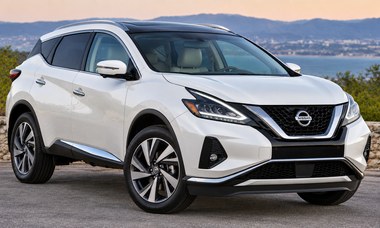
The Nissan Murano has been one of Nissan's more distinctive crossovers since its 2003 introduction, combining a comfortable interior, strong V6 performance and a smoother, more car-like driving experience than many traditional SUVs. As a used vehicle, however, Murano reliability varies considerably by model year, mileage and, especially, CVT condition.
The good news is that Nissan paired the Murano with its long-running 3.5-liter VQ35DE V6 throughout the 2003–2024 period covered here. The engine itself can be quite durable. The greater concern on many used Muranos is the continuously variable transmission, particularly on older and higher-mileage examples.
This guide covers 2003 through 2024 U.S.-market Nissan Murano models. There was no regular 2008 U.S. Murano model year between the first- and second-generation vehicles.
In This Guide You'll Learn
- Which Nissan Murano years are generally the best used-car choices
- Which Murano years deserve extra caution
- How reliable the 3.5-liter VQ35DE V6 engine is
- How Murano CVT reliability differs by generation and year
- How many miles a Nissan Murano can realistically last
- The most important problems to check before buying
- Typical maintenance and repair costs as a Murano gets older
Or, Looking For "New"?
If you're also considering a new Murano, you may want to come back to this and take a look at a handy technique that locates the dealer in your area most ready to make price concessions.
Nissan Murano Reliability Overview
The Nissan Murano can be a reasonably reliable used crossover, but its reputation is held back primarily by CVT concerns rather than by its V6 engine. That distinction is important. A Murano with a healthy transmission and good maintenance history can provide many years of service, while one with a deteriorating CVT can turn an otherwise attractive used-car purchase into an expensive mistake.
The 3.5-liter VQ35DE V6 is one of the Murano's strongest attributes. Variations of this engine have been used extensively throughout Nissan and Infiniti's lineup, and with regular oil changes and proper cooling-system maintenance, high mileage is not unusual. Oil leaks, sensors, ignition components, motor mounts and other age-related repairs can occur, but the basic engine is generally more reassuring than the transmission attached to it.
CVT reliability requires a more nuanced assessment. It would be misleading to treat every Murano from 2003 through 2024 as having the same transmission risk. Early first-generation vehicles developed a particularly poor reputation for expensive drivetrain problems, while later versions benefited from years of development. Even so, Nissan continued issuing technical guidance for CVT judder on 2015–2023 V6 Muranos, so transmission behavior and maintenance history remain important even on newer examples.
For that reason, the best used Murano is not necessarily the lowest-mileage one you can find. A somewhat higher-mileage vehicle with documented maintenance, smooth CVT operation and a good inspection can be a safer purchase than a lower-mileage Murano with an uncertain history.
Nissan Murano Reliability at a Glance
| Category | Assessment |
|---|---|
| Overall Reliability | Average to good in stronger years; heavily dependent on CVT condition |
| Best Used Years | Later second-generation and later third-generation models generally deserve the strongest consideration |
| Years Requiring Extra Inspection | Early first-generation models and any Murano showing CVT hesitation, shuddering, slipping or abnormal noise |
| Most Reliable Engine | 3.5-liter VQ35DE V6 |
| Biggest Used-Car Concern | CVT condition and repair history |
| Expected Lifespan | About 150,000–200,000 miles; well-maintained examples can exceed 200,000 miles |
How Many Miles Can a Nissan Murano Last?
A well-maintained Nissan Murano can realistically last about 150,000 to 200,000 miles, and some reach well beyond 200,000 miles. The VQ35DE V6 is capable of substantial mileage, so the condition of the CVT and the rest of the vehicle often determines whether keeping a high-mileage Murano remains economically sensible.
At 100,000 miles: A properly maintained Murano should not automatically be considered near the end of its life. At this mileage, however, transmission behavior becomes increasingly important. Service history, fluid condition, cooling-system maintenance, suspension wear and oil leaks should all be considered.
At 150,000 miles: This is where individual vehicle history matters more than the Murano's reputation as a model. A smooth-running V6 and properly functioning CVT can make a 150,000-mile Murano a reasonable inexpensive vehicle. A CVT beginning to shudder, hesitate or whine can make the same vehicle a poor financial risk.
At 200,000 miles: Reaching 200,000 miles is quite possible, particularly when the vehicle has received consistent maintenance. By this point, buyers should expect normal age-related expenses involving suspension components, wheel bearings, mounts, hoses, seals and other wear items even if the engine and transmission remain serviceable.
Beyond 200,000 miles: Some Muranos continue considerably farther, but at this mileage the question becomes less about whether the V6 can keep running and more about whether the CVT and the rest of the vehicle justify continued repairs. A documented transmission replacement earlier in the vehicle's life can sometimes actually make a very high-mileage Murano more interesting than one still operating on an unknown original CVT.
Also, Know Your Potential Trade-In Value
While you're narrowing down your next vehicle choice, it's also highly recommended that you know the value of your trade-in. Having a realistic appraisal is necessary to establish your budget as well as negotiate a better overall deal. Here's a good source for a quick and accurate appraisal: free trade-in appraisal.
Nissan Murano Reliability by Generation
2003–2007 Nissan Murano: First Generation
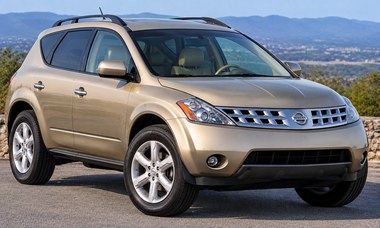
The original Murano was unusual when it arrived for 2003. Nissan combined the 3.5-liter VQ35DE V6 with a continuously variable transmission at a time when CVTs were still uncommon in larger, relatively powerful crossovers. The result was smooth acceleration and strong performance, but these early vehicles also established much of the Murano's later reputation for transmission concerns.
The VQ35DE itself is generally the more durable half of the powertrain. With proper maintenance, the engine can accumulate substantial mileage. On an older first-generation Murano, however, buyers should watch for oil leaks, worn engine mounts, cooling-system deterioration, failing sensors and other age-related problems in addition to evaluating the transmission.
The CVT deserves much greater scrutiny. Hesitation from a stop, delayed engagement, surging, shuddering, whining noises or unusual changes in engine speed during acceleration should not simply be dismissed as normal CVT behavior. On a vehicle this old, the cost of a major transmission repair can approach or exceed a significant portion of the Murano's value.
Early Muranos also have a substantial recall history, so a VIN-specific recall check is worthwhile rather than assuming that every campaign applied to every vehicle. At this age, documented completion of recall work and evidence of careful maintenance are more meaningful than the model year alone.
Buyer Tip: Buy a 2003–2007 Murano primarily on condition and history. The V6 can still have plenty of life remaining, but an inexpensive first-generation Murano with questionable CVT behavior can become expensive very quickly.
2009–2014 Nissan Murano: Second Generation
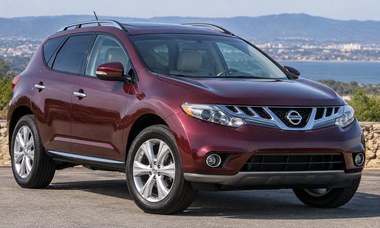
The redesigned second-generation Murano arrived for 2009 and retained the familiar formula of a 3.5-liter V6 and CVT. These vehicles are newer and more refined than the first generation, and later examples can represent an attractive value for buyers who want a comfortable crossover without paying late-model prices.
The basic reliability equation remains similar: the VQ35DE V6 is generally a strength, while CVT condition deserves careful attention. By this point Nissan had considerably more experience with continuously variable transmissions, but that does not make every second-generation Murano trouble-free.
When test-driving one, pay particular attention after the vehicle is fully warmed up. Acceleration should be smooth and predictable without pronounced shuddering, slipping, delayed response or abnormal whining. A short drive around the block is not enough to evaluate an older high-mileage CVT.
Age is now becoming a major consideration with these vehicles as well. Suspension components, wheel bearings, engine mounts, oil leaks, cooling-system components and electrical accessories can require attention even on a Murano with an otherwise healthy powertrain.
The later years of this generation are generally more interesting used-car candidates than the earliest examples, assuming maintenance and condition are comparable. They combine the proven V6 with a more mature version of the Murano platform while remaining relatively simple compared with many newer crossovers.
Buyer Tip: A well-maintained later second-generation Murano with a smooth CVT can be one of the better values in the lineup. Don't buy solely because the 3.5-liter V6 sounds healthy; evaluate the transmission just as carefully.
2015–2018 Nissan Murano: Third Generation Arrives
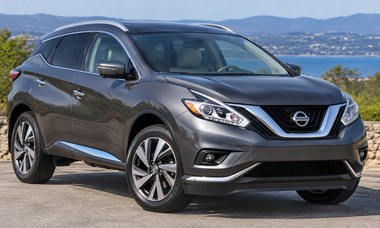
The 2015 redesign gave the Murano dramatically different styling, a more modern interior and additional technology while retaining the 3.5-liter VQ35DE V6 and CVT. For used-car shoppers, these models can be appealing because they feel considerably newer than the second-generation Murano without necessarily carrying late-model prices.
However, buyers should not assume that the newer body eliminated CVT concerns. Nissan technical service information covering V6 CVTs includes 2015 and later Muranos and addresses complaints involving transmission judder and related diagnostic trouble codes. That does not mean every Murano covered by the bulletin has a defective transmission, but it reinforces the importance of evaluating the individual vehicle rather than relying solely on model-year reputation.
During a test drive, watch for shaking or shuddering under acceleration, unusual vibration, hesitation and inconsistent power delivery. A warning light or stored transmission code deserves proper diagnosis rather than a seller's reassurance that the behavior is simply characteristic of a CVT.
The 3.5-liter continues to be a positive. By this stage it was an extremely mature engine design, and a properly maintained example can remain mechanically strong at substantial mileage. Normal used-car concerns include leaks, mounts, cooling-system condition, suspension wear and electrical equipment.
Buyer Tip: Don't reject a 2015–2018 Murano simply because it uses a CVT, but don't buy one without thoroughly testing it either. Service records and smooth operation under different driving conditions are especially valuable.
2019–2024 Nissan Murano: Later Third Generation
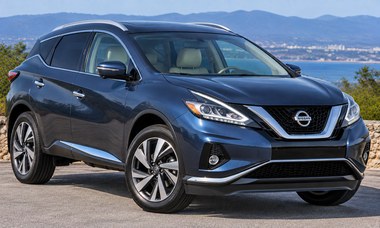
The later third-generation Murano is generally where we'd concentrate if budget allows. Nissan continued using the familiar 3.5-liter V6 and CVT rather than introducing an entirely new powertrain, and buyers benefit from a vehicle produced after many years of development of both the Murano platform and Nissan's V6 CVT application.
That doesn't make CVT inspection unnecessary. Nissan's technical guidance concerning CVT judder extends through the 2023 Murano, so a later vehicle showing shuddering, vibration or abnormal transmission behavior still deserves investigation. The advantage is that these vehicles are newer, generally have fewer age-related problems and are easier to find with verifiable service histories.
For buyers who prioritize long-term simplicity, the Murano's continued use of the naturally aspirated 3.5-liter V6 can also be attractive. There is no turbocharger to evaluate, and the basic engine had already accumulated a long service history by these model years.
Later-model Muranos also tend to retain enough value that a lightly used example may sometimes cost surprisingly close to a properly negotiated newer alternative. It's worth comparing both choices rather than automatically assuming the used Murano represents the better value.
Buyer Tip: Later third-generation Muranos are among the most appealing choices in the lineup, but transmission behavior still matters. Favor a well-documented example and test it long enough for the drivetrain to reach full operating temperature.
Nissan Murano Engine Reliability
3.5-Liter VQ35DE V6
Engine selection is unusually simple with the 2003–2024 Murano because Nissan stayed with the 3.5-liter VQ35DE V6 throughout this entire period. That consistency is useful for used-car shoppers because the engine's strengths and weaknesses are well established.
Overall, the VQ35DE is a durable engine and is one of the strongest reasons to consider a used Murano. With regular oil changes, proper cooling-system maintenance and attention to developing leaks, it can remain serviceable well beyond 150,000 miles and often beyond 200,000 miles.
As mileage increases, buyers may encounter oil leaks, worn motor mounts, ignition coils, sensors, cooling-system repairs and other normal aging issues. These should be distinguished from the much more consequential question of CVT condition. A Murano needing a valve-cover leak repaired is very different financially from one approaching transmission failure.
Because the engine remained fundamentally consistent for so long, choosing the best Murano is less about finding a particular engine and more about finding the best combination of model year, maintenance history, CVT condition, mileage and price.
Which Nissan Murano Engine Is Most Reliable?
There isn't a meaningful engine contest among 2003–2024 Muranos: the 3.5-liter VQ35DE V6 is the engine used throughout the lineup and is generally one of the Murano's more reliable major components.
For a high-mileage used Murano, we'd be more concerned about how the vehicle was maintained and how its CVT behaves than about searching for a different engine. A smooth, well-maintained 3.5-liter V6 paired with a healthy transmission is the combination to look for.
Common Nissan Murano Problems by Generation
2003–2007 Murano
- CVT problems: Transmission hesitation, poor acceleration, abnormal noise and expensive failures are among the most important concerns on early Muranos.
- Oil and fluid leaks: Age makes seals, gaskets and hoses increasingly important inspection points.
- Engine mounts: Worn mounts can produce excessive vibration and movement.
- Suspension and wheel-bearing wear: Now common simply because of vehicle age and mileage.
- Electrical and sensor problems: Early vehicles had several recall campaigns and can also develop ordinary age-related electrical faults.
Buyer Tip: On a first-generation Murano, a bargain purchase price should never compensate for suspicious transmission behavior.
2009–2014 Murano
- CVT wear or failure: Still the most expensive powertrain concern to investigate.
- Wheel bearings: Humming or growling that changes with road speed deserves attention.
- Engine mounts: Excessive vibration at idle can indicate deteriorated mounts.
- Oil leaks: Increasingly relevant as these vehicles age.
- Suspension wear: Bushings, struts and related components can require replacement on higher-mileage vehicles.
Buyer Tip: Later second-generation vehicles can offer considerable value, but a thorough CVT test remains essential.
2015–2018 Murano
- CVT judder: Shaking, shuddering or vibration during acceleration should be investigated carefully.
- Stored transmission codes: A diagnostic scan can reveal information that isn't obvious during a short test drive.
- Suspension and wheel-bearing wear: Increasingly relevant as early third-generation vehicles accumulate mileage.
- Electrical and convenience features: Test cameras, power accessories, infotainment and driver-assistance equipment.
- Oil leaks and mounts: Conventional high-mileage VQ35DE issues remain possible.
Buyer Tip: Maintenance records and a proper diagnostic scan are particularly valuable on these years.
2019–2024 Murano
- CVT behavior: Later doesn't mean immune; shuddering or unusual vibration still warrants diagnosis.
- Driver-assistance electronics: Verify warning lights, cameras, sensors and safety systems operate correctly.
- Battery-related electrical symptoms: Modern electronics can behave unpredictably when battery condition deteriorates.
- Normal wear items: Tires, brakes, suspension and wheel bearings become increasingly relevant as mileage rises.
Buyer Tip: These are generally the Muranos we'd favor when budget permits, particularly a later example with complete service records and a smooth-performing CVT.
What Are The Best Nissan Murano Years to Buy?
The best Nissan Murano years combine the durable 3.5-liter V6 with a more favorable reliability history, while avoiding some of the uncertainty associated with the earliest CVTs. Condition and maintenance history still matter enormously, but several year groups stand out when shopping for a used Murano.
2012–2014 Murano
For buyers looking for an inexpensive older Murano, 2012–2014 models are among the years we'd consider first. They came late in the second generation, retain the proven VQ35DE V6 and benefit from several years of refinement compared with the earliest Muranos.
These vehicles are now old enough that mileage and previous maintenance can outweigh model-year differences. A 2013 Murano with excellent records and a smooth CVT is much more appealing than a poorly maintained 2014 simply because it's a year newer.
2019–2020 Murano
The 2019 refresh makes these years particularly interesting for buyers wanting a more modern Murano without paying for the newest examples. They retain the familiar 3.5-liter V6 and CVT while offering updated styling, safety equipment and technology.
We'd still evaluate the CVT carefully, but a well-maintained 2019 or 2020 Murano can provide a useful balance of age, features and price.
2021–2024 Murano
For buyers whose budget allows it, 2021–2024 Muranos are generally among our preferred choices. They're newer, easier to find with documented histories and less exposed to age-related deterioration than earlier generations.
They also retain the naturally aspirated 3.5-liter V6 rather than moving to a smaller turbocharged engine. The CVT should still be evaluated carefully, particularly because Nissan's technical guidance concerning CVT judder includes vehicles through 2023.
Which Nissan Murano Years Should You Avoid or Buy With Extra Caution?
We wouldn't automatically reject every Murano from a particular year. With vehicles now spanning more than two decades, maintenance and condition can matter more than a simple best-year or worst-year list. However, some periods deserve considerably more caution.
2003–2007 Murano
The first-generation Murano is the group we'd approach most cautiously. These vehicles combined Nissan's early high-torque CVT application with a powerful V6, and transmission problems can be financially devastating relative to what the vehicle is now worth.
Age adds another problem. Even a first-generation Murano with a healthy engine and transmission may need suspension, cooling-system, electrical, mount, seal and other repairs simply because it is approaching or exceeding 20 years old.
That doesn't mean a carefully maintained 2006 or 2007 Murano can't still provide useful transportation. It means the purchase price needs to reflect the additional risk, and we'd want an unusually convincing maintenance and inspection history before buying one.
Early Third-Generation Muranos
We'd also inspect 2015–2018 Muranos particularly carefully for CVT behavior. These vehicles can be good used-car purchases, but transmission judder, hesitation or related diagnostic codes shouldn't be ignored merely because the vehicle is considerably newer than a first-generation Murano.
A smooth-driving example with documented maintenance is a different proposition from one displaying symptoms. With the Murano, the individual transmission's condition often matters more than assigning every vehicle from a particular model year the same reliability rating.
Pricing
Knowing which Murano model years to concentrate on is step 1. Step 2 is knowing how to actually get an excellent used Murano price.
What Is the Most Reliable Nissan Murano Generation?
The later third-generation Murano, particularly 2019–2024, is our overall choice for the most attractive reliability proposition. These vehicles retain the well-established VQ35DE V6 while benefiting from years of Murano and CVT development, and they're young enough that age-related deterioration is less significant.
For buyers on a tighter budget, a well-maintained 2012–2014 second-generation Murano can also be an appealing choice. We'd rather own an excellent late second-generation example with a documented history than a neglected third-generation vehicle simply because it's newer.
The first generation is the hardest to recommend as an everyday used vehicle today. Its combination of age and early CVT concerns creates more financial uncertainty than we'd want unless the vehicle is unusually well documented and attractively priced.
Nissan Murano CVT Reliability
The continuously variable transmission is the single most important reliability issue to understand before buying a used Murano. Nissan used a CVT throughout the 2003–2024 period covered here, but CVT reliability should not be assumed to be identical across more than 20 years of production.
Early first-generation vehicles deserve the greatest caution. Later transmissions benefited from continued development, but that doesn't eliminate the possibility of expensive failures. Nissan also issued technical service guidance addressing CVT judder on 2015–2023 V6 Muranos, demonstrating why even a relatively late model deserves a careful road test.
Potential warning signs include:
- Shuddering or shaking during acceleration
- Delayed response when accelerating from a stop
- Unusual whining or droning that changes with vehicle speed
- Engine speed rising without the expected acceleration
- Intermittent hesitation after the transmission is fully warmed
- Transmission warning lights or stored diagnostic trouble codes
A CVT also needs to be evaluated differently from a conventional automatic. Some variation in engine speed is normal, and the transmission doesn't produce conventional gear changes in the same way. What you're looking for is abnormal vibration, hesitation, slipping or inconsistent power delivery rather than the absence of traditional shifts.
Service history is valuable, but we'd never let paperwork substitute for an actual road test. Ideally, a prospective purchase should be driven long enough to reach normal operating temperature and should be tested under light, moderate and stronger acceleration.
Major Nissan Murano Problems to Know About
1. CVT Failure and Judder
This is the problem with the greatest potential financial impact. Symptoms can range from mild hesitation or judder to a transmission that requires major repair or replacement. Because repair costs can represent a large percentage of an older Murano's value, transmission condition should be one of the first things evaluated.
2. Oil Leaks
The VQ35DE is durable, but higher-mileage examples can develop leaks from gaskets and seals. Minor seepage isn't necessarily a reason to reject an otherwise excellent Murano, but substantial leakage should be diagnosed before purchase.
3. Engine Mounts and Excessive Vibration
Worn engine or transmission mounts can create noticeable vibration, particularly at idle or when shifting between drive and reverse. This is usually far less serious than internal engine or transmission trouble, but it can still add meaningfully to repair costs.
4. Wheel Bearings
A humming or growling sound that increases with road speed can indicate a deteriorating wheel bearing. On an AWD vehicle, don't automatically assume every drivetrain-related noise is coming from the transmission.
5. Suspension Wear
Struts, shocks, control-arm bushings and other suspension components become increasingly important as a Murano accumulates mileage. Uneven tire wear, clunks over bumps or loose steering can indicate repairs are due.
6. AWD and Transfer-Case Concerns
On AWD Muranos, inspect the transfer case and surrounding drivetrain for leaks and abnormal noises. Correctly matched tires are also important on an AWD crossover. Significant differences in tire circumference can place unnecessary stress on the drivetrain.
7. Electrical and Convenience Equipment
The Murano has generally been positioned as a well-equipped crossover, which means an older example may have a considerable amount of electrical equipment to inspect. Test the infotainment system, cameras, power seats, climate control, liftgate and other accessories rather than assuming a malfunction is inexpensive to repair.
8. Cooling-System and Age-Related Repairs
Radiators, hoses, thermostats and other cooling-system components become increasingly important on older Muranos. Overheating can turn an otherwise durable VQ35DE into a much more expensive problem, so evidence of coolant loss or previous overheating deserves investigation.
Nissan Murano Maintenance and Repair Costs
Routine Murano maintenance is generally manageable for a midsize crossover. The financial risk comes from major drivetrain repairs, particularly the CVT. Approximate independent-shop costs can vary substantially by location, parts and model year, but these ranges provide a useful budgeting guide:
| Service or Repair | Typical Approximate Cost |
|---|---|
| Oil and filter service | $60–$120+ |
| Brake pads and rotors, one axle | $400–$900+ |
| Battery | $180–$350+ |
| Wheel bearing/hub | $400–$800+ |
| Engine or transmission mount repair | $400–$1,200+ |
| Cooling-system repair | $400–$1,200+ |
| Suspension repairs | $700–$1,800+ |
| Oil-leak repair | $300–$1,500+ depending on source |
| Major CVT repair or replacement | $4,000–$8,000+ depending on vehicle and repair |
These aren't quotes and shouldn't be treated as fixed prices. Labor rates vary greatly, and an older Murano may make more sense to repair with quality remanufactured or used components than with the most expensive dealer-supplied replacement.
How Can You Offset Future Repair Costs?
A strong trade-in allowance can help offset at least some of these future expenses. See KBB versus Edmunds Appraisals - Which Is Better for more on getting accurate and fair trade-in values.
Typical Nissan Murano Maintenance After 100,000 Miles
A Murano reaching 100,000 miles isn't necessarily approaching the end of its useful life. This is instead the point where maintenance history and preventive repairs become increasingly important.
- Engine oil: Continue regular oil and filter changes and monitor the oil level between services.
- CVT: Review transmission service history and use the correct Nissan-specified fluid for the particular model year.
- Cooling system: Inspect coolant condition, hoses, radiator and signs of leakage.
- Spark plugs: Verify that scheduled plug replacement has been performed when due.
- Drive belt: Inspect for cracking, glazing or deterioration.
- Suspension and wheel bearings: Investigate clunks, looseness, humming and uneven tire wear.
- AWD system: Check for fluid leaks and drivetrain noise, and keep all four tires closely matched in size and wear.
- Engine mounts: Investigate excessive vibration rather than assuming it is normal for an older vehicle.
A well-maintained 120,000-mile Murano can be a much better purchase than an 80,000-mile example that has received little maintenance. Mileage is useful information, but it shouldn't be evaluated in isolation.
What to Check Before Buying a Used Nissan Murano
Rather than relying on a long generic used-car checklist, we'd concentrate on these Murano-specific issues:
- Test the CVT thoroughly: Drive long enough for it to warm completely and check for shuddering, hesitation, slipping, whining or inconsistent acceleration.
- Scan for transmission codes: A diagnostic scan can uncover stored or pending CVT-related information even when no warning light is currently illuminated.
- Inspect the VQ35DE for leaks: Look around the engine and underneath the vehicle for evidence of significant oil or coolant leakage.
- Check AWD components: On AWD models, look for transfer-case leaks or abnormal drivetrain noises and make sure all four tires are appropriately matched.
- Verify recall and repair history: Use the VIN to determine which recalls apply to that particular Murano and whether required work was completed.
A pre-purchase inspection is particularly worthwhile on an older Murano because the difference between a good example and a neglected one can easily exceed the cost of the inspection many times over.
Nissan Murano Pros and Cons
Pros
- Durable and well-proven 3.5-liter VQ35DE V6
- Comfortable ride and relatively quiet highway manners
- Strong V6 performance without requiring a turbocharger
- Roomy, comfortable interior for a two-row crossover
- Later models offer substantial safety and convenience technology
- Used prices can be attractive compared with some Toyota and Honda alternatives
Cons
- CVT reliability is the biggest long-term concern
- Early first-generation models now combine transmission risk with considerable age
- A major CVT failure can overwhelm the value of an older Murano
- AWD models add drivetrain components that require inspection
- Fuel economy is not exceptional compared with newer four-cylinder and hybrid crossovers
- Well-equipped older vehicles can develop expensive electrical and accessory problems
Final Nissan Murano Reliability Verdict
The Nissan Murano can be a good used crossover, but choosing the right individual vehicle matters more than simply deciding that the Murano is either reliable or unreliable. Its 3.5-liter VQ35DE V6 is a genuine strength and is capable of substantial mileage. The CVT is the component that deserves the greatest scrutiny.
For an inexpensive older Murano, we'd concentrate on a well-maintained 2012–2014 example rather than the first-generation vehicles. Buyers with more to spend should give strong consideration to 2019–2024 models, which combine the familiar V6 with a newer vehicle and fewer age-related concerns.
We'd approach 2003–2007 Muranos most cautiously because of their age and early CVT history, and we'd thoroughly evaluate the transmission on 2015–2018 examples rather than assuming the newer generation eliminated CVT risk.
As for longevity, about 150,000 to 200,000 miles is a realistic Murano lifespan, with well-maintained examples capable of exceeding 200,000 miles. The engine may be willing to go considerably farther, but at high mileage the condition of the CVT, AWD system, suspension and other aging components determines whether continuing ownership makes financial sense.
The best used Murano is therefore fairly easy to describe: a later model with documented maintenance, a smooth CVT, a healthy 3.5-liter V6 and no evidence of neglected repairs. Find one of those at the right price, and the Murano can offer a lot of comfort and performance for the money.
What's Next?
Understand Dealer Fees
Before agreeing to a dealer's numbers, see which dealer fees are legitimate, which can be negotiated, and which can be avoided.