

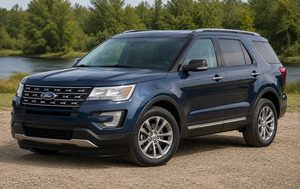
Which Ford Explorer years are the most reliable? Which years should you avoid? And if you're shopping for a used Explorer, which generation and engine offer the best combination of reliability, capability, and long-term value?
The Ford Explorer has been one of America's most popular SUVs for decades, but reliability varies considerably between generations. Some Explorers can comfortably exceed 200,000 miles, while others have expensive engine, transmission, timing chain, or water pump problems that used-car buyers need to understand before purchasing.
This guide covers every Ford Explorer model year from 2002 through 2022, including reliability by generation, common problems, engine concerns, maintenance costs, expected lifespan, and the best years to buy.
In This Guide You'll Learn
- How reliable the Ford Explorer is over the long term
- Which Explorer years are the best choices
- Which model years require extra inspection
- The most common problems by generation
- Which engines have the strongest reliability records
- How long a Ford Explorer can last
- What to inspect before buying a used Explorer
Is the Ford Explorer Reliable?
Overall, Ford Explorer reliability is best described as average, but that rating hides major differences between individual generations, engines, and model years.
Well-maintained Explorers routinely reach 150,000 to 200,000 miles, and carefully maintained examples can travel considerably farther. However, certain versions have expensive known trouble spots that can turn an inexpensive used Explorer into a costly purchase.
For 2002-2010 models, transmission condition and the 4.0-liter V6 timing chain system deserve particular attention. The available 4.6-liter V8 can be a very durable alternative when maintained properly.
The 2011-2019 generation eliminated some older concerns but introduced another important issue. Explorers equipped with the naturally aspirated 3.5-liter V6 use an internally mounted water pump. If the pump fails and coolant contaminates the engine oil, the result can potentially be severe engine damage.
Turbocharged EcoBoost engines add another layer to the buying decision. They deliver excellent performance, but proper oil changes and maintenance become especially important as mileage increases.
The redesigned 2020 Explorer introduced a rear-wheel-drive-based platform and newer powertrains, but the first years of the redesign experienced enough quality and drivetrain complaints that newer does not automatically mean better.
Strengths
- Many engines are capable of exceeding 200,000 miles
- Excellent parts availability
- Most independent repair shops are familiar with the Explorer
- Strong towing capability with properly equipped models
- Comfortable highway ride
- Later models offer extensive safety technology
Potential Weaknesses
- Transmission problems on certain older models
- Timing chain problems with some 4.0-liter V6 engines
- Internal water pump failure on certain 3.5-liter V6 models
- Turbocharger and related repairs on high-mileage EcoBoost models
- PTU and all-wheel-drive system problems on some 2011-2019 Explorers
- Electronic and drivetrain issues on some early 2020 redesign models
Bottom Line: A good Ford Explorer can be a durable SUV, but this is a model where choosing the right year, engine, and individual vehicle matters significantly.
Reliability at a Glance
| Category | Our Assessment |
|---|---|
| Overall Reliability | Average |
| Best Used Years | 2009-2010, 2016-2019 |
| Years Requiring Extra Inspection | 2002-2005, 2011-2013, 2020-2021 |
| Strong Used Engine Choice | 4.6-liter V8 in well-maintained 2006-2010 models |
| Expected Lifespan | 200,000-250,000 miles with excellent maintenance |
| Maintenance Costs | Moderate to Above Average |
Buyer Tip: Don't shop for a used Explorer based on model year alone. Identify the engine and drivetrain first, then investigate the known problems associated with that particular configuration.
Possibly Buying Soon? Avoid These Dealer Traps
Before you sign, learn:
- What you don't know about dealer trade-in offers could cost you - Which dealer fees you must pay, can negotiate, or should avoid - How to avoid giving the dealer the upper hand on a used car price - How to avoid overpaying for a new car
Reliability by Generation
2002-2005: Third Generation
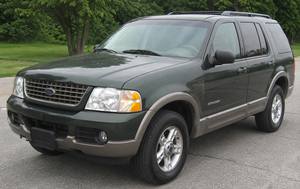
The Explorer was extensively redesigned for 2002 with an independent rear suspension, improved passenger comfort, and a more refined driving experience. Unfortunately, these years also developed some of the more significant reliability concerns in the Explorer's history.
Two engines were available: a 4.0-liter V6 and a 4.6-liter V8. The V6 can accumulate high mileage, but its complicated timing chain system is an important concern. Timing chain guide and tensioner wear can produce rattling noises, particularly during startup, and repairs can become extremely expensive because of the engine's chain arrangement.
Automatic transmission problems are another concern, particularly as these vehicles age. Harsh shifting, delayed engagement, slipping, or flashing transmission warning lights should never be ignored during a test drive.
The 4.6-liter V8 generally avoids the 4.0-liter V6's complicated timing chain arrangement and can be a desirable engine for buyers willing to accept higher fuel consumption.
Common Problems
- Automatic transmission failures and shifting problems
- 4.0-liter V6 timing chain guide and tensioner wear
- Rear wheel bearing failures
- Rear differential noise
- Cracked rear liftgate trim panels
- HVAC blend door and actuator problems
Buyer Tip: Start a 4.0-liter V6 Explorer with the engine completely cold. A pronounced timing chain rattle should be investigated before purchase.
Bottom Line: The 2002-2005 Explorer can be inexpensive to buy, but transmission and V6 timing chain repairs can easily erase those savings.
2006-2010: Fourth Generation
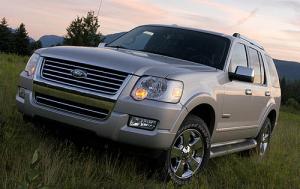
The Explorer received another substantial redesign for 2006. Ford improved the chassis, interior, safety equipment, and overall refinement while continuing to offer both V6 and V8 engines.
The 4.0-liter V6 remained available and therefore retained its timing chain concerns. A well-maintained engine can last a long time, but buyers should listen carefully for chain noise and examine service history.
The 4.6-liter V8 is generally the more appealing choice for buyers prioritizing drivetrain longevity. Beginning with the 2006 redesign, the Explorer received a three-valve version of the 4.6-liter V8 paired with a six-speed automatic transmission. These models deliver strong performance and towing ability, although spark plug servicing on the three-valve engine requires proper procedures and maintenance should not be ignored.
Later examples from 2009 and 2010 are particularly appealing because they benefited from several years of production refinement and represent mature versions of the traditional body-on-frame Explorer.
Common Problems
- 4.0-liter V6 timing chain wear
- Transmission shifting problems on higher-mileage vehicles
- Wheel bearing wear
- Radiator and cooling system leaks
- HVAC actuator failures
- Suspension component wear
Buyer Tip: A documented 2009 or 2010 Explorer with the 4.6-liter V8 can be an excellent choice for buyers who value durability and towing ability more than fuel economy.
Bottom Line: The final years of this generation are among the better older Explorers, particularly when equipped with the V8 and supported by a strong maintenance history.
2011-2019: Fifth Generation
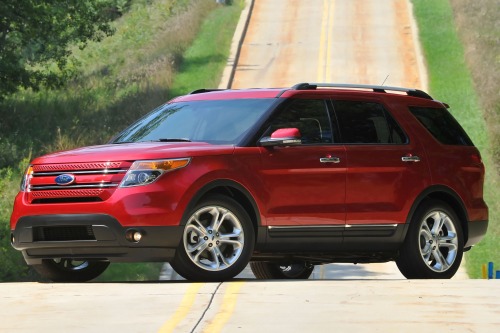
The 2011 Explorer represented a fundamental change. Ford abandoned the traditional body-on-frame, rear-wheel-drive-based layout and moved the Explorer to a unibody platform with front-wheel drive or available all-wheel drive.
The result was a more car-like SUV with better fuel economy, improved interior space, and significantly more modern technology. It also became one of the most popular Explorer generations.
The primary engine was a naturally aspirated 3.5-liter V6. A turbocharged 2.0-liter EcoBoost inline-four appeared early in the generation, followed by a 2.3-liter EcoBoost inline-four. Performance-oriented models used a twin-turbocharged 3.5-liter EcoBoost V6.
The naturally aspirated 3.5-liter V6 can provide excellent mileage, but its internally mounted water pump is the major concern. Unlike an externally mounted water pump that typically produces a visible coolant leak, failure of this design can potentially allow coolant to enter the crankcase and contaminate the engine oil.
Water pump replacement is also labor-intensive because of its location. Buyers should therefore look carefully for coolant loss, contamination of the engine oil, overheating history, or documentation that the pump has already been replaced.
All-wheel-drive Explorers from this generation also use a power transfer unit, commonly called the PTU. Heat and fluid deterioration can contribute to leaks or eventual failure, particularly on vehicles that have seen severe service or extended fluid intervals.
Common Problems
- Internal water pump failure on 3.5-liter V6 models
- PTU leaks or failures on some all-wheel-drive models
- Electronic power steering problems on some earlier vehicles
- MyFord Touch and infotainment problems
- Suspension and wheel bearing wear
- Turbocharger-related repairs on high-mileage EcoBoost models
Buyer Tip: When considering a 3.5-liter V6 Explorer, ask whether the water pump has ever been replaced. On a higher-mileage vehicle, documented replacement can actually be a selling point rather than a reason to avoid the SUV.
Bottom Line: The fifth generation can be a very good used SUV, particularly in its later years, but buyers need to understand the potentially expensive water pump and all-wheel-drive concerns.
2020-2022: Sixth Generation

Ford completely redesigned the Explorer again for 2020, returning to a rear-wheel-drive-based architecture. The new platform improved handling, towing capability, interior packaging, and performance while introducing a new generation of turbocharged engines and transmissions.
Most mainstream versions use a 2.3-liter EcoBoost inline-four, while performance-oriented versions use a twin-turbocharged 3.0-liter EcoBoost V6. A hybrid powertrain was also offered.
The 2020 model's reliability record was complicated by the typical problems that can accompany an all-new vehicle. Owners reported various transmission, electronics, software, and build-quality concerns, and the early sixth-generation Explorer was subject to numerous recalls and service campaigns.
Ford made continuing improvements after the launch year, making later examples increasingly attractive. However, a 2020 or 2021 Explorer should still receive a thorough inspection and recall-history check before purchase.
Common Problems
- Transmission hesitation or rough shifting on some vehicles
- Electronic and software problems
- Backup camera and infotainment concerns
- Various early-production quality issues
- Turbocharged engine components requiring careful maintenance
- Recall-related repairs on certain vehicles
Buyer Tip: When shopping for a 2020-2022 Explorer, verify that all applicable recalls and manufacturer service campaigns have been completed.
Bottom Line: The sixth-generation Explorer has considerable strengths, but the earliest models deserve more scrutiny than their relatively young age might suggest.
Best & Worst Ford Explorer Years
There isn't one Ford Explorer year that is automatically perfect or one that should always be avoided. Engine choice, drivetrain, mileage, and maintenance history can dramatically change the ownership experience.
That said, certain years stand out as better used choices, while others deserve considerably more scrutiny.
Best Years to Buy
| Model Year | Why We Recommend It |
|---|---|
| 2009-2010 | Mature fourth-generation models, with the available 4.6-liter V8 providing a particularly appealing combination of durability and capability. |
| 2016-2017 | Later fifth-generation models with updated styling, improved technology, and several years of production refinement. |
| 2018-2019 | Final years of the fifth generation and among the strongest choices for buyers wanting a modern Explorer at a reasonable used price. |
| 2022 | A better choice than the earliest sixth-generation models after Ford had additional time to address launch-year problems. |
Years Requiring Extra Inspection
| Model Year | Reason |
|---|---|
| 2002-2005 | Transmission problems and expensive timing chain concerns with the 4.0-liter V6 make careful inspection essential. |
| 2011-2013 | Early fifth-generation models combine first-year complexity with potential water pump, PTU, power steering, and electronic concerns. |
| 2020-2021 | Early years of the sixth-generation redesign experienced more recalls, drivetrain complaints, and electronic issues than buyers might expect from a newer SUV. |
Buyer Tip: Don't interpret "years requiring extra inspection" as an automatic do-not-buy list. A 2013 Explorer with excellent records and documented major repairs may be a better purchase than a neglected 2018.
Bottom Line: For an older traditional Explorer, 2009-2010 models deserve consideration. For a newer family SUV, 2016-2019 models provide an attractive balance of price, features, and proven reliability.
Which Ford Explorer Engine Is Most Reliable?
Engine choice can have a major impact on Ford Explorer reliability. No Explorer engine is completely problem-free, but some are easier to recommend than others when shopping for an older used SUV.
4.0-Liter V6
The 4.0-liter V6 used in 2002-2010 Explorers can run for well over 200,000 miles, but its timing chain system is its major weakness. Worn guides or tensioners can lead to rattling and potentially expensive repairs.
A quiet, well-maintained example shouldn't automatically be avoided, but buyers should understand the potential repair cost before purchasing one.
4.6-Liter V8
The 4.6-liter V8 is one of the more appealing engines in older Explorers. It offers strong torque, good towing capability, and potentially excellent longevity when maintained properly.
Fuel economy is the obvious tradeoff, and the later three-valve version has maintenance considerations of its own. Still, a properly maintained 2006-2010 V8 Explorer can be an attractive choice for someone prioritizing durability over fuel costs.
3.5-Liter V6
The naturally aspirated 3.5-liter V6 found in many 2011-2019 Explorers is capable of high mileage, but its internal water pump prevents us from ranking it among the Explorer's least complicated engines.
The engine itself can be durable. The concern is that a water pump failure can become much more serious and expensive than the same repair on an engine with an externally mounted pump.
EcoBoost Engines
Ford offered several turbocharged EcoBoost engines during the 2011-2022 period, including 2.0-liter and 2.3-liter inline-four engines and twin-turbocharged V6 engines.
These engines provide impressive performance and fuel economy for their output, but turbocharged engines generally reward meticulous maintenance. Regular oil changes using the correct oil specification become particularly important as mileage increases.
Buyer Tip: Don't automatically assume the smallest engine will cost the least to own. When buying an older Explorer, service history and drivetrain condition are more important than theoretical fuel savings.
Maintenance & Repair Costs
Ford Explorer maintenance costs are generally moderate for a midsize SUV, although certain known repairs can be expensive. Routine parts are readily available, and most independent repair shops are familiar with the Explorer.
The biggest financial risk comes from buying an inexpensive Explorer that already needs a major transmission, timing chain, water pump, turbocharger, or all-wheel-drive repair.
| Maintenance or Repair | Typical Cost |
|---|---|
| Oil change | $70-$130 |
| Brake pads and rotors | $500-$1,000 |
| Transmission service | $250-$500 |
| Wheel bearing replacement | $400-$800 |
| Internal water pump replacement | $1,500-$2,500+ |
| Major suspension work | $800-$2,000+ |
Actual repair costs vary considerably by model year, engine, labor rates, and whether original Ford or aftermarket parts are used.
Buyer Tip: A $1,500 difference in purchase price becomes relatively unimportant if the cheaper Explorer immediately needs several thousand dollars of mechanical work. Condition should take priority over finding the lowest advertised price.
How Long Does a Ford Explorer Last?
A properly maintained Ford Explorer can commonly reach 200,000 miles, and particularly well-maintained examples can exceed 250,000 miles. However, the likelihood of reaching those numbers economically depends heavily on the generation and drivetrain.
Engines aren't always what sends older Explorers to the salvage yard. Transmission repairs, timing chain work, internal water pump failures, rust, suspension repairs, and accumulated electrical problems can eventually cost more than an older vehicle is worth.
Typical Lifespan
- 150,000 miles: Reasonable for virtually any properly maintained Explorer.
- 200,000 miles: Commonly achievable with consistent maintenance.
- 250,000 miles: Realistic for a particularly well-maintained example.
- 300,000+ miles: Possible, but condition and previous repairs become more important than the odometer reading alone.
Regular engine oil changes are essential, but long-term owners should also pay attention to transmission fluid, coolant, differential fluids, transfer case or PTU service where applicable, and suspension wear.
Bottom Line: Expect approximately 200,000 miles from a good Explorer, while treating anything beyond 250,000 miles as achievable with excellent maintenance rather than guaranteed.
Buying a Used Ford Explorer: What Matters Most?
A used Ford Explorer shouldn't be evaluated simply by asking whether Explorers are reliable. The better question is whether the particular year, engine, drivetrain, and vehicle you're considering have been maintained properly.
Start by identifying the engine. Then research the problems associated with that specific drivetrain and look for evidence that the previous owner addressed maintenance proactively.
Before You Buy
- Identify the exact engine and drivetrain.
- Review maintenance and repair records.
- Start the engine cold and listen for unusual rattling.
- Check engine oil and coolant condition.
- Look carefully for coolant or oil leaks.
- Verify smooth transmission engagement and shifting.
- Test four-wheel drive or all-wheel drive where equipped.
- Listen for wheel bearing, differential, or PTU noise.
- Test the air conditioning and all electronic accessories.
- Check for warning lights and stored diagnostic trouble codes.
- Verify that applicable recalls have been completed.
- Inspect underneath for corrosion on vehicles from northern climates.
- Have an independent mechanic perform a pre-purchase inspection.
On a 2002-2010 Explorer with the 4.0-liter V6, timing chain noise deserves special attention. On a 2011-2019 3.5-liter V6, investigate the water pump and cooling system. On a 2020-2022 Explorer, pay close attention to transmission behavior, electronics, and recall history.
Buyer Tip: An Explorer with documentation showing that an expensive known problem has already been professionally repaired can sometimes be more desirable than a lower-mileage vehicle still operating with all of its original components.
Final Verdict
The Ford Explorer can be a reliable and long-lasting used SUV, but its twenty-plus-year history includes enough mechanical differences that broad statements about reliability can be misleading.
For buyers interested in an older, traditional body-on-frame Explorer, well-maintained 2009-2010 models deserve serious consideration, particularly with the 4.6-liter V8. Buyers wanting a newer three-row family SUV should look closely at 2016-2019 models, while understanding the potential water pump and all-wheel-drive repair costs associated with that generation.
The 2020 redesign delivered major improvements in performance, technology, and driving dynamics, but the earliest sixth-generation vehicles deserve careful inspection because of their more complicated launch history.
Conversely, the 2002-2005 models can be inexpensive to purchase but carry enough transmission and 4.0-liter V6 timing chain risk that a bargain-priced example isn't necessarily a bargain to own.
Ultimately, the best used Ford Explorer isn't simply the newest one or the one with the lowest mileage. It's the Explorer with the right drivetrain, a strong maintenance history, and an inspection showing that expensive known problems aren't waiting for the next owner.
Choose carefully, and a Ford Explorer can provide 200,000 miles or more of comfortable, capable family transportation.
Also, More On Ford Reliability
If you'd like to compare different Ford models, or years, be sure to read our Ford Reliability & Problems: Best Used Fords & Years Guide. It highlights the models, best years to buy, common problems, and helps you choose the right vehicle.