

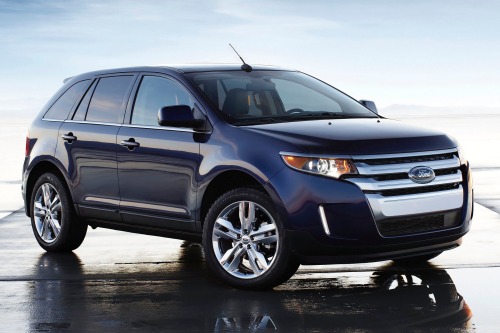
Ford has built some of America's most popular cars, trucks, and SUVs for more than a century. From the best-selling F-150 and family-friendly Explorer to the Mustang, Bronco, Escape, and affordable Maverick, the used Ford market offers an enormous variety of vehicles at nearly every price point.
But are used Fords reliable? The answer depends heavily on the model, engine, transmission, and model year you choose. Some Ford vehicles and powertrains have routinely exceeded 200,000 miles with proper maintenance, while others are known for specific transmission, engine, cooling system, or electrical problems that buyers should understand before purchasing.
That makes researching the exact Ford you're considering especially important. A model that experienced significant problems during one generation may have excellent reliability during another, and two versions of the same vehicle can have very different long-term ownership prospects depending on the engine under the hood.
This guide compares Ford's most popular used cars, SUVs, and trucks, explains their common problems, identifies some of the best years to buy, and helps you decide which used Ford best fits your needs. As our individual Ford reliability guides are completed, you'll also find links to much more detailed model-specific buying guides throughout this page.
What You'll Learn
- Which used Ford models have the strongest long-term reliability.
- The best generations of the F-150, Ranger, Maverick, Escape, Explorer, Expedition, Edge, Bronco, Mustang, Fusion, Taurus, Focus, Fiesta, Flex, and other popular Fords.
- Which Ford engines have the strongest reliability records.
- Common Ford EcoBoost, transmission, cooling system, and electrical problems to watch for.
- Which Ford models and years deserve extra inspection before buying.
- Which used Fords offer the best combination of reliability, capability, and value.
What Are Ford's Biggest Reliability Concerns?
Ford reliability varies considerably by model year, engine, and transmission. Some Ford powertrains have proven extremely durable, while others have experienced expensive problems that make choosing the right year especially important.
Among the issues used Ford buyers should know about are coolant intrusion in certain EcoBoost engines, PowerShift dual-clutch transmission problems in some Focus and Fiesta models, 10-speed automatic transmission concerns, and costly timing or cam-phaser repairs on certain engines.
These problems don't affect every Ford—or even every year of the same model. That's why the model-by-model sections below identify the engines, transmissions, and years that deserve the most attention.
Buyer Tip: When shopping for a used Ford, don't stop at the model name. The exact engine, transmission, and model year can tell you far more about long-term reliability than the Ford badge alone.
| Model | Overall Reliability |
|---|---|
| F-150 | Very Good* |
| Ranger | Very Good |
| Maverick | Good to Very Good |
| Escape | Good to Very Good* |
| Explorer | Good to Very Good* |
| Expedition | Very Good |
| Edge | Very Good* |
| Bronco | Good to Very Good |
| Bronco Sport | Good to Very Good |
| Mustang | Very Good |
| Fusion | Good to Very Good* |
| Taurus | Very Good |
| Flex | Very Good |
| Focus | Good* |
| Fiesta | Good* |
*Powertrain selection matters. Several Ford models have been offered with engines or transmissions whose reliability differs substantially from other versions of the same vehicle.
Bottom Line: Ford has produced many exceptionally durable vehicles, but the company's reliability record is highly dependent on powertrain and model year. The right F-150, Mustang, Ranger, Expedition, Taurus, Edge, or Escape can be an excellent long-term purchase, while certain engines and transmissions deserve considerably more caution.
And if you may be buying soon, I'd also recommend reading my most effective negotiation methods for either new cars or used cars. Each explains a quick way to identify the dealerships most motivated to deal, no matter how busy they may seem, and how to follow up once you've found them. That can be the difference between getting a good price and getting a great one.
Ford F-150 Reliability
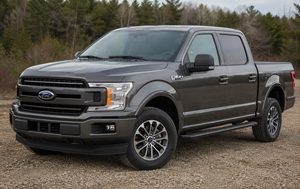
The Ford F-150 has been America's dominant full-size pickup for decades and remains one of the most important vehicles on the used market. Buyers can choose from basic work trucks, luxurious family haulers, powerful towing configurations, and off-road models, with an unusually wide selection of engines and trim levels.
Overall reliability can be very good, and properly maintained F-150s frequently exceed 200,000 miles. However, engine choice matters. Ford has offered everything from traditional naturally aspirated V8 engines to turbocharged EcoBoost V6 engines, and each has its own strengths and potential problems.
2004–2008 (Eleventh Generation)
These F-150s remain common on the used market because of their rugged construction and relatively affordable prices. The 4.6-liter V8 can be a durable choice, while the 5.4-liter Triton V8 deserves more careful inspection because repairs involving spark plugs, cam phasers, timing components, and lubrication-related problems can become expensive.
Typical Issues
- Cam phaser and timing component problems on some 5.4-liter V8 engines.
- Spark plug-related repairs.
- Exhaust manifold leaks.
- Rust on trucks exposed to road salt.
- Suspension and steering wear on higher-mileage examples.
2009–2014 (Twelfth Generation)
This generation brought major powertrain changes. Ford introduced the 3.5-liter twin-turbocharged EcoBoost V6 for 2011, giving buyers V8-like torque with improved fuel economy. The naturally aspirated 5.0-liter V8 also arrived and became one of the most desirable F-150 engines for buyers prioritizing simplicity and long-term ownership.
The later years of this generation can represent excellent used-truck values, particularly when accompanied by a strong maintenance history.
Typical Issues
- Timing chain wear on some early 3.5-liter EcoBoost V6 engines.
- Condensation and misfire concerns on certain early EcoBoost trucks.
- Water pump and cooling system repairs.
- Transmission shift concerns on some higher-mileage trucks.
- Rust and corrosion in severe climates.
2015–2020 (Thirteenth Generation)
The 2015 redesign was one of the biggest changes in F-150 history. Ford adopted an aluminum-intensive body to reduce weight while continuing to expand the EcoBoost engine lineup.
These trucks offer an excellent combination of capability, comfort, fuel economy, and modern features. The 5.0-liter V8 remained available, while EcoBoost engines became increasingly popular with buyers who wanted strong low-rpm torque for towing.
Typical Issues
- Cam phaser concerns on certain EcoBoost engines.
- Oil consumption complaints on some 5.0-liter V8 engines.
- 10-speed automatic transmission shift concerns on some later trucks.
- Electronic and infotainment issues.
2021–Present (Fourteenth Generation)
The current-generation F-150 offers one of the broadest powertrain selections in the pickup market, including EcoBoost engines, the 5.0-liter V8, and the PowerBoost hybrid. Interior quality and technology have also moved significantly upscale.
Later examples benefit from continued refinements, although buyers should still verify recall completion and pay close attention to transmission operation during the test drive.
| Best Used F-150 Years | Why Consider Them |
|---|---|
| 2011–2014 | Strong value with several desirable engine choices. |
| 2015–2017 | Excellent combination of capability, weight savings, and proven powertrains. |
| Later 13th- and 14th-generation trucks | More technology and capability, but evaluate the exact engine and transmission carefully. |
Buyer Tip: Don't shop for an F-150 based only on year and mileage. Determine exactly which engine and transmission you're buying. A well-maintained truck with the right powertrain can be a much better purchase than a lower-mileage example with an uncertain service history.
Want a deeper breakdown? Read our complete Ford F-150 Reliability Guide with more on engine reliability, common problems, maintenance costs, expected lifespan, and the best years to buy or avoid.
Ford Ranger Reliability
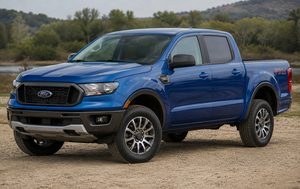
The Ford Ranger has a long reputation for being a simple, durable midsize pickup. Older Rangers became especially popular with buyers who wanted an inexpensive work truck that was smaller and easier to own than an F-150, while the modern Ranger provides considerably more power, towing capability, technology, and passenger comfort.
Overall reliability has generally been very good, and many older Rangers remain on the road with extremely high mileage. As with the F-150, the character of the truck changed considerably between generations.
1998–2011 (Later Years Of The Original U.S. Ranger)
Older Rangers are prized for their relatively straightforward mechanical design. Four-cylinder versions can make excellent economical work trucks, while V6 models provide additional power and towing capability.
Age is now the biggest consideration. Even a mechanically dependable Ranger can require substantial suspension, cooling system, brake, or rust repair after 15 to 25 years of service.
Typical Issues
- Rust and frame corrosion in northern climates.
- Suspension and steering component wear.
- Cooling system repairs.
- Automatic transmission wear on neglected trucks.
- Oil and fluid leaks as vehicles age.
2019–2023 (Return To The U.S. Market)
Ford brought the Ranger back to the United States for the 2019 model year as a thoroughly modern midsize pickup. Its 2.3-liter turbocharged four-cylinder EcoBoost engine provides strong torque and impressive performance while the 10-speed automatic helps deliver competitive fuel economy.
These trucks have generally developed a solid reliability reputation, although transmission behavior and proper turbocharged-engine maintenance deserve attention.
Typical Issues
- Occasional harsh or inconsistent transmission shifts.
- Infotainment and electronic glitches.
- Minor suspension noises.
- Turbocharged-engine maintenance sensitivity.
2024–Present (Current Generation)
The redesigned Ranger offers improved interior quality, technology, towing features, and off-road capability. The lineup also includes the high-performance Ranger Raptor, giving Ford a direct competitor to increasingly sophisticated midsize off-road trucks.
Because these models are still relatively new, long-term reliability is not yet as well established as it is for older Rangers.
| Best Used Ranger Years | Why Consider Them |
|---|---|
| 2008–2011 | Simple, proven older trucks if rust and condition are acceptable. |
| 2021–2023 | Later examples of the previous generation with strong capability and good overall reliability. |
Buyer Tip: With an older Ranger, condition matters more than finding a particular model year. A rust-free truck with documented maintenance can be an excellent purchase even with substantial mileage.
Want to learn more about the Ranger's reliability? Read our complete Ford Ranger Reliability Guide with more details on engine reliability, common problems, maintenance costs, expected lifespan, and the best years to buy or those to avoid.
Ford Maverick Reliability
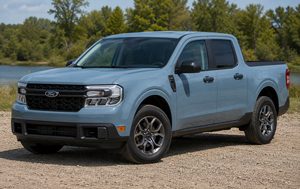
The Ford Maverick brought something unusual back to the American market when it arrived for 2022: an affordable compact pickup. Smaller and less expensive than the Ranger, the Maverick combines the everyday manners of a crossover with a useful pickup bed and surprisingly strong fuel economy.
Its standard hybrid powertrain became particularly popular with commuters and buyers who wanted occasional truck utility without the fuel costs or dimensions of a traditional pickup.
2022–Present (First Generation)
Because the Maverick is still relatively new, it doesn't yet have the long-term reliability history of the Ranger or F-150. Early models have also been subject to recalls and updates that make checking an individual vehicle's history particularly important.
Buyers have generally been able to choose between a fuel-efficient hybrid powertrain and a more powerful 2.0-liter turbocharged four-cylinder EcoBoost engine. The EcoBoost is especially appealing for buyers who prioritize acceleration, available all-wheel drive, and additional capability, while the hybrid is difficult to beat for everyday fuel economy.
Typical Issues To Check
- Verify that all applicable recalls have been completed.
- Check for software and electronic updates.
- Inspect the hybrid system carefully on hybrid models.
- Confirm smooth transmission operation on EcoBoost versions.
- Review maintenance records even on relatively low-mileage examples.
| Maverick Version | Best For |
|---|---|
| Hybrid | Commuting, fuel economy, and light-duty everyday use. |
| 2.0-liter EcoBoost | More power, additional capability, and buyers wanting available all-wheel drive. |
Buyer Tip: The Maverick makes the most sense for buyers who occasionally need a pickup rather than buyers who routinely perform full-size truck work. If you rarely tow heavy trailers and don't need a large bed, its smaller dimensions and excellent fuel economy can make it far easier to live with every day.
Ford Escape Reliability
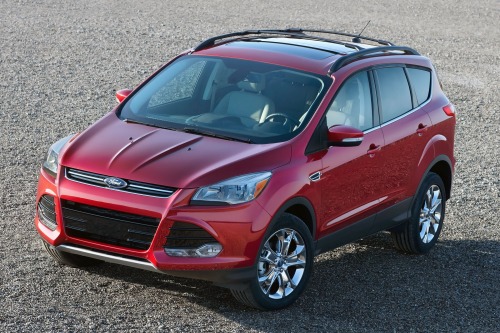
The Ford Escape has been one of Ford's most important compact SUVs since its introduction for the 2001 model year. Its relatively small exterior dimensions, available all-wheel drive, useful cargo area, and broad range of engines have made it popular with commuters and families alike.
Escape reliability varies substantially by generation and engine. Some versions have proven remarkably durable, while others—particularly certain turbocharged four-cylinder models—require much more careful shopping.
2001–2007 (First Generation)
The original Escape was a relatively simple compact SUV available with four-cylinder and V6 power. Well-maintained examples can be surprisingly durable, although age and rust have become major considerations.
Typical Issues
- Rust and corrosion.
- Automatic transmission wear.
- Ignition coil and misfire issues.
- Suspension component wear.
2008–2012 (Second Generation)
The second-generation Escape retained the upright, traditional SUV shape while receiving improved engines, transmissions, safety equipment, and interior features over its production run.
These Escapes are among the models worth considering for buyers who want an inexpensive compact SUV without the complexity found in many newer turbocharged vehicles.
2013–2019 (Third Generation)
The 2013 redesign transformed the Escape into a much more modern crossover and introduced widespread use of Ford's EcoBoost engines. Performance and fuel economy improved, but reliability became considerably more dependent on the particular engine and production year.
Typical Issues
- Coolant intrusion concerns on certain EcoBoost engines and model years.
- Cooling system problems.
- Turbocharger-related repairs.
- Transmission concerns on some vehicles.
- Electrical and infotainment problems.
2020–Present (Fourth Generation)
The fourth-generation Escape became lighter and more car-like while offering gasoline, hybrid, and plug-in hybrid powertrains. Later models provide excellent fuel economy and a comfortable driving experience, although buyers should continue to research the exact powertrain they're considering.
| Used Escape To Consider | Why |
|---|---|
| 2009–2012 | Relatively straightforward powertrains and good value when well maintained. |
| Later fourth-generation models | Modern safety features, strong fuel economy, and multiple powertrain choices. |
Buyer Tip: The Escape is one of the clearest examples of why you should research a Ford by engine and year rather than model name alone. Before buying a 2013-and-newer Escape, identify the exact engine and investigate the reliability history of that particular powertrain.
Want a deeper breakdown? Read our complete Ford Escape Reliability Guide covering more on reliability by generation, engine problems, coolant intrusion, maintenance costs, expected lifespan, and the best years to buy.
Ford Explorer Reliability
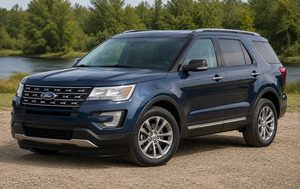
The Ford Explorer has been one of America's most recognizable family SUVs for more than three decades. Over that time it has evolved from a rugged, truck-based utility vehicle into a refined three-row crossover and, more recently, back toward a rear-wheel-drive-based platform with stronger towing and performance capability.
Explorer reliability varies considerably by generation. Some versions have provided excellent high-mileage service, while others developed well-known transmission, cooling system, or drivetrain problems. Careful year and engine selection is especially important when shopping for a used Explorer.
2002–2005 (Third Generation)
The third-generation Explorer introduced independent rear suspension and substantially improved passenger comfort. These SUVs are now old enough that condition, rust, and maintenance history matter more than mileage alone.
Typical Issues
- Automatic transmission problems on some vehicles.
- Rear differential noise.
- Wheel bearing wear.
- Cooling system repairs.
- Rust in northern climates.
2006–2010 (Fourth Generation)
The fourth generation became quieter and more refined while retaining traditional SUV capability. Both V6 and V8 engines were available, and well-maintained examples can still provide dependable service.
Typical Issues
- Transmission shift concerns.
- Radiator and cooling system leaks.
- Wheel bearing replacement.
- Suspension wear on higher-mileage vehicles.
2011–2019 (Fifth Generation)
The 2011 redesign represented a dramatic change. The Explorer moved to a front-wheel-drive-based crossover platform with substantially better fuel economy, interior space, and everyday road manners.
Several engines were offered over the generation, including naturally aspirated V6 and turbocharged EcoBoost powerplants. Buyers should pay particular attention to cooling system history because water pump failure on certain V6 engines can become an expensive repair.
Typical Issues
- Internal water pump failure on certain V6 engines.
- Power steering concerns on some early models.
- Electronic and infotainment issues.
- Transmission repairs on some higher-mileage examples.
- Turbocharger-related maintenance on EcoBoost versions.
2020–Present (Sixth Generation)
The sixth-generation Explorer returned to a rear-wheel-drive-based architecture, improving towing capability, handling balance, and interior packaging. Turbocharged four-cylinder and V6 engines provide strong performance, while hybrid versions were also offered during parts of the production run.
Early examples experienced some recalls and quality-control concerns, making later production years generally more attractive to used buyers.
| Used Explorer Years To Consider | Why |
|---|---|
| 2009–2010 | Well-developed final years of the traditional truck-based generation. |
| 2017–2019 | Later fifth-generation models with years of refinement. |
| 2022–Present | Later sixth-generation models with improved quality and modern safety technology. |
Buyer Tip: On a V6-powered fifth-generation Explorer, ask specifically about water pump replacement and inspect the cooling system carefully. A relatively inexpensive pre-purchase inspection can be particularly valuable on these vehicles.
Want a deeper breakdown? Read our complete Ford Explorer Reliability Guide covering more on reliability by generation, engine problems, maintenance costs, expected lifespan, and the best years to buy.
Ford Expedition Reliability
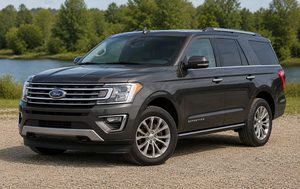
The Ford Expedition is Ford's largest traditional SUV and has long competed directly with the Chevrolet Tahoe and Suburban. Built for buyers who need substantial passenger room, towing ability, and long-distance comfort, the Expedition shares much of its engineering with the F-150.
Overall reliability has generally been very good, and properly maintained Expeditions frequently reach 200,000 miles or more. As with the F-150, however, powertrain selection and maintenance history become increasingly important on newer turbocharged models.
2003–2006 (Second Generation)
The second-generation Expedition introduced independent rear suspension, substantially improving ride quality and third-row comfort. Most vehicles were powered by Ford V8 engines.
Typical Issues
- Spark plug-related repairs on certain V8 engines.
- Air suspension problems on equipped models.
- Rust and corrosion.
- Window regulator and electrical failures.
2007–2017 (Third Generation)
This long-running generation became more refined and gained additional technology throughout its production run. Earlier models relied on V8 power, while Ford introduced the 3.5-liter twin-turbocharged EcoBoost V6 later in the generation.
Typical Issues
- Cam phaser and timing component concerns on certain engines.
- Air suspension repairs.
- Transmission shift concerns.
- Electronic accessory failures.
2018–2024 (Fourth Generation)
The fourth-generation Expedition moved to an aluminum-intensive body and relied on the 3.5-liter twin-turbocharged EcoBoost V6. Performance, towing capability, fuel economy, and interior quality all improved significantly.
These models can be excellent family and towing vehicles, although buyers should listen for cam phaser noise and verify regular oil changes.
2025–Present (Fifth Generation)
The newest Expedition introduces updated styling, a substantially revised interior, additional technology, and new family-oriented features while continuing to use turbocharged V6 power. Long-term reliability is still being established.
| Used Expedition Years To Consider | Why |
|---|---|
| 2015–2017 | Late third-generation models with strong capability and good value. |
| 2020–2024 | Excellent combination of towing, comfort, technology, and refinement. |
Buyer Tip: An Expedition makes the most sense for buyers who genuinely need its towing capacity and passenger room. If you don't, a smaller Explorer or Edge will usually cost less to buy, fuel, and maintain.
Ford Edge Reliability
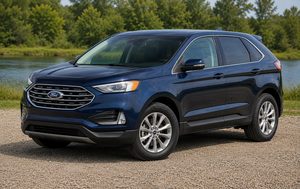
The Ford Edge occupied an appealing middle ground between compact crossovers like the Escape and larger three-row SUVs such as the Explorer. Produced in the United States from 2007 through the 2024 model year, it offered comfortable two-row seating, generous cargo space, and a smoother driving experience than many traditional SUVs.
Overall reliability can be very good, but engine selection matters. Certain four-cylinder EcoBoost engines deserve extra inspection, while many naturally aspirated V6-powered Edges have proven extremely durable.
2007–2014 (First Generation)
The original Edge was powered primarily by naturally aspirated V6 engines and developed a solid reputation for comfort and durability.
Typical Issues
- PTU or transfer unit leaks on all-wheel-drive models.
- Wheel bearing wear.
- Brake booster problems on some vehicles.
- Electrical accessory repairs.
2015–2024 (Second Generation)
The second-generation Edge introduced more sophisticated styling, additional driver-assistance technology, and a wider selection of turbocharged EcoBoost engines.
Many examples have proven dependable, although buyers should research the exact engine because certain four-cylinder versions have been associated with coolant intrusion concerns.
Typical Issues
- Coolant intrusion on certain four-cylinder EcoBoost engines.
- PTU and AWD-system maintenance.
- Electronic and infotainment problems.
- Transmission shift concerns on some vehicles.
| Used Edge Years To Consider | Why |
|---|---|
| 2011–2014 | Proven V6 powertrains and strong used-vehicle value. |
| Later second-generation models | Modern comfort and safety technology, but research the specific engine carefully. |
Buyer Tip: The Edge can be an excellent used SUV, especially for buyers who don't need a third row. On later models, identify the exact engine before purchasing and investigate whether that powertrain is associated with coolant intrusion or other known issues.
Want more of the nitty-gritty details? Read our complete Ford Edge Reliability Guide covering more on reliability by generation, engine problems, maintenance costs, expected lifespan, and the best years to buy or avoid.
Ford Bronco Reliability
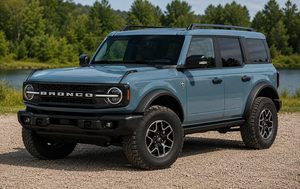
The Ford Bronco returned for the 2021 model year after a 25-year absence and immediately became one of the most desirable off-road SUVs on the market. Designed to compete directly with the Jeep Wrangler, the modern Bronco combines removable doors and roof panels with serious four-wheel-drive capability and contemporary safety technology.
Because the current Bronco is still relatively new, its long-term reliability record is continuing to develop. Early production vehicles experienced several recalls and component concerns, while later examples have benefited from ongoing improvements.
2021–Present (Current Generation)
Modern Broncos have been offered with several turbocharged EcoBoost engines, including four-cylinder and V6 options. All provide strong performance, but buyers should evaluate maintenance history carefully and verify that recalls and service campaigns have been completed.
Typical Issues To Check
- Recall completion on early-production vehicles.
- Hardtop fit, finish, and water sealing.
- Electronic and infotainment concerns.
- Turbocharged-engine maintenance history.
- Suspension and underbody condition on vehicles used heavily off-road.
| Used Bronco Years To Consider | Why |
|---|---|
| 2023–Present | Later-production vehicles benefit from early manufacturing improvements and updates. |
Buyer Tip: With a used Bronco, investigate how the vehicle was actually used. A low-mileage example that spent weekends on difficult trails may have more suspension and underbody wear than a higher-mileage Bronco that spent its life commuting on pavement.
Ford Bronco Sport Reliability
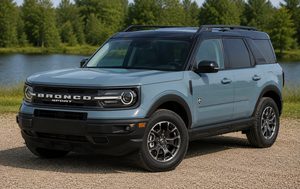
Despite sharing its name with the larger Bronco, the Bronco Sport is a very different vehicle. Introduced for 2021, it is a compact crossover based on a car-like platform and designed for buyers who want everyday practicality with more outdoor capability than a typical small SUV.
The Bronco Sport has become a popular alternative to the Escape because of its upright styling, useful cargo area, available all-wheel-drive systems, and more adventurous personality.
2021–Present (First Generation)
Most Bronco Sports use turbocharged three-cylinder or four-cylinder EcoBoost engines. Early vehicles experienced several recalls and service campaigns, making vehicle history particularly important when shopping used.
Typical Issues To Check
- Verify completion of all recalls and service campaigns.
- Cooling system and engine operation.
- Electronic and infotainment issues.
- Brake and suspension wear.
- Underbody damage on vehicles used off-road.
| Used Bronco Sport Years To Consider | Why |
|---|---|
| 2023–Present | Later-production models incorporate a number of early updates and refinements. |
Buyer Tip: Don't confuse the Bronco Sport with the full-size Bronco when comparing reliability or capability. The Bronco Sport is better thought of as a more rugged compact crossover and can be a very practical everyday vehicle for buyers who don't need serious rock-crawling ability.
Ford Mustang Reliability
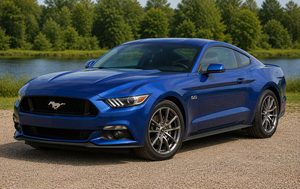
The Ford Mustang is one of America's most recognizable performance cars and has remained in continuous production since the 1960s. Unlike many sports cars, the Mustang combines strong performance with relatively affordable parts, widespread service expertise, and generally good long-term reliability.
Engine choice plays an important role. Ford has offered everything from economical V6 and turbocharged four-cylinder engines to the naturally aspirated 5.0-liter V8, giving used buyers a wide range of performance and ownership-cost options.
2005–2009 (Fifth Generation)
The redesigned 2005 Mustang introduced retro-inspired styling and a relatively straightforward mechanical layout. Base cars used a 4.0-liter V6, while GT models received a 4.6-liter V8.
These Mustangs can make excellent affordable enthusiast cars today, although age-related suspension, cooling system, and interior repairs should be expected.
Typical Issues
- Front suspension and control arm wear.
- Water leaks into the cabin on some vehicles.
- Fuel pump and electrical issues.
- Clutch wear on manual-transmission cars.
- Rust on vehicles exposed to road salt.
2010–2014 (Updated Fifth Generation)
Ford substantially updated the Mustang for 2010 and introduced dramatically improved engines for 2011. The new 3.7-liter V6 provided strong performance, while the return of the 5.0-liter V8 in the Mustang GT created one of the most desirable modern Mustang powertrains.
These later fifth-generation cars offer an excellent blend of performance, durability, and relatively simple technology.
Typical Issues
- Manual transmission shift quality on some cars.
- Clutch and throwout-bearing wear.
- Rear suspension noises.
- Minor interior and electrical problems.
2015–2023 (Sixth Generation)
The 2015 redesign introduced independent rear suspension, making the Mustang considerably more refined and capable on uneven roads. Buyers could choose from four-cylinder EcoBoost, V6, and 5.0-liter V8 power during portions of this generation.
The 5.0-liter V8 remains especially appealing to buyers who want strong performance without the additional complexity of turbocharging.
Typical Issues
- Air conditioning evaporator repairs on some earlier cars.
- Manual transmission concerns on certain models.
- Oil consumption complaints on some 5.0-liter V8 engines.
- Electronic and infotainment glitches.
- Turbocharger-related maintenance on EcoBoost models.
2024–Present (Seventh Generation)
The latest Mustang retains the familiar combination of turbocharged four-cylinder and naturally aspirated V8 power while adding a thoroughly modern interior and additional performance technology.
Long-term reliability is still being established, but the continued use of proven engine families gives the newest Mustang a solid foundation.
| Used Mustang Years To Consider | Why |
|---|---|
| 2011–2014 | Excellent engines, strong performance, and relatively straightforward mechanical design. |
| 2018–2023 | Modern performance, improved refinement, and a broad selection of configurations. |
Buyer Tip: Condition matters enormously with a used Mustang because many have been modified, raced, or driven aggressively. A stock vehicle with complete service records is usually worth paying more for than a heavily modified example with fewer miles.
For more on the Mustang's reliability, read our complete Ford Mustang Reliability Guide covering more on problems by generation, engine issues, repair costs, expected lifespan, and the best years to buy or avoid.
Ford Fusion Reliability
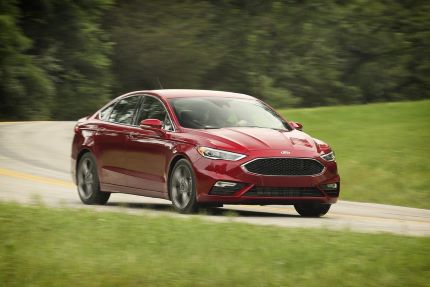
The Ford Fusion was one of Ford's strongest midsize sedans and remains abundant on the used market. Produced from 2006 through 2020, it offered attractive styling, comfortable road manners, competitive fuel economy, and several gasoline, hybrid, and plug-in hybrid powertrains.
Fusion reliability ranges from excellent to problematic depending largely on engine choice. Naturally aspirated and hybrid versions have generally developed stronger reputations than certain EcoBoost-powered models from affected production years.
2006–2009 (Early First Generation)
The original Fusion was relatively simple compared with later models and offered four-cylinder and V6 engines with conventional automatic or manual transmissions.
Well-maintained examples can provide dependable transportation at very modest prices today, although age-related repairs are increasingly important.
Typical Issues
- Motor mount deterioration.
- Suspension and steering component wear.
- Transmission shift concerns on some higher-mileage cars.
- Rust in severe climates.
2010–2012 (Updated First Generation)
The refreshed Fusion received improved styling, engines, safety equipment, and technology. Ford also introduced the Fusion Hybrid, which developed a strong reputation for fuel economy and long-term durability.
These final first-generation cars remain particularly attractive for buyers seeking an inexpensive midsize sedan.
2013–2020 (Second Generation)
The completely redesigned Fusion became one of the most stylish midsize sedans in its class and introduced widespread use of Ford's EcoBoost engines.
Some versions have proven very dependable, but certain 1.5-liter and 2.0-liter EcoBoost engines from particular years have been associated with coolant intrusion. Buyers should identify the exact engine before purchasing.
Typical Issues
- Coolant intrusion on certain EcoBoost engines.
- Transmission shift concerns on some vehicles.
- Electronic and infotainment glitches.
- Turbocharger-related repairs on higher-mileage cars.
Fusion Hybrid And Energi
The Fusion Hybrid deserves special consideration because it avoided many of the concerns associated with some turbocharged gasoline engines. Its hybrid system has generally proven durable, and well-maintained examples can provide excellent fuel economy even at relatively high mileage.
The plug-in Fusion Energi adds the ability to travel limited distances on electricity while retaining a gasoline engine for longer trips.
| Used Fusion Years To Consider | Why |
|---|---|
| 2010–2012 | Well-developed first-generation models with relatively simple powertrains. |
| Fusion Hybrid | Strong fuel economy and one of the better long-term reliability choices in the Fusion lineup. |
| Later second-generation models | Modern safety and comfort, but research the specific engine carefully. |
Buyer Tip: A used Fusion can be an outstanding bargain because sedan resale values have fallen as buyers moved toward SUVs. Just make engine identification part of your shopping process rather than assuming every Fusion has the same reliability outlook.
For even more on the Fusion, read our complete Ford Fusion Reliability Guide with more on engine reliability, common problems, repair costs, probable lifespan, and the best years to buy or avoid.
Ford Taurus Reliability
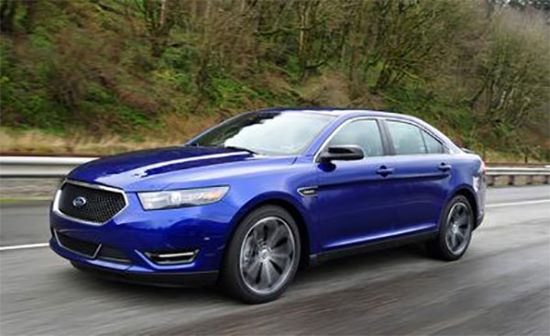
The Ford Taurus was once one of America's best-selling family cars and later evolved into a large, comfortable sedan. Although U.S. production ended after the 2019 model year, the Taurus remains readily available as a used vehicle and can offer substantial interior room for surprisingly little money.
Later Tauruses generally developed a good reliability reputation, especially naturally aspirated versions that avoided some of the complexity of Ford's turbocharged performance models.
2000–2007 (Fourth Generation)
These older Tauruses were designed primarily as affordable family transportation. Their mechanical simplicity can be appealing today, although age has become the primary concern.
Typical Issues
- Automatic transmission wear.
- Suspension and steering component replacement.
- Cooling system repairs.
- Rust and corrosion.
2008–2009 (Fifth Generation)
The Taurus name returned to a much larger sedan platform offering a spacious interior, standard V6 power, and optional all-wheel drive. These cars were more substantial and refined than their predecessors.
2010–2019 (Sixth Generation)
The final U.S. Taurus generation adopted much more aggressive styling and additional technology while continuing to emphasize comfort and highway stability.
Most versions used Ford's naturally aspirated 3.5-liter V6, while the high-performance Taurus SHO added a twin-turbocharged 3.5-liter EcoBoost V6 and standard all-wheel drive.
Typical Issues
- Internal water pump failure on certain 3.5-liter V6 engines.
- PTU maintenance on all-wheel-drive vehicles.
- Electronic accessory failures.
- Suspension wear on higher-mileage cars.
- Additional turbocharger and drivetrain maintenance on SHO models.
| Used Taurus Years To Consider | Why |
|---|---|
| 2013–2016 | Comfortable, spacious, and often available at attractive used prices. |
| 2017–2019 | Final production years with modern equipment and years of refinement. |
Buyer Tip: The Taurus is easy to overlook because full-size sedans have fallen out of favor. That can work to your advantage: later models often provide a tremendous amount of car for the money.
For even more reliability info on the Taurus, see our comprehensive Ford Taurus Reliability Guide with more on engine reliability, common problems, repair costs, probable lifespan, and years to buy or avoid.
Ford Flex Reliability
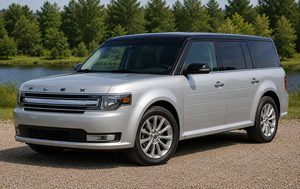
The Ford Flex was one of the most distinctive family vehicles Ford produced. Sold from 2009 through 2019, it combined the passenger capacity of a three-row SUV with a lower step-in height, wagon-like driving manners, and an unusually spacious interior.
Although discontinued, the Flex has developed a loyal following among used buyers because there are few modern vehicles quite like it. Reliability can be very good, but the specific drivetrain deserves careful evaluation.
2009–2012 (Early Models)
Most early Flex models used Ford's naturally aspirated 3.5-liter V6, with all-wheel drive available. The twin-turbocharged 3.5-liter EcoBoost V6 later provided substantially more performance.
Typical Issues
- PTU problems on certain all-wheel-drive models.
- Water pump concerns on some V6 engines.
- Wheel bearing wear.
- Electrical accessory repairs.
2013–2019 (Updated Models)
The Flex received refreshed styling and additional technology for 2013 while retaining its distinctive proportions and exceptionally roomy cabin.
Later models remain attractive family vehicles, particularly for buyers who want three-row seating but don't necessarily want the height or truck-like feel of a traditional SUV.
| Used Flex Years To Consider | Why |
|---|---|
| 2015–2019 | Later-production vehicles with excellent passenger room and strong overall value. |
Buyer Tip: On an all-wheel-drive Flex, pay particular attention to the PTU and drivetrain service history. Also investigate the water pump history on V6-powered examples, since replacement can be labor-intensive.
Ford Focus Reliability
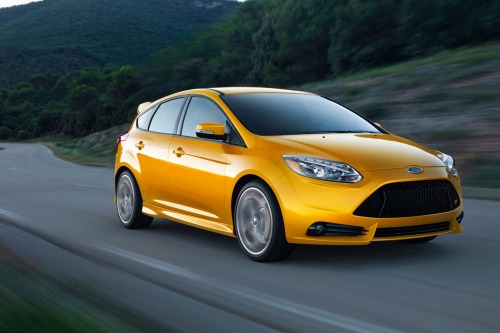
The Ford Focus was one of Ford's most important compact cars and remains common on the used market. Sold in the United States through the 2018 model year, it offered good fuel economy, sharp handling, and affordable pricing, especially in hatchback form.
Unfortunately, Focus reliability depends heavily on transmission choice. Manual-transmission versions can be excellent used cars, while many 2012–2018 models equipped with Ford's PowerShift dual-clutch automatic developed well-known shuddering, clutch, and shift-quality problems.
2000–2007 (First Generation)
Early Focus models were simple, inexpensive, and enjoyable to drive. Today, rust and age-related maintenance are often bigger concerns than any single design flaw.
Typical Issues
- Rust and corrosion.
- Suspension and steering wear.
- Ignition and electrical problems.
- Cooling system repairs.
2008–2011 (Second U.S. Generation)
This generation became more refined while retaining relatively straightforward mechanical components. Well-maintained examples can still make affordable commuter cars.
2012–2018 (Third Generation)
The redesigned Focus became significantly more stylish and sophisticated, but the PowerShift dual-clutch automatic transmission became a major reliability concern.
Manual-transmission cars are a very different proposition and can be much more attractive to long-term used buyers.
Typical Issues
- PowerShift transmission shudder and hesitation.
- Clutch and transmission control module problems.
- Electrical and infotainment glitches.
- Motor mount wear.
| Used Focus Years To Consider | Why |
|---|---|
| 2009–2011 | Relatively simple and inexpensive when well maintained. |
| 2012–2018 Manual | Avoids the PowerShift automatic transmission that caused many of the generation's reliability complaints. |
Buyer Tip: Transmission type is critical when shopping for a used Focus. A manual-transmission car can be an excellent value, while an affected PowerShift-equipped model deserves much more caution.
For even more reliability info on the Focus, read our complete Ford Focus Reliability Guide with more on engine reliability, common problems, repair costs, probable lifespan, and the best years to buy or avoid.
Ford Fiesta Reliability
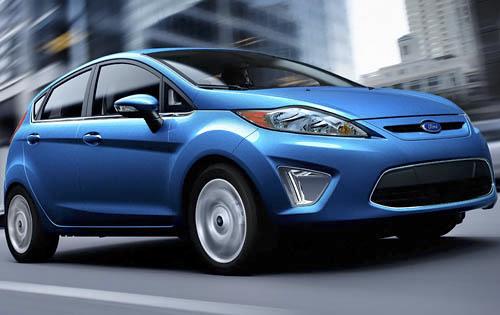
The Ford Fiesta was designed as an inexpensive, fuel-efficient subcompact and was sold in the United States from 2011 through 2019. It offered lively handling, excellent fuel economy, and low purchase prices, making it popular with commuters and first-time buyers.
Like the Focus, however, Fiesta reliability is strongly affected by transmission choice. Many automatic models used the same basic PowerShift dual-clutch design that generated widespread owner complaints.
2011–2019 (U.S. Generation)
Manual-transmission Fiestas are generally the most appealing used examples because they avoid the troublesome dual-clutch automatic. The small naturally aspirated engines themselves can be quite durable when maintained properly.
Typical Issues
- PowerShift transmission shudder and clutch wear on automatic models.
- Transmission control module failures.
- Motor mount wear.
- Door latch and electrical recalls.
- Cooling system repairs on higher-mileage cars.
| Used Fiesta To Consider | Why |
|---|---|
| Manual-transmission models | Simple, economical, and free of the PowerShift automatic's biggest problems. |
Buyer Tip: A low-priced automatic Fiesta can look tempting, but transmission history should be investigated carefully. If reliability is your priority, the manual transmission is usually the much safer choice.
Which Used Ford Should You Buy?
The best used Ford depends on what you need the vehicle to do. Ford's lineup is unusually broad, and several models stand out when the right engine, transmission, and production years are selected.
| If You Want... | Our Recommendation |
|---|---|
| Best full-size truck | F-150 |
| Best midsize truck | Ranger |
| Best compact truck | Maverick |
| Best compact SUV | Escape |
| Best three-row SUV | Explorer |
| Best large SUV | Expedition |
| Best two-row SUV | Edge |
| Best off-road SUV | Bronco |
| Best sports car | Mustang |
| Best used sedan value | Fusion |
| Best spacious sedan | Taurus |
| Best unusual family vehicle | Flex |
| Best inexpensive compact | Manual-transmission Focus |
| Best overall used Ford value | F-150 or Fusion, depending on your needs |
Buyer Tip: Ford is one of those brands where the right powertrain can matter almost as much as the model itself. Once you've narrowed down the vehicle type you want, spend extra time identifying the strongest engine and transmission combination within that model.
Buying a Used Ford: What Matters Most
Ford has produced many vehicles capable of extremely high mileage, but buying the right one requires more than simply finding a low odometer reading. Maintenance history, powertrain choice, condition, and production year all deserve careful attention.
Identify The Exact Engine And Transmission
This should be one of your first steps. A model may have been sold with several engines and transmissions whose reliability histories differ substantially.
- Confirm engine displacement and configuration.
- Determine whether the engine is naturally aspirated or turbocharged.
- Identify the exact automatic, manual, hybrid, or dual-clutch transmission.
- Research that powertrain combination before buying.
Look For Complete Maintenance Records
Regular maintenance is especially important on turbocharged EcoBoost engines and complicated modern transmissions. Consistent oil changes and proper fluid service can significantly affect long-term reliability.
Verify Recall Completion
Because Ford sells such a large number of vehicles, recalls can affect substantial numbers of cars and trucks. A vehicle history check should confirm whether applicable recall repairs have been completed.
Pay Attention To Cold Starts
Whenever possible, inspect the vehicle before the seller starts it. A cold start can reveal timing chain noise, cam phaser rattles, smoke, misfires, coolant problems, or other conditions that may be harder to detect once the engine is warm.
Test The Transmission Thoroughly
Drive long enough to evaluate the transmission both cold and fully warmed up. Pay attention to delayed engagement, harsh shifts, slipping, shuddering, hesitation, or unusual noises.
Get A Pre-Purchase Inspection
A professional inspection can uncover cooling system leaks, suspension wear, drivetrain problems, accident repairs, rust, and electronic faults that aren't obvious during a short test drive.
Buyer Tip: Don't automatically choose the Ford with the lowest mileage. A higher-mileage vehicle with excellent maintenance records and a strong powertrain can be a much safer purchase than a neglected low-mileage example.
There are also other numbers that can significantly affect the final out-the-door cost. A well-negotiated selling price can quickly lose its advantage if the dealer makes up for the concession with a below-market trade-in offer. Also, dealer fees and add-ons can further increase the final cost, making it important to learn which fees you must pay, can negotiate, or should avoid.
To become better informed about these important but often-confusing parts of the deal, be sure to see my articles on trade-ins and dealer fees.
In addition, used-car interest rates are typically higher than new-car rates, and can leave you owing much more than the vehicle is worth. Before buying, it's a good idea to review how car-loan rates affect your total cost and your alternative choices for substantial savings.
Final Verdict
Ford's used lineup offers tremendous variety and some excellent long-term ownership choices. The company has produced everything from inexpensive commuter cars and family crossovers to rugged pickups, large towing SUVs, off-road vehicles, hybrids, and high-performance Mustangs.
The key to buying a reliable Ford is understanding that reliability can vary substantially within the same model. Certain engine and transmission combinations have developed excellent reputations, while others—including some PowerShift-equipped compact cars and selected EcoBoost applications—deserve much more careful inspection.
Among Ford's strongest used choices, the F-150 and Ranger remain excellent trucks, the Expedition provides serious family and towing capability, the Mustang offers affordable performance, and a carefully selected Fusion can provide exceptional sedan value. The Escape, Explorer, Edge, Bronco, and Maverick can also be very good purchases when you choose the right year and powertrain.
Research the specific vehicle rather than relying solely on Ford's overall reputation, verify its maintenance history, and have it inspected before buying. Do that, and there are many used Fords capable of delivering dependable service well beyond 150,000 or even 200,000 miles.
Considering new instead? If you're shopping during the model-year changeover, here's how to decide between a discounted 2026 and waiting for the 2027.