

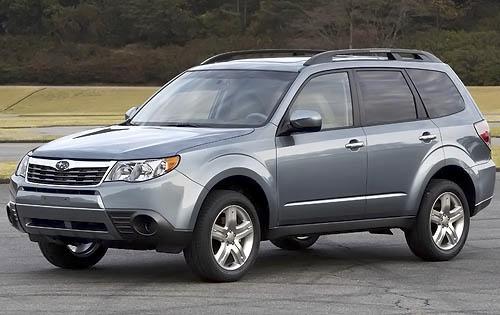
The 2010 Subaru Forester can be a practical and durable used compact SUV, but it requires more careful shopping than its reputation for ruggedness might suggest. Its standard all-wheel drive, excellent visibility, useful cargo space, and relatively simple drivetrain make it appealing, but this model year still uses Subaru's older 2.5-liter engines, where head gasket condition, oil leaks, timing belt maintenance, and oil consumption deserve particular attention.
Most 2010 Foresters are powered by a naturally aspirated 2.5-liter horizontally opposed four-cylinder engine. This engine can exceed 200,000 miles with good maintenance, but external head gasket leakage remains an important concern. Subaru improved its head gasket designs over earlier years, but buyers should still inspect carefully for coolant or oil seepage around the cylinder heads.
The 2010 Forester XT uses a turbocharged 2.5-liter four-cylinder and offers considerably stronger performance. The turbo engine can be durable when properly maintained, but it is less forgiving of neglected oil changes, overheating, improper modifications, or aggressive driving. Turbocharger condition and previous ownership history are therefore especially important on an XT.
Both engines use timing belts rather than timing chains. Timing belt replacement is an essential scheduled maintenance item, and on a 2010 Forester the service should already have been performed based on age even if mileage is relatively low. The water pump, tensioner, and idler pulleys are often replaced at the same time.
Transmission choices include a five-speed manual and Subaru's conventional four-speed automatic. Although the four-speed automatic feels dated by modern standards, it is relatively straightforward and can provide excellent service life when maintained properly. Importantly for some used-car shoppers, the 2010 Forester predates Subaru's widespread use of continuously variable transmissions in this model.
Subaru's symmetrical all-wheel-drive system is generally durable, but it makes matching tires particularly important. Large differences in tire circumference can place unnecessary stress on drivetrain components. All four tires should ideally be the same brand, model, size, and similar tread depth.
Overall, the 2010 Forester earns an average to above-average reliability rating. A properly maintained naturally aspirated model can be a very useful high-mileage vehicle, but I'd put considerable weight on head gasket condition, timing belt history, cooling-system health, and evidence of regular oil changes.
- Overall reliability: Average to Above Average
- Expected lifespan: 200,000 to 250,000+ miles with proper maintenance
- Best choice: Naturally aspirated 2.5-liter four-cylinder with documented timing belt service and no significant head gasket leakage
- Watch for: Head gasket leaks, oil consumption, timing belt history, wheel bearings, suspension wear, cooling-system problems, and mismatched tires
Bottom line: The 2010 Subaru Forester can be a good older compact SUV, particularly for buyers who value all-wheel drive and don't want a CVT. However, it isn't a vehicle I'd buy without a careful mechanical inspection. A naturally aspirated Forester with documented maintenance, a healthy cooling system, and a properly serviced timing belt can still provide many years of useful service.
- Why it's a good choice: Standard all-wheel drive, useful cargo space, excellent visibility, proven conventional transmissions, good winter capability, and strong potential longevity
- Biggest concern: Head gasket and cooling-system problems can become expensive if leakage or overheating is ignored
- Best version: Naturally aspirated 2.5-liter model with complete maintenance records and four properly matched tires
- Buy only if: Head gasket condition is satisfactory, timing belt service can be verified, the engine hasn't been overheated, and the vehicle passes a pre-purchase inspection
For more on the Forester's reliability, including best years to buy, years to avoid, common problems, and much more, be sure to see our comprehensive Subaru Forester Reliability Guide.
Is the 2010 Subaru Forester a Good Year or One to Avoid?
The 2010 Subaru Forester is best considered a "buy selectively" year rather than either an outstanding year or one that should automatically be avoided. Its basic design is practical and relatively straightforward, and the absence of a CVT may actually make it more attractive to some buyers shopping for an older Subaru.
The naturally aspirated 2.5-liter engine is generally the better choice for someone primarily concerned with reliability and ownership costs. The turbocharged XT is substantially quicker and can be a lot of fun, but its additional heat, turbocharger, and greater sensitivity to maintenance increase the potential financial risk of buying a neglected example.
Head gasket condition is one of the biggest dividing lines between a good Forester and a potentially expensive one. A car with professionally replaced head gaskets and excellent documentation may actually be more desirable than a lower-mileage vehicle still showing signs of original gasket leakage. What matters is the quality of the work and the overall condition of the engine.
Buyer Takeaway: The 2010 Forester can be a good purchase, especially if you want a practical AWD vehicle with a conventional automatic transmission. But maintenance history matters more than the Subaru badge. I'd favor a 140,000-mile Forester with documented timing belt and cooling-system work over a 90,000-mile example with no meaningful service records.
2010 Subaru Forester Common Mechanical Problems
The 2010 Forester has several trouble areas that buyers should investigate specifically rather than relying on a general inspection. Most aren't reasons to reject every Forester, but head gasket, cooling-system, and engine problems can become expensive enough to change whether an individual vehicle makes financial sense.
- Head gasket leakage: External oil or coolant leakage around the cylinder heads is one of the most important things to inspect on the naturally aspirated 2.5-liter engine. Minor seepage may remain manageable for some time, while substantial coolant leakage can eventually cause overheating. Evidence of coolant contamination, overheating, or internal gasket failure deserves much greater concern.
- Overheating and cooling-system problems: A Subaru boxer engine that has been repeatedly overheated can develop expensive problems. Check the coolant level and condition, inspect for leakage, and ask whether the temperature gauge has ever risen abnormally. A history of unexplained coolant loss deserves professional diagnosis before purchase.
- Timing belt maintenance: Both the naturally aspirated and turbocharged engines use a timing belt. Failure can result in serious engine damage, so documented replacement is important. Ideally, service includes the belt, tensioner, idlers, and consideration of the water pump while the system is apart.
- Oil consumption: Higher-mileage engines can begin consuming oil between changes. Check the dipstick before startup and ask the owner whether oil needs to be added regularly. Running a Subaru engine repeatedly with insufficient oil can greatly shorten its life.
- Engine oil leaks: Valve cover gaskets, camshaft seals, crankshaft seals, and other areas can begin leaking as the engine ages. Boxer-engine construction can make some leaks more labor-intensive to repair than they would be on a conventional inline-four engine.
- Wheel bearing failures: Wheel bearings are a relatively common higher-mileage repair on Subarus. A humming or growling sound that increases with vehicle speed is typical. Replacement is manageable, but several worn bearings can add significantly to immediate repair costs.
- Automatic transmission operation: The conventional four-speed automatic is generally durable, but harsh shifting, delayed engagement, slipping, or shuddering should be investigated. Fluid condition and maintenance history are worth checking on higher-mileage examples.
- Manual transmission clutch wear: Manual-transmission Foresters can require clutch replacement as mileage accumulates. Slipping under acceleration, chatter while pulling away, or a very high engagement point can indicate substantial clutch wear.
- Center differential or AWD binding: Manual-transmission models can develop center differential problems, while AWD components on any Forester can suffer when vehicles are repeatedly driven with mismatched tires. Binding, hopping, or resistance during tight low-speed turns deserves investigation.
- Mismatched tire damage: Subaru's AWD system makes tire condition more important than on a two-wheel-drive vehicle. One substantially newer tire or large differences in tread depth can create different rolling circumferences and stress drivetrain components. Inspect all four tires rather than checking only whether each has legal tread remaining.
- Suspension wear: Struts, control arm bushings, sway bar links, ball joints, and other components eventually wear. Listen for clunks over rough pavement and inspect the tires for uneven wear that could indicate alignment or suspension problems.
- Turbocharger concerns on XT models: The turbocharged engine requires particularly consistent oil maintenance. Turbo bearing wear, oil supply problems, boost-control faults, or previous modifications can result in expensive repairs. An XT with an uncertain history deserves much more caution than a stock, documented example.
- Turbo engine modifications: Used Forester XTs may have been modified with engine tuning, intake systems, exhaust components, or increased boost. Modifications aren't automatically harmful, but aggressive tuning can increase engine stress. For long-term reliability, a stock vehicle is generally preferable.
- Catalytic converter and oxygen sensor problems: Higher-mileage Foresters can develop emissions-related warning lights involving oxygen sensors or catalytic converter efficiency. Persistent oil consumption or misfires can also shorten catalytic converter life.
- Air conditioning problems: Compressors, clutch components, seals, and refrigerant leaks can reduce cooling performance as the vehicle ages. Run the air conditioning throughout the test drive to verify consistent operation.
- Rust and underbody corrosion: Because Foresters are popular in snowy regions, many have spent years exposed to road salt. Inspect subframes, suspension mounting areas, exhaust components, brake lines, and the underside of the body for significant corrosion.
The 2010 Forester's mechanical problems need to be evaluated collectively. A vehicle that needs a wheel bearing or suspension link may still be an excellent purchase. A Forester simultaneously showing head gasket leakage, low oil, overdue timing belt service, four mismatched tires, and substantial rust is a very different proposition.
Buyer Tip: Have the Forester inspected from underneath by a technician familiar with Subarus. Specifically request an inspection for head gasket leakage and underbody corrosion. Check the timing belt history, engine oil and coolant levels, and all four tires. During the test drive, make several slow tight turns and listen or feel for drivetrain binding that could indicate an AWD-related problem.
2010 Subaru Forester Pros and Cons
The 2010 Forester remains appealing because it combines compact exterior dimensions with excellent interior usefulness and genuine all-weather capability. It is also mechanically simpler in some respects than later Foresters. The downside is that Subaru's older 2.5-liter engines require more attention to head gasket, oil, and cooling-system condition than some competing Japanese four-cylinders.
Pros
- Standard all-wheel drive: Every Forester provides excellent traction in snow and poor weather without requiring buyers to search for a particular AWD trim.
- No CVT: The 2010 model uses conventional manual or automatic transmissions, which may appeal to buyers specifically trying to avoid an older continuously variable transmission.
- Excellent visibility: Large windows and relatively thin roof pillars provide unusually good outward visibility compared with many newer SUVs.
- Practical interior: The upright body, folding rear seats, and large cargo opening make the Forester exceptionally useful for its exterior size.
- Good potential lifespan: Properly maintained examples can exceed 200,000 miles and remain useful well beyond that point.
- Good ground clearance: The Forester provides useful clearance for snow, unpaved roads, camping, and light off-pavement use without the bulk of a traditional body-on-frame SUV.
- Simple naturally aspirated version: The standard engine avoids turbocharger complexity and is generally the better long-term choice for reliability-focused buyers.
- Strong parts and specialist support: Subaru's popularity means parts are widely available and many independent shops are familiar with the mechanical issues common to older Foresters.
Cons
- Head gasket leakage remains a concern: The older 2.5-liter boxer engine deserves more careful inspection for gasket leakage than many competing four-cylinder engines.
- Timing belt requires scheduled replacement: Unlike newer engines with timing chains, both 2010 Forester engines have an important periodic belt service that shouldn't be postponed.
- Oil leaks can be labor-intensive: Boxer-engine packaging can make certain gasket and seal repairs more involved than on conventional inline engines.
- Turbo XT increases repair risk: The extra performance is enjoyable, but the turbocharger and greater engine stress make maintenance history especially important.
- AWD requires attention to tires: All four tires need to remain closely matched, which can sometimes mean replacing more than one tire after otherwise minor damage.
- Four-speed automatic feels dated: It is relatively straightforward and durable, but fuel economy and responsiveness trail more modern transmissions.
- Rust can be significant: The Forester's popularity in snowy climates means underbody corrosion deserves careful inspection on many used examples.
- Subaru reputation can inflate used prices: Buyers sometimes pay a premium for AWD and perceived durability even when an individual vehicle has substantial deferred maintenance.
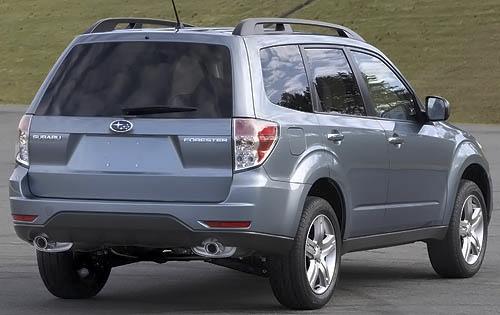
Buyer Takeaway: The 2010 Subaru Forester can be an excellent older SUV for someone who needs all-wheel drive, useful cargo room, good visibility, and a vehicle capable of substantial mileage. For most reliability-focused buyers, I'd choose the naturally aspirated 2.5-liter version over the turbocharged XT. The key is to verify timing belt service, inspect carefully for head gasket and coolant leakage, check for rust, and make sure all four tires are properly matched. A clean, well-maintained example can still provide many years of dependable service; a neglected one can require enough engine and drivetrain work to overwhelm an attractive purchase price.
Your Trade-In
Also, it's good to always know the value of your trade-in while you're evaluating your next possible purchase. Here's a good source for a quick and accurate appraisal: free trade-in appraisal.
What's Next?
If you may be buying soon, I'd recommend reading my most effective negotiation method for used cars. It explains a quick way to identify the dealerships most motivated to deal, no matter how busy they may seem, and how to follow up once you've found them. That can be the difference between getting a good price and getting a great one.
Or, if you'd consider buying a brand-new vehicle if you could get a lower-than-expected price, learn how to shop the dealer, not just the car.
And beware of "Dealer Fees": Before agreeing to a dealer's numbers, see which dealer fees are legitimate, which can be negotiated, and which can be avoided.
Some Insider Insights:
Car Insurance Too Expensive? Some Answers
The Best Used Cars For Gas Mileage