

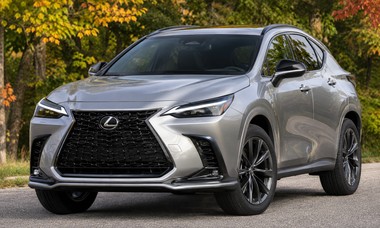
The Lexus NX has become one of the most appealing choices for used luxury SUV buyers who want comfort, refinement, and dependable long-term transportation without the repair concerns associated with some European competitors.
Introduced for the 2015 model year, the NX combines much of Toyota's engineering experience with a quieter cabin, more upscale appointments, and the distinctive styling expected from Lexus. It also offers something particularly attractive to used-car shoppers: a choice between conventional gasoline engines and Toyota-derived hybrid systems with established reliability credentials.
But not every NX is equally suited to every buyer. The earlier turbocharged models, first-generation hybrids, and redesigned 2022-and-newer vehicles offer noticeably different ownership experiences.
In this guide, I'll explain which Lexus NX years I'd concentrate on, which deserve closer inspection, and how I'd choose between the gasoline, hybrid, and plug-in hybrid versions.
In This Guide You'll Learn
- Whether the Lexus NX is a reliable used luxury SUV
- Which model years offer the best combination of reliability and value
- Which years and mechanical concerns deserve closer inspection
- How long a properly maintained Lexus NX can last
- How the NX 200t, NX 300, NX 300h, NX 250, NX 350, NX 350h, and NX 450h+ differ
- Whether an older Lexus hybrid is a sensible purchase
- What maintenance and repairs may cost
- Whether a used Lexus NX is a better value than a newer Toyota RAV4
Or, Looking For "New"?
If you're also considering a new NX, you may want to come back to this and take a look at a handy technique that identifies the dealer in your area most ready to make price concessions.
Lexus NX Reliability Overview
Overall, the Lexus NX is a very good used luxury SUV choice. Its strongest qualities are dependable underlying engineering, comfortable everyday driving, and the availability of hybrid powertrains that can deliver excellent fuel economy without sacrificing the luxury experience.
RepairPal gives the original NX 200t a reliability rating of 4.0 out of 5.0, placing it second among 11 luxury compact SUVs. Its average annual repair and maintenance cost is estimated at $690, below the $859 luxury compact SUV average. These figures describe the earlier NX 200t, rather than every version of the NX.
For buyers who value established long-term reliability, I particularly like the later first-generation models. The 2018–2021 NX 300 and NX 300h benefit from several years of production experience, and both offer a reasonable balance of comfort, durability, and used-car value.
The 2022 redesign brought major improvements in technology, performance, and fuel efficiency. It also introduced more powertrain choices, including the naturally aspirated NX 250, turbocharged NX 350, conventional NX 350h hybrid, and NX 450h+ plug-in hybrid.
As with almost any vehicle, reported problems don't mean most owners will experience them. Many NX complaints involve individual vehicles, limited production groups, or components that become more likely to need attention with age. The important thing is to recognize the meaningful risks without treating every reported failure as inevitable.
My overall view is favorable. I wouldn't hesitate to consider a properly maintained NX, but I'd choose the powertrain and model year based on how the vehicle will actually be used.
Lexus NX Reliability at a Glance
| Overall Reliability | Above average; particularly appealing among used luxury compact SUVs |
|---|---|
| Best Used Years | 2018–2021; 2023–2025 for newer buyers, subject to inspection and recall completion |
| Years Requiring Extra Inspection | 2015–2016 and redesign-year 2022 |
| Best Conventional Gasoline Choice | 2018–2021 NX 300; newer NX 250 for buyers prioritizing a naturally aspirated engine |
| Best Fuel-Economy Choice | NX 300h or newer NX 350h hybrid |
| Expected Lifespan | Approximately 200,000 miles or more with excellent maintenance; not guaranteed |
| Important Hybrid Consideration | Battery health, cooling, and AWD system condition |
| Important Buying Priority | Maintenance history, vehicle condition, and completed recalls |
How Many Miles Can a Lexus NX Last?
A properly maintained Lexus NX has a reasonable chance of reaching 200,000 miles, and some examples may travel considerably farther. Toyota and Lexus have extensive experience building durable four-cylinder engines and hybrid drivetrains, which is encouraging for long-term ownership. However, the NX is still a relatively young model compared with vehicles that have decades of documented high-mileage history.
At 100,000 to 150,000 miles, I wouldn't be especially concerned about a well-maintained NX simply because of its odometer reading. I'd be more interested in consistent oil changes, cooling-system condition, smooth transmission operation, suspension wear, and whether the owner has addressed developing problems promptly. On a hybrid, I'd also want the high-voltage battery and related systems evaluated.
Beyond 150,000 miles, the question becomes less about whether the engine can keep running and more about the cost of maintaining the complete vehicle. Air conditioning, suspension components, cooling-system parts, electronics, and other age-related repairs can affect the economics of keeping an older luxury SUV. I'd rather buy a 130,000-mile NX with excellent records than an 80,000-mile example showing evidence of neglected maintenance.
What Are the Best Lexus NX Model Years to Buy?
For most used buyers, I'd begin with the 2018–2021 Lexus NX. These are mature first-generation models with established powertrains and enough ownership history to make informed buying decisions.
2018–2021 Lexus NX 300: A Strong Conventional Gasoline Choice
The NX 300 uses a 2.0-liter turbocharged four-cylinder engine paired with a conventional six-speed automatic transmission. It's essentially the continuation of the earlier NX 200t, renamed for the 2018 model year.
This combination provides good everyday performance without the complexity of a hybrid battery. It isn't the most fuel-efficient NX, and turbocharged engines reward consistent maintenance, but I'd consider a well-cared-for example a very reasonable long-term choice.
If I wanted a used Lexus NX with conventional gasoline power, this is where I'd start shopping.
2018–2021 Lexus NX 300h: Excellent for Fuel-Conscious Buyers
The NX 300h combines a naturally aspirated 2.5-liter four-cylinder engine with electric motors and an electronically controlled hybrid transmission. Its appeal is smooth operation, excellent city fuel economy, and the extensive experience Lexus and Toyota have accumulated with hybrid technology.
I wouldn't automatically favor the gasoline NX 300 over the hybrid simply because the hybrid has more electrical components. These systems have demonstrated that a properly engineered hybrid can be extremely durable.
For someone driving substantial annual mileage, I'd give the NX 300h serious consideration, provided the battery and hybrid system check out.
2023–2025 Lexus NX: Attractive Newer Choices
For buyers with a larger budget, the 2023–2025 models provide a newer interior, more advanced safety technology, and a wider choice of powertrains than the original NX.
The NX 250 is especially interesting for buyers who prefer a naturally aspirated gasoline engine, while the NX 350h is probably the most appealing all-around choice for those who value fuel economy and refinement.
I wouldn't claim these newer models have already proven themselves over 200,000 miles. They haven't been around long enough. But their engineering foundation and early reliability evidence are encouraging.
Which Lexus NX Years Should You Avoid or Inspect More Carefully?
There aren't many NX model years I'd categorically avoid. I would, however, approach several groups with additional questions.
2015–2016 Lexus NX
These are the oldest examples and include the initial production years of the first-generation NX. Some vehicles have been subject to fuel-pump or airbag-related recalls, and age now makes maintenance history particularly important.
The early 2.0-liter turbocharged engine can be durable, but I'd investigate rough running, hesitation, unusual turbocharger behavior, coolant loss, or an illuminated check-engine light rather than dismissing those symptoms.
I'd consider a well-maintained 2015 or 2016 NX at the right price, but I wouldn't pay nearly as much for one as a comparable later first-generation model.
2022 Lexus NX
The 2022 NX was a complete redesign, bringing new engines, transmissions, electronics, and a substantially updated interior. That makes it a particularly important year to inspect carefully.
Some early second-generation vehicles were recalled for concerns involving the front suspension mounting structure, electronic parking brake, and stability-control software. Certain NX 450h+ plug-in hybrids were also affected by a DC-DC converter recall.
These recalls don't mean every 2022 NX is troublesome, and properly completed repairs can resolve the specific recall concerns. I'd simply verify the vehicle identification number, confirm that all applicable repairs have been performed, and thoroughly test the electronic features.
Newer NX Models With Unresolved Recalls or Electronic Problems
Several newer NX model years have been included in rearview-camera recalls, including a 2026 recall involving certain 2022–2025 non-hybrid NX vehicles. A separate camera-software recall affects certain vehicles equipped with the panoramic-view system.
Before purchasing any newer NX, I'd test the backup camera, infotainment screen, parking sensors, electronic door releases, and other driver-assistance features. An unresolved safety recall should be addressed before the vehicle enters regular use.
These concerns are reasons for careful verification, not a blanket recommendation to avoid the newer generation.
Lexus NX Reliability by Generation
First Generation: 2015–2021 Lexus NX Reliability
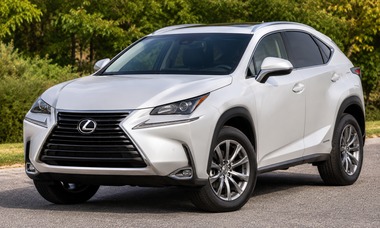
The original Lexus NX arrived for 2015 as a smaller, sportier alternative to the established Lexus RX. It offered an upscale cabin, distinctive styling, and Toyota-derived mechanical components in a vehicle sized for everyday commuting and city driving.
Two powertrains defined this generation. The NX 200t, renamed NX 300 for 2018, uses a turbocharged 2.0-liter four-cylinder engine and a six-speed automatic transmission. The NX 300h combines a naturally aspirated 2.5-liter four-cylinder with a gasoline-electric hybrid system and an electronically controlled continuously variable transmission.
It's important not to confuse the hybrid transmission with the conventional belt-driven CVTs found in some other vehicles. The Lexus hybrid system uses a planetary gear arrangement to coordinate gasoline and electric power, and its basic design has a substantial history across Toyota and Lexus vehicles.
The turbocharged gasoline NX is the more responsive choice in ordinary driving. Its engine provides strong low-speed torque, and the conventional automatic transmission feels familiar to buyers coming from other gasoline SUVs.

The hybrid is smoother and considerably more economical in stop-and-go driving. It's not as quick to respond when accelerating hard, but for someone who spends much of the day commuting, the fuel savings can make a real difference.
Both versions can provide dependable service. On the turbocharged models, I'd pay attention to consistent oil changes, proper cooling-system operation, and any evidence of hesitation or reduced engine power. Turbocharger control components and fuel-delivery problems have been reported, although they shouldn't be assumed to affect every vehicle.
Some older examples also develop ordinary age-related concerns such as suspension noises, water-pump leaks, deteriorating batteries, air-conditioning problems, and electronic accessory failures. These aren't unique to the NX, but luxury-brand repair prices can make seemingly minor problems more expensive than buyers expect.
For the NX 300h, the hybrid battery deserves additional consideration as the vehicle ages. A healthy original battery isn't automatically a problem, but I'd want a hybrid-system inspection before buying a high-mileage example. In regions with road salt, the condition of hybrid AWD electrical connections also deserves attention.
The 2018 facelift improved the NX's styling and equipment, and the later years benefit from the maturity of the original platform. That's why I'd generally concentrate my search on 2018–2021 examples rather than the earliest production years.
Buyer Tip: If I were choosing between a 2019 NX 300 and a 2019 NX 300h, I'd base the decision on driving habits rather than assuming one is automatically more reliable. For mostly highway driving and fewer annual miles, the gasoline model is perfectly sensible. For frequent city driving, I'd lean toward the hybrid if its battery and service history were satisfactory.
Bottom Line: The 2015–2021 NX is a strong used luxury SUV, and the later 2018–2021 models offer one of the most attractive combinations of established reliability, comfort, and reasonable purchase prices in the lineup.
Second Generation: 2022–2026 Lexus NX Reliability
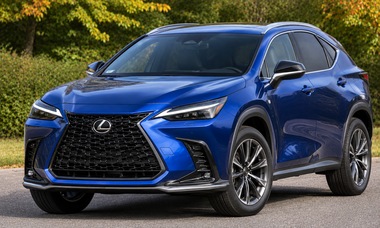
The redesigned 2022 Lexus NX brought more than a styling update. Lexus introduced a new platform, substantially improved infotainment technology, additional safety equipment, and four different powertrain choices.
That variety is one of the newer NX's greatest strengths, but it also means buyers need to understand exactly which model they're considering.
NX 250: Naturally Aspirated Gasoline Engine
The NX 250 uses a 2.5-liter naturally aspirated four-cylinder engine with an eight-speed automatic transmission. It's available with front-wheel drive or all-wheel drive.
This is the simplest conventional gasoline choice in the newer NX lineup because it doesn't use a turbocharger or high-voltage hybrid propulsion system.
Performance is adequate rather than exciting, particularly with passengers and luggage aboard. But I'd consider it a very appealing option for someone who values straightforward everyday transportation over acceleration.
NX 350: Turbocharged Performance
The NX 350 uses a 2.4-liter turbocharged four-cylinder engine paired with an eight-speed automatic transmission and all-wheel drive.
It's noticeably stronger than the NX 250 and better suited to buyers who want brisk acceleration and confident highway passing performance.
The trade-off is additional mechanical complexity. Turbocharging places different demands on the engine and cooling system, making consistent maintenance especially important. The newer powertrain also has less high-mileage history than the earlier NX engines.
I wouldn't avoid the NX 350 because it has a turbocharger. I'd simply be more particular about its service history, engine behavior, and any unresolved warning lights.
NX 350h: The Hybrid Sweet Spot
The NX 350h combines a naturally aspirated 2.5-liter gasoline engine with electric motors and an electronically controlled hybrid transmission. All-wheel drive is standard, using an electric motor to help power the rear wheels when needed.
This is probably my favorite all-around newer NX configuration. It delivers strong fuel economy, smooth everyday performance, and the comfort expected from a Lexus without relying on a turbocharged gasoline engine.
The 2022 NX 350h was rated at approximately 39 mpg combined, compared with about 25 mpg for the NX 350 AWD. For someone who drives regularly, that's a substantial difference.
I'd still want to inspect the hybrid battery, cooling system, and electrical components, but I wouldn't consider the presence of hybrid technology a reason to choose the gasoline model instead.
NX 450h+: Plug-In Hybrid Luxury
The NX 450h+ adds a larger rechargeable battery that allows substantial electric-only driving before the gasoline engine is needed. It combines impressive performance with the potential for very low gasoline consumption when charged regularly.
For the right owner, it can be an excellent vehicle. But I'd be cautious about paying a large premium for one without considering how often it will actually be plugged in.
A buyer with home charging and a relatively short daily commute may get considerable value from the plug-in system. Someone who rarely charges it may be paying for expensive technology without receiving much of its intended benefit.
On a used NX 450h+, I'd want confirmation that charging works properly, that all applicable recalls have been completed, and that the battery and charging equipment have been evaluated.
Across the second generation, the increased amount of electronic equipment also deserves attention. Screen freezes, camera problems, software concerns, and accessory malfunctions can affect individual vehicles. These may be less serious than an engine or transmission failure, but they still matter when purchasing a luxury SUV.
Buyer Tip: If I were shopping for a newer NX primarily for long-term ownership, I'd compare the NX 250 and NX 350h first. The NX 250 appeals to me for its conventional gasoline simplicity, while the NX 350h offers a particularly attractive balance of efficiency, comfort, and proven hybrid engineering principles.
Bottom Line: The second-generation NX is a substantial improvement in technology and refinement. The NX 350h is especially appealing, although buyers should recognize that the newest powertrains haven't yet accumulated the same long-term mileage history as the original generation.
Lexus NX Maintenance and Repair Costs
One reason the NX is attractive among luxury SUVs is that its maintenance costs can be more manageable than those of some European competitors. Lexus shares considerable engineering experience with Toyota, and qualified independent Toyota/Lexus specialists can often provide an economical alternative to dealership service.
RepairPal estimates average annual repair and maintenance costs of approximately $690 for the original NX 200t, compared with $859 for luxury compact SUVs overall. That doesn't mean every owner will spend $690 annually; actual costs depend heavily on mileage, age, driving habits, and the individual vehicle's condition.
Typical Lexus NX Repair Costs
| Repair or Service | Estimated Cost |
|---|---|
| Electrical System Diagnosis | $153–$224 |
| Serpentine Belt Replacement | $148–$191 |
| Wheel Alignment | $229–$336 |
| Water Pump Replacement | $734–$825 |
| Radiator Replacement | $1,142–$1,392 |
| Air-Conditioning Evaporator Replacement | $1,530–$2,529 |
These are published RepairPal estimates for the earlier NX 200t/NX 300, not universal prices for every NX powertrain. They are examples of potential repair expenses, not predictions that these components will fail. Costs vary by model year, location, parts, and labor rates.
For the turbocharged gasoline models, consistent oil changes and cooling-system maintenance are especially important. I'd also want evidence that any developing oil leaks, coolant leaks, or drivability concerns were addressed promptly.
On hybrid models, routine gasoline-engine maintenance remains necessary, but the battery cooling system, high-voltage components, and hybrid warning indicators deserve additional attention. A qualified hybrid technician can evaluate the system more thoroughly than an ordinary visual inspection.
The plug-in hybrid adds charging equipment and a larger battery, making it especially important to confirm proper operation before purchase.
Before buying any NX, I'd recommend a professional pre-purchase inspection that includes a diagnostic scan, road test, suspension and brake inspection, fluid-leak check, and review of maintenance records.
I'd also check the vehicle's VIN through the NHTSA recall lookup and confirm that applicable safety recalls have been completed.
Is a Used Lexus NX a Better Value Than a Newer Toyota RAV4?
This is one of the more interesting buying decisions involving the Lexus NX. A well-maintained, several-year-old NX may cost about the same as a newer, well-equipped Toyota RAV4, particularly when comparing luxury and hybrid versions.
The Lexus offers a quieter, more upscale interior, additional comfort features, and the experience of driving a luxury-brand vehicle. Depending on the model, it may also provide a more refined ride and more distinctive styling.
The RAV4 counters with greater everyday practicality, generally lower operating costs, and a larger cargo area. Its mainstream positioning can also make replacement parts and routine service more economical.
I'd be particularly interested in comparing a used NX 300h with a newer RAV4 Hybrid. Both benefit from Toyota's hybrid experience, and both can be sensible long-term purchases. The Lexus emphasizes refinement, while the Toyota generally offers the stronger practical-value argument.
Buyer Tip: If I found a clean, well-maintained NX 300h at approximately the same price as a newer RAV4 Hybrid, I wouldn't automatically choose the newer Toyota. I'd drive both and compare their condition, equipment, mileage, and maintenance histories. But if cargo space, lower costs, and family practicality were my priorities, the RAV4 would be difficult to overlook.
Bottom Line: A used Lexus NX can provide more luxury for the money without necessarily costing dramatically more to maintain than some mainstream alternatives. But it's important to distinguish getting a nicer vehicle for the purchase price from achieving the lowest total ownership cost.
Other Alternatives to Consider
Acura RDX
The Acura RDX is probably the NX's most direct Japanese luxury competitor. It generally offers a sportier driving experience, strong performance, and a spacious interior. I'd lean toward the RDX for someone who enjoys driving, while the NX would be especially attractive to a buyer prioritizing comfort, refinement, and hybrid fuel economy.
Lexus RX
The Lexus RX is larger and more comfort-oriented than the NX. It offers additional passenger space and, in older generations, the proven naturally aspirated 3.5-liter V6. If I needed more room and didn't mind a larger vehicle, I'd compare used RX prices carefully before committing to an NX.
Mazda CX-5
The Mazda CX-5 is an excellent alternative for buyers who want an upscale feel without paying luxury-brand prices. Its handling, interior design, and available equipment make it surprisingly competitive with the NX. I'd give the CX-5 serious consideration if keeping the purchase price and maintenance costs down were important.
Considering Other Lexus Models? If you're still deciding which Lexus to buy, take a look at our Lexus Reliability Guide. It compares the reliability, potential problems, and best years of popular Lexus sedans and SUVs.
Final Lexus NX Reliability Verdict
The Lexus NX is one of the more reassuring used luxury SUV choices. Its combination of Toyota-derived engineering, comfortable driving manners, and available hybrid powertrains makes it particularly attractive to buyers who want something more upscale without taking on excessive ownership risk.
For value and established reliability, I'd begin with the 2018–2021 models. The NX 300 is a sensible conventional gasoline choice, while the NX 300h is especially appealing for buyers who drive frequently and appreciate fuel economy.
The redesigned 2022-and-newer NX offers better technology and more powertrain choices. Among these, I'd look particularly closely at the naturally aspirated NX 250 and the efficient NX 350h. The turbocharged NX 350 and plug-in hybrid NX 450h+ also have their merits, but I'd choose them because their particular strengths match my needs rather than simply because they're the most powerful or expensive versions.
I'd be more cautious with neglected early models, vehicles showing unresolved electronic problems, or hybrids with uncertain battery condition. None of those concerns automatically makes an NX a bad purchase, but they should influence the inspection and the price.
My buying recommendation: If I were shopping for a used luxury SUV to keep for many years, a well-maintained Lexus NX would be high on my list. I'd concentrate on the later first-generation models for proven value and consider a newer NX 350h if my budget allowed. Above all, I'd buy the best-maintained example I could find rather than choosing solely by model year or mileage.
Pricing
Knowing which NX model years to concentrate on is step 1. Step 2 is knowing how to actually get an excellent used NX price.
Also, it's good to always know the value of your trade-in while you're evaluating your next possible purchase. Here's a good source for a quick and accurate appraisal: free trade-in appraisal.
Some Insider Insights: