

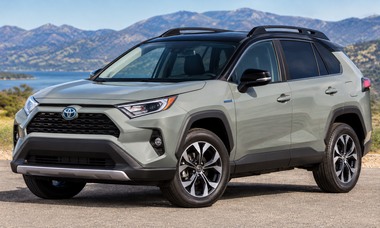
Is the Toyota RAV4 Hybrid reliable? Yes. The Toyota RAV4 Hybrid is generally an excellent choice for someone seeking a dependable, fuel-efficient used SUV. Its durable gasoline engines, proven hybrid technology and planetary electronically controlled continuously variable transmission (e-CVT) provide a strong foundation for long-term ownership.
However, not every RAV4 Hybrid model year is equally trouble-free. Certain 2019–2024 models have experienced expensive high-voltage rear motor cable corrosion, early fifth-generation vehicles have documented fuel-tank and roof-rail problems, and some owners have encountered 12-volt battery drain or cooling-system faults.
There are also important differences between the older 2016–2018 RAV4 Hybrid and the redesigned 2019–2025 models, particularly in their gasoline engines, hybrid components, fuel economy and potential repair concerns.
This guide examines Toyota RAV4 Hybrid reliability from 2016 through 2025, including hybrid battery lifespan, common mechanical and electrical problems, best and worst years, repair costs and what to inspect before buying.
In This Guide
- Overall Toyota RAV4 Hybrid reliability and expected lifespan
- Hybrid battery longevity, warranty and replacement concerns
- Reliability differences between the 2016–2018 and 2019–2025 models
- High-voltage rear motor cable corrosion, commonly called Cablegate
- 12-volt battery drain, fuel-tank and cooling-system problems
- Roof-rail water leaks, hybrid battery cooling and power-loss concerns
- e-CVT transmission reliability and maintenance
- Best and worst years, repair costs and used-hybrid inspection advice
However, if you're also considering a new RAV4 Hybrid, you may want to come back to this and take a look at a handy technique that locates the dealer most ready to make concessions.
Toyota RAV4 Hybrid Reliability Overview
The Toyota RAV4 Hybrid arrived in the United States for the 2016 model year, combining a gasoline four-cylinder engine with electric motor-generators, a high-voltage hybrid battery and Toyota's planetary power-split e-CVT.
Unlike many conventional all-wheel-drive SUVs, the RAV4 Hybrid uses a separate electric motor to power the rear wheels when additional traction is needed. There is no conventional driveshaft connecting the front and rear axles.
That design eliminates some traditional AWD components, but it introduces a rear electric drive motor and high-voltage wiring that require specialized diagnosis when problems occur.
2016–2018 RAV4 Hybrid: The first U.S. RAV4 Hybrid uses a 2.5-liter gasoline engine, nickel-metal hydride hybrid battery, planetary e-CVT and electronic all-wheel drive. It benefits from an established hybrid design and considerable real-world ownership history.
2019–2025 RAV4 Hybrid: The redesigned fifth-generation model introduced a more efficient 2.5-liter Dynamic Force engine, revised hybrid components and stronger performance. Its underlying powertrain is a major strength, but certain electrical connections, fuel-system components and cooling-system parts have caused documented problems.
RAV4 Prime: Introduced for 2021, the RAV4 Prime is a plug-in hybrid with a much larger rechargeable battery and a different electrical configuration. Some concerns overlap with the conventional hybrid, but the Prime should not automatically be assigned the same reliability conclusions.
Bottom Line: The RAV4 Hybrid's basic engine and hybrid transmission design is one of its strongest features. Used-car buyers should concentrate on the condition of specific electrical connections, battery and cooling components, maintenance history and completion of applicable Toyota service programs.
Toyota RAV4 Hybrid Reliability at a Glance
| Category | What Used-Car Buyers Should Know |
|---|---|
| Overall Reliability | Generally very good, with several important model-year-specific concerns. |
| Expected Vehicle Lifespan | Approximately 200,000–250,000 miles is a reasonable long-term goal with proper maintenance; some vehicles exceed that. |
| Hybrid Battery Lifespan | Often 10–15 years or longer, although age, temperature, mileage and individual condition matter. |
| Major Powertrain Strength | Durable gasoline engines and a planetary power-split e-CVT without a conventional CVT belt. |
| Major Hybrid-Specific Concern | High-voltage rear motor cable corrosion on certain fifth-generation AWD models. |
| Other Notable Problems | 12-volt battery drain, early fuel-tank filling complaints, roof-rail leaks and cooling-system faults. |
| 2016–2018 Models | Established older hybrid design; battery aging and general vehicle condition are increasingly important. |
| 2019–2025 Models | Improved performance and efficiency, but important electrical and service-program checks. |
| Hybrid Battery Warranty | Generally 8 years/100,000 miles on earlier models and 10 years/150,000 miles beginning with 2020 models, subject to warranty terms. |
| Best Buying Strategy | Choose based on maintenance records, hybrid-system diagnostics, high-voltage cable condition and verified Toyota service history. |
How Many Miles Can a Toyota RAV4 Hybrid Last?
A properly maintained Toyota RAV4 Hybrid can realistically last 200,000–250,000 miles, and some examples can exceed 250,000 miles. Its gasoline engine and planetary hybrid transmission are well suited to long-term service, although individual batteries, electrical components and accessories may need replacement during the vehicle's lifetime.
The important distinction is between how long the SUV itself can remain serviceable and how long its original hybrid components will last.
At 100,000 miles, a RAV4 Hybrid with consistent maintenance may have many years of useful life remaining. Check oil-change history, cooling-system condition, hybrid battery cooling airflow, suspension wear and outstanding Toyota service programs.
At 150,000 miles, battery age and condition become increasingly important, especially on older examples. A healthy original battery may continue operating normally, but buyers should not assume that every high-mileage battery has the same remaining life. Fifth-generation vehicles also deserve a careful rear motor cable inspection.
At 200,000 miles, a well-maintained RAV4 Hybrid may still operate reliably, but the possibility of battery, cooling-system, suspension, air-conditioning and other age-related repairs should be reflected in the purchase price.
At 250,000 miles, continued service is possible, but the SUV should be evaluated as a high-mileage vehicle rather than assumed to be trouble-free because it carries a Toyota badge. The cost of replacing major hybrid components may become an important ownership decision.
High mileage alone isn't necessarily a reason to reject a RAV4 Hybrid. A vehicle with 160,000 miles, excellent maintenance records and a healthy hybrid system may be a better purchase than one with 90,000 miles, incomplete records and unresolved electrical problems.
How Long Does a Toyota RAV4 Hybrid Battery Last?
A Toyota RAV4 Hybrid traction battery can often last 10–15 years or longer, with many batteries remaining functional beyond 150,000 miles. However, there is no guaranteed replacement mileage, and battery age, temperature exposure, operating conditions and individual condition all influence its lifespan.
The traction battery is the high-voltage battery that stores energy for the electric motors. It is separate from the smaller 12-volt auxiliary battery used to power vehicle electronics and initialize the hybrid system.
Hybrid batteries gradually lose capacity as they age. This doesn't necessarily cause an immediate failure. A battery can continue functioning while delivering somewhat reduced performance or efficiency.
Potential warning signs of a deteriorating hybrid battery include:
- Hybrid battery warning messages or diagnostic trouble codes
- Unusually rapid changes in the displayed battery charge level
- Reduced fuel economy without another explanation
- Frequent gasoline-engine operation under conditions where electric assistance was previously normal
- Abnormal hybrid battery cooling-fan operation
- Reduced hybrid performance or difficulty entering READY mode when accompanied by relevant faults
None of these symptoms proves that the traction battery needs replacement. A weak 12-volt battery, cooling-system problem or other hybrid-system fault can produce overlapping symptoms.
A proper diagnosis should include a scan of the hybrid control system and an assessment of battery condition by a technician familiar with Toyota hybrids.
What Is the Toyota RAV4 Hybrid Battery Warranty?
Toyota generally provided an 8-year/100,000-mile hybrid battery warranty on 2016–2019 models and increased the standard hybrid battery warranty to 10 years/150,000 miles beginning with the 2020 model year.
Additional coverage may apply under certain emissions warranties, depending on the vehicle and state. The original in-service date and applicable warranty terms determine whether a particular used RAV4 Hybrid remains covered.
The longer warranty is reassuring, but it isn't a prediction that the battery will fail when coverage expires. Many hybrid batteries continue operating well beyond their warranty periods.
Buyer Tip: Before buying an older RAV4 Hybrid, have the traction battery evaluated rather than assuming it is healthy because the vehicle starts and drives normally. Verify remaining warranty coverage using the VIN and original in-service date.
Toyota RAV4 Hybrid Reliability by Generation
2016–2018 Toyota RAV4 Hybrid: First U.S. Hybrid Generation
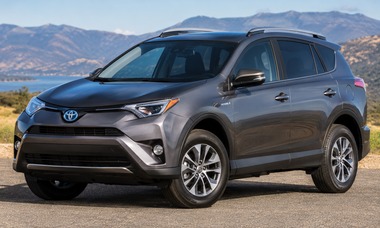
The 2016–2018 RAV4 Hybrid was based on the fourth-generation RAV4 and marked Toyota's introduction of a hybrid version to the U.S. market.
It uses the 2AR-FXE 2.5-liter gasoline four-cylinder engine, a nickel-metal hydride traction battery, electric motor-generators and an electronically controlled planetary power-split transmission.
Its electronic all-wheel-drive system uses a separate rear electric motor, allowing additional traction without a conventional driveshaft between the front and rear axles.
These models are now old enough to provide meaningful information about battery aging and high-mileage operation. Their biggest buying concerns generally involve age-related maintenance, hybrid battery condition and the cost of repairing older electrical or cooling-system components.
Common Problems on 2016–2018 Toyota RAV4 Hybrids
- Hybrid battery aging: The original nickel-metal hydride traction battery may gradually lose capacity with age, and a failed battery can be expensive to replace.
- Hybrid battery cooling restrictions: Dust, lint or pet hair can restrict cooling airflow and contribute to elevated battery temperatures.
- 12-volt auxiliary battery problems: An aging or discharged 12-volt battery can prevent the hybrid system from entering READY mode even when the high-voltage battery is healthy.
- Cooling-system wear: Aging coolant pumps, hoses, radiators and related components can cause leaks or temperature-control problems.
- Brake-system wear or faults: Regenerative braking reduces some friction-brake use, but conventional brake components can still corrode, stick or require repair.
- Suspension and steering wear: Struts, bushings, sway-bar links and other suspension components may develop noise or looseness as mileage increases.
- Air-conditioning problems: Refrigerant leaks, compressor-related faults or electrical problems can cause weak cooling and potentially expensive repairs.
- Age-related electrical faults: Sensors, wiring connections and electronic accessories can develop intermittent problems as vehicles grow older.
Are 2016–2018 Toyota RAV4 Hybrids Reliable?
Yes. A well-maintained 2016–2018 Toyota RAV4 Hybrid can be a reliable used SUV, particularly for buyers who want an established hybrid powertrain without the documented fifth-generation rear cable corrosion problem.
The gasoline engine and planetary e-CVT are major strengths. Unlike a conventional belt-driven CVT, Toyota's hybrid transmission uses a planetary gear arrangement and electric motor-generators to control the effective drive ratio.
This eliminates the belt-and-pulley arrangement that concerns some buyers of conventional CVTs.
However, these early RAV4 Hybrids are now approximately a decade old. Their original traction batteries, cooling-system components, suspension parts and electronic accessories may be approaching the point where age-related repairs become more common.
That makes a hybrid-system inspection and documented maintenance especially valuable.
Do 2016–2018 RAV4 Hybrids Have Battery Problems?
The main battery concern on a 2016–2018 RAV4 Hybrid is age-related deterioration rather than a universal manufacturing defect.
These models use a nickel-metal hydride traction battery, a technology Toyota has used extensively in its hybrid vehicles.
Nickel-metal hydride batteries have a long record of service, but they are not immune to aging. Individual battery modules can gradually develop differences in capacity or internal resistance, eventually triggering hybrid-system warnings.
A vehicle with an original battery approaching or exceeding 10 years of age deserves a more thorough evaluation than a newer example, even if both have similar mileage.
Also distinguish the high-voltage traction battery from the 12-volt auxiliary battery. A dead 12-volt battery is generally a much less expensive problem and does not automatically indicate failure of the main hybrid battery.
Can a Clogged Hybrid Battery Cooling Fan Damage a Toyota RAV4 Hybrid Battery?
Yes. Restricted airflow through the hybrid battery cooling system can contribute to excessive battery temperatures and potentially shorten battery life. This is an especially worthwhile inspection item on older RAV4 Hybrids.
The high-voltage battery generates heat during charging and discharging. Toyota uses a dedicated cooling-air system to help keep battery temperatures within an acceptable operating range.
Dust, lint, pet hair and other debris can accumulate around the cooling-air intake, filter or fan, reducing airflow.
Possible warning signs include unusually loud or frequent battery cooling-fan operation, hybrid battery temperature warnings, reduced hybrid performance or diagnostic codes associated with battery cooling.
However, a noisy cooling fan doesn't automatically mean the battery is failing. The fan may be responding normally to high battery temperatures or hot weather.
Owners should keep the battery cooling-air intake unobstructed and follow the applicable Toyota maintenance and cleaning instructions. If cooling performance appears abnormal, the intake, filter, ducting and fan should be inspected.
Buyer Tip: On an older RAV4 Hybrid, especially one that regularly carried pets, ask whether the hybrid battery cooling system has been inspected or cleaned. A restricted cooling system is a relatively simple issue that can have expensive long-term consequences if ignored.
Is the 2016–2018 RAV4 Hybrid e-CVT Reliable?
The 2016–2018 RAV4 Hybrid's planetary e-CVT is generally a durable transmission design, and it doesn't use the conventional CVT belt that can become a major failure point in some other vehicles.
The system combines a planetary gearset with electric motor-generators to manage power from the gasoline engine and electric drive system.
It doesn't perform conventional stepped gear changes, so engine speed can vary independently of road speed during acceleration. This behavior is normal.
However, persistent grinding, abnormal whining, vibration, warning lights or drivability problems should be diagnosed rather than dismissed as ordinary hybrid operation.
Fluid condition, correct lubricant and proper service procedures remain important, particularly on higher-mileage vehicles.
Buyer Tip: For a 2016–2018 RAV4 Hybrid, I'd concentrate on traction battery health, hybrid battery cooling airflow, hybrid-system diagnostic codes, cooling-system condition and evidence of regular maintenance. An older hybrid with a healthy battery and excellent records can still be a very appealing purchase.
Bottom Line: The 2016–2018 RAV4 Hybrid is a strong older used-hybrid candidate. Its proven mechanical design is appealing, but battery age and ordinary vehicle deterioration must be reflected in the purchase price.
2019–2025 Toyota RAV4 Hybrid: Fifth Generation
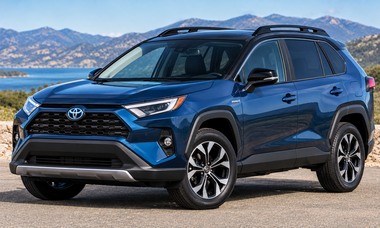
The fifth-generation RAV4 Hybrid introduced a substantially revised powertrain for 2019.
Its A25A-FXS 2.5-liter Dynamic Force gasoline four-cylinder engine works with Toyota's updated hybrid system and planetary e-CVT. The result is stronger performance and significantly improved fuel economy compared with the earlier generation.
The fifth-generation RAV4 Hybrid is generally an excellent SUV, but it has several documented problems that used-car buyers should understand.
The most consequential is corrosion at the high-voltage connection to the rear electric motor, commonly called Cablegate. Early models also experienced fuel-tank filling and roof-rail water-leak problems, while some vehicles have had 12-volt battery drain or coolant-system faults.
Importantly, these issues don't establish that the underlying gasoline engine or e-CVT is unreliable. They involve particular supporting components and electrical connections that can nevertheless be expensive to repair.
Common Problems on 2019–2025 Toyota RAV4 Hybrids
- High-voltage rear motor cable corrosion: Certain 2019–2024 AWD models can develop corrosion at the rear traction motor connection, potentially causing radio interference, hybrid warnings or a no-start condition.
- 12-volt battery drain: Some owners have reported discharged auxiliary batteries after the vehicle sits, sometimes involving battery condition, vehicle electronics or excessive electrical draw.
- Fuel-tank filling problems: Certain 2019–2021 models may accept less fuel than expected or display inaccurate fuel-level and distance-to-empty information.
- Coolant bypass-valve faults: A malfunctioning engine coolant control valve can trigger an Engine Maintenance Required message and related diagnostic trouble codes.
- Exhaust heat-exchanger coolant leaks: Some vehicles can develop coolant loss involving the exhaust heat recovery system, a separate problem from a defective coolant bypass valve.
- Roof-rail water leaks: Certain 2019–2021 vehicles can experience water intrusion through deteriorated roof-rail mounting-clip seals.
- Hybrid-system or auxiliary electrical faults: Battery, inverter, wiring or control-system problems can trigger warning messages or reduced-power operation and require accurate diagnosis.
- Brake, suspension and accessory complaints: Some owners report braking feel changes, suspension noises, rattles or electronic accessory problems that should be distinguished from normal operation.
What Is the Toyota RAV4 Hybrid "Cablegate" High-Voltage Corrosion Issue?
Cablegate is corrosion that develops at the high-voltage electrical connection between the RAV4 Hybrid's underbody wiring harness and its rear electric drive motor. It is one of the most important problems to investigate when buying a used fifth-generation RAV4 Hybrid.
The electronic all-wheel-drive system uses a separate rear electric motor. A high-voltage cable runs beneath the vehicle to supply that motor with electrical power.
Because the connector is exposed to road moisture, dirt and potentially corrosive winter road salt, certain vehicles can develop substantial corrosion around the connection.
Over time, corrosion may compromise the electrical connection or insulation of the rear drive system.
Possible symptoms include:
- Static or interference on AM radio during certain driving conditions
- Hybrid System Malfunction or related warning messages
- Stored high-voltage electrical or insulation-related diagnostic codes
- Abnormal operation of the rear electric drive system
- Failure to enter READY mode in more severe cases
These symptoms don't automatically prove cable corrosion, but they justify prompt inspection by a technician qualified to work on Toyota high-voltage systems.
Depending on the extent of damage and applicable coverage, repair can involve replacement of the affected cable or harness assembly. Without warranty or customer support coverage, repair costs can run into several thousand dollars.
Which Toyota RAV4 Hybrid Years Are Affected by Cablegate?
Toyota's Cablegate customer support program covers certain 2019–2024 RAV4 Hybrid AWD vehicles, making those years particularly important to investigate before purchase.
Toyota established Customer Support Program 22TE09 for excessive corrosion at the rear traction motor cable connection.
The program originally provided condition-specific coverage for eight years or 100,000 miles, whichever came first.
However, Toyota subsequently expanded the program and introduced Limited Service Campaign 25TD01, which provides a protective sealing treatment for eligible rear motor cable connections.
Under Toyota's updated program, eligible vehicles can receive coverage for 10 years with unlimited mileage if Limited Service Campaign 25TD01 is completed by September 30, 2028.
If the campaign isn't completed by that deadline, the coverage reverts to the original eight years or 100,000 miles, whichever comes first.
This distinction is particularly important for higher-mileage used RAV4 Hybrids. A vehicle that would otherwise be outside the original 100,000-mile limit may qualify for the expanded protection if the campaign requirements are satisfied.
Before buying a 2019–2024 RAV4 Hybrid, ask a Toyota dealer to check the VIN for:
- Eligibility under Customer Support Program 22TE09
- Eligibility and completion of Limited Service Campaign 25TD01
- Any previous rear motor cable or harness replacement
- Remaining coverage based on the original in-service date
- Any related diagnostic history or unresolved hybrid-system warnings
Although Toyota revised components and introduced protective measures, buyers shouldn't assume that every later fifth-generation RAV4 Hybrid is automatically immune to cable corrosion.
Important: Cablegate involves high-voltage electrical components. Buyers should not disconnect, open or attempt to clean the orange high-voltage connector themselves. Have the area inspected by a qualified technician following Toyota's safety procedures.
Why Does the 12-Volt Battery Keep Dying on a Toyota RAV4 Hybrid?
A RAV4 Hybrid's 12-volt battery can repeatedly discharge because of an aging battery, excessive electrical draw while parked, infrequent driving or a fault involving vehicle electronics. Certain fifth-generation vehicles have also been associated with software-related battery-drain complaints.
Unlike a conventional gasoline vehicle, the RAV4 Hybrid doesn't rely on an engine-driven alternator to charge its 12-volt battery. A DC-to-DC converter supplies low-voltage electrical power when the hybrid system is operating in READY mode.
The 12-volt battery is still essential. It powers control electronics and allows the vehicle to initialize the high-voltage hybrid system.
When the auxiliary battery is discharged, symptoms may include:
- Keyless entry failing to respond normally
- Dim interior lights or rapidly flickering dashboard lights
- Failure to enter READY mode
- Multiple warning messages during an attempted start
- A vehicle that operates normally after a jump-start but fails again after sitting
Some battery-drain complaints have involved the Data Communication Module (DCM) or other electronic systems that may remain active longer than intended. However, a weak battery or aftermarket accessory can produce similar symptoms.
A proper diagnosis should begin with testing the battery's condition and checking for excessive parasitic current draw after the vehicle's electronics have entered their normal sleep state.
Owners should also ask whether relevant software updates apply to their particular vehicle.
Continuous-recording dashcams, tracking devices and other aftermarket accessories can contribute to battery drain if they don't have appropriate low-voltage shutoff protection.
Buyer Tip: If a seller says the 12-volt battery repeatedly dies, don't assume that replacing it will solve the problem. Ask whether the cause of the discharge was identified and corrected.
Why Doesn't the Toyota RAV4 Hybrid Fuel Tank Fill All the Way to 14.5 Gallons?
Certain 2019–2021 Toyota RAV4 Hybrids experienced fuel-tank and fuel-gauge problems that could cause the pump to shut off earlier than expected or display an inaccurate fuel level.
Although these vehicles have a nominal 14.5-gallon fuel tank, owners sometimes reported being able to add substantially less fuel than expected after the gauge approached empty.
Toyota identified variations in fuel-tank shape and the position of the fuel sender gauge as contributing factors.
These conditions could cause the fuel gauge to display less than full after refueling or cause the distance-to-empty estimate to be lower than expected.
Toyota established Customer Support Program 20TE04 to address refueling performance concerns on eligible vehicles, with repairs involving the fuel tank and/or fuel sender assembly as appropriate.
It's important to distinguish a genuine fuel-tank or gauge problem from the normal reserve fuel that remains when the low-fuel warning appears. A 14.5-gallon tank isn't expected to accept 14.5 gallons every time the driver refuels.
However, persistent inability to fill the tank normally or a fuel gauge that never reads full after refueling deserves investigation.
Before purchasing an early fifth-generation RAV4 Hybrid, ask whether the vehicle was included in Program 20TE04 and whether the repair was completed.
What Causes the "Engine Maintenance Required" Warning on a RAV4 Hybrid?
On certain fifth-generation RAV4 Hybrids, an Engine Maintenance Required message can be caused by a malfunctioning engine coolant bypass valve. This valve helps direct coolant through different parts of the engine's thermal-management system.
Toyota's Technical Service Bulletin T-SB-0112-24 addresses certain 2019–2021 RAV4 Hybrids displaying this warning together with diagnostic trouble codes P268111 or P268115.
Code P268111 indicates an engine coolant bypass-valve circuit short to ground, while P268115 indicates a short to battery or open circuit.
Depending on the fault, the valve may not operate as intended, potentially affecting coolant routing or cabin heating.
The warning should not be ignored, but it also doesn't automatically mean that the engine itself has suffered damage.
Diagnosis should include checking the stored trouble codes and determining whether the coolant bypass valve, its wiring or another component is responsible.
When the valve is confirmed defective, the appropriate repair generally involves replacement of the affected valve assembly or related components.
Can the RAV4 Hybrid Exhaust Heat Exchanger Leak Coolant?
Yes. Some fifth-generation RAV4 Hybrids can develop coolant leaks involving the exhaust heat recovery system, and this is a separate problem from the coolant bypass valve.
The exhaust heat recovery system uses heat from the exhaust to help warm engine coolant more quickly, improving efficiency during cold operation.
A leak in the heat exchanger can allow coolant to escape into the exhaust system rather than appearing as an obvious puddle beneath the vehicle.
Potential warning signs include unexplained coolant loss, a low coolant reservoir, white exhaust vapor that persists beyond normal cold-start condensation or engine overheating.
Because these symptoms can have other causes, the cooling system should be pressure-tested and the source of coolant loss confirmed before replacing expensive components.
Continued operation with inadequate coolant can lead to serious engine damage, so unexplained coolant loss deserves prompt attention.
Why Does Water Leak Through the Roof Rails on a Toyota RAV4 Hybrid?
Certain 2019–2021 Toyota RAV4 Hybrids can develop water leaks around the roof-rail mounting clips when the seals deteriorate. Toyota documented this problem and introduced Customer Support Program 22TE05 to address eligible vehicles.
The roof rails are attached through mounting points in the roof. When the seals around these mounting clips no longer prevent water intrusion, rainwater can enter the vehicle around the roof structure.
Depending on where the leak develops, water may reach the headliner, pillars or interior trim.
Common warning signs include:
- Water stains or discoloration on the headliner
- Damp carpeting or interior trim after rain
- A musty smell inside the cabin
- Visible water dripping around the roof or pillar trim
- Intermittent electrical problems associated with water intrusion
Toyota's repair program addresses qualifying roof-rail water leaks and may include replacement of the affected mounting clips and inspection or repair of resulting water damage under the program terms.
Before buying a 2019–2021 RAV4 Hybrid, inspect the headliner and upper interior trim for stains, particularly after the vehicle has been exposed to rain.
Ask a Toyota dealer whether Customer Support Program 22TE05 applies to the VIN and whether any previous leak repairs were completed.
Buyer Tip: Don't dismiss a small headliner stain as merely cosmetic. Water intrusion can be difficult to trace, and repeated leaks may damage interior materials or electrical components.
Why Does a Toyota RAV4 Hybrid Lose Power or Stall While Driving?
A RAV4 Hybrid that suddenly loses power or enters reduced-power operation may have a fuel-delivery problem, hybrid-system electrical fault or another engine-control issue. The correct diagnosis depends on the symptoms, stored trouble codes and the vehicle's model year.
Some Toyota vehicles, including certain RAV4 Hybrid model years, were included in fuel-pump safety recalls involving pumps that could stop operating.
A failing fuel pump can interrupt gasoline delivery to the engine, potentially causing rough operation, loss of power, stalling or difficulty restarting.
However, not every power-loss complaint involves the fuel pump. A hybrid-system malfunction, high-voltage electrical fault, cooling-system problem or engine-management issue can produce similar symptoms.
The distinction matters because the repair procedures and costs can be very different.
If a RAV4 Hybrid experiences sudden power loss, the vehicle should be inspected promptly rather than driven repeatedly in the hope that the problem will disappear.
Before buying a used example, check the VIN for completed fuel-pump and other safety recalls, and investigate any history of stalling, reduced-power warnings or unexplained no-start conditions.
Buyer Tip: A seller's statement that the vehicle once lost power but has been fine since isn't enough. Ask for the diagnostic report and evidence of the completed repair.
Does the Toyota RAV4 Hybrid e-CVT Require Transmission Fluid Changes?
The Toyota RAV4 Hybrid's e-CVT contains transmission fluid, but Toyota doesn't specify a universal 60,000-mile replacement interval for every RAV4 Hybrid under normal driving conditions.
Unlike a conventional belt-driven CVT, Toyota's hybrid e-CVT uses a planetary power-split gearset and electric motor-generators.
This is an important distinction because the system doesn't rely on the same belt-and-pulley arrangement used in many conventional CVTs.
However, the transaxle still contains gears, bearings and electrical components that operate in a lubricated environment.
Some owners and independent technicians choose preventive drain-and-fill service at higher mileage, particularly when a vehicle is operated under demanding conditions.
A 60,000–90,000-mile preventive interval may be considered by owners who want additional maintenance beyond the normal schedule, but it shouldn't be presented as a Toyota requirement or a proven guarantee against transmission failure.
The correct fluid specification and procedure must be verified for the exact model year. Using an incorrect lubricant or improper filling procedure can create problems rather than prevent them.
Persistent whining, grinding, vibration or transmission-related diagnostic codes should be investigated rather than automatically attributed to old fluid.
Is the 2019–2025 RAV4 Hybrid More Reliable Than the Gasoline RAV4?
The fifth-generation RAV4 Hybrid has several mechanical advantages over the gasoline RAV4, but it also introduces hybrid-specific electrical components and potential repair expenses.
The hybrid uses Toyota's planetary e-CVT rather than the conventional eight-speed automatic fitted to many gasoline RAV4 models.
Its electric motors assist the gasoline engine during acceleration and recover energy during braking, reducing some operating demands on the engine and friction brakes.
The hybrid's electronic AWD system also avoids a conventional rear driveshaft.
However, the high-voltage traction battery, inverter, rear electric motor and associated wiring introduce components that the gasoline version doesn't have.
The Cablegate problem illustrates this tradeoff particularly well: a vehicle can have a durable gasoline engine and transmission yet still face an expensive electrical repair.
For buyers prioritizing fuel economy and long-term drivetrain durability, the RAV4 Hybrid remains an attractive choice. But a thorough hybrid-system inspection is especially important on older or higher-mileage examples.
Buyer Tip: On 2019–2025 RAV4 Hybrids, I'd make rear motor cable condition, applicable Toyota service campaigns, 12-volt battery operation, cooling-system condition and hybrid-system diagnostics part of the pre-purchase inspection. On early fifth-generation models, I'd also verify fuel-tank and roof-rail repair history.
Bottom Line: The fifth-generation RAV4 Hybrid combines an excellent gasoline-electric powertrain with strong fuel economy and everyday practicality. Its biggest concerns are generally identifiable components rather than a fundamentally weak engine or e-CVT. A properly inspected, well-maintained example can be an excellent long-term used SUV.
Best and Worst Toyota RAV4 Hybrid Years
What Are The Best RAV4 Hybrid Model Years To Buy?
The best Toyota RAV4 Hybrid years to consider are generally 2017–2018 and well-maintained 2022–2025 models, while 2019–2021 models deserve especially careful inspection. However, no RAV4 Hybrid model year is completely free of problems, and service history can matter more than a small difference in model year.
The older 2017–2018 models benefit from an established hybrid powertrain and avoid several problems associated with the fifth-generation redesign. Their main disadvantage is age, particularly the condition of the original hybrid battery.
The 2022–2025 models offer better fuel economy, stronger performance and more modern safety and convenience features. However, buyers should still verify high-voltage cable condition and applicable Toyota service campaigns rather than assuming that newer vehicles are automatically free of Cablegate concerns.
Which Toyota RAV4 Hybrid Years Are the Most Reliable?
The 2017–2018 RAV4 Hybrids are appealing older choices, while properly maintained 2022–2025 models are strong candidates for buyers seeking a newer vehicle.
2017–2018: These models use Toyota's established 2.5-liter hybrid powertrain and planetary e-CVT. They avoid the fifth-generation fuel-tank and roof-rail problems, although hybrid battery age, suspension wear and cooling-system condition deserve attention.
2022–2023: These offer the improved fifth-generation powertrain and modern features. They are worth considering, but high-voltage rear motor cable corrosion remains an important inspection item, and buyers should verify applicable Toyota programs.
2024–2025: These are attractive newer used-hybrid choices with less accumulated age and mileage. However, their shorter ownership history makes it premature to declare them the most reliable RAV4 Hybrids over a 200,000-mile lifespan.
For buyers planning to keep the vehicle for many years, I'd place greater importance on documented maintenance, a clean hybrid-system diagnostic report and completion of applicable service campaigns than on choosing one particular model year.
Which Toyota RAV4 Hybrid Years Should You Avoid or Inspect More Carefully?
The 2019–2021 RAV4 Hybrids deserve the closest inspection because they combine early fifth-generation problems with documented fuel-tank, roof-rail and high-voltage cable concerns. That doesn't mean every example should be avoided.
| Model Years | Main Concern | Buying Recommendation |
|---|---|---|
| 2016 | Oldest U.S. RAV4 Hybrid; battery age and general wear | Consider only with strong maintenance records and a healthy hybrid system. |
| 2017–2018 | Age-related battery, cooling-system and suspension concerns | Good older choices when properly maintained and inspected. |
| 2019 | First-year redesign; cable corrosion, fuel-tank and roof-rail concerns | Inspect carefully and verify Toyota repair-program history. |
| 2020–2021 | Cable corrosion, fuel-tank filling problems, roof leaks and electrical complaints | Worth considering after documented repairs and a thorough inspection. |
| 2022–2023 | Potential rear motor cable corrosion and other fifth-generation issues | Strong candidates, but verify cable condition and service-program eligibility. |
| 2024 | Certain vehicles included in expanded cable-corrosion program | Promising newer choice; confirm VIN-specific coverage. |
| 2025 | Limited long-term ownership history | Appealing newer choice, but long-term reliability is not yet established. |
Bottom Line: I wouldn't automatically reject a 2019–2021 RAV4 Hybrid. A properly repaired and maintained example may be a better purchase than a neglected 2023 model. The important distinction is whether known problems have been addressed and whether the vehicle passes a thorough hybrid-specific inspection.
Knowing which RAV4 Hybrid model years to concentrate on is step 1. Step 2 is knowing how to actually get an excellent used RAV4 Hybrid price.
Is It Worth Buying a Toyota RAV4 Hybrid With 150,000 Miles?
Yes, a Toyota RAV4 Hybrid with 150,000 miles can still be a good used-car purchase if its hybrid battery, gasoline engine, e-CVT and electrical systems are healthy and the price reflects its mileage.
The RAV4 Hybrid's underlying powertrain is capable of substantial mileage, but buying a high-mileage hybrid requires a different financial calculation than buying a lower-mileage gasoline SUV.
At 150,000 miles, a RAV4 Hybrid may still have its original traction battery. That isn't necessarily a problem, but battery age and condition become increasingly important.
For a 2016–2018 model, the original battery is now old enough that a future replacement should be considered a realistic ownership expense rather than an unlikely possibility.
For a 2019–2024 model, the condition and coverage of the rear motor high-voltage cable are particularly important. An expensive cable repair can eliminate much of the savings from buying a higher-mileage example.
Before buying a RAV4 Hybrid with 150,000 miles or more, I'd want:
- Consistent engine oil-change and maintenance records
- A hybrid battery health evaluation
- A diagnostic scan of the engine, hybrid control and battery systems
- No unexplained coolant loss or overheating history
- No abnormal e-CVT or rear electric motor noises
- Verification of applicable Toyota recalls and service campaigns
- An independent inspection of suspension, brakes, tires and underbody corrosion
I'd also compare the asking price with the cost of a lower-mileage RAV4 Hybrid. If the savings are relatively small, the newer or lower-mileage vehicle may be the better value.
Buyer Takeaway: A 150,000-mile RAV4 Hybrid isn't automatically near the end of its useful life. But it should be priced as a high-mileage vehicle with potentially expensive hybrid components, not as though Toyota reliability eliminates future repair risks.
Toyota RAV4 Hybrid Maintenance and Repair Costs
The Toyota RAV4 Hybrid generally has reasonable routine maintenance costs for a compact SUV, but certain hybrid-specific repairs can be expensive. Its gasoline engine and planetary e-CVT are durable designs, and regenerative braking can reduce friction-brake wear under some driving conditions.
However, the high-voltage battery, inverter, rear electric motor and related electrical components require specialized diagnosis and can be costly to replace.
The following are broad estimated U.S. repair-cost ranges, including parts and labor. Actual prices vary considerably by model year, location, labor rates, replacement-part availability and whether repairs are performed at a Toyota dealer or an independent hybrid specialist.
| Repair or Service | Approximate Cost | What to Know |
|---|---|---|
| Engine oil and filter change | $70–$140 | Follow the model-year maintenance schedule and applicable driving-condition requirements. |
| 12-volt auxiliary battery replacement | $200–$450 | Battery specification and installation costs vary by year. |
| Hybrid battery cooling-system cleaning | $100–$300 | May cost less if only accessible intake or filter maintenance is needed. |
| Hybrid traction battery replacement | $2,000–$5,500+ | Varies widely between refurbished, aftermarket and new OEM battery options. |
| High-voltage rear motor cable or harness replacement | $3,000–$6,000+ | Applicable Toyota programs may cover qualifying repairs. |
| Engine coolant bypass-valve replacement | $350–$900 | Costs depend on the exact valve, model year and labor required. |
| Exhaust heat-exchanger repair | $1,000–$3,000+ | Can be expensive when major exhaust components require replacement. |
| e-CVT fluid drain and fill | $150–$350 | Optional preventive service in many normal-use situations; verify the correct fluid and procedure. |
| Water pump replacement | $400–$1,000+ | Varies with the pump involved and accessibility. |
| Brake pads and rotors, per axle | $300–$650 | Regenerative braking may reduce pad wear, but corrosion and normal wear still occur. |
| Suspension struts, per pair | $600–$1,300 | More relevant as mileage and vehicle age increase. |
These are budgeting estimates rather than verified quotes for a particular vehicle. Before making a purchase decision, obtain a written estimate for any suspected major repair.
Overall, the RAV4 Hybrid's routine maintenance costs are generally manageable, but the possibility of an expensive battery or high-voltage cable repair makes pre-purchase diagnosis particularly valuable. A well-maintained example with documented service-program repairs may offer excellent long-term value.
In addition, your trade-in allowance, if you are doing that, will also affect the overall potential cost analysis of moving into a RAV4 Hybrid (KBB versus Edmunds Appraisals - Which Is Better).
How Much Does a Toyota RAV4 Hybrid Battery Replacement Cost?
Replacing a Toyota RAV4 Hybrid traction battery can cost roughly $2,000–$5,500 or more, depending on the model year, battery type, replacement source and labor charges.
New original-equipment Toyota battery assemblies are generally more expensive than refurbished or aftermarket alternatives. However, a lower initial price doesn't necessarily make a replacement battery the better long-term value.
Refurbished batteries may contain previously used modules, and their remaining service life can vary significantly depending on the rebuilding process and warranty.
New replacement batteries generally provide greater confidence in long-term service, although actual pricing and availability should be confirmed for the specific vehicle.
The 2016–2018 models use a nickel-metal hydride traction battery. Later RAV4 Hybrids have used different battery configurations depending on model year and application, so replacement costs and compatibility should never be assumed to be identical.
Before approving a battery replacement, make sure the diagnosis confirms a traction battery problem rather than a failed 12-volt battery, cooling-system restriction, wiring fault or another hybrid-system issue.
Can You Replace Individual Toyota RAV4 Hybrid Battery Modules?
Individual battery modules can sometimes be repaired or replaced by hybrid battery specialists, but module-level repairs aren't necessarily a permanent solution to an aging battery pack.
When one module fails, other modules in the same pack may have experienced similar age-related deterioration.
Replacing only the weakest module may restore operation temporarily, but additional failures can develop if the remaining modules have significantly different capacities or internal resistance.
For an older RAV4 Hybrid that a buyer intends to keep for several more years, I'd compare the warranty and expected durability of a complete replacement battery with the lower initial cost of a module-level repair.
Is the Toyota RAV4 Hybrid More Expensive to Maintain Than the Gasoline RAV4?
Not necessarily. The RAV4 Hybrid can have comparable routine maintenance costs to the gasoline RAV4, and its regenerative braking system may reduce brake-pad wear.
The hybrid's planetary e-CVT also avoids the conventional belt-and-pulley mechanism used in some other vehicles, while the fifth-generation gasoline RAV4 uses a conventional eight-speed automatic transmission.
However, the hybrid adds a traction battery, inverter, electric motors and high-voltage wiring. Failures involving these components can be expensive even if they are relatively uncommon.
The hybrid's fuel savings may offset some ownership costs, especially for drivers who cover substantial mileage in city or mixed driving.
For used-car buyers, the better comparison isn't simply average annual maintenance. It's the purchase price, fuel savings, vehicle condition and potential cost of major repairs over the intended ownership period.
Used Toyota RAV4 Hybrid Inspection Checklist
In addition to the normal used-car inspection items, pay particular attention to these potential Toyota RAV4 Hybrid-specific trouble spots.
- Hybrid traction battery: Request a battery health evaluation and scan for stored hybrid battery diagnostic codes, particularly on older or high-mileage vehicles.
- Rear motor high-voltage cable: On 2019–2024 AWD models, have a qualified technician inspect for corrosion and verify the status of Customer Support Program 22TE09 and Limited Service Campaign 25TD01.
- Hybrid battery cooling: Check for blocked cooling-air intakes, excessive dust or pet hair, abnormal fan noise and evidence of cooling-system maintenance.
- 12-volt battery: Confirm that the vehicle enters READY mode consistently and doesn't have a history of unexplained battery discharge after sitting.
- Fuel-tank filling: On 2019–2021 models, ask whether the vehicle has experienced incomplete refueling or inaccurate fuel-level readings and whether applicable Toyota repairs were completed.
- Coolant bypass valve: Check for Engine Maintenance Required messages and relevant diagnostic codes, particularly on early fifth-generation vehicles.
- Exhaust heat exchanger: Look for unexplained coolant loss, persistent abnormal exhaust vapor or a history of cooling-system repairs.
- Roof-rail water intrusion: On 2019–2021 vehicles, inspect the headliner, pillars and interior trim for water stains or dampness and verify any roof-rail repair history.
- e-CVT and electric drive operation: Listen for persistent abnormal whining, grinding or vibration during acceleration, cruising and regenerative braking.
- Hybrid-system warning history: Investigate any previous Hybrid System Malfunction messages, reduced-power events or unexplained no-start conditions.
- VIN-specific Toyota records: Verify completed safety recalls, customer support programs, service campaigns and any applicable warranty coverage.
Inspection Recommendation: I'd strongly favor a pre-purchase inspection by a Toyota dealer or an independent technician experienced with Toyota hybrids, particularly when buying a high-mileage example. A standard inspection that doesn't include hybrid-system diagnostics can overlook some of the most expensive potential problems.
Toyota RAV4 Hybrid Alternatives to Consider
Honda CR-V Hybrid: The Honda CR-V Hybrid is a natural alternative for buyers who want a practical, fuel-efficient compact SUV. Its hybrid system uses a different powertrain arrangement, and its shorter U.S. ownership history means older high-mileage comparisons are less established than those for the RAV4 Hybrid.
Toyota Highlander Hybrid: The Highlander Hybrid offers more passenger and cargo space, along with a long history of Toyota hybrid technology. It can be an appealing alternative for families, although purchase prices, tires and certain repairs may cost more than those of the smaller RAV4.
Ford Escape Hybrid: The Escape Hybrid has a long history in the United States and can offer good fuel economy at an attractive used price. However, buyers should carefully evaluate the specific generation, hybrid system and maintenance history rather than assuming all Escape Hybrids have identical reliability.
Gasoline Toyota RAV4: The conventional RAV4 avoids the hybrid battery and high-voltage rear motor cable, making it worth considering for buyers who prioritize mechanical simplicity over maximum fuel economy. The better choice depends on the model year, condition, purchase price and expected annual mileage.
Final Verdict: Is a Used Toyota RAV4 Hybrid a Good Car to Buy?
Yes. A used Toyota RAV4 Hybrid is generally an excellent choice for buyers seeking a reliable, fuel-efficient SUV that can provide many years of service. Its durable gasoline engines, proven hybrid technology and planetary e-CVT give it a strong foundation for long-term ownership.
For an older, lower-priced example, I'd favor a well-maintained 2017–2018 model with a healthy traction battery and good service records. Among newer vehicles, properly inspected 2022–2025 models are especially appealing, although their long-term reliability histories are still developing.
I'd be more cautious with 2019–2021 models because of their documented cable corrosion, fuel-tank and roof-rail concerns. However, these years aren't automatic rejects. A vehicle with completed Toyota repairs, a healthy hybrid system and a favorable price may still be an excellent purchase.
The key is to buy based on condition and documented repairs rather than model year alone. With proper maintenance, a thorough hybrid-specific inspection and realistic expectations about battery aging, the RAV4 Hybrid remains one of the more compelling used hybrid SUVs to consider.
Also, still comparing Toyota models? See our Toyota reliability guide for the best used Toyota models and years, common problems to watch for, and how the major Toyota models compare.
Your Trade-In
It's good to always know the value of your trade-in while you're evaluating your next possible purchase. Here's a good source for a quick and accurate appraisal: free trade-in appraisal.