

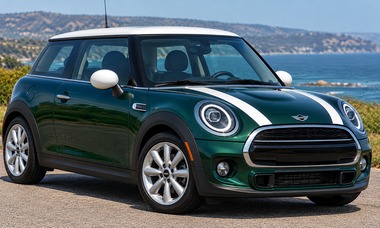
The Mini Cooper can be a reliable and genuinely enjoyable used car, but reliability varies dramatically depending on the generation, engine, transmission and maintenance history. Newer models have developed a much better reliability record than many older Minis, while some second-generation cars earned their poor reputation through expensive timing-chain, fuel-system, cooling-system and oil-leak problems.
That means the familiar advice that "Mini Coopers are unreliable" is too broad to be useful. A well-maintained newer Mini can make a very good used-car choice, while an inexpensive older example with questionable maintenance can quickly cost more in repairs than its purchase price suggests.
This guide covers Mini Cooper Hardtop models from 2002 through 2024, including the standard Cooper and higher-performance Cooper S. It explains which generations are most reliable, which years deserve extra caution, how long a Mini Cooper can realistically last, the major mechanical problems to watch for and what you should inspect before buying one.
In This Guide You'll Learn
- How reliable Mini Coopers are overall
- How many miles a Mini Cooper can last
- Which Mini Cooper generations are the most reliable
- Which model years are best to buy and which deserve extra caution
- Common engine, transmission, cooling-system, fuel-system and suspension problems
- Why some older turbocharged Mini Coopers have timing-chain problems
- What to know about the first-generation CVT automatic transmission
- Which Mini Cooper engines and powertrains are the safer used-car choices
- What maintenance and repairs can cost as the car gets older
- What to inspect before buying a used Mini Cooper
However, if you're also considering a brand-new Mini or other new vehicle, you may want to come back to this and take a look at a handy technique that locates the dealer most ready to make concessions.
Mini Cooper Reliability Overview
Mini Cooper reliability is best understood as a story of three very different generations. The first-generation 2002–2006 Mini Cooper (R50/R53) is now an aging enthusiast car with some known weaknesses but relatively straightforward mechanical systems. The second-generation 2007–2013 Mini Cooper is the period most responsible for Mini's reputation for expensive repairs. The third-generation 2014–2024 Mini Cooper is substantially improved and is generally the safest choice for someone who wants Mini styling and handling without accepting as much mechanical risk.
The first-generation Mini can still be appealing, particularly with a manual transmission and good maintenance records. However, these cars are now old enough that age-related repairs matter as much as their original design. Power steering, cooling systems, suspension bushings, oil leaks, engine mounts and neglected maintenance can all become issues. The continuously variable automatic transmission used in some standard Cooper models is an especially important consideration for used-car shoppers.
The second generation requires much more careful selection. Turbocharged Cooper S models in particular can suffer from timing-chain wear, high-pressure fuel-pump problems, intake-valve carbon buildup, cooling-system leaks, oil leaks and other problems that can turn a cheap used Mini into an expensive project. Later examples received important mechanical revisions, but maintenance history remains critical.
The third generation represents a major improvement. It uses a newer family of BMW-designed turbocharged three- and four-cylinder engines and generally has fewer serious mechanical trouble spots. Cooling-system components, engine mounts, suspension parts, electronics and normal age-related repairs still deserve attention, but a properly maintained third-generation Mini is a much easier used-car recommendation than many earlier examples.
Mini Cooper Reliability at a Glance
| Category | What Used-Car Buyers Should Know |
|---|---|
| Overall Reliability | Highly dependent on generation. Third-generation models are substantially improved over many 2007–2013 cars. |
| Expected Lifespan | About 150,000–200,000 miles is realistic with good maintenance, while well-kept examples can exceed 200,000 miles. |
| Best Overall Generation | 2014–2024 third-generation models, especially later examples with documented maintenance. |
| Generation Requiring the Most Caution | 2007–2013 second-generation models, particularly earlier turbocharged Cooper S versions. |
| Major Problems to Watch | Timing-chain wear, cooling-system leaks, high-pressure fuel-pump problems, carbon buildup, oil leaks, suspension wear and first-generation CVT problems. |
| Best Transmission Choice on Older Cars | A well-maintained manual transmission generally avoids the additional risk associated with the first-generation CVT automatic. |
| Maintenance Sensitivity | High. Oil-change history, cooling-system maintenance, correct fluids and prompt repairs matter considerably. |
How Many Miles Can a Mini Cooper Last?
A well-maintained Mini Cooper can realistically last 150,000 to 200,000 miles, and some examples continue beyond 200,000 miles. That is a potential lifespan for the vehicle rather than a promise that its original engine, transmission, turbocharger, cooling system and other components will all reach that mileage without repairs.
At 100,000 miles, maintenance history becomes increasingly important. Cooling-system condition, oil leaks, engine mounts, suspension wear and previous engine or transmission repairs should all be reviewed. On older turbocharged models, determine whether known timing-chain, fuel-system and carbon-buildup concerns have already required attention.
At 150,000 miles, condition and repair history usually matter more than the number on the odometer. A 150,000-mile Mini with documented cooling-system, suspension and engine repairs can be a better purchase than a lower-mileage example that still needs all of that work.
At 200,000 miles, continued ownership is certainly possible, but the generation matters. Newer third-generation cars have the strongest prospects for reaching very high mileage economically, while an older Mini may require enough age-related repairs that continued ownership becomes more of an enthusiast decision. Reaching 250,000 miles is possible for an exceptional car, but it should be viewed as a favorable individual outcome rather than a normal expectation for every Mini Cooper.
Mini Cooper Reliability by Generation
First Generation: 2002–2006 Mini Cooper
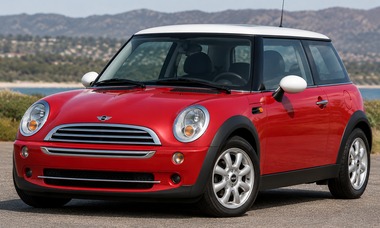
The 2002–2006 Mini Cooper is now old enough that current reliability depends heavily on previous ownership. These cars are mechanically simpler than the turbocharged models that followed, but virtually every surviving example is around two decades old. Rubber components, seals, cooling-system parts, suspension components, electrical connections and the quality of previous repairs therefore matter as much as the original engineering.
The standard Cooper used a naturally aspirated 1.6-liter four-cylinder engine, while the Cooper S used a supercharged 1.6-liter four-cylinder. Neither has the direct-injection and turbocharger-related complexity that became important in the next generation. A well-maintained manual-transmission example can therefore still be a rewarding older Mini.
The biggest caveat for the standard Cooper is its optional continuously variable automatic transmission. The CVT has a much less reassuring long-term record than the manual gearbox, and a failure can be disproportionately expensive relative to the value of an older car.
Common Problems on 2002–2006 Mini Coopers
- CVT automatic transmission problems: Hesitation, shuddering, slipping, warning lights or loss of drive can make an inexpensive standard Cooper uneconomical to repair.
- Power-steering failures: Some 2002–2005 cars were affected by failure of the electro-hydraulic power-steering system and were eventually included in a safety recall.
- Cooling-system deterioration: Aging water pumps, thermostats, hoses, expansion tanks and other components can cause coolant loss or overheating.
- Oil leaks: Aging gaskets and seals can produce leaks that range from minor seepage to repairs that should not be postponed.
- Suspension and steering wear: Control-arm bushings, ball joints, sway-bar links, strut mounts and other components can cause clunks, looseness and uneven tire wear.
- Engine and transmission mounts: Deteriorated mounts can contribute to vibration, movement and harshness as these cars age.
- Supercharged Cooper S maintenance: Higher-mileage Cooper S models deserve additional attention to the supercharger, cooling system and associated components.
Is the First-Generation Mini Cooper CVT Reliable?
The CVT automatic used in first-generation standard Mini Coopers is one of the major reasons to be cautious when shopping for these cars. Transmission problems can include hesitation, shuddering, slipping, abnormal noises, poor acceleration, warning lights or eventual loss of drive.
A functioning CVT does not mean failure is imminent, but its repair risk needs to be considered against the relatively low value of most 2002–2006 cars. Transmission replacement or major repair can make an otherwise inexpensive Mini uneconomical to keep.
If you are considering an automatic first-generation Mini, insist on an extended road test from cold and after the transmission is fully warmed. Acceleration should be smooth and predictable without severe hesitation, shuddering, warning lights or unusual transmission noise.
Why Does the Power Steering Fail on 2002–2005 Mini Coopers?
Some 2002–2005 Mini Coopers can suddenly lose power-steering assistance because of failure in the electro-hydraulic power-steering system. The problem became significant enough that affected vehicles were eventually recalled.
The steering does not normally become physically disconnected when assistance is lost, but steering effort can increase sharply, particularly at low speeds. That can surprise a driver and makes this more than a minor convenience problem.
When inspecting one of these cars, verify that the steering assistance feels consistent, listen for abnormal power-steering pump noise and check the VIN to confirm that applicable recall work was completed. A seller saying that "they all make that noise" should not substitute for proper diagnosis.
What Causes Clunking and Loose Steering on an Older Mini Cooper?
Worn control-arm bushings, ball joints, sway-bar links, strut mounts and other suspension components are common causes of clunks or loose steering in an older Mini Cooper. The car's firm suspension and responsive handling make deterioration especially noticeable.
Symptoms can include wandering on the highway, steering that follows pavement grooves, uneven tire wear, vibration, knocking over small bumps or a less precise feel than a Mini should have. At this age, replacing worn suspension components should be viewed as normal rehabilitation rather than proof that the entire model is unreliable.
Look carefully at tire wear during a pre-purchase inspection. Uneven wear can reveal alignment or suspension problems that are not immediately obvious during a short test drive.
Buyer Tip: If two otherwise comparable first-generation Minis are available, the manual-transmission car is generally the lower-risk choice. Give preference to a car with documented cooling-system, steering and suspension work rather than assuming lower mileage automatically means fewer future repairs.
Bottom Line: The first-generation Mini Cooper can still be an enjoyable used car, especially with a manual transmission, but it should now be purchased on condition rather than reputation. A well-kept car with extensive maintenance records can be worth considering. A neglected example with a questionable CVT, steering problems, cooling leaks and worn suspension can quickly become more expensive than buying a better car in the first place.
Second Generation: 2007–2013 Mini Cooper
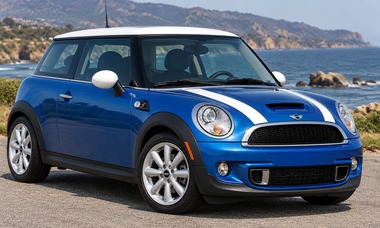
The second-generation 2007–2013 Mini Cooper (R56) is the generation that requires the most caution from used-car buyers. These cars introduced newer engines and, on Cooper S models, turbocharging and direct fuel injection. They delivered strong performance and better fuel economy, but the additional complexity also created several of the mechanical problems most closely associated with Mini's poor reliability reputation.
The standard Cooper used a naturally aspirated 1.6-liter four-cylinder engine. Earlier Cooper S models used a turbocharged 1.6-liter four-cylinder engine (N14), which is particularly important to used-car shoppers because of its history of timing-chain, high-pressure fuel-pump, carbon-buildup, oil-leak and other problems. Later Cooper S models received a revised turbocharged 1.6-liter four-cylinder that addressed some weaknesses but did not eliminate the need for careful maintenance.
That does not make every 2007–2013 Mini Cooper a bad car. It does mean that service history, engine choice, model year and evidence of completed repairs matter much more than they do on many competing small cars.
Common Problems on 2007–2013 Mini Coopers
- Timing-chain wear: Earlier turbocharged Cooper S models can develop chain, guide and tensioner wear that may produce a metallic cold-start rattle and, if severe, incorrect engine timing.
- High-pressure fuel-pump failure: Long cranking, hesitation, reduced power and fuel-pressure faults can occur on some turbocharged direct-injected cars.
- Intake-valve carbon buildup: Deposits can contribute to rough cold starts, misfires, hesitation and declining performance on direct-injected engines.
- Thermostat housing and cooling-system problems: Coolant leaks, thermostat faults and deterioration of plastic cooling-system components deserve careful inspection.
- Oil leaks and oil consumption: Check the oil level, look for active leaks and ask how much oil is added between changes.
- Water-pump problems: Coolant loss or overheating should be investigated promptly rather than treated as normal behavior for an older Mini.
- Suspension and engine-mount wear: Clunks, vibration, loose handling and uneven tire wear become increasingly common as mileage rises.
Why Do Some Second-Generation Mini Coopers Suffer From Timing Chain Failure?
Earlier turbocharged second-generation Mini Cooper S models can develop timing-chain problems because wear in the chain, guides and tensioning system allows excessive slack to develop. One of the classic warning signs is a metallic rattling noise shortly after a cold start, sometimes described by owners as the Mini "death rattle."
The problem is particularly associated with earlier versions of the turbocharged 1.6-liter engine. MINI issued service information addressing timing-chain tensioner concerns and later provided extended warranty coverage for certain affected vehicles.
A worn timing chain should not be dismissed as merely an annoying startup noise. Excessive chain slack can disrupt camshaft timing, trigger a check-engine light or camshaft/crankshaft correlation fault and, in a severe case, allow the engine to jump timing. Because internal engine damage can result when valve and piston movement is no longer correctly synchronized, an unresolved timing-chain problem can become much more expensive than replacing worn timing components.
When considering an earlier Cooper S, start the engine completely cold. A seller who has already warmed the engine before you arrive can unintentionally—or intentionally—hide a startup symptom that would have been obvious several hours earlier.
Also ask specifically whether the timing chain, guides and tensioner have been replaced and request documentation. A properly completed repair can actually make an older car more attractive than an apparently untouched example with fewer miles.
Are High-Pressure Fuel Pump Failures Common on Turbocharged Mini Coopers?
High-pressure fuel-pump failure is a recognized problem on some direct-injected second-generation turbocharged Mini Cooper S models. Symptoms can include unusually long cranking before the engine starts, rough running, hesitation, reduced power, engine warning lights or difficulty accelerating under load.
The high-pressure pump is necessary because direct fuel injection requires fuel to be delivered at much greater pressure than a conventional port-injection system. When the pump deteriorates, the engine may still run normally under some conditions but fail to maintain adequate fuel pressure when demand increases.
MINI provided extended high-pressure fuel-pump warranty coverage for certain vehicles, including specified 2011–2012 models. That historical coverage is useful evidence that the problem was recognized, but most of these cars are now well beyond the applicable time limits.
For today's used-car buyer, the more useful question is whether the car starts promptly when cold, accelerates cleanly, has stored fuel-pressure faults and has documentation showing whether the pump has already been replaced.
How Often Do Mini Cooper Direct-Injection Engines Need Carbon Cleaning?
There is no universal mileage interval at which every direct-injected Mini Cooper requires carbon cleaning. Intake-valve deposits should be evaluated based on symptoms, operating conditions and actual deposit buildup rather than assuming that walnut blasting is automatically required at a particular odometer reading.
Carbon buildup became a particularly well-known concern on the turbocharged direct-injected engines used in second-generation Cooper S models. Because fuel is injected directly into the combustion chamber, gasoline does not continuously wash over the back of the intake valves as it does in a traditional port-injected engine. Oil vapor and combustion residue can therefore accumulate on the valves.
Possible symptoms include rough cold starts, intermittent misfires, an uneven idle, hesitation, reduced throttle response or a gradual loss of performance. These symptoms can have other causes, however, so carbon buildup should be diagnosed rather than assumed.
Walnut-shell blasting is a common method of removing substantial intake-valve deposits. A car that has already received documented intake cleaning is not necessarily a car to avoid; on an older direct-injected Mini, it can simply indicate that a known maintenance issue has already been addressed.
What Causes Coolant Leaks and Overheating on Second-Generation Mini Coopers?
Coolant loss on a second-generation Mini Cooper can come from the thermostat housing, water pump, hoses, connections or other aging cooling-system components. Plastic components exposed to repeated heat cycles deserve particular attention as these cars get older.
A small leak may not immediately produce a large puddle. Coolant can escape slowly, evaporate on hot engine components or leave dried residue around the source. Repeatedly topping off the reservoir without finding the cause is not a repair.
MINI also issued service information concerning thermostat and coolant-temperature-sensor problems on certain cars. A warning light or abnormal temperature reading therefore needs diagnosis rather than an assumption that the engine is actually overheating—or that it is safe because the warning later disappears.
Before buying, inspect the coolant level when the engine is cold, look for dried coolant residue and ask about previous thermostat, water-pump and cooling-system repairs. Any history of serious overheating deserves additional scrutiny because excessive heat can create engine damage far beyond the original leaking component.
Buyer Tip: Service records matter enormously on a second-generation Mini Cooper. An earlier Cooper S with documented timing-chain, fuel-system and cooling-system work may be preferable to a lower-mileage car that has never had those problems addressed. Always arrange a genuinely cold start before buying.
Bottom Line: The second-generation Mini Cooper is the hardest generation to recommend without qualifications. Later and carefully maintained examples can still be enjoyable cars, but earlier turbocharged Cooper S models carry enough known mechanical risks that a low purchase price alone should never make the decision. Buy on documented maintenance and condition, not appearance or mileage alone.
Third Generation: 2014–2024 Mini Cooper
The third-generation 2014–2024 Mini Cooper (F56) marked a significant mechanical change and a substantial improvement in overall reliability. Standard Cooper models use a turbocharged 1.5-liter three-cylinder engine, while Cooper S models use a turbocharged 2.0-liter four-cylinder engine (B48). These newer BMW-designed engines generally have a stronger reliability record than the troublesome turbocharged engine used in many second-generation Cooper S models.
That improvement is important for used-car buyers. The third generation still requires proper maintenance and can still develop expensive problems, but it no longer deserves to be treated as mechanically equivalent to the Minis that created the brand's worst reliability reputation.
Age is beginning to matter on early examples. A 2014 or 2015 car is now old enough for engine mounts, cooling-system components, suspension parts, batteries, seals and electronics to require attention even when the basic engine and transmission remain healthy.
Common Problems on 2014–2024 Mini Coopers
- Engine-mount deterioration: Excess vibration or movement can develop as the mounts wear, particularly as mileage accumulates.
- Cooling-system leaks and thermostat faults: Water pumps, thermostats, hoses and plastic connections still deserve inspection despite the generation's improved overall reliability.
- Suspension wear: Bushings, links, mounts and other components can produce clunks, uneven tire wear or reduced steering precision.
- Oil leaks: Check for seepage around gaskets, seals and other engine components, particularly on older examples.
- Electronic and accessory faults: Infotainment, sensors, switches and convenience equipment should all be tested before purchase.
- Vibration or accessory-drive noise: Abnormal engine vibration or noises from belts, pulleys or the vibration damper should be diagnosed rather than dismissed.
Are 2014–2024 Mini Coopers More Reliable Than Older Models?
Yes. The 2014–2024 Mini Cooper is generally more reliable than the second-generation model and is the best starting point for most used-car shoppers. The newer engine family eliminated several of the specific trouble spots that made earlier turbocharged Minis difficult to recommend.
That does not mean every third-generation car is equally good. Early examples are now more than a decade old, maintenance history still matters and neglected cooling-system or oil leaks can become expensive if allowed to continue.
However, the overall risk profile is different. A used-car shopper does not need to approach every third-generation Cooper S assuming that major timing-chain, high-pressure fuel-pump and carbon-buildup repairs are simply part of the purchase.
Do Third-Generation Mini Coopers Have Cooling-System Problems?
Cooling-system problems can still occur on third-generation Mini Coopers, but they should not be treated as evidence that these cars have the same reliability problems as the previous generation. Thermostats, water pumps, hoses and plastic cooling-system connections remain wear items exposed to repeated heat cycles.
Check for low coolant, dried residue, warning messages, a history of overheating and evidence that the owner has repeatedly topped off the system. A properly diagnosed and repaired cooling leak is preferable to a seller who says the car "just uses a little coolant."
Because overheating can turn a relatively ordinary cooling-system repair into major engine damage, any Mini with a documented overheating history deserves a more thorough inspection.
What Causes Excessive Vibration in a Newer Mini Cooper?
Worn engine mounts are one possible cause of excessive vibration in a newer Mini Cooper, although abnormal vibration should be diagnosed before parts are replaced. Mount deterioration can allow more engine movement and transmit vibration into the body, particularly at idle or when shifting between drive and reverse.
Other causes can include ignition problems, drivetrain components or accessory-drive issues. MINI has also issued service information addressing specific vibration and noise concerns on newer engines, so the exact symptom matters.
During a test drive, let the car idle with the climate control both on and off, shift through the available drive positions and listen for clunks or excessive movement. A mild three-cylinder engine character should not be used to dismiss a severe shake or obvious mechanical vibration.
Buyer Tip: For most buyers who want a Mini Cooper as regular transportation rather than as an older enthusiast car, the third generation is the place to start. Maintenance records still matter, but a well-kept example generally presents substantially less mechanical risk than an earlier turbocharged Mini.
Bottom Line: The third-generation Mini Cooper is the strongest overall used-car choice covered in this guide. It combines the handling and personality buyers expect from a Mini with a considerably improved reliability record. Early examples still need age-related inspection, but this generation demonstrates why it is no longer accurate to assume that every used Mini Cooper is inherently unreliable.
What Are the Best Mini Cooper Years to Buy?
For most used-car buyers, the best Mini Cooper years are in the third generation, with 2016–2024 models generally providing the strongest combination of reliability, modern features and driving enjoyment. A well-maintained 2014 or 2015 can also be a good purchase, but moving a little farther into the generation gives buyers some distance from the earliest production years.
The best year for you also depends on what you want from the car. Someone looking for inexpensive everyday transportation should approach the decision differently from an enthusiast specifically seeking an older supercharged Cooper S.
2016–2019 Mini Cooper
These are strong starting points for shoppers who want a used Mini without moving into the newest and most expensive cars. By this point, the third-generation platform and its newer turbocharged engines were established, while prices can be considerably lower than those of late-model examples.
Condition still matters. Check the cooling system, engine mounts, suspension, oil leaks and electronics, and do not assume a newer generation makes maintenance history irrelevant.
2020–2024 Mini Cooper
Later third-generation cars are generally the easiest Minis covered in this guide to recommend. They benefit from the more mature version of the newer platform while avoiding the age-related deterioration increasingly affecting older examples.
They also tend to cost substantially more, so the reliability advantage has to be weighed against purchase price. A carefully maintained 2017 car can still make more financial sense than stretching the budget for a newer Mini.
2005–2006 Mini Cooper With a Manual Transmission
For someone who specifically wants the character of the original modern Mini, a late first-generation manual-transmission car can be appealing. The standard Cooper avoids the complexity of the later turbocharged engines, while the supercharged Cooper S offers performance with a very different mechanical character from later Minis.
These cars should now be treated as older enthusiast vehicles rather than inexpensive alternatives to a newer economy car. Condition, rust, cooling-system repairs, power-steering history and suspension condition matter more than choosing between two adjacent model years.
Best Overall Choice: If reliability is the priority, I would start with a well-maintained 2016 or newer Mini Cooper. Buyers with a larger budget can move later in the third generation, while enthusiasts willing to accept age-related repairs may still find a good late first-generation manual-transmission car worthwhile.
Knowing which model years to concentrate on is step 1. Step 2 is knowing how to get a good used RAV4 price.
Which Mini Cooper Years Should You Avoid?
The Mini Cooper years I would approach most cautiously are the earlier second-generation cars, particularly 2007–2010 Cooper S models with the earlier turbocharged 1.6-liter engine. They combine several expensive potential problems, including timing-chain wear, high-pressure fuel-system trouble, intake-valve carbon buildup, cooling-system repairs and oil leaks.
"Avoid" does not mean every one of these cars will fail. A properly maintained example that has already received important repairs can be a better purchase than a neglected car from a supposedly safer year. The problem is that an inexpensive example with incomplete records can expose a buyer to several expensive repairs in a short period.
2007–2010 Mini Cooper S
These are the cars I would scrutinize most carefully. A cold-start timing-chain rattle, long cranking, fuel-pressure faults, recurring misfires, unexplained coolant loss or evidence of poor oil-change habits should not be dismissed simply because the car drives well during a short test.
A documented timing-chain replacement, fuel-system repair or intake-valve cleaning can actually improve the case for a particular car. What I would avoid is paying normal retail money for an example with no records and assuming that low mileage means the known problems will not occur.
2002–2006 Mini Cooper With the CVT Automatic
The first-generation standard Cooper with the continuously variable automatic transmission also deserves extra caution. A good example can continue operating normally, but the financial consequences of a major transmission problem are difficult to justify on a car with relatively little market value.
If you specifically want an early Mini, I would generally prefer a manual-transmission example. Any CVT car showing hesitation, shuddering, slipping, warning lights or unusual noises should receive a proper diagnosis before purchase.
Should You Avoid Every 2007–2013 Mini Cooper?
No. The entire second generation should not be treated as equally unreliable. Later cars received revised engines and other changes, and an individual Mini with excellent maintenance records can be a reasonable purchase.
However, even a later second-generation car deserves more scrutiny than a comparable third-generation example. The purchase price should reflect both its condition and the possibility of above-average repair costs.
Buyer Takeaway: If your main objective is dependable everyday transportation, there is usually little reason to choose a questionable second-generation Mini merely because it costs several thousand dollars less than a good third-generation car. One major engine, cooling-system or fuel-system repair can quickly consume that savings.
How Much Does a Mini Cooper Cost to Maintain and Repair?
Mini Cooper maintenance costs are generally higher than those of mainstream small cars such as the Toyota Corolla or Honda Civic, and major repairs can be expensive because the Mini uses BMW-group engineering and has a tightly packaged engine compartment. Costs vary considerably by generation, engine, local labor rates and whether the work is performed by a dealer, independent Mini/BMW specialist or general repair shop.
Routine maintenance by itself does not necessarily make a Mini prohibitively expensive. The greater financial risk comes when an inexpensive older car needs several deferred repairs at once. A timing-chain repair, cooling-system work, suspension repairs and an oil leak can quickly overwhelm the apparent savings of buying the cheapest Mini available.
| Service or Repair | Typical Estimated Cost |
|---|---|
| Oil and filter change | $100–$180 |
| Brake pads and rotors | $450–$900 per axle |
| Spark plugs | $200–$400 |
| Engine mount replacement | $400–$900 |
| Control-arm or suspension-bushing work | $500–$1,200+ |
| Thermostat or cooling-system repair | $500–$1,200+ |
| Water pump replacement | $600–$1,300+ |
| Intake-valve carbon cleaning | $500–$900 |
| Timing-chain repair on applicable older models | $1,200–$2,500+ |
| High-pressure fuel-pump replacement | $800–$1,600+ |
| Major automatic transmission repair or replacement | $3,000–$6,000+ |
| Major engine repair or replacement | $4,000–$8,000+ |
These are broad independent-shop estimates rather than fixed prices. Labor rates, parts choices, diagnosis and the amount of related work required can move the actual bill substantially higher or lower.
Is a Mini Cooper Expensive to Maintain?
A Mini Cooper is usually more expensive to maintain than a conventional economy car, but a good third-generation example does not necessarily have to be expensive to own. The biggest difference is that neglect tends to become costly quickly.
A small oil or coolant leak should be investigated before it becomes a larger problem. Worn mounts and suspension components should not be allowed to accumulate until the car needs several thousand dollars of work at once. Regular oil changes are particularly important on turbocharged engines.
An independent repair shop familiar with Mini and BMW vehicles can make ownership considerably more manageable once the factory warranty has expired. Specialized knowledge is valuable because replacing parts without correctly diagnosing the underlying problem can become expensive very quickly.
Buyer Tip: Documented recent repairs have real value on an older Mini. A seller who has already paid for cooling-system work, engine mounts, suspension repairs, brakes or a properly diagnosed engine problem may be offering a better car than a lower-mileage example that still has all of those expenses ahead.
Bottom Line: Buy the best-maintained Mini you can afford and leave room in the budget for repairs. The cheapest example is frequently not the cheapest Mini to own.
In addition, your trade-in allowance, if you are doing that, will also affect the overall potential cost analysis of moving into a Mini (KBB versus Edmunds Appraisals - Which Is Better).
Mini Cooper Used-Car Inspection Checklist
In addition to the normal used-car inspection items, pay particular attention to these potential Mini Cooper-specific trouble spots. The most important checks depend on the generation and engine, so make sure the inspection addresses the particular Mini you're considering.
- Listen to an early second-generation Cooper S from a completely cold start: A metallic rattle during the first seconds after startup can point to timing-chain, guide or tensioner wear. Do not let a pre-warmed engine substitute for a true cold-start test.
- Check earlier turbocharged models for long cranking and fuel-pressure symptoms: Slow starting, hesitation under acceleration, reduced power or stored fuel-pressure faults can indicate a high-pressure fuel-pump problem.
- Look for symptoms of intake-valve deposits on second-generation turbocharged cars: Rough cold starts, recurring misfires, uneven idle or hesitation can justify further diagnosis for carbon buildup rather than simply replacing ignition parts.
- Inspect second-generation cooling-system components carefully: Look around the thermostat housing, water pump and connections for dried coolant residue or evidence of recurring coolant loss. Ask specifically which cooling-system components have already been replaced.
- Test a first-generation CVT both cold and fully warmed: Hesitation, shuddering, slipping, abnormal noise, warning lights or inconsistent acceleration should make you reconsider the car until the transmission has been properly diagnosed.
- Verify consistent power-steering assistance on 2002–2005 cars: Steering effort should remain predictable during low-speed turns and parking maneuvers. Abnormal pump noise or intermittent loss of assistance deserves investigation.
- Check older Minis for front-suspension looseness: Clunks over small bumps, wandering, imprecise steering or unusual tire-wear patterns can point to worn control-arm bushings, ball joints, sway-bar links or strut mounts.
- Check newer Minis for deteriorated engine mounts: Excessive vibration at idle, a noticeable thump when changing between drive and reverse or unusual drivetrain movement can indicate worn mounts.
- Investigate abnormal accessory-drive vibration or noise on third-generation cars: Do not assume a pronounced vibration is simply normal three-cylinder engine character. Mounts, pulleys, the vibration damper or other components may require diagnosis.
- Ask for documentation of major Mini-specific repairs: Timing-chain work, intake cleaning, high-pressure fuel-pump replacement, thermostat or water-pump repairs, suspension work and engine-mount replacement can materially change the risk presented by an older Mini.
Mini Cooper Pros and Cons
| Pros | Cons |
|---|---|
| Distinctive styling and personality | Older generations can require expensive repairs |
| Excellent steering and agile handling | Maintenance generally costs more than a mainstream compact car |
| Strong performance from Cooper S models | 2007–2013 turbocharged models require careful selection |
| Third-generation reliability is substantially improved | Tight engine packaging can increase labor costs |
| Manual-transmission versions can be especially engaging | First-generation CVT models carry additional transmission risk |
| Good fuel economy for the performance offered | Firm ride and limited rear-seat/cargo space may not suit everyone |
Mini Cooper Alternatives to Consider
Volkswagen Golf: The Volkswagen Golf is worth considering if you like the Mini's European driving character but want more rear-seat and cargo space. Used Golfs have their own engine, transmission and maintenance considerations, so compare specific years and powertrains rather than assuming every Golf offers the same reliability.
Honda Civic: The Honda Civic is a stronger alternative if long-term reliability, lower repair costs and practicality matter more than the Mini's premium feel and distinctive personality. It is less specialized than the Mini, but generally presents a simpler used-car ownership proposition.
Honda Fit: The Honda Fit is another small-car alternative, particularly for buyers who value interior space, fuel economy and lower ownership costs. It does not provide the Mini's performance or upscale character, but its flexible interior makes it considerably more practical than its exterior size suggests.
Ford Focus: The Ford Focus offers responsive handling and usually a much lower purchase price, but transmission choice is critical on later models. A manual-transmission Focus can be much more appealing than one equipped with the problematic dual-clutch automatic.
Final Verdict: Is a Used Mini Cooper a Good Car to Buy?
Yes, a used Mini Cooper can be a good car to buy if you choose the right generation and purchase a well-maintained example. The Mini Cooper's poor reliability reputation is partly deserved, but it applies much more strongly to certain older models than to the entire lineup.
For most buyers, I would begin with the 2014–2024 third generation and favor 2016 or newer examples when the budget allows. These cars preserve the distinctive Mini driving experience while providing a substantially stronger reliability record than the 2007–2013 generation. They are not maintenance-free, but a well-kept third-generation Mini is the version I would recommend to someone who wants Mini character without accepting as much mechanical risk.
A first-generation manual-transmission Mini can still be an appealing older enthusiast car, although age-related repairs should be expected and the CVT automatic deserves substantially more caution. The second generation requires the most careful shopping, particularly earlier turbocharged Cooper S models with potential timing-chain, fuel-system, carbon-buildup and cooling-system problems.
Whatever generation you choose, maintenance history should carry substantial weight. A Mini with documented repairs and evidence of attentive ownership can be worth paying more for than a lower-mileage example with an uncertain past. Choose carefully and a Mini Cooper can be an enjoyable used car; choose primarily on a low purchase price and the repair costs can quickly erase the savings.
Your Trade-In
One way to offset some of the ownership costs of your next car is to make sure you get a fair price for the one you're trading. Before you negotiate, always know the value of your current vehicle. You can get a free trade-in appraisal and use it as a reference when comparing the dealer's offer.