

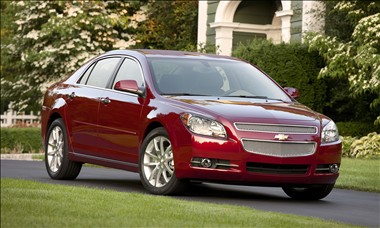
The 2012 Chevrolet Malibu is generally a solid used midsize sedan and, in several respects, is a more straightforward long-term ownership proposition than the redesigned 2013 Malibu that followed it. As the final model year of the seventh-generation Malibu, the 2012 benefits from a mature design, proven naturally aspirated engines, and relatively conventional mechanical components. Overall reliability is average to above average when maintenance has been consistent.
Most 2012 Malibus are powered by a naturally aspirated 2.4-liter four-cylinder producing 169 horsepower. This engine provides adequate performance and respectable fuel economy, but it does have several issues buyers should know about, particularly timing-chain wear, oil consumption, and possible oil leaks as mileage increases. Regular oil changes are extremely important because low oil levels or extended oil-change intervals can accelerate timing-chain and valvetrain wear.
A naturally aspirated 3.6-liter V6 was also available and provides considerably stronger acceleration. The V6 can be durable, but it also uses a timing-chain system that is sensitive to proper oil maintenance. Poorly maintained examples can develop stretched timing chains and related check-engine lights, making documented oil-change history especially valuable.
Both engines are paired with a six-speed automatic transmission. The transmission is generally serviceable, but it is one of the more important components to evaluate on a higher-mileage Malibu. Some vehicles develop harsh shifts, slipping, delayed engagement, or internal transmission problems. A Malibu that shifts smoothly and has documented fluid maintenance is much more attractive than one with an unknown transmission history.
The rest of the car is relatively conventional. Suspension components, wheel bearings, engine mounts, electrical accessories, air conditioning equipment, and steering components may require attention as the vehicle ages, but replacement parts are widely available and most independent repair shops are familiar with the Malibu.
Rust should also be considered on vehicles from northern climates. A 2012 Malibu is old enough that brake lines, suspension components, subframes, and underbody areas deserve inspection if the vehicle has spent many winters around road salt.
Overall, the 2012 Malibu can be a sensible inexpensive used sedan. It doesn't offer the nearly bulletproof reputation of the best Toyota Camry years, but a properly maintained example can exceed 200,000 miles and usually costs considerably less to purchase.
- Overall reliability: Average to Above Average
- Expected lifespan: 200,000 to 250,000+ miles with proper maintenance
- Best choice: 2.4-liter four-cylinder with documented oil and transmission maintenance
- Watch for: Timing-chain noise, oil consumption, transmission operation, steering problems, suspension wear, and underbody corrosion
Bottom line: The 2012 Chevy Malibu is a reasonably dependable and affordable used midsize sedan, but maintenance history matters. The four-cylinder is generally the better choice for buyers prioritizing fuel economy and lower operating costs. Avoid cars with low engine oil, timing-chain noise, questionable transmission behavior, or substantial deferred maintenance.
- Why it's a good choice: Proven design, affordable purchase price, widely available parts, comfortable ride, and relatively simple mechanical layout
- Biggest concern: Timing-chain and transmission problems can turn a poorly maintained example into an expensive purchase
- Best version: 2.4-liter four-cylinder with extensive service records and smooth transmission operation
- Buy only if: The engine is quiet, oil level is correct, transmission shifts properly, and the vehicle passes a pre-purchase inspection
More On The Malibu's Reliability
To learn about the Malibu's reliability over different model years, be sure to see our Used Chevrolet Malibu Reliability Guide. This comprehensive guide will help you identify its best years as well as those to be avoided, and much more.
Is the 2012 Chevy Malibu a Good Year or One to Avoid?
The 2012 Chevy Malibu is generally a decent year to buy rather than one that needs to be avoided. In fact, there is something to be said for buying the final year of this Malibu generation. The basic design had been in production for several years, and buyers avoid some of the uncertainty that can accompany the first year of a completely redesigned model.
That doesn't mean the 2012 Malibu is trouble-free. The 2.4-liter four-cylinder can develop oil consumption and timing-chain problems, while the 3.6-liter V6 also needs a strong oil-change history to protect its timing-chain system. Automatic transmission condition deserves careful attention on either version.
For a budget-conscious buyer, a well-maintained four-cylinder Malibu can make considerable sense if it is priced below a comparable Camry or Accord. I'd rather buy a clean 2012 Malibu with 130,000 miles and excellent records than a neglected 90,000-mile example whose maintenance history is unknown.
Buyer Takeaway: The 2012 Malibu is a "buy selectively" model rather than an avoid year. Its relatively simple design and inexpensive parts make it appealing as affordable transportation, but don't overlook timing-chain noise, oil consumption, or poor transmission behavior simply because the purchase price is low.
2012 Chevy Malibu Common Mechanical Problems
The 2012 Malibu has several known mechanical trouble areas worth investigating before purchase. Most don't affect every vehicle, and many well-maintained Malibus accumulate substantial mileage without major repairs. The greatest risk comes from buying a neglected example where several problems have been allowed to develop simultaneously.
- Timing-chain wear on the 2.4-liter engine: The four-cylinder's timing chain, guides, or tensioner can wear, particularly when oil changes have been neglected or the engine has repeatedly operated with a low oil level. Symptoms can include rattling during startup, poor running, check-engine lights, or camshaft/crankshaft correlation codes. Significant timing-chain work can be expensive relative to the value of an older Malibu.
- 3.6-liter V6 timing-chain problems: The V6 can also experience timing-chain stretch, with inadequate oil maintenance being an important risk factor. Warning signs can include a check-engine light, rough running, reduced performance, or timing-related diagnostic codes. A quiet-running V6 with documented frequent oil changes is considerably more desirable.
- Oil consumption: Some four-cylinder engines consume increasing amounts of oil as mileage accumulates. Check the dipstick before starting the vehicle and ask the owner whether oil must be added between changes. Oil consumption itself can sometimes be managed, but allowing the engine to run low can contribute to much more serious timing-chain and internal engine damage.
- Engine oil leaks: Valve cover gaskets, seals, and other engine areas may begin leaking with age. Minor seepage isn't necessarily alarming on an older vehicle, but significant leakage should be diagnosed. Look underneath the engine and check for a burning-oil odor after the test drive.
- Six-speed automatic transmission problems: Some Malibus develop harsh shifts, slipping, delayed engagement, flare between gears, or other transmission problems as mileage increases. Internal failures can become expensive. Test the transmission when completely cold and again after a lengthy drive because problems aren't always apparent during a five-minute test drive.
- Transmission fluid neglect: Even a transmission that currently operates normally deserves consideration if it has never been serviced. Periodic fluid changes can help extend transmission life. Documentation showing previous transmission maintenance is a significant advantage on a higher-mileage Malibu.
- Electric power steering problems: Steering-related faults can produce warning messages, inconsistent assist, unusual steering effort, or other symptoms. Any loss or change in steering assistance should be diagnosed before purchase rather than assumed to be a simple alignment problem.
- Front suspension wear: Control arm bushings, sway bar links, struts, ball joints, and related components eventually wear. Clunking over bumps, loose steering, excessive bouncing, or uneven tire wear can indicate that suspension work is approaching. Individual components aren't necessarily expensive, but several repairs at once can add substantially to the cost of an inexpensive car.
- Wheel bearing wear: Worn hub bearings can produce humming or growling noises that increase with road speed. The noise may change when turning slightly from side to side. Replacement is a normal higher-mileage repair but should be factored into the purchase price.
- Engine and transmission mount wear: Deteriorated mounts can produce excessive vibration at idle or a noticeable thump when shifting between Reverse and Drive. Mount replacement is generally manageable but can make an otherwise smooth-running Malibu feel much rougher than it should.
- Cooling-system problems: Water pumps, thermostats, hoses, radiator components, and coolant seals eventually require attention. Look for dried coolant residue, low coolant levels, or evidence of previous overheating. Any overheating history deserves additional investigation because excessive heat can cause expensive engine damage.
- Electrical and accessory problems: Door lock actuators, power windows, switches, sensors, audio equipment, and other electrical accessories can develop faults with age. Test everything before purchasing. A few small electrical problems can easily become several hundred dollars in repairs.
- Air conditioning problems: Compressors, blend-door actuators, relays, and refrigerant leaks can reduce climate-control performance. Run the air conditioning long enough to confirm that it remains cold and verify that airflow changes correctly between the vents.
- Brake and underbody corrosion: Malibus that have spent years in road-salt climates deserve an underbody inspection. Corroded brake components and lines, exhaust hardware, suspension pieces, and subframe areas can create repair costs that aren't visible during a normal walk-around.
The 2012 Malibu's problems need to be considered in relation to its purchase price. A clean car that needs a wheel bearing or suspension link may still be a very good value. A cheap Malibu that simultaneously needs timing-chain work, transmission repairs, brakes, tires, and suspension components can easily cost more than buying a better example from the beginning.
Buyer Tip: Try to inspect the Malibu before it has been started for the day. Check the oil level first, then listen carefully during cold startup for timing-chain rattling. Drive the vehicle long enough to fully warm the transmission and pay attention to every gear change. A diagnostic scan for stored timing, transmission, and steering codes is also worthwhile before purchase.
2012 Chevy Malibu Pros and Cons
The 2012 Malibu's strongest argument in today's used market is value. It is a conventional midsize sedan with widely available parts and enough room and comfort for everyday transportation, yet it often sells for substantially less than comparable Toyota and Honda models. The tradeoff is a somewhat greater need to investigate engine and transmission maintenance before buying.
Pros
- Affordable used-car pricing: The Malibu often costs less than a comparable Camry or Accord, which can allow a buyer to find a lower-mileage or better-maintained car within the same budget.
- Mature final-year design: The 2012 model was the final year of this Malibu generation rather than the first year of a brand-new design, which can be appealing to reliability-focused shoppers.
- Reasonably durable four-cylinder: The 2.4-liter engine can provide high mileage when oil changes are performed regularly and the oil level is monitored.
- Strong V6 performance: The optional 3.6-liter V6 provides considerably more acceleration for buyers who value performance.
- Conventional automatic transmission: Buyers who prefer a traditional geared automatic may appreciate the absence of a CVT.
- Comfortable ride: The Malibu is tuned more toward comfort than sporty handling and works particularly well as a highway commuter.
- Widely available parts: Replacement mechanical and body components are generally easy to find, and independent repair shops are familiar with the car.
- Reasonable repair costs: Many routine repairs are relatively straightforward and don't carry the labor or parts premiums associated with luxury or European sedans.
Cons
- Timing-chain problems require attention: Both available engines can suffer expensive timing-related problems when oil maintenance has been neglected.
- Oil consumption can compound engine problems: A four-cylinder that uses oil and isn't checked regularly can run low enough to accelerate timing-chain and internal engine wear.
- Transmission condition varies: Some higher-mileage six-speed automatics develop serious shifting problems, making a thorough test drive essential.
- Reliability isn't class-leading: The Malibu can be dependable, but it generally doesn't match the strongest Camry and Accord models for long-term reputation.
- Interior quality is only average: The cabin is comfortable and functional, but some materials and design elements feel less refined than those in the best competitors.
- Age-related suspension repairs: Struts, bushings, links, bearings, and other chassis components may now need replacement simply because of mileage and age.
- Northern cars may have corrosion: Rust underneath the vehicle can turn a mechanically sound Malibu into a less attractive purchase, particularly when brake and structural components are affected.
- Low values can encourage deferred maintenance: As these cars became inexpensive, some owners stopped investing in preventive maintenance. The cheapest Malibu advertised may therefore be the most expensive one to own.
Buyer Takeaway: The 2012 Chevy Malibu is a sensible choice for a budget-minded buyer who wants a comfortable, conventional midsize sedan and finds one at a meaningful discount compared with a similar Camry or Accord. For most buyers, I'd choose the 2.4-liter four-cylinder with extensive maintenance records, correct oil level, a quiet cold start, and a smooth-shifting transmission. The 2012 Malibu isn't a car I'd buy blindly because it's cheap, but a carefully selected example can still provide many miles of dependable and relatively inexpensive transportation.
2012 Malibu Features As Released
The 2012 Malibu was the last production year for its seventh generation which began with the much coveted 2007 North American Car of the Year award. And it still had plenty to offer, including a comfortable ride, capable handling, a strong V6 engine, good looks and a quiet interior.
Still, the midsize sedan market is extremely competitive with other worthy rivals. Since it's always wise to check out other top choices before making a final buying decision, those perhaps worth consideration would include the Hyundai Sonata as well as its Kia Optima sibling, along with the newly revised and now less expensive Volkswagen Passat, the Ford Fusion and the Nissan Altima.
Trims, Standard Features And Options:
The 2012 Malibu is available in three trims: LS, LT and LTZ, along with several sub-models.
Standard features on the Malibu LS include power door locks, power mirrors, power windows, air-conditioning, automatic headlights, halogen headlights, cruise control, a partial power driver seat (lumbar), keyless entry, 17-inch steel wheels, a tilt/telescoping steering wheel, 60/40 split-folding rear seatbacks, a tire pressure monitor, an aniti-theft system, OnStar and a 6-speaker audio system with a CD player, MP3 player, satellite radio and an auxiliary audio jack.
Moving up to the Malibu LT includes choosing among 1LT, 2LT and 3LT sub-models. Among the features added with the 1LT are steering-wheel-mounted audio controls, 17-inch bright aluminum wheels, a USB audio jack and body-color outside mirrors and side moldings.
The 2LT goes on to add remote ignition, Bluetooth, chrome wheels, more power driver seat adjustments, upgraded upholstery, heated front seats, a leather-wrapped steering wheel and shift knob, and an auto-dimming rearview mirror. The 3LT includes all this plus 18-inch chrome-tech aluminum wheels, chrome dual exhaust tips and a rear 110-volt AC power outlet.
Standard features for the 1LZ trim of the top-of-the line Malibu LTZ include projector-beam and LED clear lens fog lamps, a silver finish front grille with chrome surround, chrome door handles, a chrome exhaust tip, 18-inch 10-spoke bright aluminum wheels, heated passenger and driver exterior mirrors, climate control, a sunroof, a power passenger seat, leather upholstery and an 8-speaker Bose Audio system.
The 2LZ is equipped very much like the 1LZ but includes a more powerful V6 engine.
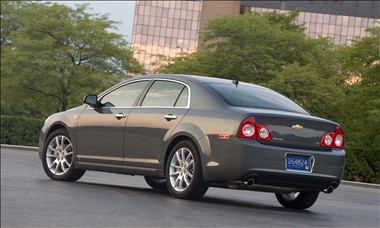
In terms of available options, most of these features are available in various packages for the lower trims. In addition, a sunroof is offered as a stand-alone option on the LT model.
Engines, Powertrain And Gas Mileage:
All Malibus are front-wheel drive and equipped with a 6-speed automatic transmission with manual shift control. The standard engine is a 2.4-liter four-cylinder that produces 169 horsepower and 160 pound-feet of torque. The fuel economy for this engine is EPA-estimated at 22 mpg city and 33 mpg on the highway.
In performance tests, a four-cylinder Malibu was timed from a standstill to 60 mph in 9.1 seconds, about on par with the average four-cylinder sedan in this segment.
Under the hood of 3LT and 2LZ models is a 3.6-liter V6 that pumps out 252 horsepower and 251 pound-feet. Gas mileage for these models stands at 17 mpg city and 26 highway. Timed from 0 - 60 mph in just 6.7 seconds, its one of the quickest V6 sedans in its class.
Safety:
Standard safety features for all 2012 Malibus include traction and stability control, 4-wheel antilock disc brakes (ABS), front seat side-impact airbags, side curtain airbags and the OnStar telematics system.
In government crash tests, the 2012 Malibu received four out of five stars for overall occupant protection, consisting of four stars for frontal-impacts and five stars for side-impacts.
Interior:
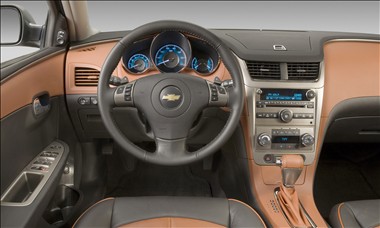
The Malibu's cabin is comfortable, attractive and user-friendly. If there's a downside, there are a few places where lower-quality materials are used, though not to an extent that it becomes a likely deal breaker. On the plus side, the abundant use of noise insulation makes for a very pleasant and quiet driving environment.
The seats are comfortable and supportive, both front and rear. That said, the rear quarters are on the tight side when accommodating three adults compared to some of its rivals. Trunk space, however, is a generous 15.1 cubic feet ... and more is available thanks to the 60/40-split-folding rear seatbacks. But also note that the trunk opening is somewhat small, making for some jostling of larger items when loading and unloading.
Drive:
The drive of the 2012 Chevy Malibu is one of its best attributes, boasting a smooth and quiet ride while still maintaining a highly capable and confident level of handling. The steering is light yet still responsive and precise, whether its the electric-assisted power steering (increases gas mileage performance) in the four-cylinder models or the hydraulic steering assist in the V6 models.
Your Trade-In
It's good to always know the value of your trade-in while you're evaluating your next possible purchase. Here's a good source for a quick and accurate appraisal: free trade-in appraisal.
What's Next?
If You May Be Buying Soon
If you may be buying a used car soon, see how to identify the dealerships most motivated to get your sale, and therefore most ready to lower their price more than the rest. This is often the difference between getting a good price and getting a great one.
Also, More On Chevrolet Reliability
If you'd like to compare different Chevy models, or model years, including the Malibu, be sure to read our Chevrolet Reliability & Problems: Best Used Chevys & Years Guide. It highlights the models, best years to buy, common problems, and may help you choose the right vehicle for you.
Some Insider Insights:
Trading-In? Learn How To Get Higher Prices
Learn How To Simplify Car Loans And Identify Your Best Choices